Romanesque · 1130
Eve (Gislebertus, 1130)
Gislebertus (1120–1135) je napravio Eve. Datirano je iz 1130. Pripada pokretu Romanesque. Izrađeno je u Stone. Čuva se u muzeju Musée Rolin u mestu Autun, France.
- 1130
- Stone
- Musée Rolin, Autun

 Ručno oslikano uljanim bojama
 Pošalji
 Podeli
 Informativni list


 Preuzmi
 Slični predmeti
 Automatska prezentacija
 Pitanja i odgovori

 Statistika
Eve, ukratko
- Naslov
- Eve
- Umetnik
- Gislebertus (1120–1135)
- Rođen/a u
- Francuska
- Datum
- 1130
- Tehnika
- Stone
- Gde se može videti
- Musée Rolin, Autun, France
- Pokret
- Romanesque
- Period
- High Medieval
- Tema
- woman, sculpture, stone, humanoid, profile, carving
Šta prikazuje Eve?
The Sinuous Grace of Stone
The stone breathes with a quiet, unsettling life. In the dim light of the North Portal at Autun Cathedral, a figure emerges from the rock, caught in a moment of profound, detached grace. This is Eve, a form carved with a fluidity that defies the heavy, unyielding nature of the medium. Her body is elongated, her limbs stretching with a rhythmic elegance that suggests a movement frozen in mid-breath. There is a certain seductive quality to her posture, a sinuous curve that flows from her neck down through her torso, making the hard granite appear as soft as skin. She exists in a state of quiet contemplation, her profile turned away, her gaze lost in a space beyond the viewer's reach. The intricate carvings of foliage and leaves that wrap around her limbs seem to grow directly from her very being, blurring the line between the human form and the natural world.
The craftsmanship reveals a deep understanding of how light and shadow can transform a surface. As the light strikes the high relief of her body, it creates deep, dark pockets in the recesses of the carving, emphasizing the dramatic contours of her slender frame. This interplay of light and shadow gives the sculpture a psychological weight, a sense of presence that reaches out from the cathedral walls. It is a moment of stillness that feels heavy with the weight of what is to come.
A Fragment of the Fall
This sculpture is a rare survivor of a much larger narrative, a piece of a story that once spanned the lintels of the cathedral. It represents a significant shift in how the human form is expressed in European art, marking a departure from the rigid, static figures of earlier eras. The details of her existence are etched into the stone with a precision that speaks to a high level of technical mastery:
The history of this figure is as dramatic as the scene it depicts. For centuries, she remained hidden, having been used as mere building material for a house in 1769. She lay forgotten at the foot of a hill, a discarded fragment of a sacred story, until she was rediscovered. Now, she remains as a singular, powerful presence, a piece of the 12th-century vision that survived the passage of time and the changing tastes of men. She is a window into a period where the sculptor sought to capture not just the shape of a person, but the very essence of a soul caught in a moment of cosmic significance.
U kom muzeju se nalazi Eve?
Musée Rolin
Autun, France
A Jewel of Burgundian Heritage: The Soul of Autun In the heart of Burgundy, where the echoes of Roman antiquity meet the spiritual fervor of the Middle Ages, lies the Musée Rolin. Located in the historic city of Autun, this museum is far more than a mere repository of artifacts; it is an immersive journey into the very essence of French regional history. Housed within the magnificent former residence of Nicolas Rolin, the Chancellor to Philip the Good, the museum’s walls breathe with the grandeur of the 15th-century Burgundian court.


Slike visoke rezolucije za Eve

Gislebertus, Eve (1130), Musée Rolin. Javno dobro.
Odgovori na pitanja o Eve
U kom muzeju se čuva originalni "Eve"?
Delo „Eve”, autor Gislebertus je izloženo u muzeju Musée Rolin, Autun, France. Navod o muzeju odnosi se na originalno delo, a ne na reprodukcije.
U kojoj godini je nastalo "Eve"?
Delo „Eve”, autor Gislebertus datira iz 1130. godine.
U kojoj je tehnici izvedeno delo „Eve”, autor Gislebertus?
"Eve" je urađeno u tehnici Stone.
Koje su teme prikazane u delu „Eve”, autor Gislebertus?
Teme prisutne u delu „Eve”, autor Gislebertus obuhvataju woman, sculpture, stone, humanoid, profile, carving, foliage, što zajedno sažima suštinu ovog umetničkog dela.
Da li je "Eve" slobodan od autorskih prava?
Što se tiče autorskih prava, delo "Eve" je u javnom vlasništvu – autorska prava su istekla.
Ko je umetnik koji stoji iza dela "Eve"?
Autor dela "Eve" je Gislebertus. Delo je katalogizovano pod imenom Gislebertus.
Koji umetnički pravac obuhvata „Eve”, autor Gislebertus?
Umetnički pravac koji se povezuje sa delom „Eve”, autor Gislebertus je Romanesque. Ova klasifikacija smešta rad među srodne umetnike i umetnička dela.
Koliko je godina imao/la Gislebertus u vreme nastanka dela "Eve"?
Gislebertus je kreirao/la "Eve" u uzrastu od 10 godina. Umetnik je rođen/a 1120, a delo je datirano na 1130. godinu.
Šta objašnjava status autorskih prava za „Eve”, autor Gislebertus?
Status autorskih prava za delo "Eve" - u javnom vlasništvu – autorska prava su istekla - proizilazi iz godine smrti umetnika, 1135.
O umetniku, Gislebertus

1120–1135, Francuska
Gislebertus
Gislebertus: Skulptor božanske vizije Autunske katedrale Gislebertus, ime uklesano u kamen i šaputano kroz vekove, stoji kao jedna od najizuzetnijih figura romanske skulpture. Posebno slavljen zbog svog dubokog doposa u katedrali Svetog Lazara u Autimu, u Francuskoj, on je proizašao iz plodnog umetničkog pejzaža Burgundije, u periodu koji su oblikovale religiozni žar i rastuće arhitektonske ambicije. Rođen negde oko 1120. godine, Gislebertus je živeo u eri u kojoj je umetnost služila kao primarni jezik vernika.
Takođe i Gislebertus
 Tympanum of the main portal (detail)1130
 Pilgrims1120
 Last Judgment (detail)1130
 Dream of the Magi1120
Eseji o delu Eve
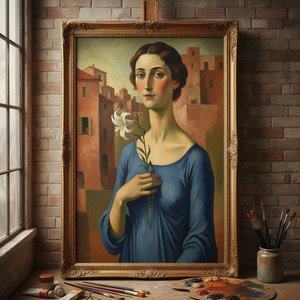 Capturing Elegance: The Soulful Essence and Timeless Grace of Modigliani-Style ArtworksDiscover the profound beauty of Modigliani-style art. Explore the elegance of elongated forms and soulful portraits through our expert cura…
 From Ancient Marble to Modern Bronze: Sculptural Forms That Shaped Art HistoryTrace the evolution of sculpture from Paleolithic totems to modern abstraction with expert insight. Explore the masters of form today.
 Romanesque vs. Gothic: How to Distinguish These Two Medieval StylesMaster the differences between Romanesque and Gothic art through expert analysis. Learn to identify these medieval styles today.