Italian Glamour Style · 1991
Haljina (Đani Versace, 1991)
Đani Versace (1946–1997) je napravio Haljina. Datirano je iz 1991. Pripada pokretu Italian Glamour Style. Izrađeno je u Akril na platnu. Čuva se u muzeju Röhsska Museum u mestu Göteborg, Sweden.
- 1991
- Akril na platnu
- Röhsska Museum, Göteborg

 Pregledaj u prostoru

 Ručno oslikano uljanim bojama
 Pošalji
 Podeli
 Informativni list


 Preuzmi
 Slični predmeti
 Rendgenski snimak
 Automatska prezentacija
 Pitanja i odgovori

 Statistika
Haljina, ukratko
- Naslov
- Haljina
- Umetnik
- Đani Versace (1946–1997)
- Rođen/a u
- Reggio Calabria, Italija
- Datum
- 1991
- Tehnika
- Akril na platnu
- Gde se može videti
- Röhsska Museum, Göteborg, Sweden
- Pokret
- Italian Glamour Style
- Tema
- fashion show, luxury design, black velvet, gold buttons, versace couture, runway style
Šta prikazuje Haljina?
A Snapshot of Versace's Visionary Aesthetic
Gianni Versace’s “Dress,” captured in a meticulously staged studio photograph from 1991, represents more than just a garment; it embodies the very essence of Versace’s distinctive design philosophy. The image—featuring a black velvet dress draped over a stark white mannequin against a solid black backdrop—immediately establishes a visual dialogue between restraint and opulent statement. This deliberate composition underscores Versace's belief that simplicity can amplify impact, allowing the fabric’s texture and subtle embellishments to command attention without overwhelming the viewer.- Photography Technique: The photograph utilizes diffused lighting to minimize shadows and maximize detail, highlighting the velvety sheen of the fabric and the gleaming gold buttons—a hallmark of Versace's signature style.
- Composition: Centered symmetry ensures that every element contributes to a harmonious visual balance, emphasizing the dress’s silhouette and drawing the eye upwards towards its neckline.
Exploring Materiality and Texture
The velvet fabric itself speaks volumes about Versace's artistic sensibilities. Its tactile quality—a deliberate choice intended to evoke feelings of luxury and comfort—contrasts beautifully with the matte surface of the mannequin, creating a dynamic interplay between texture and form. Versace’s meticulous attention to material selection reflects his unwavering commitment to crafting pieces that transcend mere functionality, transforming them into objects of desire and artistic expression. The subtle variations in tone within the velvet contribute to an overall sense of depth and richness, mirroring the grandeur of Versace's vision for fashion.Symbolism Within Bold Lines
Beyond its visual appeal, “Dress” carries symbolic weight rooted in Versace’s broader artistic concerns. The dress’s vertical lines—created by the sleeves and button closures—represent structure and confidence, mirroring Versace’s persona as a fearless innovator who challenged conventional notions of beauty and glamour. Furthermore, the heart-shaped neckline serves as an emblem of passion and desire, aligning with Versace's fascination for provocative imagery and sensual aesthetics – elements consistently present throughout his oeuvre.A Legacy of Glamour: Contextualizing Versace’s Influence
Versace’s “Dress” emerged during a period of significant cultural change—the burgeoning AIDS crisis and the rise of celebrity culture—and solidified Versace's position as a pioneer in elevating fashion to an art form. The photograph itself, published in Vogue magazine, exemplifies Versace’s collaborative spirit with influential publications like Vogue, demonstrating his understanding of how visual media could shape perceptions of style and desirability. Today, reproductions of “Dress” continue to inspire designers and collectors alike, serving as a testament to Versace's enduring legacy as one of the most transformative figures in contemporary fashion history.- Further Research: Explore Versace’s broader artistic output through publications like Vogue Spring 1991 – showcasing his masterful use of color and form.
- Related Artwork Database: Discover similar pieces by Gianni Versace, such as “White Pleated Silk Dress” or “Gianni Versace White Silk Dress”, available for high-quality reproductions on OriginalUniqueArt.com.
U kom muzeju se nalazi Haljina?
Röhsska Museum
Göteborg, Sweden
A Sanctuary of Form and Function In the heart of Gothenburg, where the industrial pulse of Sweden meets a profound reverence for aesthetic grace, stands the Röhsska Museum —a singular beacon for those who find beauty in the intersection of utility and art. To enter this institution is to step into a curated dialogue between the past and the future, a place where the tactile reality of objects tells the sweeping story of human ingenuity. Established through the visionary bequest of the merchant brothers Wilhelm and August Röhss, the museum has evolved from its early twentieth-century roots into a vital epicenter for design, fashion, and applied arts.

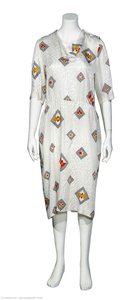

Slike visoke rezolucije za Haljina

Protected by copyright: these files are for personal reference, not a licence to republish.
Đani Versace, Haljina (1991), Röhsska Museum.
Odgovori na pitanja o Haljina
U kom muzeju se čuva originalni "Haljina"?
Delo „Haljina”, autor Đani Versace je izloženo u muzeju Röhsska Museum, Göteborg, Sweden. Navod o muzeju odnosi se na originalno delo, a ne na reprodukcije.
U kojoj godini je nastalo delo „Haljina”, autor Đani Versace?
Delo „Haljina”, autor Đani Versace datira iz 1991. godine.
U kojoj je tehnici izvedeno delo „Haljina”, autor Đani Versace?
Tehnika dela „Haljina”, autor Đani Versace je Akril na platnu. Reprodukcije imaju za cilj da dočaraju izgled ove tehnike.
Koje su teme prikazane u delu „Haljina”, autor Đani Versace?
„Haljina”, autor Đani Versace prikazuje: fashion show, luxury design, black velvet, gold buttons, versace couture, runway style, elegant silhouette.
Da li se prikaz „Haljina”, autor Đani Versace može slobodno reprodukovati?
„Haljina”, autor Đani Versace pripada i dalje je zaštićeno autorskim pravima. Ovaj status određuje način na koji se slika dela može reprodukovati.
Ko je umetnik koji stoji iza dela "Haljina"?
Delo "Haljina" pripisuje se umetniku Đani Versace.
Koji umetnički pravac obuhvata „Haljina”, autor Đani Versace?
Umetnički pravac koji se povezuje sa delom „Haljina”, autor Đani Versace je Italian Glamour Style. Ova klasifikacija smešta rad među srodne umetnike i umetnička dela.
U kojoj periodi karijere umetnika Đani Versace pripada delo "Haljina"?
"Haljina" predstavlja Glamour Era umetnika Đani Versace.
Koliko je godina imao/la Đani Versace kada je kreirao/la "Haljina" 1991. godine?
Kada je delo "Haljina" nastalo 1991. godine, Đani Versace – rođen/a 1946. godine – imao/la je 45 godina.
O umetniku, Đani Versace

1946–1997, Italija
Đani Versace
Život utkan u glamur: Svet Đanija Versacea Đani Versace, ime koje je postalo sinonim za odvažan stil i neobuzdan luksuz, nepovratno je izmenio pejzaž mode tokom svoje previše kratke, ali intenzivno uticajne karijere. Rođen 2 decembra 1946. godine u Reggio Calabrii, u Italiji, Versacejevo putovanje nije počelo u uzvišenim hodnicima modnih škola – iako je nakratko pohađao Liceo Classico Tommaso Campanella – već u intimnom svetu majčine krojačke radionice. Ovo rano uranjanje u zanat usadilo je fundamentalno razumevanje forme, tkanine i transformativne moći odeće.
Takođe i Đani Versace
 Printed white silk dress1994
 Путовачки халат из шерсти и красного кашемира1984
 Shirt1992
 White pleated silk dress1995
Eseji o delu Haljina
 Gianfranco Ferré: Deconstructing Haute Couture – A Legacy of Architectural FormExplore the revolutionary world of Gianfranco Ferré, 'the architect of fashion.' Discover his architectural approach to haute couture, icon…
 Erté & Art Deco: The Glamorous Line Work of a Fashion IconStep into the shimmering world of Erté and Art Deco. Discover how Romain de Tirtoff redefined luxury through geometric mastery and fashion …
 25 Vibrant Masterpieces by Ágatha Ruiz de la Prada: A Kaleidoscope of JoyImmerse yourself in the vibrant world of Ágatha Ruiz de la Prada. Explore 25 iconic artworks defined by bold colors and joyful pop art aest…