- Početna strana

- Štampa na platnu
- Георг Рихтер
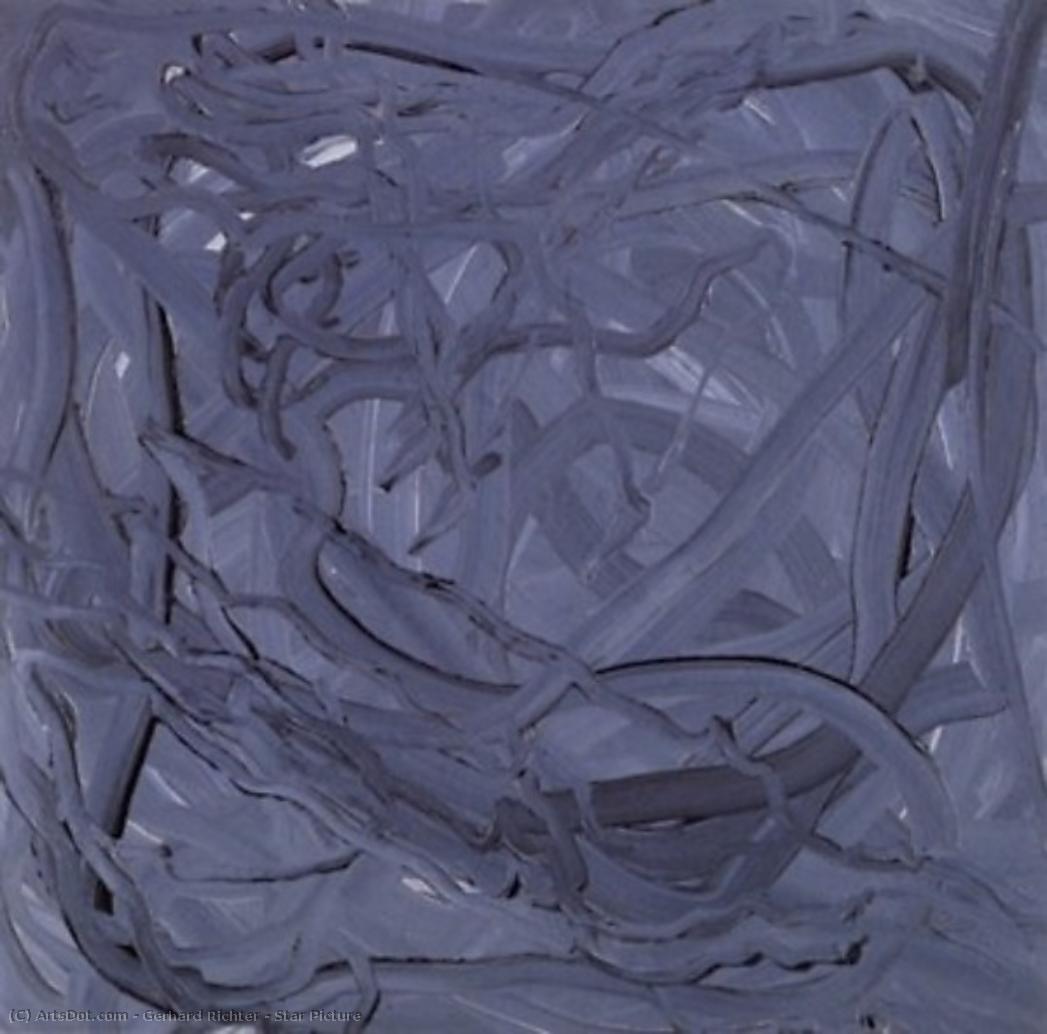
- Star Picture
 Naručite reprodukciju Kupi digitalnu sliku
 Pošalji
 Podeli
 Detalji o delu
 Dodaj u omiljene

 Преузми
 Slični predmeti
 Rendgenski snimak
 Slajdovi
Star Picture
 Oil On Canvas
- WallArt
- Abstract Expressionism
 1969
1969 70.0 x 70.0 cm
 Pročitaj više
Giclee štampa / Umetnički otisak
Giclée štampa ili print na platnu muzejskog kvaliteta uz brzu proizvodnju i fleksibilne opcije završne obrade.




P118B $10

P118H $10

P118W $10

P438Z $10

P508JH $12

P508YH $12

P805H $10

P805Z $10

P919BZ $10

P919G $10

P919XJ $10

P959ZH $10

P968JZ $12

W106C $8

W218G $10

W218JH $8

W218Y $10

W307PJ $10

W316G $10

W316PJ $8

W316Y $10

W398PJ $8

W4111J $10

W500HY $15

W500JH $15

W692G $12

W849H $8

W940BG $15

W953PJ $8




Izaberite jednu od naših unapred definisanih veličina koje odgovaraju originalnim proporcijama umetničkog dela.

Možete uneti sopstvene dimenzije kako biste umetničko delo prilagodili specifičnom okviru ili prostoru. Ako odabrani format ne odgovara proporcijama originalne slike, mi ćemo ili iscrtati deo dela ili proširiti sliku pomoću ogledane ivice ili jednobojnog popunjavanja. Digitalni prikaz će vam biti poslat na odobrenje pre početka proizvodnje.
Imajte na umu da pregled na ekranu ne odražava stvarno iscrtavanje ili proširivanje. Samo će prikaz (mockup) precizno pokazati finalnu kompoziciju.
Iako su prilagođene dimenzije dostupne, preporučujemo da odaberete dimenziju sa unapred definisane liste kako biste očuvali originalne proporcije.
Dostava širom sveta () za 2 nedelje umesto uobičajenih 4/5 nedelja. (19 јул)

Besplatna ekspresna dostava širom sveta

Visokokvalitetno laneno platno

Kompletno osiguranje transporta

Garancija povraćaja carine i uvoznih dažbina

Garancija vernosti boja

Politika povrata u roku od 60 dana (samo u slučaju nedostataka)

Garancija povrata novca od 100%

Popust pri grupnoj kupovini
 Opcija sa staklom dostupna je samo za dimenzije manje od 110 cm

Star Picture
Giclee štampa / Umetnički otisak
Dimenzije reprodukcije
-


Konačna cena
-
Opis predmeta
A Universe Contained: Exploring Gerhard Richter’s ‘Star Picture’
Gerhard Richter's ‘Star Picture,’ created in 1969, is not an invitation to gaze upon the cosmos with romantic wonder, but rather a compelling confrontation with its unknowable vastness. This abstract oil on canvas, measuring 70 x 70 cm, exists as a dense field of blues and greys, a chaotic interplay of lines and forms that resists easy interpretation. It’s a work born from a pivotal moment in history – the year humanity first set foot on the moon – yet it doesn't celebrate triumph or discovery. Instead, ‘Star Picture’ feels like an attempt to grapple with the unsettling implications of expanding our horizons, a visual echo of the anxieties and uncertainties that accompanied such monumental leaps forward.
The Technique of Uncertainty
Richter’s approach in ‘Star Picture’ is deeply rooted in his exploration of perception and representation. He wasn't striving for photorealistic depiction; rather, he employed a technique that deliberately obscures clarity. The painting appears to be built up through layers of paint, mimicking the texture of brushstrokes yet lacking their inherent expressiveness. This creates a tactile quality, an invitation to run your eyes across the surface, but simultaneously denies any comfortable sense of resolution. Diagonal lines dominate the composition, generating a feeling of movement and instability, as if the very fabric of space is in flux. The even lighting further contributes to this ambiguity; there are no dramatic highlights or shadows to guide the eye, only a pervasive, atmospheric haze. It’s a masterful demonstration of how abstraction can convey not emptiness, but an overwhelming sense of information – too much data for the mind to process.
Historical Echoes and Artistic Lineage
To understand ‘Star Picture,’ it's crucial to consider Richter’s biography and the artistic climate of post-war Germany. Born in 1932, he experienced firsthand the trauma of displacement and political upheaval. This history profoundly shaped his artistic vision, leading him to question established norms and explore the limitations of representation. While early influences like Picasso and Arp are discernible in his abstract compositions, Richter quickly forged his own path. The late 1960s saw him experimenting with ‘photo-paintings,’ works based on photographs that he then blurred and distorted. ‘Star Picture’ can be seen as an extension of this exploration – a photograph of the cosmos rendered not as a clear image, but as a fragmented memory or a half-forgotten dream. The ZERO group, with their focus on light and space, also provided a crucial context for Richter's work, though he maintained a critical distance from their utopian ideals.
An Emotional Landscape
‘Star Picture’ is not a comforting artwork. It evokes a sense of unease, even disorientation. The density of the composition, the lack of clear focal points, and the muted color palette all contribute to this feeling. Yet, within this chaos lies a strange beauty – a testament to Richter's ability to transform abstract forms into emotionally resonant experiences. The painting doesn’t offer answers; it poses questions about our place in the universe, the nature of perception, and the limits of human understanding. It is a work that demands contemplation, inviting viewers to project their own anxieties and aspirations onto its enigmatic surface. For those seeking an artwork that transcends mere decoration and instead sparks dialogue and introspection, ‘Star Picture’ offers a profound and enduring resonance.
Biografija umetnika
A Life Shaped by Division: The Early Years and Artistic Formation of Gerhard Richter
Gerhard Richter’s artistic journey began in Dresden, Germany, amidst the turbulent backdrop of postwar Europe and the looming shadow of Soviet influence. Born on February 9, 1932, his childhood was profoundly impacted by displacement – his family repeatedly relocated during the Nazi era and subsequently under communist rule—experiences that instilled within him a fundamental preoccupation with uncertainty and questioning. The idyllic landscapes of Reichenau and Waltersdorf, initially formative environments for his artistic sensibilities, dissolved into conflict as Dresden endured siege during World War II, leaving indelible scars on his psyche. His father, Wilhelm Richter, was a schoolteacher who navigated the complexities of life under authoritarian pressure, while his mother, Elise Richter-Schröder, nurtured a love for literature and music within their household—a duality that would become a defining characteristic of Richter’s own artistic approach. Early Artistic Training: Socialist Realism's Constraints Richter commenced formal training at Dresden Academy of Fine Arts in 1951, initially immersed in the dominant stylistic conventions of socialist realism – a mandated aesthetic aimed at glorifying communist ideology and portraying idealized depictions of Soviet life. Despite this imposed framework, Richter harbored an innate desire for artistic freedom—a yearning to transcend ideological boundaries and explore more expansive creative horizons. He recognized that true expression demanded resistance to dogma, prompting him to actively seek alternative paths beyond the prescribed norms. This awareness fueled his determination to develop a distinctive visual language, one rooted in observation and experimentation rather than adherence to predetermined formulas. The Düsseldorf Breakthrough: Embracing Experimentation and Dissidence A pivotal moment arrived in 1961 when Richter, alongside Marianne Eufinger, courageously defied communist restrictions and fled East Germany for Düsseldorf—a city brimming with artistic dynamism and intellectual ferment. This relocation represented a radical transformation of his artistic trajectory, liberating him from the constraints of socialist realism and immersing him in an environment where innovation was not merely tolerated but actively championed. Düsseldorf became Richter’s crucible—a space where he dismantled conventional stylistic conventions and embarked on a period of intense exploration that would solidify his early mature work. He swiftly rejected the rigid aesthetic dictates of socialist realism, embracing instead a multifaceted approach encompassing photorealism, abstraction, and chance operations—techniques that challenged established artistic paradigms and interrogated the very nature of representation. Photorealism's Paradox: Replication and Reflection Richter’s fascination with photorealism stemmed from his conviction that meticulous reproduction could illuminate deeper truths about reality—a paradoxical assertion given the inherent limitations of photographic illusion. He painstakingly recreated images sourced from family photographs or newspaper clippings, employing techniques honed to an astonishing degree of precision—capturing minute details with unwavering accuracy. However, Richter’s photorealistic paintings transcended mere imitation; they functioned as meditations on perception and memory—inviting viewers to contemplate the subjective experience of seeing and remembering. By confronting photographic illusion head-on, he exposed its inherent ambiguities and questioned its ability to convey complete objectivity—a stance that resonated powerfully with fellow artists grappling with similar dilemmas. Abstraction's Embrace: Chance and Gestural Freedom Alongside photorealism, Richter pursued abstraction—creating canvases layered with vibrant colors and dynamic brushstrokes—techniques that prioritized gestural freedom over precise control. He recognized that artistic expression could flourish beyond the confines of representational accuracy—embracing spontaneity and unpredictability as fundamental principles. His pioneering use of squeegees—tools typically employed for cleaning windows—added another dimension to his artistic practice—manipulating paint in ways that defied conventional expectations and yielding unexpected textural effects. This embrace of chance—a deliberate relinquishment of control—served as a catalyst for innovation, propelling Richter’s work into uncharted territories of visual language. Legacy and Influence: Shaping Contemporary Art's Landscape Gerhard Richter’s enduring legacy extends far beyond the realm of artistic achievement—he fundamentally reshaped the landscape of contemporary art by challenging established conventions and redefining notions of stylistic coherence. His unwavering commitment to experimentation—coupled with his profound engagement with historical and political themes—established him as one of the most influential artists of our time. He resisted categorization—rejecting attempts to confine his work within a single stylistic framework—a stance that underscored his conviction that artistic exploration demanded boundless curiosity and intellectual rigor. Richter’s influence can be seen in countless artworks produced by subsequent generations of artists—drawn to his innovative techniques and his fearless interrogation of artistic norms—demonstrating the enduring power of his vision. He remains a beacon of creativity—inspiring audiences worldwide with his challenging and deeply resonant oeuvre—a testament to his transformative contribution to art history.
Георг Рихтер
1932 - , Германија
Osnovne informacije
- Artistic Movement Or Style:
- Фотореализам
- Абстракција
- Artists Who Influenced This Artist:
- Жан Арп
- Пабло Пикассо
- Date Of Birth: 9 фебруара 1932.
- Full Name: Gerhard Richter
- Nationality: Германија
- Notable Artworks:
- Абстрактно сликарство 610-1
- Gilbert
- С. са дететом
- Place Of Birth: Дрезден, Германија
Povezani članci

Ephemeral Dimensions: The Impact of Illumination on Perceptual Shifts in Contemporary Abstract Painting
Explore the profound impact of illumination on contemporary abstract painting. Expert insights into perceptual psychology, key artists & collecting valuable art. OriginalUniqueArt.
Glavna dela ekspresionizma: 10 remek-dela koja su definisala umetnički pokret
Otkrijte 10 remek-dela ekspresionizma! Uronite u svet Edvarda Muncha, Ernsta Ludwiga Kirchnera i drugih. Istaknute umetničke slike, intenzivne boje i emocionalni izraz. Pronađite inspiraciju za svoj enterijer na OriginalUniqueArt.com – vrhunski izbor reprodukcija slika!

German Expressionism's 10 Defining Masterpieces | Art for Your Home
Explore 10 defining German Expressionism masterpieces – from Munch's 'The Scream' to Kandinsky’s abstracts. Discover the artists, stories & bold colors behind this powerful art movement. Find museum-quality reproductions at OriginalUniqueArt.com.

Gerhard Richter: A Retrospective on Abstraction, Memory & the Photographic Source
Explore the profound world of Gerhard Richter's abstract paintings. Discover his techniques, influences, and lasting impact on contemporary art – a guide for discerning collectors.

Slate Blue Masterpieces: 10 Iconic Paintings & Timeless Home Decor Ideas
Immerse yourself in the captivating world of slate blue! Explore 10 iconic paintings by Monet, Van Gogh & Renoir. Discover their stories, techniques & find museum-quality art reproductions for your home at .