Surrealism
Bodegón (Фрида Кало)
Фрида Кало (1907–1954) je napravio Bodegón. Pripada pokretu Surrealism. Izrađeno je u Akril na platnu.
- Akril na platnu

 Pregledaj u prostoru

 Ručno oslikano uljanim bojama
 Pošalji
 Podeli
 Informativni list za štampu


 Preuzmi
 Slični predmeti
 Rendgenski snimak
 Automatska prezentacija
 Pitanja i odgovori

 Statistika
Bodegón, ukratko
- Naslov
- Bodegón
- Umetnik
- Фрида Кало (1907–1954)
- Mesto rođenja umetnika
- Koyoakan, Мексико
- Tehnika
- Akril na platnu
- Pokret
- Surrealism
- Period
- Modernizam
Šta prikazuje Bodegón?
A Stillness Charged with Life: Exploring Frida Kahlo’s *Bodegón*
Frida Kahlo, an artist synonymous with unflinching self-portraiture and the vibrant tapestry of Mexican identity, surprises many with her ventures into still life painting. *Bodegón*, a work often overshadowed by her more famous biographical pieces, reveals a different facet of Kahlo’s artistic sensibility – one deeply rooted in tradition yet subtly infused with her signature surrealist leanings. The composition centers around a robust pumpkin, dominating the visual field and acting as an anchor for the surrounding arrangement of fruits: apples, oranges, and bananas are carefully positioned, creating a circular flow that draws the eye inward. A vase graces the upper left corner, adding a delicate counterpoint to the earthy weight of the produce. This isn’t merely a depiction of objects; it's a meticulously constructed world brimming with symbolic potential.The Language of Objects: Symbolism in Kahlo’s Still Life
To understand *Bodegón*, one must consider the cultural context and Kahlo’s personal iconography. While seemingly straightforward, the choice of fruits and vegetables is far from arbitrary. The pumpkin itself, a pre-Columbian symbol of fertility and abundance, takes on added resonance when viewed through the lens of Kahlo's own struggles with physical pain and her inability to carry a child to term. The oranges and apples, often associated with temptation and knowledge in Western art history, are juxtaposed against the bananas – a fruit less traditionally laden with symbolism but perhaps representing exoticism or fleeting pleasure. The vase, a vessel for life-giving water, hints at themes of nourishment and sustenance. Kahlo’s deliberate arrangement isn't accidental; it speaks to a complex interplay between life, death, desire, and loss—themes that permeate her entire oeuvre. The slightly unsettling quality of the composition, the way objects seem both present and strangely detached, suggests a dreamlike state, a hallmark of her unique artistic vision.Technique and Tradition: A Mexican Vision
Kahlo’s technique in *Bodegón* demonstrates a mastery of traditional still life painting while simultaneously imbuing it with a distinctly Mexican aesthetic. The rich, earthy tones and the meticulous attention to detail recall the works of earlier Spanish masters, yet Kahlo's brushwork possesses a directness and emotional intensity that sets her apart. She doesn’t shy away from depicting imperfections – blemishes on the fruit, subtle variations in color – lending an authenticity and immediacy to the scene. This commitment to realism is balanced by a flattening of perspective and a deliberate simplification of forms, characteristics often found in Mexican folk art. It's a style that reflects her deep connection to her heritage and her desire to create an authentically Mexican visual language. The painting’s compact composition and vibrant color palette further emphasize its roots in the artistic traditions of Mexico.A Window into Kahlo’s World: Emotional Resonance
*Bodegón* offers a quiet, contemplative space within the often-turbulent landscape of Frida Kahlo's life and art. While lacking the explicit autobiographical elements of her self-portraits, it nonetheless reveals a profound emotional depth. The stillness of the scene is not one of emptiness but rather of charged anticipation—a sense that something significant is about to unfold. The painting invites viewers to pause, to observe, and to reflect on their own relationship with life’s fleeting pleasures and inevitable sorrows. It's a testament to Kahlo’s ability to imbue even the simplest subjects with profound meaning, making *Bodegón* not just a beautiful still life but a poignant meditation on existence itself. For collectors and interior designers alike, a reproduction of this work offers a subtle yet powerful statement—a touch of artistic brilliance that speaks volumes without demanding attention.Slike visoke rezolucije za Bodegón
Фрида Кало, Bodegón.
Фрида Кало (1907–1954), Bodegón, akril na platnu. Javno dobro. Slika: OriginalUniqueArt.com.
Odgovori na pitanja o Bodegón
Kojom tehnikom je izrađeno "Bodegón"?
Фрида Кало je koristio/la tehniku Akril na platnu za delo "Bodegón". Ova tehnika definiše materijalnu prirodu originalnog dela.
Da li se prikaz „Bodegón”, autor Фрида Кало može slobodno reprodukovati?
Status autorskih prava za „Bodegón”, autor Фрида Кало: delo je u javnom vlasništvu – autorska prava su istekla. Ovo određuje da li se reprodukcije slike mogu slobodno izrađivati.
Kome se pripisuje delo "Bodegón"?
Delo "Bodegón" je kreirao/la Фрида Кало. Informacije na ovoj stranici opisuju originalno delo umetnika Фрида Кало.
Koji umetnički pravac obuhvata „Bodegón”, autor Фрида Кало?
Umetnički pravac koji se povezuje sa delom „Bodegón”, autor Фрида Кало je Surrealism. Ova klasifikacija smešta rad među srodne umetnike i umetnička dela.
U kojoj periodi karijere umetnika Фрида Кало pripada delo "Bodegón"?
„Bodegón“ pripada Mature Period u karijeri umetnika Фрида Кало. Ova klasifikacija povezuje delo sa razvojem samog umetnika.
Šta objašnjava status autorskih prava za „Bodegón”, autor Фрида Кало?
„Bodegón”, autor Фрида Кало je u u javnom vlasništvu – autorska prava su istekla. Autorska prava traju od smrti umetnika, koja se dogodila 1954.
O umetniku, Фрида Кало
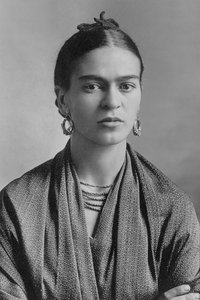
1907–1954, Мексико
Фрида Кало
Rano detinjstvo i porodično poreklo Koyoakan u Meksiko Sitiju predstavlja scenu na kojoj je 6. jula 1907. godine rođena Magdalena Carmen Frieda Kahlo y Calderón. Njen dom bio je mesto susreta različitih loza; njen otac, Guillermo Kahlo, bio je nemačko-meksički fotograf, dok je majka, Matilde, u sebi nosila mešavinu autohtonog američkog i španskog porekla.
Takođe i Фрида Кало
 Фрида Кало - `Две Фриде`1939
 Autorretrato sa ogrlicom žiletnih šiljaka i kolibrija
 Сломљена Колона1944
 Ranjen jelen1946
Eseji o delu Bodegón
 Mexican contemporary realist paintersGraciela Iturbide and Octavio Medellín define this era. Examine 10 artists, including works from 1938 and the life of Jorge Chávez Carrillo.
 Pain and Passion: The 25 Most Iconic Masterpieces by Frida Kahlo1939 saw the creation of The Two Fridas during her divorce from Diego Rivera. Compare the symbolism in this work against her 1944 self-port…
 The Bountiful Still Life: Symbolism & Artistic Representation of Fruit Across Art HistoryExplore the rich history of still life painting & the symbolism of fruit across art movements. Discover masterpieces from Caravaggio to Céz…