German Expressionism · 1914
Fighting Forms (Франц Марк, 1914)
Франц Марк (1880–1916) je napravio Fighting Forms. Datirano je iz 1914. Pripada pokretu German Expressionism. Izrađeno je u Oil On Canvas. Čuva se u muzeju Bayerische Staatsgemaldesammlungen u mestu Minhen, Nemačka. Dimenzije su 91 × 131 cm.
- 1914
- Oil On Canvas
- 91 × 131 cm
- Bayerische Staatsgemaldesammlungen, Minhen

 Pregledaj u prostoru

 Ručno oslikano uljanim bojama
 Pošalji
 Podeli
 Informativni list za štampu


 Preuzmi
 Slični predmeti
 Rendgenski snimak
 Automatska prezentacija
 Pitanja i odgovori

 Statistika
Fighting Forms, ukratko
- Naslov
- Fighting Forms
- Umetnik
- Франц Марк (1880–1916)
- Mesto rođenja umetnika
- Минхен, Немачка
- Datum
- 1914
- Tehnika
- Oil On Canvas
- Dimenzije
- 91 × 131 cm
- Gde se može videti
- Bayerische Staatsgemaldesammlungen, Minhen, Nemačka
- Pokret
- German Expressionism
- Tema
- expressionism, conflict, red, black, animals, anxiety
Šta prikazuje Fighting Forms?
A Symphony of Conflict: Unpacking the Power of Franz Marc’s *Fighting Forms*
Franz Marc's 1914 painting, *Fighting Forms*, isn’t merely a visual representation; it’s an intensely felt experience. Created during a period of escalating anxieties surrounding the impending First World War, this work embodies the core tenets of Expressionism – a movement dedicated to conveying subjective emotions and inner turmoil rather than objective reality. Marc, a founding member of Der Blaue Reiter, sought to capture not just what he saw, but how he *felt*, channeling his spiritual concerns into a language of vibrant color and dynamic form. The painting immediately confronts the viewer with a swirling vortex of red and black, hues that instinctively evoke danger, struggle, and perhaps even death. Yet, within this apparent chaos lies a profound sense of yearning – a desperate plea for understanding amidst the looming darkness.
- The Palette of Emotion: Marc’s masterful use of color is paramount. The dominant reds represent aggression, violence, and the destructive forces threatening to consume humanity. These fiery tones are juxtaposed with the darker blacks and browns, symbolizing the unknown, the unconscious, and the inevitable consequences of conflict.
- Animal as Symbol: As a lifelong devotee of the animal kingdom, Marc frequently employed them as symbolic figures in his work. While not explicitly depicted here, the forms themselves suggest a primal struggle – a dance between predator and prey, life and death. This connection to the natural world provides a grounding element within the painting’s emotional intensity.
Deconstructing Abstract Forms: A Language of Tension
The composition of *Fighting Forms* is deliberately abstract, eschewing realistic representation in favor of conveying raw emotion. The swirling shapes aren't meant to depict specific objects or figures; instead, they embody the very essence of conflict – a chaotic interplay of opposing forces. Marc’s brushwork is loose and gestural, emphasizing movement and energy over precise detail. Notice how the lines seem to vibrate with an almost palpable tension, mirroring the anxieties of the era. The painting feels less like a static image and more like a captured moment of intense emotional upheaval – a visual representation of a battle waged not just on the battlefield, but within the human psyche.
Technique & Materials: Executed in oil on canvas, Marc’s technique is characterized by bold strokes and an expressive application of paint. The layering of colors creates depth and dynamism, while the loose brushwork contributes to the painting's overall sense of movement and urgency.Historical Context: A Precursor to War
To fully appreciate *Fighting Forms*, it’s crucial to understand its creation within the context of 1914. Europe was teetering on the brink of war, and Marc, like many artists of his time, felt a deep sense of foreboding. His work reflects this anxiety – not through explicit depictions of warfare, but through an exploration of the underlying emotions that fueled it: fear, uncertainty, and the potential for destruction. *Fighting Forms* can be seen as a visual meditation on the fragility of peace and the ever-present threat of violence. It’s a poignant reminder of how art can serve as a powerful reflection of its time.
A Legacy of Emotional Resonance
Franz Marc's *Fighting Forms* remains a profoundly moving work of art, continuing to resonate with viewers over a century later. Its abstract forms and emotionally charged colors capture the anxieties of a turbulent era while simultaneously offering a glimpse into the artist’s deeply held spiritual beliefs. Reproductions of this powerful painting offer an opportunity to bring its intensity into any space, prompting contemplation on themes of conflict, spirituality, and the enduring human condition. Consider how the vibrant hues might transform a room – injecting it with a sense of urgency and introspection.
U kom muzeju se nalazi Fighting Forms?
Bayerische Staatsgemaldesammlungen
Minhen, Nemačka
Istorija Bayerische Staatsgemaldesammlungen Koreni Bayerische Staatsgemaldesammlungen duboko su ukorenjeni u 1799. godinu, kada je osnovana Centralgemäldegaleriedirektion. Smeštena u Minhenu, u srcu Nemačke, ova institucija je započela svoj put kao pažljivo odabrani prostor namenjen kraljevskim kolekcijama.


Slike visoke rezolucije za Fighting Forms

Франц Марк, Fighting Forms (1914).
Франц Марк (1880–1916), Fighting Forms, 1914, oil on canvas, Bayerische Staatsgemaldesammlungen, Minhen, Nemačka. Javno dobro. Slika: OriginalUniqueArt.com.
Odgovori na pitanja o Fighting Forms
Gde mogu videti originalno delo „Fighting Forms”, autor Франц Марк?
Originalno delo "Fighting Forms" možete videti u muzeju Bayerische Staatsgemaldesammlungen, Minhen, Nemačka.
U kojoj godini je nastalo "Fighting Forms"?
Delo „Fighting Forms”, autor Франц Марк datira iz 1914. godine.
Kojom tehnikom je izrađeno "Fighting Forms"?
Tehnika dela „Fighting Forms”, autor Франц Марк je Oil On Canvas. Reprodukcije imaju za cilj da dočaraju izgled ove tehnike.
Koje su dimenzije originalnog dela „Fighting Forms”, autor Франц Марк?
„Fighting Forms“ u svom izvornom obliku ima dimenzije 91 x 131 cm. Originalne dimenzije su koristan pokazatelj pri odabiru veličine reprodukcije.
Koje su teme prikazane u delu „Fighting Forms”, autor Франц Марк?
Teme prisutne u delu „Fighting Forms”, autor Франц Марк obuhvataju expressionism, conflict, red, black, animals, anxiety, war, forms, što zajedno sažima suštinu ovog umetničkog dela.
Da li se prikaz „Fighting Forms”, autor Франц Марк može slobodno reprodukovati?
Što se tiče autorskih prava, delo "Fighting Forms" je u javnom vlasništvu – autorska prava su istekla.
Kome se pripisuje delo "Fighting Forms"?
Delo "Fighting Forms" pripisuje se umetniku Франц Марк.
Koji umetnički pravac obuhvata „Fighting Forms”, autor Франц Марк?
„Fighting Forms“ je delo German Expressionism pokreta. Ovaj pokret označava umetničku tradiciju kojoj je delo pripada.
U kojoj periodi karijere umetnika Франц Марк pripada delo "Fighting Forms"?
"Fighting Forms" predstavlja Late Period umetnika Франц Марк.
O umetniku, Франц Марк

1880–1916, Немачка
Франц Марк
Rani život, porodica i obrazovanje Франц Марк je rođen u Minhenu, u Nemačkoj, u domaćinstvu gde je vizuelni jezik pejzaža već bio duboko ukorenjen. Njegov otac, Vilhelm Marc, radio je kao profesionalni pejzažista, pružajući mu direktan, mada ne uvek izvestan, uvod u mehanizme umetnosti. Ova porodična povezanost značila je da su alati zanata bili prisutni od samog početka, ali put kojim je išao Франц Марк nije bio jednostavna linija od nasleđa do platna. Pre nego što se posvetio životu slikara, proveo je vreme baveći se teologijom, u periodu duhovnog istraživanja koji će kasnije odrediti intenzitet njegovog vizuelnog stvaralaštva.
Takođe i Франц Марк
 Plavi konj I1911
 bez naslova (4325)
 Veliki plavi konji1911
 Тирол1914
Eseji o delu Fighting Forms
 The Visceral Language of Emotion: Exploring Representations of Intense Feeling in Art HistoryExplore the profound history of emotional representation in art. Discover how masters like Goya evoked feeling & the impact of affect theor…
 25 Masterpieces by Franz Marc: The Soul of German ExpressionismFranz Marc co-founded the Blue Rider movement in Munich. See 25 works including The Large Blue Horses and Tyrol from the era of Expressioni…
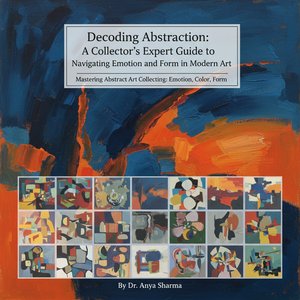 Beyond Representation: Decoding Emotion and Meaning in Modern Abstract ArtExplore the profound world of Abstract Expressionism with OriginalUniqueArt. Discover its history, emotional power & key artists like Pollo…