Geometric Abstraction · 1954
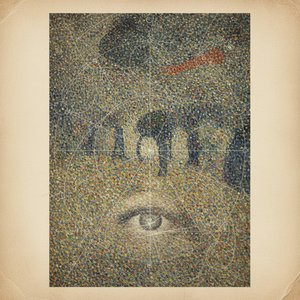
Study for the (Fernan Leže, 1954)
Fernan Leže (1881–1955) je napravio Study for the . Datirano je iz 1954. Pripada pokretu Geometric Abstraction. Izrađeno je u Acrylic On Canvas. Čuva se u muzeju Museu do Caramulo u mestu Caramulo, Portugal. Dimenzije su 38 × 44 cm.
- 1954
- Acrylic On Canvas
- 38 × 44 cm
- Museu do Caramulo

 Pregledaj u prostoru

 Ručno oslikano uljanim bojama
 Pošalji
 Podeli
 Informativni list


 Preuzmi
 Slični predmeti
 Rendgenski snimak
 Automatska prezentacija
 Pitanja i odgovori

 Statistika
Study for the , ukratko
- Naslov
- Study for the
- Umetnik
- Fernan Leže (1881–1955)
- Rođen/a u
- Аржантан, Француска
- Datum
- 1954
- Tehnika
- Acrylic On Canvas
- Dimenzije
- 38 × 44 cm
- Gde se može videti
- Museu do Caramulo, Caramulo, Portugal
- Pokret
- Geometric Abstraction
- Tema
- musical performance, geometric forms, modern landscape, instrument ensemble, urban scene, animal presence
Šta prikazuje Study for the ?
A Symphony of Form and Feeling: Exploring Fernand Léger’s “Study for Breakfast”
Fernand Léger's "Study for Breakfast," completed in 1954, transcends mere representation; it embodies the very spirit of Pointillism—a technique championed by Georges Seurat and embraced wholeheartedly by Léger as a means to convey dynamism and immediacy. This unassuming landscape isn’t simply depicted as it appears before our eyes; instead, Léger meticulously constructs it from countless tiny dots of pigment, creating an illusion of depth and texture that defies conventional painting methods. The resulting image pulsates with energy, mirroring the rhythms of daily life—a quiet morning scene rendered with astonishing precision. It's a masterful demonstration of how abstraction can serve as a conduit for emotion and observation simultaneously.- Style: Pointillism – Léger’s signature style prioritizes optical mixing over blending pigments on canvas, resulting in vibrant hues that shimmer and shift subtly under the light.
- Technique: Léger employed a painstaking process of applying dots of color—typically yellow, red, and blue—to build up layers of tonal variation. This method demanded immense patience and meticulous attention to detail, reflecting Léger’s unwavering commitment to his artistic vision.
Historical Context: Embracing Modernity Amidst Postwar Uncertainty
Created in the aftermath of World War II, “Study for Breakfast” speaks to a broader cultural preoccupation with rebuilding and redefining beauty after devastation. Léger’s stylistic choices—the geometric abstraction and the deliberate fragmentation of form—were deliberately antithetical to the prevailing artistic trends of his time, signaling a rejection of Impressionism's focus on fleeting sensations and an embrace of the machine age’s influence on visual perception. This bold stance positioned Léger as a pioneer of abstract expressionism, anticipating developments that would reshape the landscape of 20th-century art.Symbolic Resonance: The Quiet Power of Observation
Despite its apparent simplicity, “Study for Breakfast” is laden with symbolic significance. Léger’s use of dots—representing individual particles and conveying movement—suggests a fascination with scientific principles and an attempt to capture the underlying order of nature. The muted palette contributes to a mood of contemplative serenity, inviting viewers to contemplate the beauty found in everyday moments. It's a subtle reminder that even amidst turbulent times, art can offer solace and inspire wonder.Emotional Impact: Capturing Essence Through Precision
Ultimately, Léger’s “Study for Breakfast” succeeds in conveying an emotional resonance far exceeding its visual surface. The artist doesn’t aim to evoke sentimental feelings but rather to distill the essence of a scene—the feeling of warmth, light, and stillness—into a meticulously crafted composition. This achievement underscores Léger's profound understanding of how abstraction can communicate complex ideas and sensations with remarkable effectiveness. It remains an enduring testament to his artistic genius and a captivating example of Pointillist artistry.U kom muzeju se nalazi Study for the ?
Museu do Caramulo
Caramulo, Portugal
Simfonija čelične snage i ljudske duše Smešten u zelenim, talasastim brdima Serre do Caramulo u centralnoj Portugalziji, Museu do Caramulo se pojavljuje kao zadivljujući paradoks, utočište u kojem se preciznost mašinske inženjeringe susreće sa dubokom slojevitosti ljudske kreativnosti. Ovo nije samo riznica relikvija; to je živi dijalog između dva naizgled nepovezana sveta. Osnovan od strane vizionarske braće Abel i João de Lacerda, muzej stoji kao svedočanstvo zajedničke strasti koja je odbila da vidi granice između rikad motora i tihe gracioznosti poteza četkicom.


Slike visoke rezolucije za Study for the

Fernan Leže, Study for the (1954), Museu do Caramulo. Javno dobro.
Odgovori na pitanja o Study for the
Gde se danas može videti delo „Study for the”, autor Fernan Leže?
Originalno delo „Study for the”, autor Fernan Leže čuva se u muzeju Museu do Caramulo. Reprodukcija omogućava da se ovo umetničko delo izloži u vašem domu.
U kojoj godini je nastalo "Study for the"?
Delo „Study for the”, autor Fernan Leže datira iz 1954. godine.
U kojoj je tehnici izvedeno delo „Study for the”, autor Fernan Leže?
Tehnika dela „Study for the”, autor Fernan Leže je Acrylic On Canvas. Reprodukcije imaju za cilj da dočaraju izgled ove tehnike.
Koje su dimenzije originalnog dela „Study for the”, autor Fernan Leže?
„Study for the“ u svom izvornom obliku ima dimenzije 38 x 44 cm. Originalne dimenzije su koristan pokazatelj pri odabiru veličine reprodukcije.
Šta predstavlja delo "Study for the"?
Motivi dela "Study for the" su musical performance, geometric forms, modern landscape, instrument ensemble, urban scene, animal presence, domestic setting, pointillism technique.
Da li je "Study for the" slobodan od autorskih prava?
Status autorskih prava za „Study for the”, autor Fernan Leže: delo je u javnom vlasništvu – autorska prava su istekla. Ovo određuje da li se reprodukcije slike mogu slobodno izrađivati.
Ko je umetnik koji stoji iza dela "Study for the"?
Delo "Study for the" pripisuje se umetniku Fernan Leže.
Koji umetnički pravac obuhvata „Study for the”, autor Fernan Leže?
„Study for the”, autor Fernan Leže pripada pravcu Geometric Abstraction. Ovaj pravac pruža stilski kontekst dela.
U kojoj periodi karijere umetnika Fernan Leže pripada delo "Study for the"?
„Study for the“ pripada Mature Period u karijeri umetnika Fernan Leže. Ova klasifikacija povezuje delo sa razvojem samog umetnika.
O umetniku, Fernan Leže

1881–1955, Француска
Fernan Leže
Život Fermana Ležea Priča o umetniku pod imenom Фернан Леже počinje u selu Argentan, smeštenom u regiji Orn u Donjoj Normandiji. Na svet je došao 4. februara 1881. godine, kao jedini sin.
Takođe i Fernan Leže
 Град1919
 Механичар1920
 Три жене1921
 Нудес у Лесу1910

Eseji o delu Study for the
 Industrial Revolution on Canvas: 10 Artworks That Define a Modern AestheticExplore 10 iconic artworks capturing the Industrial Revolution’s grit & beauty. From Monet to Manet, discover realism, impressionism & powe…
 Georges Seurat: Pointillism, Perception & the Scientific Foundations of Modern ArtExplore the revolutionary art of Georges Seurat and the science behind Pointillism. Discover chromoluminarism, optical mixing, and the last…
 Mastering the Machine Age: The Top 25 Fernand Léger ArtworksImmerse yourself in the vibrant world of Fernand Léger. Explore 25 iconic masterpieces of Cubism and Tubism, from bold geometric forms to m…