Contemporary Realism · 1939
Bridle Path (Edvard Hoper, 1939)
Bridle Path je delo umetnika Edvard Hoper (1882–1967). Datirano je iz 1939. Pripada pokretu Contemporary Realism. Izrađeno je u Acrylic On Canvas. Dimenzije su 72 × 107 cm.
- 1939
- Acrylic On Canvas
- 72 × 107 cm

 Pregledaj u prostoru

 Ručno oslikano uljanim bojama
 Pošalji
 Podeli
 Vodič


 Preuzmi
 Slični predmeti
 Rendgenski snimak
 Automatska prezentacija
 Pitanja i odgovori

 Statistika
Bridle Path: the essentials
- Naslov
- Bridle Path
- Umetnik
- Edvard Hoper (1882–1967)
- Rođen/a u
- Njaki, SAD
- Datum
- 1939
- Tehnika
- Acrylic On Canvas
- Dimenzije
- 72 × 107 cm
- Pokret
- Contemporary Realism
- Period
- 19th Century
- Tema
- landscape, isolation, urban life, horseback riding, light & shadow, american scene
Looking at Bridle Path
Bridle Path: A Portrait of Quietude in Modern America
Edward Hopper’s “Bridle Path,” painted in 1939, stands as a quintessential emblem of American Realism—a genre that sought to depict the everyday realities of life with unflinching honesty and psychological depth. More than just a depiction of a horse ride through Central Park, it's a masterful exploration of solitude, isolation, and the subtle tensions inherent in urban existence, themes that resonate powerfully even today. The painting captures a moment frozen in time—a late afternoon scene bathed in diffused light—that speaks volumes about the human condition.- Subject Matter: The artwork portrays three riders on horseback traversing a rocky hillside leading to Central Park’s West 72nd Street entrance. A towering building dominates the background, emphasizing the scale of the urban landscape and highlighting the figures' vulnerability against its immensity.
- Style & Technique: Hopper employed his signature style—characterized by precise geometric forms, flattened perspective, and a deliberate use of light—to create an atmosphere of stillness and contemplation. The muted palette contributes to this mood, emphasizing shadows and creating a sense of unease despite the apparent tranquility of the scene.
- Historical Context: Created during the Great Depression, “Bridle Path” reflects the anxieties and uncertainties of the era while simultaneously capturing a moment of seemingly idyllic beauty. Hopper’s work aligns with the broader artistic movement of Realism, which rejected Romantic idealism in favor of portraying life as it truly is—often confronting uncomfortable truths about human experience.
Bridle Path in high resolution

Zaštićeno autorskim pravima: slika je prikazana samo u informativne svrhe.
More sizes, crops & citation →Edvard Hoper, Bridle Path (1939).
Questions about Bridle Path
Koliko je "Bridle Path" ukupno svetla?
U pogledu percepcije osvetljenosti, „Bridle Path”, autor Edvard Hoper je balanced.
Koliki je nivo kontrasta kod dela „Bridle Path”, autor Edvard Hoper?
Svetlo-tamni kontrast dela "Bridle Path" je označen kao Statement. Kontrast opisuje stepen razlike između svetlih i tamnih površina.
Mogu li da vidim rendgenski prikaz dela „Bridle Path”, autor Edvard Hoper?
Stranica Rentgensko posmatranje za delo „Bridle Path”, autor Edvard Hoper predstavlja interaktivni preglednik koji vam omogućava da istražite jedanaest optičkih slojeva slike dela, uključujući i prikaz u stilu rendgenskog snimka.
Gde mogu pronaći umetnička dela slična delu „Bridle Path”, autor Edvard Hoper?
Stranica Slična dela za delo „Bridle Path”, autor Edvard Hoper prikazuje srodna umetnička dela.
Koliko je popularno delo "Bridle Path" unutar pokreta Contemporary Realism?
„Bridle Path”, autor Edvard Hoper se klasifikuje kao Iconic i pripada pokretu Contemporary Realism.
O čemu se radi u delu "Bridle Path" i kakvu atmosferu odiše?
„Bridle Path”, autor Edvard Hoper spaja landscape, isolation, urban life, horseback riding, light & shadow, american scene, domesticity sa Calm atmosferom.
Koje su stvarne dimenzije dela „Bridle Path”, autor Edvard Hoper?
Dimenzije originalnog dela „Bridle Path”, autor Edvard Hoper su 107 x 72 cm.
Koja boja najviše dolazi do izražaja u delu "Bridle Path"?
Dominantna boja dela „Bridle Path”, autor Edvard Hoper je Espresso (#5b5042).
Za šta se preporučuje korišćenje printa dela "Bridle Path"?
Predložena upotreba za „Bridle Path”, autor Edvard Hoper je Accent. Može služiti i u druge svrhe.
About the artist, Edvard Hoper
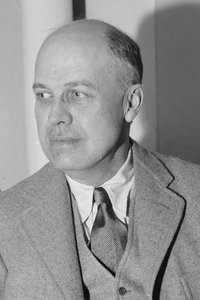
1882–1967, SAD
Edvard Hoper
Tišina američke scene Edvard Hoper je rođen u Njaku, Sjedinjene Američke Države. Svoje rane godine proveo je posmatrajući svet istodobnim i nepokolebljivim pogledom, navikom koja je počela još u detinjstvu kroz pedantno datirane i potpisane skice. Iako su njegovi roditelji sugerisali praktičniji put kroz komercijalnu ilustraciju, njegova pažnja ostala je usmerena ka visokoj umetnosti. Studirao je u Školi umetnosti u Njujorku kod Vilijama Merita Čejsa i Roberta Henrija.
Also by Edvard Hoper
 Nighthawks, Ноћњаци1942
 Automat (mali)
 Kuća pored železnice1925
 Њујоршки филм1939
Essays around Bridle Path
 Masterpieces of Solitude: The Top 25 Edward Hopper ArtworksImmerse yourself in the quiet mastery of American Realism. Explore our curated list of the top 25 Edward Hopper artworks, from Nighthawks t…
 American contemporary realist paintersAmerican contemporary realist painters like Edward Hopper define modern life. Explore the full collection online at OriginalUniqueArt.com.
 Albert Bierstadt: Luminosity, Landscape & the American IdealExplore the breathtaking landscapes of Albert Bierstadt, master of the American West & a leading figure in the Hudson River School. Discove…