Baroque · 1747
Erigone (Шарл Андре Ван Ло, 1747)
Шарл Андре Ван Ло (1705–1765) je napravio Erigone. Datirano je iz 1747. Pripada pokretu Baroque. Izrađeno je u Oil On Canvas. Čuva se u muzeju Musée d'art et d'archéologie de Laon u mestu Laon, France.
- 1747
- Oil On Canvas
- Musée d'art et d'archéologie de Laon

 Pregledaj u prostoru

 Ručno oslikano uljanim bojama
 Pošalji
 Podeli
 Informativni list


 Preuzmi
 Slični predmeti
 Rendgenski snimak
 Automatska prezentacija
 Pitanja i odgovori

 Statistika
Erigone, ukratko
- Naslov
- Erigone
- Umetnik
- Шарл Андре Ван Ло (1705–1765)
- Rođen/a u
- Ница, Француска
- Datum
- 1747
- Tehnika
- Oil On Canvas
- Gde se može videti
- Musée d'art et d'archéologie de Laon, Laon, France
- Pokret
- Baroque
- Period
- Early Modern
- Tema
- nude figure, mythology, baroque, landscape, fertility, abundance
Šta prikazuje Erigone?
Identification of Erigone by Charles-André van Loo
The scene unfolds around Erigone, a work painted by Charles-André van Loo. This oil on canvas captures a moment of quiet power within a lush, natural setting. The subject is a nude female figure, her form central to the composition. She exists amidst a landscape of heavy vines and ripening fruit, embodying themes of abundance and fertility. One wonders at the connection between her graceful presence and the overflowing life surrounding her.
Created about 1747, this piece reflects the artist's ability to breathe life into mythological subjects. Charles-André van Loo places the figure within a world where the organic shapes of foliage and grapes seem to pulse with growth. The soft light catches the contours of her skin, grounding the mythological figure in a tangible, breathing reality. It is a vision of nature's bounty, held in a delicate balance between the human form and the wild, spreading vines.
Composition and Visual Elements
The figure rests at the very heart of the scene, a central presence held in balance against a landscape that stretches out in a richly detailed backdrop. Curvilinear lines guide the eye, tracing the soft contours of the woman’s body and following the winding, natural paths of the vines and trees. Every shape feels organic; rounded forms dominate the scene, from the heavy clusters of fruit to the flowing folds of the drapery and the lushness of the surrounding foliage. There is a sense of life in these curves, as if the very plants are reaching toward the light.
A soft, diffused light bathes the entire composition, creating a gentle glow that settles upon the subject’s features and skin. This light does not strike harshly but seems to emanate from within the atmosphere itself. The perspective feels somewhat flattened, a characteristic that keeps the viewer close to the subject, even as the landscape recedes slightly into the distance. Depth emerges through the careful layering of elements in the background, where atmospheric perspective causes the distant trees to appear paler and less distinct, pulling the eye deeper into the greenery.
Technique and Artistic Style
The scene unfolds through a Baroque sensibility, where dramatic lighting casts a soft, diffused glow across the subject. This light dances over the figure, highlighting the contours of the skin and the delicate features of the face. Every curve of the woman’s body and the organic forms of the surrounding foliage are rendered with a sense of grace. The composition relies on curvilinear lines that guide the eye through the lush, detailed landscape. It feels as though the air itself is heavy with the scent of grapes and the stillness of the natural world.
Oil paints on canvas allow for a meticulous application of color. The artist employs seamless blending to transition between tones, creating a smooth texture on the draped fabric and the skin. There is a profound sense of realism achieved through the careful observation of anatomy and the intricate details of the vines. The brushwork is precise, capturing the weight of the fruit and the textured bark of the trees. While the figure remains central and idealized, the background recedes through atmospheric perspective, where distant trees appear paler and less distinct, adding a quiet depth to the setting.
Related Works by Charles-André van Loo
The artist's hand moves through various realms of myth and devotion. In 1729, he captures the weight of Trojan heroism in Aeneas Carrying Anchises. This work carries a different gravity than the intimate scenes found in his religious commissions. The Marriage of the Virgin remains preserved within the walls of the Louvre, while his 1738 painting Virgin and Child offers a moment of serene contemplation. These pieces reveal a capacity for both grand narrative and quiet, tender interaction.
The artist also explores the allure of the exotic through his 1747 work Sultane, housed in the Musée des Arts Décoratifs in Paris. Here, the focus shifts toward the luxurious textures of Ottoman-inspired attire. Such subjects highlight a fascination with the decorative splendor of the mid-18th century. Each piece reflects a specific facet of his ability to navigate between the heavy requirements of historical painting and the lighter, more playful sensibilities of the French court.
U kom muzeju se nalazi Erigone?
Musée d'art et d'archéologie de Laon
Laon, France
The Architecture of the Templar Commandery The Musée d'art et d'archéologie de Laon occupies the former Templar commandery, a site integrated into the medieval fabric of Laon. Since 1891, the institution has been housed within these stone walls, which include the Chapel Saint-Jean-Baptiste. This chapel, constructed around 1140, features an octagonal structure and a choir that represent the oldest portions of the site.


Slike visoke rezolucije za Erigone
Шарл Андре Ван Ло, Erigone (1747), Musée d'art et d'archéologie de Laon. Javno dobro.
Odgovori na pitanja o Erigone
U kom muzeju se čuva originalni "Erigone"?
Delo „Erigone”, autor Шарл Андре Ван Ло je izloženo u muzeju Musée d'art et d'archéologie de Laon, Laon, France. Navod o muzeju odnosi se na originalno delo, a ne na reprodukcije.
Kada je nastalo delo „Erigone”, autor Шарл Андре Ван Ло?
Delo „Erigone”, autor Шарл Андре Ван Ло datira iz 1747. godine.
Kojom tehnikom je urađeno „Erigone”, autor Шарл Андре Ван Ло?
Шарл Андре Ван Ло je koristio/la tehniku Oil On Canvas za delo "Erigone". Ova tehnika definiše materijalnu prirodu originalnog dela.
Koje su teme prikazane u delu „Erigone”, autor Шарл Андре Ван Ло?
Motivi dela "Erigone" su nude figure, mythology, baroque, landscape, fertility, abundance, classical art, grapevines.
Da li je delo „Erigone”, autor Шарл Андре Ван Ло u javnom vlasništvu?
Što se tiče autorskih prava, delo "Erigone" je u javnom vlasništvu – autorska prava su istekla.
Ko je autor dela "Erigone"?
Delo "Erigone" je kreirao/la Шарл Андре Ван Ло. Informacije na ovoj stranici opisuju originalno delo umetnika Шарл Андре Ван Ло.
Koji umetnički pravac pripada delu "Erigone"?
„Erigone”, autor Шарл Андре Ван Ло pripada pravcu Baroque. Ovaj pravac pruža stilski kontekst dela.
U kojoj periodi karijere umetnika Шарл Андре Ван Ло pripada delo "Erigone"?
U okviru karijere umetnika Шарл Андре Ван Ло, delo "Erigone" pripada periodu Mature Period, što omogućava poređenje sa drugim radovima ovog autora.
Koliko je godina imao/la Шарл Андре Ван Ло kada je stvorio/la "Erigone"?
Kada je delo "Erigone" nastalo 1747. godine, Шарл Андре Ван Ло – rođen/a 1705. godine – imao/la je 42 godina.
O umetniku, Шарл Андре Ван Ло
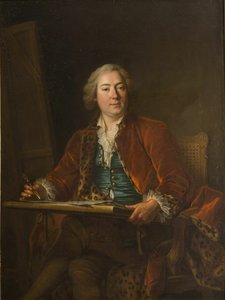
1705–1765, Француска
Шарл Андре Ван Ло
Rani Život i Obrazovanje Charlesa-Andréa van Looa Charles-André van Loo, rođen 15. februara 1705. godine u Nici, Francuska, bio je izuzetno talentovan slikar čiji je život obeležila elegancija, gracioznost i raskošni detalj karakteristični za Rokoko period. Poticao je iz ugledne holandske dinastije slikara; njegov otac, Louis-Abraham van Loo, i mlađi brat, Jean-Baptiste van Loo, bili su uspešni umetnici koji su snažno uticali na njegov rani razvoj.
O Шарл Андре Ван Ло Značajna dela umetnika Шарл Андре Ван Ло
Takođe i Шарл Андре Ван Ло
 Spanish Concert (Spanish Сonversation)1754
 Aeneas Carrying Anchises1729
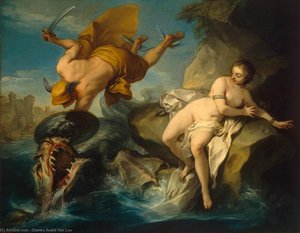 Perseus and Andromeda1735
 The sultana1747
Eseji o delu Erigone
 Charles-André van Loo: A Study in Rococo Portraiture & the French Court's Artistic DynamicsExplore the elegant world of Charles-André van Loo, a master of Rococo portraiture at the French court. Discover his life, techniques, and …
 Masterpieces of Line: The Top 25 Artworks by Jean-Auguste-Dominique IngresExplore 25 iconic works by Jean-Auguste-Dominique Ingres. Discover Neoclassical masterpieces and fine art on OriginalUniqueArt.com.
 Masterpieces of Rococo: The Top 25 François Boucher ArtworksExplore the top 25 masterpieces of François Boucher. Discover the essence of Rococo art. Explore the full collection online at OriginalUniq…