Romantic Industrialization · 1823
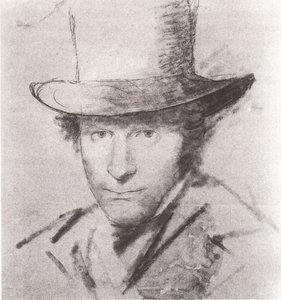
Self-Portrait (Карл Блехен, 1823)
Карл Блехен (1798–1840) je napravio Self-Portrait. Datirano je iz 1823. Pripada pokretu Romantic Industrialization. Izrađeno je u Acrylic. Čuva se u muzeju Nationalgalerie u mestu Berlin, Nemačka. Dimenzije su 26 × 20 cm.
- 1823
- Acrylic
- 26 × 20 cm
- Nationalgalerie, Berlin

 Pregledaj u prostoru

 Ručno oslikano uljanim bojama
 Pošalji
 Podeli
 Informativni list


 Preuzmi
 Slični predmeti
 Rendgenski snimak
 Automatska prezentacija
 Pitanja i odgovori

 Statistika
Self-Portrait, ukratko
- Naslov
- Self-Portrait
- Umetnik
- Карл Блехен (1798–1840)
- Rođen/a u
- Котбус, Немачка
- Datum
- 1823
- Tehnika
- Acrylic
- Dimenzije
- 26 × 20 cm
- Gde se može videti
- Nationalgalerie, Berlin, Nemačka
- Tema
- self-portrait, landscape painting, romanticism, german art, baroque style, artist’s vision
Šta prikazuje Self-Portrait?
A Visionary Encounter with Industry’s Dawn
- Subject Matter: This striking self-portrait by Carl Blechen captures a contemplative gaze directed downwards, presenting an image of intellectual introspection amidst the burgeoning industrial landscape. The artist's posture exudes seriousness and thoughtfulness—a deliberate contrast to the prevailing Romantic preoccupation with sublime landscapes.
- Style: Blechen’s work exemplifies the Romantic Industrialization movement, marking a pivotal shift away from traditional artistic conventions. While rooted in Romantic ideals of emotion and imagination, he simultaneously confronts the realities of industrial progress with unflinching honesty. The portrait eschews idealized beauty for a psychologically nuanced depiction.
- Technique: Executed in black and white lithograph printing, Blechen skillfully employs tonal gradation to convey depth and texture. Lithography, a relatively new technique at the time, allowed for precise reproductions of detail—a testament to Blechen’s artistic vision and his willingness to experiment with innovative methods.
- Historical Context: Created in 1823, this portrait emerged during a period of intense social and intellectual ferment. The Industrial Revolution was reshaping Europe, prompting artists like Blechen to grapple with questions of modernity, alienation, and the human condition. It reflects a broader artistic dialogue concerning how nature and humanity coexist within an evolving world.
- Symbolism: Beyond its formal representation, the self-portrait carries symbolic weight. The downward gaze suggests introspection and contemplation—a desire to reconcile Romantic idealism with the tangible pressures of industrial society. Furthermore, the suit symbolizes professionalism and social responsibility, mirroring Blechen’s own aspirations as he navigated his artistic career.
Lithograph Printing: A Revolutionary Medium
The choice of lithograph printing was particularly significant for Blechen's time. Unlike oil paints or watercolor—the dominant mediums of the Romantic era—lithography offered unparalleled precision and tonal control. Developed in France during the preceding decade, it allowed artists to achieve photographic realism without resorting to camera obscura techniques. This method ensured that Blechen’s portrait would retain its intricate detail and expressive atmosphere for generations to come.Romantic Industrialization: Bridging Imagination and Reality
Blechen's artistic trajectory represents a fascinating intersection between Romantic idealism and the burgeoning realities of industrialization. While acknowledging the sublime beauty of nature—a hallmark of Romantic art—he simultaneously recognized its vulnerability to encroachment by technological advancements. This duality is powerfully conveyed in his self-portrait, prompting viewers to consider the complexities inherent in reconciling aesthetic ideals with societal transformations.Emotional Resonance: A Portrait of Quiet Contemplation
Ultimately, Blechen’s self-portrait transcends mere visual representation; it communicates a profound emotional resonance. The artist's gaze—directed downwards—suggests a preoccupation with internal reflection and a yearning for understanding amidst the turbulent currents of his era. It invites contemplation on themes of identity, purpose, and the enduring human spirit—a timeless message that continues to captivate audiences today.U kom muzeju se nalazi Self-Portrait?
Nationalgalerie
Berlin, Nemačka
Istorija Nationalgalerie u Berlinu Nationalgalerie predstavlja ključni deo Muzeja države Berlin. Njene koreni duboko su ukorenjeni u kolekciju koja je prvobitno bila poznata kao Wagenersche und Nationalgalerie, čiji je temelj postavljen kao riznička za umetnost 19., 20. i 21.


Slike visoke rezolucije za Self-Portrait

Карл Блехен, Self-Portrait (1823), Nationalgalerie. Javno dobro.
Odgovori na pitanja o Self-Portrait
Gde se danas može videti delo „Self-Portrait”, autor Карл Блехен?
Originalno delo „Self-Portrait”, autor Карл Блехен čuva se u muzeju Nationalgalerie, Berlin, Nemačka. Reprodukcija omogućava da se ovo umetničko delo izloži u vašem domu.
Kada je nastalo delo „Self-Portrait”, autor Карл Блехен?
„Self-Portrait“ potiče iz 1823. Ovaj datum smešta delo u okviru karijere umetnika Карл Блехен i same ere.
Kojom tehnikom je izrađeno "Self-Portrait"?
Tehnika dela „Self-Portrait”, autor Карл Блехен je Acrylic. Reprodukcije imaju za cilj da dočaraju izgled ove tehnike.
Koje su stvarne dimenzije dela „Self-Portrait”, autor Карл Блехен?
Dimenzije originalnog dela „Self-Portrait”, autor Карл Блехен su 26 x 20 cm.
Šta predstavlja delo "Self-Portrait"?
Motivi dela "Self-Portrait" su self-portrait, landscape painting, romanticism, german art, baroque style, artist’s vision, psychological depth.
Da li se prikaz „Self-Portrait”, autor Карл Блехен može slobodno reprodukovati?
Što se tiče autorskih prava, delo "Self-Portrait" je u javnom vlasništvu – autorska prava su istekla.
Ko je umetnik koji stoji iza dela "Self-Portrait"?
Autor dela "Self-Portrait" je Карл Блехен. Delo je katalogizovano pod imenom Карл Блехен.
Koji umetnički pravac obuhvata „Self-Portrait”, autor Карл Блехен?
„Self-Portrait“ je delo Romantic Industrialization pokreta. Ovaj pokret označava umetničku tradiciju kojoj je delo pripada.
U kojoj periodi karijere umetnika Карл Блехен pripada delo "Self-Portrait"?
U okviru karijere umetnika Карл Блехен, delo "Self-Portrait" pripada periodu Early Romanticism, što omogućava poređenje sa drugim radovima ovog autora.
O umetniku, Карл Блехен
1798–1840, Немачка
Карл Блехен
Pionir Romantične Industrializacije: Život i Umjetnost Karla Blehena Karl Eduard Ferdinand Blehen, rođen u Kotbusu, Njemačka, 1798. godine, zauzima jedinstvenu i često zanemarenu poziciju unutar tradicije pejzažnog slikarstva. Njegov život bio je obilježen umjetničkom briljantnošću i ličnim nemirima, dualitet koji je duboko uticao na njegovu sugestivnu i inovativnu djela. Prvobitno osuđen na pragmatičnu karijeru u bankarstvu zbog finansijskih poteškoća porodice, Blehenova urođena umjetnička sklonost na kraju je prevladala.
Takođe i Карл Блехен
 Sanssouci Palace1830
 The Interior of the Palm House on the Pfaueninsel Near Potsdam1834
 Tarantella1830
 Afternoon on Capri1829
Eseji o delu Self-Portrait
 The Echo of Self: Reflectivity as a Core Theme in Art History & Contemporary PracticeExplore the rich history of self-representation in art, from Renaissance masters to modern innovators. Discover how artists use portraiture…
 The Inner Landscape: Exploring Themes of Introspection in Visual Art Across Movements & ErasExplore the captivating world of introspective art! Discover how artists across eras – from Rembrandt to Kahlo – used self-portraiture to r…
 Romantic Realism's Finest: 10 Masterpieces for Your Home | OriginalUniqueArtExplore 10 defining masterpieces of Romantic Realism! Discover Courbet, Millet & Daumier's powerful paintings—capturing emotion and social …