Fauvism · 1911
Vegetable fields (Аугуст Маке, 1911)
Аугуст Маке (1887–1914) je napravio Vegetable fields. Datirano je iz 1911. Pripada pokretu Fauvism. Izrađeno je u Oil On Canvas. Čuva se u muzeju Kunstmuseum Bonn u mestu Bon, Nemačka. Dimenzije su 47 × 64 cm.
- 1911
- Oil On Canvas
- 47 × 64 cm
- Kunstmuseum Bonn

 Pregledaj u prostoru

 Ručno oslikano uljanim bojama
 Pošalji
 Podeli
 Informativni list


 Preuzmi
 Slični predmeti
 Rendgenski snimak
 Automatska prezentacija
 Pitanja i odgovori

 Statistika
Vegetable fields, ukratko
- Naslov
- Vegetable fields
- Umetnik
- Аугуст Маке (1887–1914)
- Rođen/a u
- Мешеде, Немачка
- Datum
- 1911
- Tehnika
- Oil On Canvas
- Dimenzije
- 47 × 64 cm
- Gde se može videti
- Kunstmuseum Bonn, Bon, Nemačka
- Pokret
- Fauvism
- Tema
- rural landscape, haystacks, blue flowers, path, roads, color field
Šta prikazuje Vegetable fields?
August Macke’s ‘Vegetable Fields’: A Fauvist Echo of Rural Melancholy
This captivating oil painting, “Vegetable Fields,” created in 1911 by August Macke, offers a potent glimpse into the burgeoning world of German Expressionism. Measuring 47 x 64 cm, this work transcends a simple depiction of a rural landscape; it’s an intensely felt experience rendered through bold color and simplified forms – hallmarks of the Fauvist movement. Macke, tragically cut short by the First World War at just 27, was already producing art that resonated with a raw emotionality, anticipating the full force of Expressionism while still retaining traces of Impressionist influence.
- Subject Matter: The scene unfolds in a stylized countryside, dominated by haystacks, fields ablaze with blue flowers, and a prominent pathway leading the viewer’s eye into the distance. This isn't a meticulous rendering of reality; rather, it’s an interpretation filtered through Macke’s emotional lens.
- Style & Technique: The painting firmly embraces Fauvist principles – prioritizing color over precise representation. Thick impasto brushstrokes build texture and physicality onto the canvas, creating a vibrant, almost tactile surface. Lines are deliberately expressive, guiding the viewer's gaze and contributing to the overall sense of movement.
Decoding the Emotional Landscape
Macke’s use of color is particularly striking. The dominant blues and greens evoke a feeling of tranquility, yet they’re punctuated by jarring yellows and reds, creating an underlying tension. This deliberate dissonance reflects the anxieties and uncertainties of the era – a world on the cusp of profound change. The flattened perspective, prioritizing emotional impact over realistic spatial illusion, further intensifies this effect. It's as if Macke is inviting us to step into his subjective experience, rather than simply observing a landscape.
- Symbolism: The diverging paths in the distance are rich with symbolic potential, representing choices, journeys, or perhaps the fragmented nature of modern life. The isolated setting contributes to a sense of melancholy, hinting at themes of loneliness and contemplation.
- Historical Context: Created in 1911, “Vegetable Fields” sits squarely within the period of experimentation that preceded the full flowering of German Expressionism. Macke’s work foreshadowed the movement's emphasis on subjective emotion and distorted form, while still retaining a connection to earlier artistic traditions.
A Masterclass in Texture and Light
The painting’s technical brilliance lies not just in its color palette but also in Macke’s masterful manipulation of light and texture. The diffuse lighting suggests an overcast day, eliminating harsh shadows and contributing to the overall mood of quiet contemplation. The thick impasto technique – applying paint thickly to create a textured surface – is particularly evident in the haystacks and fields, adding a remarkable physicality to the composition. This deliberate roughness further emphasizes the emotional intensity of the work.
Collecting this Powerful Image
A hand-painted reproduction of “Vegetable Fields” offers an exceptional opportunity to bring this evocative artwork into your home or office. OriginalUniqueArt’s meticulous reproductions capture the essence of Macke's vision, faithfully recreating the painting’s vibrant colors and expressive brushwork. This piece is more than just a decoration; it’s a window into the soul of a brilliant artist and a poignant reflection on the human condition.
U kom muzeju se nalazi Vegetable fields?
Kunstmuseum Bonn
Bon, Nemačka
Svadilište ekspresije: Duša Kunstmuseum Bonn-a Smešten u istorijskom srcu Bona, grada u kojem odjekuju Beتovenovi kompozicije, nalazi se Kunstmuseum Bonn —duboko utočište za one koji traže sirovu, emotivnu snagu modernizma. Zakoračiti u ovu instituciju znači započeti putovanje kroz turbulentnu, ali prelepu psihu dvadesetog veka. Rođen iz potrebe da se ponovo izgrade ne samo zidovi, već i kulturni identitet tokom transformativne ere posleratne rekonstrukcije, muzej se od tada razvio u globalni svetionik reškog ekspresionizma .

Slike visoke rezolucije za Vegetable fields

Аугуст Маке, Vegetable fields (1911), Kunstmuseum Bonn. Javno dobro.
Odgovori na pitanja o Vegetable fields
Gde se danas može videti delo „Vegetable fields”, autor Аугуст Маке?
Originalno delo "Vegetable fields" možete videti u muzeju Kunstmuseum Bonn, Bon, Nemačka.
U kojoj godini je nastalo delo „Vegetable fields”, autor Аугуст Маке?
„Vegetable fields“ potiče iz 1911. Ovaj datum smešta delo u okviru karijere umetnika Аугуст Маке i same ere.
U kojoj je tehnici izvedeno delo „Vegetable fields”, autor Аугуст Маке?
Tehnika dela „Vegetable fields”, autor Аугуст Маке je Oil On Canvas. Reprodukcije imaju za cilj da dočaraju izgled ove tehnike.
Koje su stvarne dimenzije dela „Vegetable fields”, autor Аугуст Маке?
Dimenzije originalnog dela „Vegetable fields”, autor Аугуст Маке su 47 x 64 cm.
Šta prikazuje „Vegetable fields”, autor Аугуст Маке?
„Vegetable fields”, autor Аугуст Маке prikazuje: rural landscape, haystacks, blue flowers, path, roads, color field, expressionism, geometric forms.
Da li je "Vegetable fields" slobodan od autorskih prava?
Što se tiče autorskih prava, delo "Vegetable fields" je u javnom vlasništvu – autorska prava su istekla.
Kome se pripisuje delo "Vegetable fields"?
Autor dela "Vegetable fields" je Аугуст Маке. Delo je katalogizovano pod imenom Аугуст Маке.
Koji umetnički pravac obuhvata „Vegetable fields”, autor Аугуст Маке?
„Vegetable fields“ je delo Fauvism pokreta. Ovaj pokret označava umetničku tradiciju kojoj je delo pripada.
U kojoj periodi karijere umetnika Аугуст Маке pripada delo "Vegetable fields"?
"Vegetable fields" predstavlja Mature Period umetnika Аугуст Маке.
O umetniku, Аугуст Маке
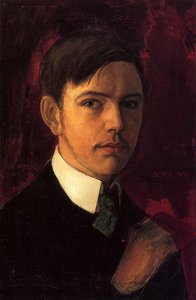
1887–1914, Немачка
Аугуст Маке
Prekinut život: Živopisni svet Augusta Mackea August Robert Ludwig Macke, ime koje je postalo sinonim za kratko, ali blistavo cvetanje nemačkog ekspresionizma, živeo je život koji je tragično prekinuo izboj Prvog svetskog rata. Rođen 1887. godine u Mešedeu, u Vestfaliji, njegov umetnički put bio je proces brze evolucije i strastvenog istraživanja, obeležen nezasitom radoznalošću za novim stilovima i dubokom žudnjom da dočara suštinu modernog iskustva. Mackein rani život obeležilo je preseljenje porodice u Bon, gde je stekao svoje početno obrazovanje i počeo da neguje svoj bujni talenat.
Takođe i Аугуст Маке
 Dame u zelenoj jakni1913
 Бањећи девојке са задњем планом1913
 The Hat Shop1913
 Portrait of the Artist's Wife with Hat1909

Eseji o delu Vegetable fields
 August Macke: Expressionist Visions of Harmony & Modern LifeExplore the vibrant Expressionist paintings of August Macke (1887-1914). Discover his key role in Der Blaue Reiter, Fauvist influences, and…
 Glavna dela ekspresionizma: 10 remek-dela koja su definisala umetnički pokretOtkrijte 10 remek-dela ekspresionizma! Uronite u svet Edvarda Muncha, Ernsta Ludwiga Kirchnera i drugih. Istaknute umetničke slike, intenzi…
 Brushes of Anguish: The Psychological Landscape of Emotional Distress in Post-Impressionist ArtExplore the profound psychological depth of Post-Impressionist masters. Discover how color and form mirror human emotion.