Baroque Art · 1604
Triptych (Анибале Карачи, 1604)
Анибале Карачи (1560–1609) je napravio Triptych. Datirano je iz 1604. Pripada pokretu Baroque Art. Čuva se u muzeju Galleria Nazional d Art Antica u mestu Рим, Италија. Dimenzije su 37 × 24 cm.
- 1604
- 37 × 24 cm
- Galleria Nazional d Art Antica, Рим

 Pregledaj u prostoru

 Ručno oslikano uljanim bojama
 Pošalji
 Podeli
 Informativni list za štampu


 Preuzmi
 Slični predmeti
 Rendgenski snimak
 Automatska prezentacija
 Pitanja i odgovori

 Statistika
Triptych, ukratko
- Naslov
- Triptych
- Umetnik
- Анибале Карачи (1560–1609)
- Mesto rođenja umetnika
- Болоња, Италија
- Datum
- 1604
- Dimenzije
- 37 × 24 cm
- Gde se može videti
- Galleria Nazional d Art Antica, Рим, Италија
- Pokret
- Baroque Art
- Tema
- triptych, annibale carracci, baroque, angels, allegory, copper
Šta prikazuje Triptych?
Annibale Carracci’s Triptych: A Baroque Masterpiece of Light, Faith, and Divine Order
Annibale Carracci's 1604 Triptych, currently housed within the Galleria Nazionale d'Arte Antica in Rome, stands as a pivotal example of the burgeoning Baroque style. More than simply a religious depiction, it’s a carefully orchestrated symphony of light, color, and symbolism—a testament to the artist’s mastery of composition and his deep understanding of both classical ideals and emerging emotional expression. This oil-on-copper painting, measuring 37 x 24 cm, invites viewers into a world where earthly beauty intertwines with divine grace, offering a profound meditation on faith, knowledge, and the very nature of existence.
Composition and Symbolism: A Dance of Allegory and Divine Presence
The triptych format itself is deeply rooted in religious tradition, allowing for a layered narrative to unfold. The central panel immediately draws the eye to an angelic figure, radiating serenity and holding aloft a book—a potent symbol of both Holy Scripture and the pursuit of divine knowledge. Surrounding this central emblem are cherubs, their youthful innocence adding a touch of ethereal joy to the scene. The left and right panels introduce allegorical figures engaged in distinct activities: one grasping a scroll or document, representing wisdom and law, while the other holds an object suggestive of power and authority. These flanking scenes aren’t merely decorative; they serve as crucial contextual elements, enriching the central theme with layers of meaning and inviting contemplation on the foundations of faith and governance.
Technique and Artistic Innovation: A Synthesis of Renaissance and Baroque
Carracci's skill is evident in every meticulously rendered detail. The use of light and shadow—a hallmark of Baroque art—is particularly striking, creating a dynamic sense of movement and emotion within the painted space. Notice how the light seems to emanate from an unseen source, illuminating the figures with a radiant glow while simultaneously casting deep shadows that heighten their three-dimensionality. The artist’s mastery extends beyond mere technique; he seamlessly blends elements of Florentine linear draftsmanship—inherited from his artistic lineage—with Venetian color and atmospheric effects, creating a unique style that revitalized Italian painting. The copper panel itself contributes to the work's luminosity, reflecting light in subtle ways that enhance its visual impact. The intricate details – the folds of the garments, the texture of hair, the play of light on skin – demonstrate an extraordinary level of observation and artistic control.
Historical Context and Artistic Legacy: A Bridge Between Eras
Annibale Carracci emerged from a vibrant artistic community in Bologna during the late 16th century, a period marked by a desire to move beyond the constraints of Mannerism. Alongside his brother Agostino and cousin Ludovico, he spearheaded the Accademia degli Incamminati, an institution dedicated to reviving High Renaissance ideals while embracing a more naturalistic approach. This ambitious project aimed to re-establish Italy as a leading force in European art. Carracci’s Triptych exemplifies this spirit of innovation, bridging the gap between the classical past and the emerging Baroque style. His work profoundly influenced subsequent generations of artists, shaping the course of Italian painting for decades to come, and continues to inspire awe and admiration today. As a masterpiece of Italian art, it stands as a powerful reminder of the enduring beauty and spiritual depth that can be achieved through masterful artistic skill.
Further Information: Explore more works by Annibale Carracci on OriginalUniqueArt.com, delve into the history of the Galleria Nazionale d'Arte Antica at OriginalUniqueArt.com, and discover other Baroque masterpieces such as Caravaggio’s *Crucifixion of Saint Peter* on WGA.hu.
U kom muzeju se nalazi Triptych?
Galleria Nazional d Art Antica
Рим, Италија
Поглед у Свршенство Имперске Грђе: Галерија Нацијал д’Арте Антика Улазак у Галерију Нацијал д’Арте Антика није само посета музеју; то је путовање кроз векове италијанског стваралаштва, непосредна веза са центром Рима. Заступљена у богатим палати Барберини и Палацо Корсини – простори који шепуту историјске барочне племенитости и аристократије – ова галерија нуди искуство које је беспрецедентно за својих врхунског типа. Галерија се одрекао ширих временских линија као многих музеја, уместо тога фокусирајући се на жива времена преко 1800.


Slike visoke rezolucije za Triptych

Анибале Карачи, Triptych (1604), Galleria Nazional d Art Antica. Javno dobro.
Odgovori na pitanja o Triptych
Gde mogu videti originalno delo „Triptych”, autor Анибале Карачи?
Originalno delo "Triptych" možete videti u muzeju Galleria Nazional d Art Antica, Рим, Италија.
U kojoj godini je nastalo delo „Triptych”, autor Анибале Карачи?
„Triptych“ potiče iz 1604. Ovaj datum smešta delo u okviru karijere umetnika Анибале Карачи i same ere.
Koje su stvarne dimenzije dela „Triptych”, autor Анибале Карачи?
Dimenzije dela „Triptych”, autor Анибале Карачи su 37 x 24 cm. Reprodukcije se mogu naručiti u drugim dimenzijama uz zadržavanje istih proporcija.
Šta predstavlja delo "Triptych"?
„Triptych”, autor Анибале Карачи prikazuje: triptych, annibale carracci, baroque, angels, allegory, copper, renaissance, rome.
Da li je delo „Triptych”, autor Анибале Карачи u javnom vlasništvu?
„Triptych”, autor Анибале Карачи pripada u javnom vlasništvu – autorska prava su istekla. Ovaj status određuje način na koji se slika dela može reprodukovati.
Kome se pripisuje delo "Triptych"?
Autor dela "Triptych" je Анибале Карачи. Delo je katalogizovano pod imenom Анибале Карачи.
Koji umetnički pravac pripada delu "Triptych"?
„Triptych”, autor Анибале Карачи pripada pravcu Baroque Art. Ovaj pravac pruža stilski kontekst dela.
U kojoj fazi stvaralaštva umetnika Анибале Карачи se nalazi delo "Triptych"?
U okviru karijere umetnika Анибале Карачи, delo "Triptych" pripada periodu Baroque Maturity, što omogućava poređenje sa drugim radovima ovog autora.
Koliko je godina imao/la Анибале Карачи kada je stvorio/la "Triptych"?
Kada je delo "Triptych" nastalo 1604. godine, Анибале Карачи – rođen/a 1560. godine – imao/la je 44 godina.
O umetniku, Анибале Карачи
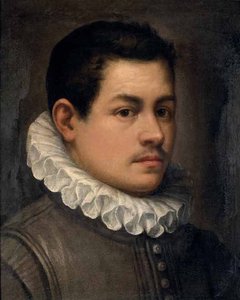
1560–1609, Италија
Анибале Карачи
Rani Život i Bolognski Koreni Anibal Karaci, rođen u Bolonji 3. novembra 1560. godine, poticao je iz porodice duboko ukorenjene u umetničkoj tradiciji. Njegovo rano obrazovanje verovatno se odvijalo u negujućem okruženju porodične radionice, postavljajući temelje za karijeru koja će produbno promeniti pejzaž italijanskog slikarstva.
O umetniku Анибале Карачи Istaknuta dela umetnika Анибале Карачи
Takođe i Анибале Карачи
 Sunce grašari
 Heraklov izbor
 Анибале Караћи
Избор Херкула: Мајсторско дело Барокне драме
167 x 273 cm
Избор Херкула
15961596
 Плавајућа Панорама1589
Eseji o delu Triptych
 The Architecture of Divinity: Tracing the Evolution of Angelic Iconography in Renaissance ArtExplore the evolution of angelic iconography from early Christian art to the Baroque. Trace the divine history with our expert analysis.
 25 Masterpieces by Sir Anthony van Dyck: The King of Baroque PortraitureStep into the elegance of the Baroque era with our curated guide to Sir Anthony van Dyck's top 25 masterpieces. Explore royal portraits and…
 Caravaggism and Bolognese Classicism: Two Paths of the BaroqueMaster the differences between Caravaggism and Bolognese Classicism. Explore the dramatic tension of the Baroque era now.