- Početna strana

- Reprodukcija uljane slike
- Aldo Andreani
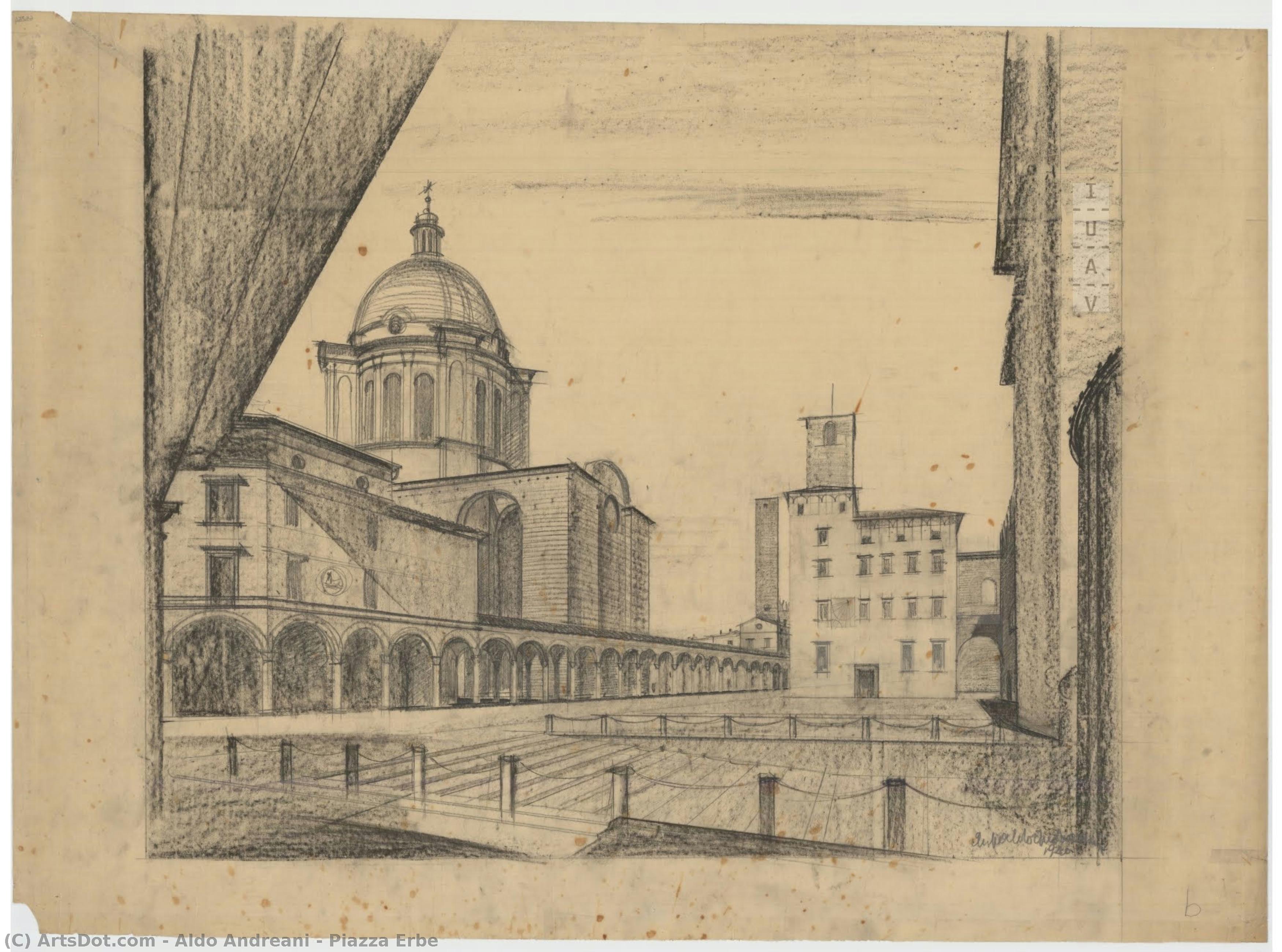
- Piazza Erbe
 Kupi štampu Kupi digitalnu sliku
 Pošalji
 Podeli
 Detalji o delu
 Dodaj u omiljene

 Преузми
 Slični predmeti
 Rendgenski snimak
 Slajdovi
Piazza Erbe

 Pročitaj više
Ručno rađena uljana reprodukcija
Ručno oslikano uljanim bojama na platnu u dimenzijama i okviru po vašem izboru, izrađeno po porudžbini od strane naših umetnika.




































Izaberite jednu od naših unapred definisanih veličina koje odgovaraju originalnim proporcijama umetničkog dela.

Можете унети сопствене димензије како бисте прилагодили дело одређеном оквиру или простору. Ако одабрана величина не одговара пропорцијама оригинала, слика ће бити исечена или проширена додатним елементима који се ручно насликавају. Дигитални prikaz ће вам бити послат на одобрење пре почетка производње.
Имајте на уму да преглед на екрану не одражава стварно исецање или проширење. Само приказ (mockup) ће тачно приказати коначну композицију.
Иако су доступне прилагођене величине, препоручујемо да одаберете димензију из дефинисане листе како бисте сачували оригиналне пропорције.
Nakon narudžbine, tim OriginalUniqueArt.com će klijentu putem e-pošte poslati uputstva i dostaviti prikaz predloženog rešenja
Isporuka širom sveta () za 3/4 nedelje umesto uobičajenih 5 nedelja. (18 јул). Bez kompromisa po pitanju kvaliteta.

Besplatna ekspresna dostava širom sveta

Visokokvalitetno laneno platno

Kompletno osiguranje transporta

Garancija povraćaja carine i uvoznih dažbina

Garancija vernosti boja

Politika povrata u roku od 60 dana (samo u slučaju nedostataka)

Garancija povrata novca od 100%

Popust pri grupnoj kupovini
 Opcija sa staklom dostupna je samo za dimenzije manje od 110 cm

Piazza Erbe
Tehnika reprodukcije
Dimenzije reprodukcije
-


Konačna cena
-
Opis umetničkog dela
Biografija umetnika
Aldo Andreani: Bridging Renaissance Legacy and Fascist Vision
Aldo Andreani (August 1, 1887 in Mantua – October 18, 1971 in Milano) stands as a pivotal figure in Italian architectural history of the early 20th century. He wasn’t merely an architect; he was a sculptor deeply rooted in classical ideals yet powerfully shaped by the aesthetic sensibilities of Fascist Italy. His career spanned decades, leaving an indelible mark on Milanese urban landscape and solidifying his reputation as one of the era's most prolific and influential artists. ### Early Life & Artistic Training Born in Mantua, Andreani’s formative years instilled a profound appreciation for Renaissance art and architecture – influences that would permeate his entire artistic trajectory. He pursued formal training at the San Luca Academy in Rome, honing his skills in drawing and modeling before graduating from the Milan Polytechnic under the tutelage of Gaetano Moretti. This foundational education established him firmly within the tradition of Italian Beaux Arts, prioritizing harmony, proportion, and meticulous craftsmanship. Notably, he began attending the first special course in sculpture at the Brera Academy in Milan in 1927, where he encountered the transformative influence of Adolph Wildt’s sculptural approach – a deliberate move away from purely decorative forms toward monumental works imbued with expressive power. ### Sculptural Achievements & Fascist Patronage Andreani quickly distinguished himself as a sculptor, producing an impressive array of portraits and religious commissions alongside larger-scale projects. His work embraced both classical modeling techniques and the bold experimentation championed by Wildt, reflecting the broader artistic currents of his time. However, Andreani’s career gained considerable prominence during the Fascist regime (1925-1943), serving as architectural decoration for monumental buildings commissioned by Mussolini. He skillfully blended Renaissance models with Fascist symbolism – a conscious effort to convey grandeur and national pride through sculptural reliefs and architectural designs. His contribution to Palazzo della Ragione exemplifies this fusion, demonstrating his ability to translate ideological imperatives into aesthetically compelling artistic expressions. ### Architectural Legacy & Notable Projects Andreani’s architectural output solidified his position as one of Milan's leading architects. He undertook numerous commissions ranging from residential buildings to civic spaces, consistently prioritizing structural integrity and elegant detailing. Among his most enduring achievements is Palazzo della Ragione – a monumental courthouse that embodies Andreani’s commitment to classical principles while incorporating innovative engineering solutions. The meticulous planning and sculptural embellishments of this building stand as testament to his artistic vision and technical prowess. Furthermore, he undertook the restauration project on the street Giustiziati, demonstrating his dedication to preserving Milanese heritage. ### Influence & Historical Significance Aldo Andreani’s work represents a crucial juncture in Italian art history—a synthesis of Renaissance erudition and Fascist ambition. He helped shape the visual culture of his era, leaving behind a legacy of buildings and sculptures that continue to inspire admiration for their beauty and craftsmanship. His exploration of monumental sculpture alongside architectural design cemented his place as an artist who successfully navigated the complexities of stylistic change while upholding enduring artistic values. Andreani’s contribution to Milanese art and architecture remains significant today, offering valuable insight into the cultural landscape of 20th-century Italy.
Aldo Andreani
1887 - 1971 , Italy
Osnovne informacije
- Artistic Movement Or Style: Renaissance architecture & Fascist art
- Artists Who Influenced This Artist:
- Gaetano Moretti
- Adolph Wildt
- Date Of Birth: August 1, 1887
- Date Of Death: October 18, 1971
- Full Name: Aldo Andreani
- Nationality: Italian
- Notable Artworks:
- Palazzo della Ragione
- Prospectus of restauration on the street Giustiziati
- Place Of Birth: Mantua, Italy

