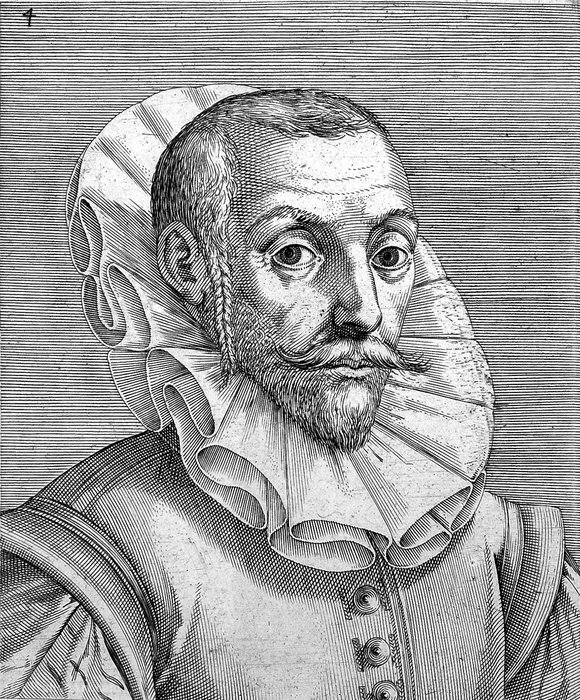
Portret Philip Galle

15 najpoznatijih slika umetnika Philip Galle, svaka potpuno jedinstvena

Ažurirano: октобар 2026 · rangirano prema našem koeficijentu popularnosti (pretrage, posete i porudžbine za svako delo) · 17 dela Philip Galle u našem katalogu

Ukratko

A Painter's Workshop (1595) je slika autora Philip Galle koja privlači najviše pažnje; original se nalazi u muzeju Rijksmuseum, Amsterdam. Nakon toga, pogled se seli na The Alchemist (1558) i The Unhappy Lot of the Rich (1563). Među 17 dela umetnika Philip Galle u našem katalogu, ovih 15 su najpoznatija, od kojih je svako jedinstveni original predstavljen sa godinom nastanka, muzejom i razlogom zbog kojeg je i danas neprocenjivo.

1537 – 1612, Haarlem Najviše dela: Rijksmuseum

Top 10 slika umetnika Philip Galle, iz ugla galerije

1
A Painter's Workshop (1595) čiji je Philip Galle

A Painter's Workshop

1595 · Engraving · Rijksmuseum, Amsterdam

The engraving depicts a workspace filled with the tools and figures of late sixteenth-century artistic production. In the center of the composition, several individuals engage in the physical labor of creation. Two figures in the foreground work upon a large canvas; one holds a palette while the other applies pigment to the surface. To their right, a seated figure remains focused on a smaller work positioned on an easel. In…

2
The Alchemist (1558) čiji je Philip Galle

The Alchemist

1558 · Engraving · Metropoliten музеј у Њујорку, Њујорк

We find ourselves before The Alchemist, an engraving produced by Philip Galle in 1558. This work offers a window into the intellectual pursuits of the sixteenth century, specifically focusing on the complex subject of alchemy. It is a quiet study of the era's fascination with the transformative properties of matter.

3
The Unhappy Lot of the Rich (1563) čiji je Philip Galle

The Unhappy Lot of the Rich

1563 · Engraving · Rijksmuseum, Amsterdam

The scene unfolds within the intricate lines of The Unhappy Lot of the Rich, an allegorical engraving that captures a moment of profound moral tension. Philip Galle, the Dutch publisher and designer, breathes life into this composition through his meticulous hand. He translates complex ideas into a visual language of shadow and light, ensuring the message reaches the viewer with clarity and weight. The work exists as a carefully constructed…

4
An Angel Appears to St Philip (1575) čiji je Philip Galle

An Angel Appears to St Philip

1575 · Engraving · Graphische Sammlung Albertina, Beč

An Angel Appears to St Philip is an engraving by the Dutch artist Philip Galle. The work emerged around 1575, a period when the artist was active in the Low Countries. Galle, who was born in Haarlem in 1537, spent his life navigating the shifting currents of the sixteenth century. He remained a significant figure in the printmaking tradition until his death in March 1612.

Čuvena dela umetnika Philip Galle, od 11 do 15

Motivi koji su privlačili pažnju Philip Galle

Četiri teme koje se najčešće ponavljaju u ovim originalima, svaka sa svojim vrhunskim primerom.

Muzeji u kojima se čuvaju originalna dela umetnika Philip Galle

3 muzeja u kojima se nalazi najviše slika sa ove stranice.

Muzej Grad Radovi umetnika Philip Galle Slike iz ovog spiska
Rijksmuseum, AmsterdamRijksmuseum Amsterdam 2 A Painter's Workshop, The Unhappy Lot of the Rich
Metropoliten музеј у Њујорку, ЊујоркMetropoliten музеј у Њујорку Њујорк 1 The Alchemist
Graphische Sammlung Albertina, BečGraphische Sammlung Albertina Beč 1 An Angel Appears to St Philip

Philip Galle kroz decenije: jedan jedinstveni original za svaku

Radovi po decenijama

Izaberite deceniju da biste videli original koji je definiše.

Slike umetnika Philip Galle: pitanja za galeriju

Koje je najpoznatije delo umetnika Philip Galle?Otkrij odgovor

A Painter's Workshop (1595), Rijksmuseum, Amsterdam. Slede The Alchemist (1558) i The Unhappy Lot of the Rich (1563).

U kojoj je godini Philip Galle stvorio/la A Painter's Workshop?Otkrij odgovor

58 godina: A Painter's Workshop datira iz 1595, a Philip Galle je rođen/a 1537.

Koji je deset najpoznatijih slika autora Philip Galle?Otkrij odgovor

A Painter's Workshop, The Alchemist, The Unhappy Lot of the Rich, An Angel Appears to St Philip, Portrait from Variae comarum et bararum formae, Distillatio, Acis, Garga, Ambracia i Amphitrite. Gornji rang pokazuje godinu i muzej za svako od njih.

Koliko je poznatih dela umetnika Philip Galle?Otkrij odgovor

Naš katalog sadrži 17 dela umetnika Philip Galle, datiranih od 1558 do 1595.

Gde se mogu videti najpoznatiji originali umetnika Philip Galle?Otkrij odgovor

Većinom u Rijksmuseum (Amsterdam), Metropoliten музеј у Њујорку (Њујорк) i Graphische Sammlung Albertina (Beč). Tabela muzeja iznad sadrži njih sve.

Ko je najraniji, a koje je najkasnije čuveno delo umetnika Philip Galle?Otkrij odgovor

Na ovoj stranici, najstarije delo je iz The Alchemist (1558), a najnovije iz A Painter's Workshop (1595).

Koje su teme Philip Galle preferirao/la?Otkrij odgovor

Books (3), People (2) i Allegory (2), kroz svih 15 dela na ovoj stranici.

Sa kojim materijalima je Philip Galle najčešće slikao?Otkrij odgovor

Engraving, za 4 od 15 dela na ovoj stranici.

Koja originalna dela Philip Galle mogu videti u Rijksmuseum?Otkrij odgovor

A Painter's Workshop i The Unhappy Lot of the Rich: Rijksmuseum, Amsterdam čuva 2 dela sa ove stranice.

Philip Galle: portret umetnika

The Sculptor of Sorrow and Wealth

Philip Galle, a Dutch Renaissance master born in Haarlem around 1537, stands as a pivotal figure in the history of engraving and Northern Mannerism. While his biographical details remain somewhat sparse compared to contemporaries like Rembrandt or Rubens, Galle’s prolific output—primarily consisting of meticulously crafted engravings—established him as one of the foremost reproductive artists of his era, shaping artistic tastes across Europe. His legacy resides not merely in quantity but in quality: Galle's prints possessed a remarkable ability to convey complex narratives and psychological depth, reflecting the profound anxieties and aspirations of the sixteenth century.

The formative years of Galle’s life were deeply intertwined with the burgeoning artistic movements of the Low Countries. It is widely believed that he apprenticed under Pieter Bruegel the Elder, arguably the most influential painter of his time. Through this mentorship, Galle absorbed a distinctive style characterized by earthy landscapes, symbolic imagery, and a preoccupation with moral themes. This connection to Bruegel cemented Galle’s commitment to Northern Mannerism, an artistic movement that prioritized intellectual rigor and emotional intensity over idealized beauty. Unlike the High Renaissance focus on classical perfection, Galle embraced the Mannerist tendency to distort perspective and employ unsettling compositions to express profound psychological states.

A Revolution in Printmaking

Galle’s true renown stems from his establishment of a workshop that revolutionized the dissemination of art. Recognizing the potential for printmaking to reach audiences far beyond the confines of aristocratic patronage, Galle pioneered the technique of the "afterprint." This meticulous process involved transferring the compositions of masters like Titian and Raphael onto copper plates, allowing for the production of hundreds of identical, high-quality impressions. This innovation dramatically broadened the reach of Renaissance aesthetics, making complex religious and mythological imagery accessible to a growing middle class.

His workshop became a crucible of creativity where technical precision met allegorical depth. His works often explored the duality of human existence, oscillating between the divine and the terrestrial. Notable examples of his mastery include:

  • The Three Fates: A stunning exploration of Greek mythology, where Galle utilizes detailed figures and atmospheric landscapes to weave a tale of destiny and inevitability.
  • The Adoration of the Shepherds: A masterpiece that showcases his ability to handle biblical drama through the lens of Northern Mannerism, utilizing intricate detail to evoke a sense of sacred awe.
  • The Unhappy Lot of the Rich: A profound allegorical engraving that delves into themes of morality and the fleeting nature of material wealth, employing chiaroscuro to heighten the dramatic tension of the scene.

Legacy and Historical Significance

As a master of reproduction, Philip Galle did more than simply copy existing works; he reinterpreted them for a new era. His ability to translate the painterly nuances of the Renaissance into the sharp, linear language of engraving helped define the visual vocabulary of the late sixteenth century. Through his workshop, the intellectual currents of the Northern Renaissance were preserved and propagated across borders.

Galle’s historical significance lies in his role as a bridge between the monumental painting traditions of the past and the burgeoning print culture of the future. By blending the heavy symbolism of Bruegel with the technical sophistication of Mannerist engraving, he created a body of work that continues to captivate viewers with its exploration of wealth, sorrow, and the human condition. His life's work remains a testament to the power of the printed image to carry the weight of history, morality, and the eternal struggle of the soul.