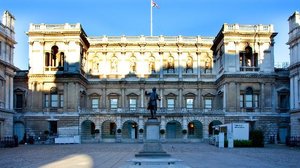
Portret Anđelika Kaufman

Slike umetnika Anđelika Kaufman: Najpoznatijih 100 kroz oči galerije

Ažurirano: октобар 2026 · rangirano prema našem koeficijentu popularnosti (pretrage, posete i porudžbine za svako delo) · 199 dela Anđelika Kaufman u našem katalogu

Ukratko

Za ljubitelje galerije, najpoznatije delo umetnika Anđelika Kaufman je Diana and Her Nymphs Bathing (1778), čiji se original nalazi u muzeju Art Gallery of South Australia, Adelaide. Johann Wolfgang von Goethe (1775) i Cornelia Africana (1785) čine triju koju svako oko prepoznaje. Od 199 dela umetnika Anđelika Kaufman u našem katalogu, galerija u nastavku predstavlja 100 najpoznatijih dela, od kojih je svako originalno, sa navedenom godinom nastanka, muzejom i onim što ga čini jedinstvenim.

1741 – 1807, Хур Neoclassical style Najviše dela: Saltram House

Top 10 slika umetnika Anđelika Kaufman u galeriji

1
Diana and Her Nymphs Bathing (1778) čiji je Anđelika Kaufman

Diana and Her Nymphs Bathing

1778 · Oil · Art Gallery of South Australia, Adelaide

In 1778, Angelica Kauffmann captured a moment of quietude in Diana and Her Nymphs Bathing. The canvas presents the goddess Diana alongside her nymphs as they gather by a pool. They exist within a secluded landscape, a forest setting where the water meets the earth. This Neoclassical work focuses on the figures as they interact with the natural world, some seated in conversation and others dipping feet into the cool…

2
Johann Wolfgang von Goethe (1775) čiji je Anđelika Kaufman

Johann Wolfgang von Goethe

1775 · Oil On Canvas

In this 1775 portrait, Angelica Kauffmann captures the likeness of Johann Wolfgang von Goethe. The subject sits with a heavy, steady gaze that meets the viewer directly. He is a man of profound intellect, a pillar of the Western canon, rendered here with a quiet, serious gravity. His presence fills the frame, suggesting a mind occupied by the weight of thought and the pursuit of truth.

3
Cornelia Africana (1785) čiji je Anđelika Kaufman

Cornelia Africana

1785 · Oil

In the realm of Neoclassical mastery, few works capture the serene dignity of antiquity as poignantly as Cornelia Africana. Painted in 1785 by the illustrious Angelica Kauffmann (Maria Anna Angelika), this masterpiece serves as a profound window into the values of the eighteenth century. The scene unfolds with a breathtaking sense of order and harmony, characteristic of the Neoclassical movement, where simplicity and balance reign supreme. At the heart of…

4
Portrait of Michał Kazimierz Ogiński. (1790) čiji je Anđelika Kaufman

Portrait of Michał Kazimierz Ogiński.

1790 · Oil On Canvas · Nacionalni muzej u Varšavi, Varšava

Michał Kazimierz Ogiński is presented in a three-quarter length pose, his gaze meeting the observer with a steady, direct intensity. The composition relies on a sharp contrast between the dark, indeterminate background and the luminous details of his attire. A bright white cravat and the brilliant blue of his sash draw the eye toward the center of the frame, while red jacket lapels provide a singular puncture of color against…

5
Sybille (1781) čiji je Anđelika Kaufman

Sybille

1781 · Oil On Canvas · Staatliche Kunstsammlungen Dresden, Drezden

The gaze of the subject meets the viewer in Sybille, a portrait painted by Angelica Kauffmann in 1781. This work captures a woman appearing as a sibyl, a figure of prophecy and ancient wisdom. She exists within a quiet, contemplative space that suggests a moment of deep reflection or perhaps a vision just beginning to take shape. The presence of the woman is immediate, pulling the observer into her private,…

6
Sir Joshua Reynolds PRA (1723-1792) (1767) čiji je Anđelika Kaufman

Sir Joshua Reynolds PRA (1723-1792)

1767 · Oil · Saltram House, Plymouth

In this 1767 oil portrait, we find ourselves in the quiet, scholarly atmosphere of an eighteenth-century study. The subject, Sir Joshua Reynolds, is captured in a moment of steady contemplation, leaning slightly against a desk cluttered with the tools of a life dedicated to thought. The composition is intimate, a medium close-up that draws the viewer into his personal space. A soft, directional light enters from the upper left, carving…

7
Portrait of Lady Louisa Leveson-Gower (1749/50-1827), later Baroness Macdonald, as Spes (1767) čiji je Anđelika Kaufman

Portrait of Lady Louisa Leveson-Gower (1749/50-1827), later Baroness Macdonald, as Spes

1767 · Oil On Canvas · Städel Museum, Frankfurt

Lady Louisa Leveson-Gower is presented here not merely as a noblewoman, but as the mythological figure Spes. Seated in a three-quarter length pose, she gazes toward the viewer with a quiet, melancholic elegance. The composition relies on a soft, luminous technique to define the pale blue and white of her gown, which contrasts against the deep, atmospheric shadows of the background. A heavy, ochre drapery falls over her shoulder, adding…

8
Woman in Turkish Dress (1767) čiji je Anđelika Kaufman

Woman in Turkish Dress

1767 · Oil On Canvas · Saint Louis Art Museum, Sent Luis

Angelica Kauffmann painted Woman in Turkish Dress in 1767. This oil on canvas captures an unknown woman draped in stylized Turkish attire. The subject wears a loose gown trimmed with white lace, a fitted salmon-colored garment, and an outer coat of plum-colored velvet. She turns her head slightly away, her gaze directed elsewhere.

9
Portrait of John Simpson (1777) čiji je Anđelika Kaufman

Portrait of John Simpson

1777 · Oil On Canvas · National Portrait Gallery, London

The Portrait of John Simpson is a significant oil on canvas work by the artist Angelica Kauffmann. Created in 1777, this portrait captures a specific moment of social standing and personal character. The subject, John Simpson, is presented with a quiet dignity that reflects the formal portraiture traditions of the late eighteenth century.

10
Sir James Hall of Dunglass, 1761 - 1832. Geologist (1785) čiji je Anđelika Kaufman

Sir James Hall of Dunglass, 1761 - 1832. Geologist

1785 · Oil On Canvas · Scottish National Portrait Gallery, Edinburg

This portrait, titled Sir James Hall of Dunglass, 1761 - 1832. Geologist, was painted by the Swiss artist Angelica Kauffmann in 1785. It captures the likeness of Sir James Hall, 4th Baronet, during a period of significant scientific inquiry. The work was executed in Rome, a setting that reflects the international connections of both the sitter and the artist at the time.

Slike umetnika Anđelika Kaufman, rangirane od 11 do 100

11Portrait of Helena Męcińska née Stadnicka as a Roman Vestal. (1791) čiji je Anđelika KaufmanPortrait of Helena Męcińska née Stadnicka as a Roman Vestal.1791 · Nacionalni muzej u Varšavi 12Ludwig I of Bavaria as Crown Prince (1807) čiji je Anđelika KaufmanLudwig I of Bavaria as Crown Prince1807 · Bavarske državne slikopisne kolekcije 13Joseph Johann Graf Fries (1787) čiji je Anđelika KaufmanJoseph Johann Graf Fries1787 · Wien Museum 14Portrait of the Impromptu Virtuoso Teresa Bandettini-Landucci of Lucca (1794) čiji je Anđelika KaufmanPortrait of the Impromptu Virtuoso Teresa Bandettini-Landucci of Lucca1794 · Kunstpalast 15The Judgement of Paris (1781) čiji je Anđelika KaufmanThe Judgement of Paris1781 16Portrait of a woman, traditionally identified as Lady Hervey (1770) čiji je Anđelika KaufmanPortrait of a woman, traditionally identified as Lady Hervey1770 · Yale Center for British Art 17Portrait of Wojciech Męciński. (1800) čiji je Anđelika KaufmanPortrait of Wojciech Męciński.1800 · Nacionalni muzej u Varšavi 18Self-Portrait (1764) čiji je Anđelika KaufmanSelf-Portrait1764 · Saltram House 19Self-portrait with a sheet of music (1753) čiji je Anđelika KaufmanSelf-portrait with a sheet of music1753 20A Woman in Neapolitan Dress (1763) čiji je Anđelika KaufmanA Woman in Neapolitan Dress1763 · Saltram House 21Self-portrait (after Kauffman) (1764) čiji je Anđelika KaufmanSelf-portrait (after Kauffman)1764 · Mompesson House 22Rinaldo and Armida (1771) čiji je Anđelika KaufmanRinaldo and Armida1771 · Yale Center for British Art 23Portrait of a Young Girl (1766) čiji je Anđelika KaufmanPortrait of a Young Girl1766 24Portrait of a Lady with Diadem and Red Cloak (1766) čiji je Anđelika KaufmanPortrait of a Lady with Diadem and Red Cloak1766 25Female Portrait (1766) čiji je Anđelika KaufmanFemale Portrait1766 26Portrait of Lady Georgiana, Lady Henrietta Frances and George John Spencer, Viscount Althorp (1774) čiji je Anđelika KaufmanPortrait of Lady Georgiana, Lady Henrietta Frances and George John Spencer, Viscount Althorp1774 · Althorp 27The Ely Family (1771) čiji je Anđelika KaufmanThe Ely Family1771 · National Gallery of Ireland 28Lady Georgiana Spencer, Henrietta Spencer and George Viscount Althorp (1766) čiji je Anđelika KaufmanLady Georgiana Spencer, Henrietta Spencer and George Viscount Althorp1766 29Penelope sacrificing to Minerva for the Safe Return of  her Son, Telemachus (1774) čiji je Anđelika KaufmanPenelope sacrificing to Minerva for the Safe Return of her Son, Telemachus1774 30Vortigern, King of Britain, enamoured with Rowena at the Banquet of Hengist, the Saxon General (1770) čiji je Anđelika KaufmanVortigern, King of Britain, enamoured with Rowena at the Banquet of Hengist, the Saxon General1770 · Saltram House 31Venus directing Aeneas and Achates to Carthage (1768) čiji je Anđelika KaufmanVenus directing Aeneas and Achates to Carthage1768 · Saltram House 32Ulysses discovering Achilles (1769) čiji je Anđelika KaufmanUlysses discovering Achilles1769 · Saltram House 33Penelope taking down the Bow of Ulysses (1768) čiji je Anđelika KaufmanPenelope taking down the Bow of Ulysses1768 · Saltram House 34Portrait of a Lady (1775) čiji je Anđelika KaufmanPortrait of a Lady1775 35Augusta, Duchess of Brunswick (1737-1813) with her son Charles George Augustus (1766-1806) (1767) čiji je Anđelika KaufmanAugusta, Duchess of Brunswick (1737-1813) with her son Charles George Augustus (1766-1806)1767 · Royal Collection 36John Simpson, father of Maria Susanna, Lady Ravensworth (1773) čiji je Anđelika KaufmanJohn Simpson, father of Maria Susanna, Lady Ravensworth1773 37Self-portrait with flower-wreath (1771) čiji je Anđelika KaufmanSelf-portrait with flower-wreath1771 38Self-Portrait with Charcoal Holder and Sharpener (1770) čiji je Anđelika KaufmanSelf-Portrait with Charcoal Holder and Sharpener1770 39Hector Taking Leave Of Andromache (1768) čiji je Anđelika KaufmanHector Taking Leave Of Andromache1768 · Saltram House 40Jane Maxwell, Duchess of Gordon, Wife of the 4th Duke of Gordon (1772) čiji je Anđelika KaufmanJane Maxwell, Duchess of Gordon, Wife of the 4th Duke of Gordon1772 · Scottish National Portrait Gallery 41Portrait of Sarah Harrop (Mrs. Bates) as a Muse (1780) čiji je Anđelika KaufmanPortrait of Sarah Harrop (Mrs. Bates) as a Muse1780 42Portrait of Eleanor, Countess of Lauderdale (1780) čiji je Anđelika KaufmanPortrait of Eleanor, Countess of Lauderdale1780 · Muzej fine umetnosti u Hjustonu 43Alexander Gordon, 4th Duke of Gordon, 1743 - 1827. Keeper of the Great Seal of Scotland (1774) čiji je Anđelika KaufmanAlexander Gordon, 4th Duke of Gordon, 1743 - 1827. Keeper of the Great Seal of Scotland1774 · Scottish National Portrait Gallery 44Self-portrait (1780) čiji je Anđelika KaufmanSelf-portrait1780 45Portrait of Mrs. Cubley as Terpsichore, half-length, in a white dress and a blue wrap, playing a lyre (1777) čiji je Anđelika KaufmanPortrait of Mrs. Cubley as Terpsichore, half-length, in a white dress and a blue wrap, playing a lyre1777 46Cephise cuts the sleeping Cupids' Wings (1782) čiji je Anđelika KaufmanCephise cuts the sleeping Cupids' Wings1782 · Gemäldegalerie 47Portrait of Lady Elizabeth Smith-Stanley, Countess of Derby, with her infant son Edward, later 13th Earl of Derby, and her half-sister, Lady Augusta Campbell, playing the harp (1776) čiji je Anđelika KaufmanPortrait of Lady Elizabeth Smith-Stanley, Countess of Derby, with her infant son Edward, later 13th Earl of Derby, and her half-sister, Lady Augusta Campbell, playing the harp1776 48Henrietta Laura Pulteney (1777) čiji je Anđelika KaufmanHenrietta Laura Pulteney1777 · Holburne Museum 49John Simpson (1777) čiji je Anđelika KaufmanJohn Simpson1777 50Praxiteles Giving Phryne his Statue of Cupid (1794) čiji je Anđelika KaufmanPraxiteles Giving Phryne his Statue of Cupid1794 · Rhode Island School of Design Museum of Art 51Captain Thomas Read (1762-1837) (1790) čiji je Anđelika KaufmanCaptain Thomas Read (1762-1837)1790 · Osterley Park And House 52Thomas Noel-Hill, 2nd Baron Berwick of Attingham, FSA (1770-1832) (1793) čiji je Anđelika KaufmanThomas Noel-Hill, 2nd Baron Berwick of Attingham, FSA (1770-1832)1793 · Attingham Park 53Portrait of Domenica Morghen as Tragedy and Maddalena Volpato as Comedy (Tragedy and Comedy). (1791) čiji je Anđelika KaufmanPortrait of Domenica Morghen as Tragedy and Maddalena Volpato as Comedy (Tragedy and Comedy).1791 · Nacionalni muzej u Varšavi 54Portrait of Krystyna Miaskowska née Rychłowska. (1790) čiji je Anđelika KaufmanPortrait of Krystyna Miaskowska née Rychłowska.1790 · Nacionalni muzej u Varšavi 55Ulysses discovers Achilles hidden among the daughters of King Lycomedes (1787) čiji je Anđelika KaufmanUlysses discovers Achilles hidden among the daughters of King Lycomedes1787 · Finnish National Gallery 56Baron Gustaf Adolf Reuterholm (1792) čiji je Anđelika KaufmanBaron Gustaf Adolf Reuterholm1792 · Nationalmuseum 57Phrine seduces Xenocrates (1794) čiji je Anđelika KaufmanPhrine seduces Xenocrates1794 58Valentine Rescues Silvia in The Two Gentlemen of Verona (1789) čiji je Anđelika KaufmanValentine Rescues Silvia in The Two Gentlemen of Verona1789 59Aeneas mourns Pallas, Evander's son, who was killed by Turnus (1786) čiji je Anđelika KaufmanAeneas mourns Pallas, Evander's son, who was killed by Turnus1786 60Portrait of a Woman (1793) čiji je Anđelika KaufmanPortrait of a Woman1793 · Vanderbilt Museum of Art 61Self-Portrait (1800) čiji je Anđelika KaufmanSelf-Portrait1800 62Portrait of Louise of Brandenburg-Schwedt, Duchess of Anhalt-Dessau (1750-1811) (1796) čiji je Anđelika KaufmanPortrait of Louise of Brandenburg-Schwedt, Duchess of Anhalt-Dessau (1750-1811)1796 63Barbara St. John Bletsoe, Countess of Coventry (1800) čiji je Anđelika KaufmanBarbara St. John Bletsoe, Countess of Coventry1800 64Portrait of Henri Reboul (1798) čiji je Anđelika KaufmanPortrait of Henri Reboul1798 65Emma Hart, Lady Hamilton (1796) čiji je Anđelika KaufmanEmma Hart, Lady Hamilton1796 66Cumaean Sibyl after Domenichino (1763) čiji je Anđelika KaufmanCumaean Sibyl after Domenichino1763 · National Museum of Women in the Arts 67Cupid and Psyche (1792) čiji je Anđelika KaufmanCupid and Psyche1792 · Kunsthaus Zürich 68Self-portrait (1770) čiji je Anđelika KaufmanSelf-portrait1770 · National Portrait Gallery 69Cymon and Iphigenia (1780) čiji je Anđelika KaufmanCymon and Iphigenia1780 · Gibbes Museum of Art 70The Child Pyrrhos imploring King Glaucus for Asylum (1794) čiji je Anđelika KaufmanThe Child Pyrrhos imploring King Glaucus for Asylum1794 · Szépművészeti Múzeum 71Hebe (1770) čiji je Anđelika KaufmanHebe1770 · Te Papa 72The monk from Calais (1780) čiji je Anđelika KaufmanThe monk from Calais1780 73Colour (1780) čiji je Anđelika KaufmanColour1780 · Royal Academy of Arts 74Countess Anna Protassowa with niece (1788) čiji je Anđelika KaufmanCountess Anna Protassowa with niece1788 75Design (1780) čiji je Anđelika KaufmanDesign1780 · Royal Academy of Arts 76Композиција (1780) čiji je Anđelika KaufmanКомпозиција1780 · Royal Academy of Arts 77Scene with Miranda and Ferdinand (1782) čiji je Anđelika KaufmanScene with Miranda and Ferdinand1782 78Portrait of a Young Woman (1781) čiji je Anđelika KaufmanPortrait of a Young Woman1781 · Frankfurter Goethe-museum 79Portrait of John Apthorp and His Daughters (1764) čiji je Anđelika KaufmanPortrait of John Apthorp and His Daughters1764 80John Parker, Later First Baron Boringdon (1764) čiji je Anđelika KaufmanJohn Parker, Later First Baron Boringdon1764 · Saltram House 81Gualtherius and Griselda (1772) čiji je Anđelika KaufmanGualtherius and Griselda1772 82Lady Frances Greville, Lady Harpur (1767) čiji je Anđelika KaufmanLady Frances Greville, Lady Harpur1767 83Modesty (1770) čiji je Anđelika KaufmanModesty1770 · Abbot Hall Art Gallery 84Lieutenant General James Cuninghame (1775) čiji je Anđelika KaufmanLieutenant General James Cuninghame1775 · Philadelphia Museum of Art 85Edmund Bastard as a Boy (1766) čiji je Anđelika KaufmanEdmund Bastard as a Boy1766 · Saltram House 86Frances Ann Acland, Lady Hoare (1773) čiji je Anđelika KaufmanFrances Ann Acland, Lady Hoare1773 87Bacchus and Ariadne čiji je Anđelika KaufmanBacchus and AriadneAttingham Park 88Mrs Hugh Morgan and Her Daughter (1771) čiji je Anđelika KaufmanMrs Hugh Morgan and Her Daughter1771 · Art Institute of Chicago 89Interview of Edgar and Elfrida, after Her Marriage to Athelwold (1771) čiji je Anđelika KaufmanInterview of Edgar and Elfrida, after Her Marriage to Athelwold1771 · Saltram House 90Death of Héloisa (1779) čiji je Anđelika KaufmanDeath of Héloisa1779 · Moravská galerie v Brně 91Portrait of Ferdinand I of the Two Sicilies (1782) čiji je Anđelika KaufmanPortrait of Ferdinand I of the Two Sicilies1782 92Self-portrait (1781) čiji je Anđelika KaufmanSelf-portrait1781 93Lady Elizabeth Foster (1785) čiji je Anđelika KaufmanLady Elizabeth Foster1785 94The Sorrow of Telemachus (1783) čiji je Anđelika KaufmanThe Sorrow of Telemachus1783 95Portrait of Karl Leberecht (1785) čiji je Anđelika KaufmanPortrait of Karl Leberecht1785 · Ermitaž 96Ferdinand IV, King Of Naples And Both Sicily, And His Family (1783) čiji je Anđelika KaufmanFerdinand IV, King Of Naples And Both Sicily, And His Family1783 97Mary Walsh, Mrs Ralph Clavering (1780) čiji je Anđelika KaufmanMary Walsh, Mrs Ralph Clavering1780 · Oxburgh Hall 98Invention (1780) čiji je Anđelika KaufmanInvention1780 99Portrait of Mary May (1745 1824) with her three daughters and Portrait of Joseph May (1730 1796) with their three sons (1779) čiji je Anđelika KaufmanPortrait of Mary May (1745 1824) with her three daughters and Portrait of Joseph May (1730 1796) with their three sons1779 100Farewell of Abelard and Héloise (1780) čiji je Anđelika KaufmanFarewell of Abelard and Héloise1780

Motivi koji su privlačili pažnju Anđelika Kaufman

Četiri teme koje se najčešće ponavljaju u ovim originalima, svaka sa svojim vrhunskim primerom.

Muzeji u kojima se čuvaju originalna dela umetnika Anđelika Kaufman

8 muzeja u kojima se nalazi najviše slika sa ove stranice.

Muzej Grad Radovi umetnika Anđelika Kaufman Slike iz ovog spiska
Saltram House, PlymouthSaltram House Plymouth 11 Sir Joshua Reynolds PRA (1723-1792), Self-Portrait, A Woman in Neapolitan Dress
Nacionalni muzej u Varšavi, VaršavaNacionalni muzej u Varšavi Varšava 5 Portrait of Michał Kazimierz Ogiński., Portrait of Helena Męcińska née Stadnicka as a Roman Vestal., Portrait of Wojciech Męciński.
Scottish National Portrait Gallery, EdinburgScottish National Portrait Gallery Edinburg 3 Sir James Hall of Dunglass, 1761 - 1832. Geologist, Jane Maxwell, Duchess of Gordon, Wife of the 4th Duke of Gordon, Alexander Gordon, 4th Duke of Gordon, 1743 - 1827. Keeper of the Great Seal of Scotland
Royal Academy of Arts, LondonRoyal Academy of Arts London 3 Colour, Design, Композиција
National Portrait Gallery, LondonNational Portrait Gallery London 3 Portrait of John Simpson, Self-portrait
Attingham ParkAttingham Park 3 Thomas Noel-Hill, 2nd Baron Berwick of Attingham, FSA (1770-1832), Bacchus and Ariadne
Yale Center for British Art, New HavenYale Center for British Art New Haven 2 Portrait of a woman, traditionally identified as Lady Hervey, Rinaldo and Armida
Ermitaž, Sankt PeterburgErmitaž Sankt Peterburg 8 Portrait of Karl Leberecht

Anđelika Kaufman, jedno autentično delo po deceniji

Radovi po decenijama

Izaberite deceniju da biste videli original koji je definiše.

Slike umetnika Anđelika Kaufman: odgovori galerije

Koja je najpoznatija slika umetnika Anđelika Kaufman?Otkrij odgovor

Diana and Her Nymphs Bathing (1778), Art Gallery of South Australia, Adelaide. Slede Johann Wolfgang von Goethe (1775) i Cornelia Africana (1785).

Koliko je godina imao/la Anđelika Kaufman kada je dovršio/la Diana and Her Nymphs Bathing?Otkrij odgovor

37 godina: Diana and Her Nymphs Bathing datira iz 1778, a Anđelika Kaufman je rođen/a 1741.

Koja su najbolja 10 dela umetnika Anđelika Kaufman?Otkrij odgovor

Diana and Her Nymphs Bathing, Johann Wolfgang von Goethe, Cornelia Africana, Portrait of Michał Kazimierz Ogiński., Sybille, Sir Joshua Reynolds PRA (1723-1792), Portrait of Lady Louisa Leveson-Gower (1749/50-1827), later Baroness Macdonald, as Spes, Woman in Turkish Dress, Portrait of John Simpson i Sir James Hall of Dunglass, 1761 - 1832. Geologist. Gornji rang pokazuje godinu i muzej za svako od njih.

Koliko je dela stvorio/la Anđelika Kaufman?Otkrij odgovor

Naš katalog sadrži 199 dela umetnika Anđelika Kaufman, datiranih od 1753 do 1807.

Gde se nalaze najpoznatiji originali umetnika Anđelika Kaufman?Otkrij odgovor

Većinom u Saltram House (Plymouth), Nacionalni muzej u Varšavi (Varšava) i Scottish National Portrait Gallery (Edinburg). Tabela muzeja iznad sadrži njih sve.

Kada je Anđelika Kaufman stvorio svoje najpoznatije slike?Otkrij odgovor

U 1770s: 29 od 100 dela na ovoj stranici nastalo je tada, od čega je Diana and Her Nymphs Bathing.

Koja su najranija i najkasnija poznata dela umetnika Anđelika Kaufman?Otkrij odgovor

Na ovoj stranici, najstarije delo je iz Self-portrait with a sheet of music (1753), a najnovije iz Ludwig I of Bavaria as Crown Prince (1807).

Kojim se motivima Anđelika Kaufman najčešće bavio?Otkrij odgovor

Woman (16), Man (12) i Portraiture (6), kroz svih 100 dela na ovoj stranici.

U kojoj je tehnici najviše radio/la Anđelika Kaufman?Otkrij odgovor

Oil On Canvas, za 23 od 100 dela na ovoj stranici.

Sa kojim umetničkim pravcem je Anđelika Kaufman povezan/a?Otkrij odgovor

Neoclassical style, sudeći po originalima na ovoj stranici.

Koje originale umetnika Anđelika Kaufman poseduje Saltram House?Otkrij odgovor

Sir Joshua Reynolds PRA (1723-1792), Self-Portrait i A Woman in Neapolitan Dress: Saltram House, Plymouth čuva 11 dela sa ove stranice.

Anđelika Kaufman: umetnik

Vizionarka neoklasičnog doba

U živopisnoj, intelektualno nabijenoj atmosferi osamnaestog veka, malo je figura ulivalo toliko poštovanja i gracije kao Anđelika Kofman. Rođena kao Marija Ana Anđelika Kofman 30. oktobra 1741. godine u huri, u Švajcarskoj, njen život bio je majstorska kompozicija kulturne tečnosti i umetničke ambicije. Kao dete čudo koje je posedovalo kako muzički talenat, tako i rano savladano poznavanje četiri jezika — nemačkog, italijanskog, francuskog i engleskog — kretala se kroz velika umetnička središta Evrope sa lakoćom koja je prkosila njenim godinama. Njeno rano obrazovanje, pod nadzorom oca, veštog muraliste Josifa Johana Kofmana, postavilo je temelje za karijeru koja će prevazići ograničenja često nametnuta ženama njenog doba. Već sa dvanaest godina privlačila je pažnju plemićkih pokrovitelja i sveštenstva, dok je njen bujni talenat služio kao svetionik u konkurentnim umetničkom svetovima Italije i Engleske.

Kofmanino putovanje bilo je ispunjeno stalnim kretanjem i dubokim povezivanjem. Kako je prelazila iz svojih švajcarskih korena u užurbane ulice Londona i klasičnu raskoš Rima, njen rad je počeo da odražava duboku posvećenost idejalu prosvetiteljstva — redu, jasnoći i klasičnoj vrlini. Njen dolazak u London označio je transformativno poglavlje; njen debi u Društvu umetnika (Society of Artists) 1765. godine najavio je pojavu profesionalne sile koja će uskoro preoblikovati britansku umetničku scenu. Upravo je u tom periodu stekla trajnu vezu sa ser Džošuom Rejnoldsom, odnos izgrađen na uzajamnom umetničkom poštovanju i zajedničkom eksperimentisanju sa neoklasičnim stilom. Kroz njene oči, drevne legende Grčke i Rima nisu bile samo relikvije prošlosti, već žive, pulsirajuće priče sposobne da izraze savremenu ljudsku emociju.

Majstorstvo forme i narativa

Genijalnost Kofmaninog dela leži u njenoj sposobnosti da se kreće kroz različite žanrove sa jednakim virtuozitetom. Iako je bila veoma tražena portretistkinja, koja je beležila eleganciju i društveni status evropske elite, upravo su njene istorijske slike osigurale njeno mesto u panteonu velikih majstora. Ova dela, često usredsređena na klasične, književne ili religiozne teme, koristila su meku svetlost i uravnotežene kompozicije kako bi izazvala osećaj vanvremenosti. Bilo da je prikazivala stoičku vrlinu Kornelije Afrikance ili intimni dostojanstvenost pronađenu u njenim porodičnim portretima, posedovala je jedinstven dar da svojim motivima podari spokojnu, psihološku dubinu koja je rezonovala sa neklasičkim preferencijama ka idealizovanoj lepoti.

Izvan platna, Kofmanina je bila pionir dekorativne umetnosti, unoseći svoju sofisticiranu estetiku u murale i velike dizajne. Njena tehnička veština omogućavala joj je da manipuliše teksturom i svetlošću, što se vidi u delikatnom prikazivanju tkanina ili atmosferičnim pejzažima koji su često služili kao pozadina njenim figurama. Ova svestranost osigurala je da se njen uticaj oseća ne samo u galerijama, već i u samoj srži aristokratskog enterijera. Sposobnost da spoji monumentalnu veličinu istorijske slike sa rafiniranom intimnošću portretizma omogućila joj je da komunicira kako sa intelektualnim, tako i sa emocionalnim senzibilitetima svoje publike.

Nasleđe i istorijski značaj

Istorijski značaj Anđelike Kofman proteže se daleko izvan njenih individualnih dostignuća; ona je bila pionirka koja je razbila staklene plafone umetničkog etablismana osamnaestog veka. Godine 1768. postigla je izuzepnu čast da bude imenovana kao jedna od dve žene osnivačica Kraljevske akademije umetnosti u Londonu, zajedno sa Meri Mozer. Ova prekretnica bila je duboka pobeda za žene u umetnosti, dokazujući da ženski intelekt i tehnička spretnost mogu se ravnopravno postaviti unutar najprestižnijih institucija tog doba.

Danas je njeno nasleđe sačuvano u najcenjenijim svetskim muzejima, od Tate Britain i Uffizija do Metropolitena. Njen rad ostaje vitalno uporište za razumevanje neklasičnog pokreta — perioda definisanog povratkom klasičnoj jednostavnosti i poštovanjem prema antici. Dok posmatramo njene portrete i istorijske scene, vidimo više od samo lepih slika; vidimo neprolaznog duha umetnice koja je kretala kroz promenljivi svet sa neprevaziđenom gracioznošću, ostavljajući za sobom vizuelni testament snage ljudske kreativnosti i trijumfa umetničke volje.