Portret Carl Bloch

65 najbolj znanih slik umetnika Carl Bloch, vsaka popolnoma edinstvena

Posodobljeno oktober 2026 · uvrščeno glede na naš skoraj priljubljenosti (iskanja, obiske in naročila za vsako delo) · 65 del v našem katalogu avtorja Carl Bloch

Kratek opis

V rimski gostilni (1866) je slika avtorja Carl Bloch, ki pritegne največ pogledov; original se nahaja v muzeju Statens Museum For Kunst, Kopenhagen. Nato se pogled smeri k The Last Supper (1876) in Jesus Raises Lazarus from the Dead (1871). Med 65 dela umetnika Carl Bloch v našem katalogu so ta 65 najbolj znana; vsako je edinstven original, predstavljen z letnico nastanka, muzejem in razlogom za njegovo nečasenost.

1834 – 1890, København Realism Največ del: Statens Museum For Kunst

10 najboljjših slik umetnika Carl Bloch skozi oči galerije

1
V rimski gostilni (1866) avtorja Carl Bloch

V rimski gostilni

1866 · Olje na platnu · Statens Museum For Kunst, Kopenhagen

Sredi 19. stoletja je globoka fascinacija toplino in vitalnostjo włoske kulture preletela skozi umetniške krogove severne Evrope. Blochovo izjemenidadno remekdelo iz leta 1866, V rimski gostilni, stoji kot dihanjajoča potrditev tega obdobja in ponuja veliko več kot le preprosto zajetje družabnega življenja. Je okno v svet družabnosti, kjer se meje med gledalcem in subjekti zdijo raztopiti v trepetljaju sveč in aromi skupnega vino. Ko človek zremle na to monumentalno platno,…

2
The Last Supper (1876) avtorja Carl Bloch

The Last Supper

1876 · Oil On Canvas

In this oil painting on canvas, twelve figures sit around a long, rectangular table within an enclosed room. Jesus occupies the center of the composition at the head of the table. The scene is illuminated by light entering from a window located on the right side of the frame. This light source casts shadows across the faces and clothing of the disciples, defining their physical forms. The background contains architectural…

3
Jesus Raises Lazarus from the Dead (1871) avtorja Carl Bloch

Jesus Raises Lazarus from the Dead

1871 · Oil On Canvas

Jesus Raises Lazarus from the Dead is an oil on canvas work by the Danish artist Carl Heinrich Bloch. Created in 1871, the painting captures a central moment from Christian scripture: the resurrection of Lazarus by Jesus Christ. The scene focuses on the miraculous event as it unfolds before a group of onlookers.

4
Let the Little Children Come unto Me avtorja Carl Bloch

Let the Little Children Come unto Me

Oil

In this intimate scene, we find Jesus at the center of a gathering that feels both profound and deeply human. He is surrounded by children, some sitting upon the ground and others standing, all drawn toward him by an invisible pull of curiosity and reverence. There is a palpable sense of movement in the air, a gentle energy that arises from the children's attentive faces and the soft, expressive gestures…

5
Christ in Gethsemane (1875) avtorja Carl Bloch

Christ in Gethsemane

1875

The Artist: Carl Heinrich Bloch Carl Heinrich Bloch (1834-1890) was a renowned Danish painter, known for his religious and historical works. Born in Copenhagen, he studied at the Royal Danish Academy of Art under Wilhelm Marstrand. Later, he traveled to Italy, where he became acquainted with the work of Rembrandt, which greatly influenced his style. The Painting: 'Christ in Gethsemane' 'Christ in Gethsemane' is one of Bloch's most famous and…

6
Sermon on the Mount (1877) avtorja Carl Bloch

Sermon on the Mount

1877 · Oil On Canvas

In this work, titled Sermon on the Mount, we encounter a significant piece by the Danish painter Carl Bloch. Created around 1877, the painting belongs to a substantial body of work known as the Frederiksborg Castle commission. This series was specifically intended for the King's Oratory within Frederiksborg Castle, marking a period of profound creative focus for the artist.

7
The Twelve-Year-Old Jesus in the Temple (1869) avtorja Carl Bloch

The Twelve-Year-Old Jesus in the Temple

1869 · Oil On Copper

In The Twelve-Year-Old Jesus in the Temple, Carl Bloch captures a profound moment of discovery within the temple courts. This work, painted by Carl Bloch, illustrates the specific narrative found in the biblical passage Luke 2:41-52. It depicts the moment Mary and Joseph finally locate their son after a three-day search through Jerusalem. The scene focuses on the young Jesus, who is surrounded by a gathering of people within the…

8
The Meeting of Mary and Elizabeth (1866) avtorja Carl Bloch

The Meeting of Mary and Elizabeth

1866 · Oil On Canvas

In the quiet, luminous atmosphere of Carl Heinrich Bloch’s 1866 masterpiece, "The Meeting of Mary and Elizabeth," we are invited into a moment of profound spiritual significance. This painting captures the biblical Visitation, the sacred instant when Mary, carrying the unborn Jesus, encounters her cousin Elizabeth, who is pregnant with John the Baptist. The scene is far more than a mere historical reenactment; it is an intimate study of connection,…

9
The Denial of Peter avtorja Carl Bloch

The Denial of Peter

Oil On Copper

The Denial of Peter by the Danish artist Carl Heinrich Bloch captures a heavy, fractured moment from the Gospel of Luke. In this scene, Peter denies knowing Jesus three times. The air holds the weight of a prophecy fulfilled: the rooster's cry will soon pierce the silence, marking the moment Peter's words undo his devotion. It is a significant piece in the history of art, freezing the instant where human…

10
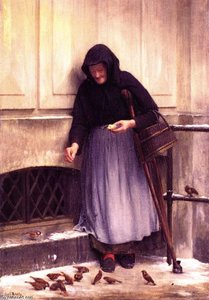
The Woman with the Sparrows (1886) avtorja Carl Bloch

The Woman with the Sparrows

1886

A woman sits by a window, her black dress absorbing the light. She wears a hooded shawl that frames a face turned toward a small, intimate miracle. Her hand rests upon the sill, a steady anchor in a world of movement. From her open palm, small birds descend. They are sparrows, seeking sustenance in the stillness of the room. A handbag rests nearby on the floor, a silent witness to…

Slavna platna umetnika Carl Bloch, od številk 11 do 65

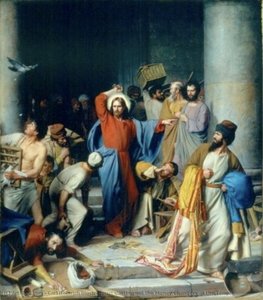
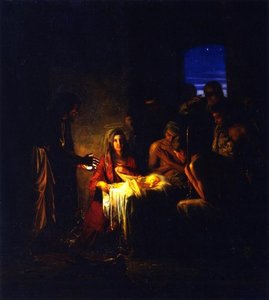
11Healing of the Blind Man (1871) avtorja Carl BlochHealing of the Blind Man1871 12A Fisherman from Sorrento, Italy (1860) avtorja Carl BlochA Fisherman from Sorrento, Italy1860 · Statens Museum For Kunst 13En gammel bondekone, der ser ud af et vindue (1874) avtorja Carl BlochEn gammel bondekone, der ser ud af et vindue1874 · Statens Museum For Kunst 14The Transfiguration (1872) avtorja Carl BlochThe Transfiguration1872 · Frederiksborg Palace 15A Fishwife (1875) avtorja Carl BlochA Fishwife1875 · Statens Museum For Kunst 16The Artist’s Parents, Mr. and Mrs. J. P. Bloch in Their Sitting Room (1855) avtorja Carl BlochThe Artist’s Parents, Mr. and Mrs. J. P. Bloch in Their Sitting Room1855 17The Daughter of Jairius (1863) avtorja Carl BlochThe Daughter of Jairius1863 · Statens Museum For Kunst 18Christ on the Cross (1870) avtorja Carl BlochChrist on the Cross1870 19Fishermen's families avaiting their return in an approsching storm. From the west coast of Jutland. (1858) avtorja Carl BlochFishermen's families avaiting their return in an approsching storm. From the west coast of Jutland.1858 · Hirschsprung Collection 20Two monks (1861) avtorja Carl BlochTwo monks1861 21Prometheus Unbound (1864) avtorja Carl BlochPrometheus Unbound1864 · Ribe Kunstmuseum 22The Artist's Wife, Alma Bloch, née Trepka (1868) avtorja Carl BlochThe Artist's Wife, Alma Bloch, née Trepka1868 · Statens Museum For Kunst 23A boy on a bench. (1871) avtorja Carl BlochA boy on a bench.1871 24The Temptation of Jesus (1868) avtorja Carl BlochThe Temptation of Jesus1868 25Two women talking (1874) avtorja Carl BlochTwo women talking1874 · Nivaagaards Malerisamling 26Still Life with Fish (1878) avtorja Carl BlochStill Life with Fish1878 · Statens Museum For Kunst 27A girl in white dress (1873) avtorja Carl BlochA girl in white dress1873 28Jesus Casting out the Money Changers at the Temple (1874) avtorja Carl BlochJesus Casting out the Money Changers at the Temple1874 29A Fransciscan monk (1873) avtorja Carl BlochA Fransciscan monk1873 30Reading lady (1882) avtorja Carl BlochReading lady1882 31Windy weather (1885) avtorja Carl BlochWindy weather1885 32Christ and the Sinner (1890) avtorja Carl BlochChrist and the Sinner1890 33Portrait of Clara Emilie Rose Bloch (1886) avtorja Carl BlochPortrait of Clara Emilie Rose Bloch1886 34A baker cooling off (1888) avtorja Carl BlochA baker cooling off1888 35A girl washing herself for carnival (1887) avtorja Carl BlochA girl washing herself for carnival1887 36Landscape from Hellebæk (1886) avtorja Carl BlochLandscape from Hellebæk1886 37Adoration of the Shepherds (1882) avtorja Carl BlochAdoration of the Shepherds1882 · Nationalmuseum 38En ung pige, der lugter til en rose (1889) avtorja Carl BlochEn ung pige, der lugter til en rose1889 · Statens Museum For Kunst 39Old People (1874) avtorja Carl BlochOld People1874 · Hirschsprung Collection 40Self Portrait (1886) avtorja Carl BlochSelf Portrait1886 41En forstyrret middagssøvn (1870) avtorja Carl BlochEn forstyrret middagssøvn1870 · Statens Museum For Kunst 42Evening at a moonlit lake. (1871) avtorja Carl BlochEvening at a moonlit lake.1871 43Massacre of the Innocents (1868) avtorja Carl BlochMassacre of the Innocents1868 44The Wedding at Cana (1870) avtorja Carl BlochThe Wedding at Cana1870 45Rear view of a writing man with a hat (1866) avtorja Carl BlochRear view of a writing man with a hat1866 46The Holy Night (1867) avtorja Carl BlochThe Holy Night1867 47The Resurrection (1873) avtorja Carl BlochThe Resurrection1873 48Christus Colsulator (1875) avtorja Carl BlochChristus Colsulator1875 49Jesus and the Samaritan Woman (1872) avtorja Carl BlochJesus and the Samaritan Woman1872 50Cleansing of the Temple (1874) avtorja Carl BlochCleansing of the Temple1874 51A Slaughterhouse in Hellebæk (1884) avtorja Carl BlochA Slaughterhouse in Hellebæk1884 · Statens Museum For Kunst 52A conversation between two fishermen, Hornbæk (1880) avtorja Carl BlochA conversation between two fishermen, Hornbæk1880 53The Shepherds and the Angel (1879) avtorja Carl BlochThe Shepherds and the Angel1879 54Landscape at Ellekilde in North Zealand. Sunset. (1889) avtorja Carl BlochLandscape at Ellekilde in North Zealand. Sunset.1889 · Statens Museum For Kunst 55Descent from the Cross (1886) avtorja Carl BlochDescent from the Cross1886 · Statens Museum For Kunst 56Stone beach shore (1889) avtorja Carl BlochStone beach shore1889 57View of the sea (1887) avtorja Carl BlochView of the sea1887 58Man in profile avtorja Carl BlochMan in profile 59Let's go for a Swim! avtorja Carl BlochLet's go for a Swim!Statens Museum For Kunst 60Surprise! avtorja Carl BlochSurprise! 61View of the Roman Campagna (preparatory study for To Munke, Aften) avtorja Carl BlochView of the Roman Campagna (preparatory study for To Munke, Aften) 62Temple ruins (from Paestum?) avtorja Carl BlochTemple ruins (from Paestum?) 63Samson and the Philistines (1863) avtorja Carl BlochSamson and the Philistines1863 · Statens Museum For Kunst 64Prometheus' Liberation (1864) avtorja Carl BlochPrometheus' Liberation1864 65Christian II in Prison at Sonderborg Castle (1871) avtorja Carl BlochChristian II in Prison at Sonderborg Castle1871 · Statens Museum For Kunst

Motivi, ki so očarali Carl Bloch

Četiri teme, ki se v teh originalih najpogosteje ponavljajo, vsaka z svojim vrhunskim primerom.

Muzeji, ki hranijo originala umetnika Carl Bloch

6 muzejev, ki vsebujo največ slik na tej strani.

Muzej Mesto Sloga Carl Bloch Slike iz tega seznama
Statens Museum For Kunst, KopenhagenStatens Museum For Kunst Kopenhagen 15 V rimski gostilni, A Fisherman from Sorrento, Italy, En gammel bondekone, der ser ud af et vindue
Hirschsprung Collection, KopenhagenHirschsprung Collection Kopenhagen 2 Fishermen's families avaiting their return in an approsching storm. From the west coast of Jutland., Old People
Frederiksborg Palace, HillerødFrederiksborg Palace Hillerød 1 The Transfiguration
Ribe Kunstmuseum, EsbjergRibe Kunstmuseum Esbjerg 1 Prometheus Unbound
Nivaagaards Malerisamling, NibeNivaagaards Malerisamling Nibe 1 Two women talking
Nationalmuseum, StockholmNationalmuseum Stockholm 1 Adoration of the Shepherds

Carl Bloch skozi desetetja: vsak unikatni original za vsako obdobje

Delo po desetletjih

Izberite desetletje, da si ogledate original, ki ga opredeljuje.

Slike umetnika Carl Bloch: vprašanja za galerijo

Katero je najbolj znano delo umetnika Carl Bloch?Razkriti odgovor

V rimski gostilni (1866), Statens Museum For Kunst, Kopenhagen. Zatem sledeta The Last Supper (1876) in Jesus Raises Lazarus from the Dead (1871).

Pri kateri dobe je Carl Bloch ustvaril V rimski gostilni?Razkriti odgovor

32 let: delo V rimski gostilni iz leta 1866, Carl Bloch pa je bil/a rojen/a leta 1834.

Katera desetina slik avtorja Carl Bloch je najbolj znana?Razkriti odgovor

V rimski gostilni, The Last Supper, Jesus Raises Lazarus from the Dead, Let the Little Children Come unto Me, Christ in Gethsemane, Sermon on the Mount, The Twelve-Year-Old Jesus in the Temple, The Meeting of Mary and Elizabeth, The Denial of Peter in The Woman with the Sparrows. Zgornja lestica prikazuje leto nastanka in muzej za vsako delo.

Koliko je znanih del avtorja Carl Bloch?Razkriti odgovor

Naš katalog vsebuje 65 del avtorja Carl Bloch, datiranih od 1855 do 1890.

Kje si lahko ogledate najslavnejše originale umetnika Carl Bloch?Razkriti odgovor

Večini v Statens Museum For Kunst (Kopenhagen), Hirschsprung Collection (Kopenhagen) in Frederiksborg Palace (Hillerød). Zgoraj navedena tabela muzejev vsebuje njihov celoten seznam.

V katerem obdobju je Carl Bloch ustvaril svoja najbolj znana dela?Razkriti odgovor

V obdobju 1870s: 25 od 65 del na tej strani je bilo izdelovanih takrat, med njimi pa The Last Supper.

Katero znano sliko je naslikal Carl Bloch najprej in katero najpozdneje?Razkriti odgovor

Na tej strani je najstarejše delo iz The Artist’s Parents, Mr. and Mrs. J. P. Bloch in Their Sitting Room (1855) in najstarejše iz Christ and the Sinner (1890).

Katere teme je Carl Bloch najprej ravnate?Razkriti odgovor

People (9), Woman (7) in Jesus (5), na 65 delih na tej strani.

S katerimi materiali je Carl Bloch najpogosteje slikal?Razkriti odgovor

Oil On Canvas, za 13 od 65 del na tej strani.

Kateri umetniški slog predstavlja delo umetnika Carl Bloch?Razkriti odgovor

Realism, glede na originala na tej strani.

Katere originale Carl Bloch lahko vidim v muzeju Statens Museum For Kunst?Razkriti odgovor

V rimski gostilni, A Fisherman from Sorrento, Italy in En gammel bondekone, der ser ud af et vindue: v muzeju Statens Museum For Kunst, Kopenhagen se nahaja 15 del z te strani.

Carl Bloch: portret umetnika

Življenje in zgodnji začetki Carla Heinricha Blocha

Carl Heinrich Bloch, rojen v Kopenhagnu 23. maja 1834, je bil danski slikar, katerega ime je postalo sinonim za globoko ganljive upodobitve bibličnih pripovedi in tiho dostojanstvo vsakdanjega življenja. Njegova umetniška pot ni bila sprva sprejeta s plavšem staršev, ki so videli bolj konvencionalno pot za svojega sina – kariero na morju. Vendar pa je Blochu neomajna strast do umetnosti postala neustavljiva in ga je leta 1855 pripeljala v Royal Danish Academy of Art pod mentorstvom Wilhelma Marstranda. Ta formalna izobrazba je položila ključno temelj za njegov umetniški razvoj, izpilila njegove spretnosti in oblikovala njegovo estetsko občutljivost. Zgodnja dela so razkrila zbrano opazovalnost, osredotočeno na podeželske prizore in zajemanje bistva navadnega obstoja s presenetljivo občutljivostjo. Njegov oče je bil bogat trgovski posrednik, mati pa iz plemiške družine. Že kot otrok je pokazal talent za risanje, a starši so ga sprva spodbujali k praktičnemu poklicu. Kljub temu se je Bloch vztrajno učil slikanja in leta 1852 vstopil na akademijo.

Italijansko prebujenje in umetniška zrelost

Pomemben trenutek v Blochuvi umetniški evoluciji je bilo njegovo podaljšano bivanje v Italiji od leta 1859 do 1866. To obdobje se je izkazalo za transformativno, saj ga je izpostavilo bogastvu umetne dediščine in globoko vplivalo na njegov slog. V teh letih je srečal dela Rembranda van Rijna, kar je nedeljivo zaznamovalo njegov pristop k slikanju. Mojstrska uporaba svetlobe in sence nizozemskega mojstra – dramatična igra med osvetlitvijo in temo – je globoko odmevala pri Blochu in postala definicija njegovega lastnega dela. Absorbiral je ne le tehnične vidike, ampak tudi čustveno globino in psihološki vpogled, ki ga je Rembrandt vnesel na platna. V Rimu je našel osebno srečo, saj se je leta 1868 poročil z Almo Trepko; njuna zakonska zveza je bila vir veselja do njene prezgodnje smrti leta 1886, dogodka, ki je vrgel dolgo senco na njegova kasnejša leta. Med italijanskim obdobjem se je Bloch posvetil študiju starih mojstrov in razvil lasten slog, ki združuje realizem z romantičnim čustvom.

Uspih v Frederiksborgu in trajna zapuščina

Blochuva vzpon k slavi se je začel s razstavo Prometeja Unbound v Kopenhagnu leta 1865, kar je pomenilo prelomnico v njegovi karieri. Hitro se je uveljavil kot vodilni umetnik in nasledil Marstranda pri dokončanju dekoracije svečane dvorane na Univerzi v Kopenhagnu. Vendar pa je bila njegova naročnina za ustvarjanje dvadvaindvajset slik za kraljevo kapelo v palači Frederiksborg (v obdobju od 1865 do 1879) tisto, kar je utrdilo njegovo zapuščino. Ti prizori iz Kristusovega življenja – upodobljeni z dih jemajočimi podrobnostmi in čustveno intenzivnostjo – so postali izjemno priljubljeni in veljajo za med njegove največje dosežke. Moč teh slik se je razširila onkraj danskega mej, Bloch pa je kasneje ustvaril oltarne slike na podlagi Frederiksborgovih poslikav, ki so našle dom v cerkvah po Danski in Švedski. Njegova dela so bila deležna priznanja tudi med kritiki in občinstvom, kar mu je prineslo ugled enega najpomembnejših danskih slikarjev 19. stoletja.

Slog, vplivi in trajen vpliv

Blochuva umetniški slog je bila prepričljiva mešanica realizma in romantike. Imel je izjemno sposobnost upodabljanja bibličnih pripovedi tako z zgodovinsko natančnostjo kot z globoko čustveno resonanco. Vpliv Rembranda je nesporna v njegovem mojstrskem manipuliranju svetlobe in sence, kar ustvarja dramatične učinke, ki okrepijo občutek duhovnosti in človeške drame. Prav tako je pripadal “Eckersberg-Tradition” znotraj danske umetnosti, šoli, znane po svoji predanosti realizmu in nacionalnim temam. Poleg tehnične spretnosti so Blochuva dela odmevala pri občinstvu zaradi njegovega iskrenega sočutja in duhovne globine. Njegova slikanja niso bila zgolj ilustracije; bili so vabilo k razmisleku o veri, trpljenju in odrešitvi. Cerkev Jezusove Kristusa Svetih zadnjih dni je obsežno uporabljala Blochuva poslikave palače Frederiksborg v svojih cerkvah in tiskanem gradivu, saj so prepoznale njihovo moč prenesti svetopisemske zgodbe z jasnostjo in čustveno silo. Služile so celo kot vizualne reference za filme, ki prikazujejo biblične prizore. H.C. Andersen, slavni danski avtor, je Blochu prepoznal izjemen talent in napovedal, da bo "postal plemenit na zemlji" in se povzpel proti “velikemu nebesu umetnosti.” Karl Madsen ga je prav tako razglasil za enega "najplemenitejših med njimi!" Carl Heinrich Bloch je umrl v Kopenhagnu 22. februarja 1890 in pustil za seboj delo, ki še naprej navdaja občudovanje in spoštovanje. Njegova slikanja ostajajo pričevanja njegovega umetniškega genija in trajne vere – zapuščina, ki zagotavlja njegovo mesto kot enega najbolj priljubljenih verskih umetnikov 19. stoletja.