Portret Bertram Nicholls

36 najbolj znanih slik umetnika Bertram Nicholls, galerijska izbira

Posodobljeno november 2026 · uvrščeno glede na naš skoraj priljubljenosti (iskanja, obiske in naročila za vsako delo) · 39 del v našem katalogu avtorja Bertram Nicholls

Kratek opis

Med vsemi originali, ki jih je pustil Bertram Nicholls, je najbolj znan Bridgnorth, Shropshire (1943), ki se nahaja v kolekciji Buxton Museum - Art Gallery, Buxton. Takoj za njima sta By a Sussex Stream (1926) in Porto Rocco, Orvieto, Italy (1926). Naš katalog vsebuje 39 del umetnika Bertram Nicholls; galerija je ohranila 36 del, ki jih svet najbolj oboževa, odlikovanih z datumom nastanka, pripadajočim muzajem in zgodbojo.

1883 – 1974 Contemporary realism Največ del: The National Trust For Scotland

10 najboljših slik umetnika Bertram Nicholls: izbira galerije

1
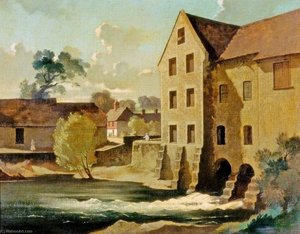
Bridgnorth, Shropshire (1943) avtorja Bertram Nicholls

Bridgnorth, Shropshire

The painting Bridgnorth, Shropshire by Bertram Nicholls is a captivating representation of a quaint town in the English countryside. Created in 1943, this oil on canvas piece measures 54 x 76 cm and is currently housed at the Buxton Museum - Art Gallery in Buxton, United Kingdom. The scene features a picturesque town situated near a river with a bridge crossing it, surrounded by lush greenery and charming buildings. Composition…

5
Pitigliano (1926) avtorja Bertram Nicholls

Pitigliano

1926 · Oil · The National Trust For Scotland, Forres

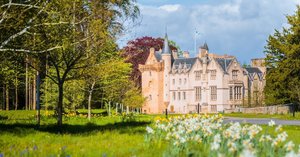
In the quiet, evocative strokes of Bertram Nicholls’ 1926 masterpiece, Pitigliano, we are transported to a world where history breathes through the very architecture of the landscape. The painting captures the enchanting Italian town of Pitigliano, famously carved into the volcanic tuff rock, presenting a scene that feels less like a mere depiction and more like a rediscovered memory. At the heart of the composition stands a formidable stone castle,…

6
Washing in a Stream at Gouda (1928) avtorja Bertram Nicholls

Washing in a Stream at Gouda

In the quietude of 1928, Bertram Nicholls captured a moment of profound stillness in his evocative work, Washing in a Stream at Gouda. This painting invites the viewer into a pastoral dreamscape where the boundaries between human presence and the natural world seem to dissolve. At its heart, the composition centers on a gentle stream flowing beneath a weathered stone bridge, a structure that speaks of time's passage and the…

Izbor umetnika Bertram Nicholls se nadaljuje, od 11 do 36

Motivi, ki so očarali Bertram Nicholls

Četiri teme, ki se v teh originalih najpogosteje ponavljajo, vsaka z svojim vrhunskim primerom.

Muzeji, ki hranijo originala umetnika Bertram Nicholls

8 muzejev, ki vsebujo največ slik na tej strani.

Muzeji Mesto Sloga Bertram Nicholls Slike iz tega seznama
The National Trust For Scotland, ForresThe National Trust For Scotland Forres 3 Pitigliano, A Mountain Village, Philippe le Bel's Tower
Buxton Museum - Art Gallery, BuxtonBuxton Museum - Art Gallery Buxton 2 Bridgnorth, Shropshire, Wilton Bridge, Ross on Wye, Herefordshire
Harris Museum - Art Gallery, PrestonHarris Museum - Art Gallery Preston 2 By a Sussex Stream, Ragusa
Bristol Museum - Art Gallery, BristolBristol Museum - Art Gallery Bristol 2 Washing in a Stream at Gouda, Assisi
Government Art Collection, LondonGovernment Art Collection London 2 Le mammelle d'Italia, Lambeth Bridge
Guildhall Art Gallery, LondonGuildhall Art Gallery London 1 Porto Rocco, Orvieto, Italy
Maidstone Museum - Bentlif Art Gallery, MaidstoneMaidstone Museum - Bentlif Art Gallery Maidstone 1 San Giovanni Nepomuceno
Touchstones Rochdale, RochdaleTouchstones Rochdale Rochdale 1 Easby Abbey, Richmond, North Yorkshire

Bertram Nicholls desetletje za desetletjem: originali, ki definira vsako od njih

Slikorstva po desetletjih

Izberite desetletje, da si ogledate original, ki ga opredeljuje.

Vprašanja zbirateljev o slikah umetnika Bertram Nicholls

Za katero delo je Bertram Nicholls najbolj znan/a?Razkriti odgovor

Bridgnorth, Shropshire (1943), Buxton Museum - Art Gallery, Buxton. Zatem sledeta By a Sussex Stream (1926) in Porto Rocco, Orvieto, Italy (1926).

Koliko je bil Bertram Nicholls let, ko je nastalo delo Bridgnorth, Shropshire?Razkriti odgovor

60 let: delo Bridgnorth, Shropshire iz leta 1943, Bertram Nicholls pa je bil/a rojen/a leta 1883.

Katera je deset najbolj znanih slik umetnika Bertram Nicholls?Razkriti odgovor

Bridgnorth, Shropshire, By a Sussex Stream, Porto Rocco, Orvieto, Italy, Goodrich Village, Herefordshire, Pitigliano, Washing in a Stream at Gouda, Picturesque Steyning, Drying the Sails, Steyning Church, Sussex in The Bridge. Zgornja lestica prikazuje leto nastanka in muzej za vsako delo.

Koliko slik je pustil Bertram Nicholls?Razkriti odgovor

Naš katalog vsebuje 39 del avtorja Bertram Nicholls, datiranih od 1914 do 1949.

V katerih muzejih so razložena remek dela umetnika Bertram Nicholls?Razkriti odgovor

Večini v The National Trust For Scotland (Forres), Buxton Museum - Art Gallery (Buxton) in Harris Museum - Art Gallery (Preston). Zgoraj navedena tabela muzejev vsebuje njihov celoten seznam.

V katerih letih je Bertram Nicholls naslikal svoja najbolj znana dela?Razkriti odgovor

V obdobju 1920s: 16 od 36 del na tej strani je bilo izdelovanih takrat, med njimi pa By a Sussex Stream.

Kakšna sta prva in zadnja znana originala umetnika Bertram Nicholls?Razkriti odgovor

Na tej strani je najstarejše delo iz Picturesque Steyning (1914) in najstarejše iz Lambeth Bridge (1949).

Katere teme je Bertram Nicholls najpogosteje izbiral?Razkriti odgovor

Bridge (2), People (2) in Dog (2), na 36 delih na tej strani.

Kateri umetniški slog pripada Bertram Nicholls?Razkriti odgovor

Contemporary realism, glede na originala na tej strani.

Katera dela umetnika Bertram Nicholls so razstavljena v muzeju The National Trust For Scotland?Razkriti odgovor

Pitigliano, A Mountain Village in Philippe le Bel's Tower: v muzeju The National Trust For Scotland, Forres se nahaja 3 del z te strani.

Bertram Nicholls: življenje in delo

The Quiet Observer: The Life and Legacy of Bertram Nicholls

Born in the industrious heart of Didsbury, Manchester, on September 26th, 1883, Bertram Nicholls emerged as a painter of profound stillness and atmospheric grace. As the youngest child of William Andrews Nicholls, a local fruit merchant, and Mary Allen, his early years were rooted in the steady rhythms of Northern English life. His journey toward artistic mastery began at the Manchester Grammar School, but it was his subsequent enrollment at the prestigious Slade School of Fine Art between 1901 and 1904 that would fundamentally reshape his vision. Under the tutelage of Reginald Barber, Nicholls began to move beyond mere representation, seeking instead a deeper connection with the light and tonal harmonies that define the natural world.

The foundations of his style were laid by the giants of British art history. He drew deep inspiration from the meticulous observation found in the works of Joshua Reynolds and the landscape sensibilities of Richard Wilson. These early influences instilled in him a reverence for compositional balance and a sophisticated understanding of how light interacts with texture. His formative years were further enriched by encounters with the Staithes Group, particularly Frederick Jackson, whose commitment to plein air painting—the practice of painting directly from nature—encouraged Nicholls to capture the immediate, breathing essence of the British countryside.

A Journey Through Light and Stone

In 1904, a transformative voyage to Madrid introduced Nicholls to the profound complexities of Baroque mastery. Immersing himself in the works of Diego Velázquez, he developed an acute sensitivity to the rendering of light and the structural integrity of composition. This Spanish influence would later manifest in his ability to imbue even the most tranquil landscapes with a sense of monumental presence. Upon returning to England, Nicholls’ work began to reflect a unique synthesis of styles; he absorbed the innovative color palettes of Whistler and the atmospheric grandeur of Turner, blending them into a personal language characterized by understated beauty and quietude.

His travels across Europe provided him with an endless repertoire of subjects, from the rugged, sun-drenched architecture of Italy to the pastoral serenity of the Netherlands. In his 1926 masterpiece, Pitigliano, one can witness his ability to turn stone into memory, capturing an Italian town carved from volcanic tuff with a tactile precision that makes the ancient masonry feel almost palpable. Similarly, in works such as Washing in a Stream at Gouda (1928), he achieved a rare dissolution of boundaries between human presence and the natural world, using soft, painterly brushstrokes to evoke the misty, restorative solitude of a Dutch landscape.

The Resilience of Vision

The trajectory of Nicholls’ life was not without its interruptions by the turbulence of history. During the First World War, he served in the Kite Balloon Service of the Royal Flying Corps. This period of aerial reconnaissance offered him a unique, panoramic perspective on the landscape—a view from above that likely deepened his understanding of spatial relationships and the sweeping contours of the earth. This experience of observing the world from a detached, soaring height may have contributed to the sense of peaceful, observational distance found in his later landscapes.

Throughout his long life, which concluded in 1974, Nicholls remained dedicated to the pursuit of the "quiet landscape." His oeuvre stands as a testament to the power of subtle emotion and the enduring beauty of the everyday. Whether depicting a sun-dappled quay in Italy or a muted, impressionistic stream in Sussex, his work continues to resonate with those seeking a moment of respite. His historical significance lies in his ability to bridge the gap between the rigorous traditions of the Slade School and a modern, emotive approach to light, ensuring that his paintings remain timeless windows into a world of profound peace.