


1


Posodobljeno november 2026 · uvrščeno glede na naš skoraj priljubljenosti (iskanja, obiske in naročila za vsako delo) · 4 del v našem katalogu avtorja Bernard Vaillant
Kratek opis
Izpostavljeno v galeriji je najbolj znano sliko umetnika Bernard Vaillant, ki je Portrait of vice-admiral Isaac Sweers (1673). Portrait of Johan Larsson Paulin Olivecrantz, 1633-1707 (1679) in Portrait of Michiel Adriaansz. de Ruyter (1695) dopolnjujeta trijo, ki jo prepozna vsak pogled. Od 4 del avtorja Bernard Vaillant v našem katalogu galerija spodaj predstavlja 4 najbolj znanih; vsako je original z letom nastanka, pripadajočim mu muzejem in opisom tistega, kar ga dela edinstavnim.


Portrait of Johannes Parker (1632-95), ships and council of Middelburg. Bust in oval, three quarters to the right.
2 muzejev, ki vsebujo največ slik na tej strani.
| Muzeji | Mesto | Sloga Bernard Vaillant | Slike iz tega seznama |
|---|---|---|---|
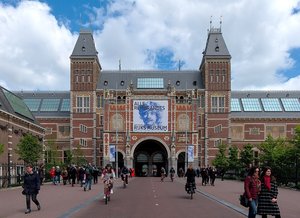 Rijksmuseum |
Amsterdam | 2 | Portrait of Michiel Adriaansz. de Ruyter, Johannes Parker, Alderman and Councilor of Middelburg, Bernard Vaillant, 1670 |
 National Portrait Gallery of Sweden |
Strängnäs | 1 | Portrait of Johan Larsson Paulin Olivecrantz, 1633-1707 |
26 let umetnosti umetnika Bernard Vaillant, od 1670 do 1695: galerija jih spremlja leto za letom, skozi njihova najboljša originalna dela.
Izberite leto in oglej originale.
Portrait of Johannes Parker (1632-95), ships and council of Middelburg. Bust in oval, three quarters to the right.
Portrait of vice-admiral Isaac Sweers (1673). Zatem sledeta Portrait of Johan Larsson Paulin Olivecrantz, 1633-1707 (1679) in Portrait of Michiel Adriaansz. de Ruyter (1695).
41 let: delo Portrait of vice-admiral Isaac Sweers iz leta 1673, Bernard Vaillant pa je bil/a rojen/a leta 1632.
Naš katalog vsebuje 4 del avtorja Bernard Vaillant, datiranih od 1670 do 1695.
Večini v Rijksmuseum (Amsterdam) in National Portrait Gallery of Sweden (Strängnäs). Zgoraj navedena tabela muzejev vsebuje njihov celoten seznam.
Na tej strani je najstarejše delo iz Johannes Parker, Alderman and Councilor of Middelburg, Bernard Vaillant, 1670 (1670) in najstarejše iz Portrait of Michiel Adriaansz. de Ruyter (1695).
Portrait of Michiel Adriaansz. de Ruyter in Johannes Parker, Alderman and Councilor of Middelburg, Bernard Vaillant, 1670: v muzeju Rijksmuseum, Amsterdam se nahaja 2 del z te strani.
Bernard Vaillant (1632 in Lille – 1698 in Leiden) emerges from the rich tapestry of the Dutch Golden Age as a skilled and somewhat enigmatic painter. While often overshadowed by his more celebrated brother, Wallerant Vaillant, Bernard’s contributions to portraiture—particularly his engravings and oil paintings—offer a compelling glimpse into the artistic landscape of 17th-century Europe. His life story is intertwined with that of his family, marked by travel, religious transitions, and ultimately, an untimely death in Leiden, leaving behind a legacy of understated elegance and technical precision.
Born in Lille, France, Bernard’s early years were deeply connected to the artistic world through his brother Wallerant. Houbraken's *Kunstboek*, a seminal work documenting Dutch artists, recounts how Bernard accompanied Wallerant on all his journeys, absorbing techniques and experiences along the way. This close association undoubtedly shaped his artistic development, providing him with invaluable exposure to diverse styles and patrons. The RKD (Rijksdagvoorlichtingsdienst), the Netherlands’ Royal Library, confirms this familial link, solidifying Bernard's position as Wallerant’s younger half-brother – a detail that subtly complicates our understanding of his individual identity within the Vaillant artistic lineage.
Initially drawn to Rotterdam, Bernard found work as a deacon at the Walloon church. This period likely provided him with opportunities to observe and document the community he served, informing his later portraiture. However, Rotterdam wasn’t to be his final destination. Records indicate a move to Amsterdam in 1670, where he betrothed himself to Agneta Menton and established residence on the Fluwelen Burgwal – a prestigious location reflecting his growing standing within the artistic community. Throughout his career, Vaillant maintained connections across multiple cities, including Paris and Rotterdam, suggesting a fluid existence shaped by professional opportunities and personal circumstances.
Bernard Vaillant's artistic style is characterized by a refined realism tempered with an appreciation for detail. He was primarily known for his engravings, a medium he mastered with remarkable skill. His portraits demonstrate a keen eye for capturing subtle nuances of expression – the furrowed brow, the slight turn of the head, the fleeting emotion in the eyes. These are not grand, theatrical displays of personality but rather intimate studies of individual character.
Beyond engravings, Vaillant also produced oil paintings and pastels, showcasing a versatility within his chosen medium. His use of light and shadow is particularly noteworthy, creating a sense of depth and volume that lends realism to his subjects. While not as flamboyant as some of his contemporaries, Vaillant’s work possesses a quiet dignity and understated beauty – hallmarks of the Dutch Golden Age aesthetic. The meticulous attention to detail evident in his portraits suggests a dedication to craft and a desire to faithfully represent his subjects.
The influence of Wallerant Vaillant is undeniable, yet Bernard developed a distinct artistic voice. Wallerant’s broader scope – encompassing landscapes, history paintings, and allegorical scenes – likely provided a contrasting framework for Bernard's more focused work in portraiture. However, the shared familial connection undoubtedly fostered an understanding of artistic principles and techniques that underpinned both their careers.
Furthermore, Vaillant’s time spent in Rotterdam exposed him to the vibrant artistic scene of the city, which was a hub for printmaking and portraiture during this period. The demand for portraits among the merchant class and wealthy citizens fueled the growth of the profession, providing Vaillant with ample opportunities to hone his skills and establish himself as a respected artist.
Bernard Vaillant’s contribution to Dutch Golden Age portraiture may not be as widely recognized as that of some of his more famous contemporaries, but his work holds significant value. His engravings, in particular, are prized for their technical precision and subtle depictions of human character. They offer a valuable window into the social and cultural dynamics of 17th-century Europe, reflecting the aspirations and values of a society undergoing rapid transformation.
His untimely death in Leiden at the age of 66 – as documented by historical records – underscores the fragility of life during this era. Despite his relatively short career, Bernard Vaillant left behind a body of work that continues to be appreciated for its quiet elegance and technical mastery. Further research, drawing upon sources like the Getty Research Institute’s ULAN record and the RKD's biographical database, promises to shed further light on this intriguing artist and his place within the broader context of Dutch art history.