
 Predogled
 Pošlji
 Deli
Deli
 Podrobnosti o delu

 Prenesi
 Podobni izdelki
 Rentgenski posnetek
 Predvajaj diaporama
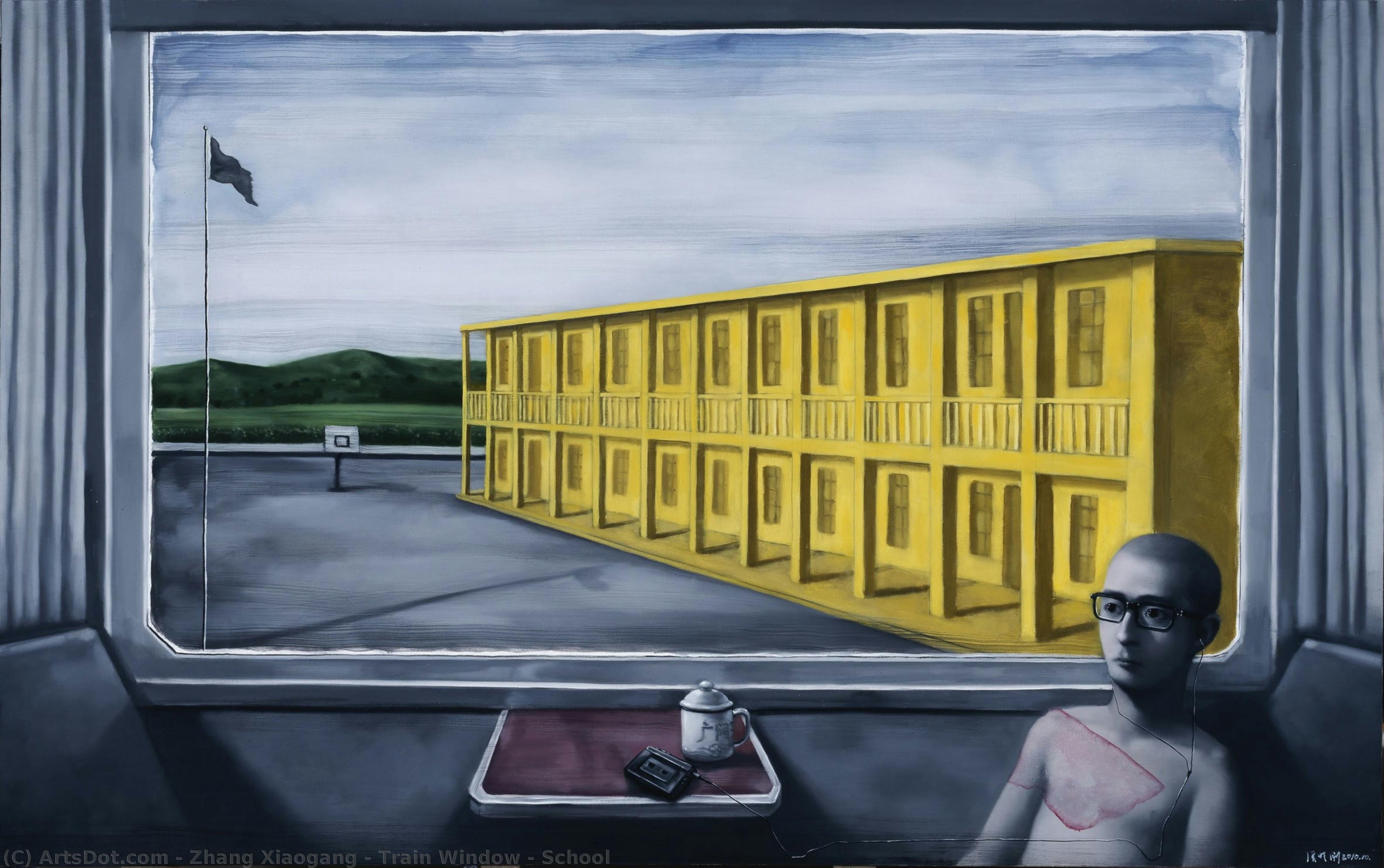
Train Window - School
 220.0 x 140.0 cm
 Today Art Museum
 Razviljaj več
Giclée tisk / Umetniški tisk
Giclée ali platnati odtis muzejske kakovosti z hitro proizvodnjo in prilagodljivimi možnostmi končne obdelave. ( Preklopite na ročno slikano delo Preklop na sliko)




































Izberite eno od naših vnaprej določenih velikosti, ki ustrezajo prvotnim proporcijam umetničkega dela.

Svoje dimenzije lahko vnesete sami, da bodo ustrezne za določen okvir ali prostor. Če izbrana velikost ne bo skladna z razmerji izvirne slike, bomo umetniško delo orezali ali podaljšali s pomočjo ogledalnega odraza ali barvno polnega roba. Pred začetkom proizvodnje vam bomo poslali digitalni predogled za potrditev.
Upoštevajte, da predogled na zaslonu ne prikazuje dejanskega orezovanja ali podaljševanja. Le digitalni predogled bo natančno prikazal končno kompozicijo.
Čeprav so na voljo prilagojene velikosti, priporočamo izbiro dimenzije s predhodno določenega seznama, da ohranite prvotna razmerja.
Globalna dostava () v 2 tednih namesto standardnih 4/5 tednov. (11 avgust)

Brezplačna ekspresna dostava po vsem svetu

Visokokakovostno laneno platno

Popolno zavarovanje pošiljke

Garancija povračila carine in uvoznih davkov

Garancija popolnega ujemanja barv

60-dnevna politika vračanja (le v primeru napak)

Garancija 100% povračila denarja

Popust pri večjem naročilu
 Možnost stekla je na voljo le za velikosti pod 110 cm

Train Window - School
Giclée tisk / Umetniški tisk
Velikost reprodukcije
-


Skupna končna cena
$ 80
Biografija umetnika
Zhang Xiaogang: A Surrealist Echo of Chinese History
Zhang Xiaogang (born 1958) stands as one of China’s most prominent contemporary artists, renowned for his distinctive blend of surrealism and symbolism—particularly within the framework of exploring familial history and grappling with the legacy of the Cultural Revolution. His artistic journey began in Kunming, Yunnan Province, where he was born to Qi Ailan and Zhang Jing, both government officials who instilled in him a deep appreciation for art from a young age – a formative influence that would shape his lifelong dedication to creative expression. As recounted by his mother, “From early on, my parents worried that I would go out and get into trouble. They gave us paper and crayons so we could draw at home. . . . I gained more and more interest in art. I had a lot of time, because I didn’t have to go to school. My interest increased.” The Cultural Revolution profoundly impacted Xiaogang's formative years, shaping his worldview and subtly informing the thematic concerns that permeate his oeuvre. Sent to work on a farm as part of the “down to the countryside movement” in 1976—a period marked by significant social upheaval—he encountered Lin Ling, who mentored him in watercolor techniques, emphasizing formal composition and sketching skills. This early training solidified Xiaogang’s commitment to visual art and fueled his ambition to pursue it as a vocation. “When I was 17, I told myself I wanted to be an artist. . . I felt that art was like a drug. Once you are addicted, you can't get rid of it.” Xiaogang’s artistic style is instantly recognizable: predominantly monochromatic portraits—often featuring large, dark-pupiled eyes—executed in oil paint with meticulous attention to detail and textural impasto. His signature series, “Bloodline,” centers around stylized depictions of Chinese individuals, deliberately referencing family photographs from the 1950s and 60s – a poignant commentary on collective memory and familial bonds. The unsettling gaze of these figures embodies both vulnerability and resilience, mirroring the anxieties and uncertainties experienced during China’s turbulent past. Beyond painting, Xiaogang has ventured into sculpture, translating his visual vocabulary into three dimensions. He skillfully reimagines characters from his “Bloodline” series as sculptures, capturing their essence in a new medium—a testament to his artistic versatility and unwavering exploration of thematic depth. These sculptures have garnered critical acclaim and appeared in numerous exhibitions, cementing Xiaogang’s position as a leading figure in contemporary Chinese art. His work has been described as "surrealist" due to its unsettling juxtaposition of familiar imagery with dreamlike distortions—a technique that allows him to delve beneath surface appearances and confront profound questions about identity, history, and the human condition. Zhang Xiaogang’s contribution to modern Chinese art lies in his ability to synthesize personal experience with historical context, resulting in artworks that resonate powerfully with audiences worldwide. He continues to push boundaries and redefine artistic expression, securing his place as an enduring icon of China's creative landscape.
Zhang Xiaogang
1958 -
Hitri podatki
- Artistic Movement Or Style: Surrealism; Symbolist painting
- Artists Who Influenced This Artist: Lin Ling
- Date Of Birth: 1958
- Full Name: Zhang Xiaogang
- Nationality: Chinese
- Notable Artworks:
- Untitled
- Bloodline: Big Family
- Place Of Birth: Kunming, Yunnan Province

