

 Preverite v realnem okolju
 Pošlji kot čestitko
 Deli
Deli
 Podrobnosti
 Priročnik

 Prenesi
 Podobni artefakti
 Rentgenski posnetek
 Predvajaj diaporama
 Statistika
The Road to Jiming Temple
 Oil On Canvas
- WallArt
 1943
1943 66.0 x 77.0 cm
 CAFA Art Museum
 Preberi več
Giclée tisk / Umetniški tisk
Giclée ali platnati odtis muzejske kakovosti z hitro proizvodnjo in prilagodljivimi možnostmi končne obdelave. ( Naročite ročno slikano reprodukcijo Preklop na digitalno sliko)




P118B €10

P118H €10

P118W €10

P438Z €10

P508JH €12

P508YH €12

P805H €10

P805Z €10

P919BZ €10

P919G €10

P919XJ €10

P959ZH €10

P968JZ €12

W106C €8

W218G €10

W218JH €8

W218Y €10

W307PJ €10

W316G €10

W316PJ €8

W316Y €10

W398PJ €8

W4111J €10

W500HY €15

W500JH €15

W692G €12

W849H €8

W940BG €15

W953PJ €8




Izberite eno od naših vnaprej določenih velikosti, ki ustrezajo prvotnim proporcijam umetničkega dela.

Vnesite širino in višino, ki jih potrebujete za svoj okvir ali steno. Tiskanje se lahko le odreže, vendar ga ni mogoče narediti večjega od slike, zato format z drugačno obliko pomeni izgubo dela slike. Pred tiskanjem vam pošljemo digitalni predogled za potrditev. Slika, prikazana na tej strani, ne prikazuje dejanskega izrezkov — le predogled to omogoča.
Globalna dostava () v 2 tednih namesto standardnih 4/5 tednov. (27 oktober)

Brezplačna ekspresna dostava po vsem svetu

Visokokakovostno laneno platno

Popolno zavarovanje pošiljke

Garancija povračila carine in uvoznih davkov

Garancija popolnega barvnega ujemanja

Politika vračila v 100 dneh (le v primeru okvar)

Garancija 100% povračila denarja

Popust pri večjem naročilu
 Možnost stekla je na voljo le za velikosti pod 110 cm

The Road to Jiming Temple
Giclée tisk / Umetniški tisk
Velikost reprodukcije
-


Skupna cena
€ 70
The Road to Jiming Temple: A Journey Through Time and Spirit
Xu Beihong’s “The Road to Jiming Temple” is more than just a depiction of a mountain village; it's a vibrant window into 1943 China, a testament to the artist’s unique vision, and a poignant reflection on tradition and modernity. Painted during a period of immense upheaval and transformation, this oil-on-canvas masterpiece captures not only the physical landscape but also the spirit of a nation navigating its identity. The scene unfolds with remarkable detail – a winding path ascending through lush greenery, leading to the venerable Jiming Temple nestled amongst the peaks. The composition immediately draws the viewer in, inviting them on a silent journey alongside the figures traversing the road.
Beihong’s artistic style is instantly recognizable—a masterful blend of Chinese ink painting techniques and Western realism. He eschewed purely academic approaches, instead prioritizing dynamic brushwork and a bold sense of perspective. Notice how he utilizes loose, expressive strokes to convey the texture of the mountains, the rustle of leaves, and the movement of the figures. This technique, honed through years of study in Paris, allows for an immediacy and vitality rarely found in traditional Chinese landscape painting. The color palette is rich and earthy—deep greens, browns, and ochres dominate, creating a sense of warmth and tranquility despite the rugged terrain. The use of light and shadow further enhances the depth and realism of the scene, guiding the viewer’s eye through the composition.
A Temple Steeped in History
Jiming Temple itself holds immense significance within Nanjing's cultural heritage. Founded during the Western Jin Dynasty (265-317 AD), it stands as one of the oldest Buddhist temples in the city, a repository of centuries of spiritual practice and artistic patronage. Its history is intertwined with numerous dynasties and political shifts, reflecting China’s complex past. The temple's enduring presence speaks to its resilience and continued importance within the local community. Beihong’s painting serves as a visual tribute to this venerable institution, capturing its serene beauty and timeless appeal.
The choice of Jiming Temple as the subject is particularly revealing. Built in the Western Jin Dynasty, it represents a connection to China's ancient past – a deliberate nod to tradition amidst the rapid changes occurring during Beihong’s time. The temple’s longevity symbolizes continuity and stability, offering a counterpoint to the turmoil of war and political upheaval that characterized 1943 China. The painting subtly suggests a longing for these foundational values within a rapidly modernizing nation.
Xu Beihong: Bridging Worlds
Understanding Xu Beihong’s artistic journey is crucial to appreciating “The Road to Jiming Temple.” Born in 1895, he was a pioneer who sought to synthesize Eastern and Western artistic traditions. His early training in classical Chinese painting instilled within him a deep respect for brushwork, composition, and the spiritual essence of art. However, his time in Paris exposed him to European techniques—particularly oil painting—which he skillfully integrated into his own style. This fusion resulted in a uniquely powerful visual language that resonated with both local audiences and international critics.
Beihong’s biography reveals a man deeply committed to promoting Chinese art on the world stage. He actively sought opportunities to exhibit his work abroad, fostering cross-cultural understanding and challenging Western perceptions of Chinese art. His dedication to preserving and revitalizing traditional techniques while embracing modern approaches cemented his legacy as one of China's most influential artists of the 20th century. His life story is a testament to the power of artistic innovation and cultural exchange.
Symbolism and Emotional Resonance
Beyond its technical brilliance, “The Road to Jiming Temple” is rich in symbolic meaning. The winding path represents the journey of life—a progression towards enlightenment and spiritual fulfillment. The figures traversing the road symbolize humanity’s collective quest for meaning and purpose. The temple itself serves as a beacon of hope and stability amidst the uncertainties of the world. The inclusion of horses and people further emphasizes the connection between humans and nature, reflecting a core value in Chinese philosophy.
Looking at this painting today, one can’t help but feel a sense of quiet contemplation and profound beauty. It evokes a feeling of serenity, reminding us of the enduring power of tradition and the importance of seeking spiritual guidance. “The Road to Jiming Temple” is not merely a landscape; it's an invitation—an invitation to reflect on our own journeys, to appreciate the richness of Chinese culture, and to find solace in the timeless beauty of art.
Vprašanja in odgovori
Kakšen je vzdušje v delu "The Road to Jiming Temple" avtorja Xu Beihong?
"The Road to Jiming Temple" ima Calm vzdušje.
Katera barva prevladuje v kompoziciji dela "The Road to Jiming Temple" avtorja Xu Beihong?
Barva, ki najbolj izstopa v delu "The Road to Jiming Temple", je Espresso (#564c3c). Prevladujoča barva je koristna pri združevanju umetniškega dela z notranjo opremo.
Katere velikosti tiska "The Road to Jiming Temple" avtorja Xu Beihong bi ustajali priporočeni sobi?
Za Living Room je priporočena velikost tiska za "The Road to Jiming Temple" avtorja Xu Beihong Medium.
Biografija umetnika
Pionir, ki$\\text{}$ je premostil svetove: Življenje in umetnost Xu Beihonga
Xu Beihong, rojen kot Xu Shoukang leta 1895 v mirnem mestu Yixing v provinciji Jiangsu, stoji kot monumentalna figura v kitajski umetnosti 20. stoletja. Njegovo življenje je bilo prepovedna zgodba o umetniški evoluciji, posvečena oblikovanju nove poti za kitajsko slikarstvo – poti, ki je harmonično združila bogate tradicije njegove domovine z inovacijami evropske umetnosti. Od skromnih začetkov, poglobljenih v klasično znanje in tradicionalno črtanje pod mentorstvom očeta Xu Dazhanga, ki je bil sam težak umetnik, so zgodnja Beihongova leta bila zaznamovana tako z umetniško obetjo kot z ekonomsko težkobo. To oblikovalno obdobje mu ni vplinulo le tehnične spretnosti, temveč tudi globoko spoštovanje do kitajske kulture in odpornega duha, ki bo definiral njegovo kariero. Nomadna družinska življenja, kjer sta portretirala in slikala pejzaže, da bi preživela, ga je izpostavila realnostim podeželskega Kitajskega in spodbudila zgodnjo ambicijo, da dvigne status umetnosti in umetnikov. Ključni trenutek je prišel, ko je sprejel ime „Beihong“, kar pomeni »žalostna divja gosk«, kar je morda odraz njegove mladostne tesnobe in aspiracij.Evropsko prebujanje: Oblikovanje nove umetniške vizije
Gnanjen s željo po znanju in željo po modernizaciji kitajske umetnosti, se je Xu Beihong leta 1917 odpravil na transformativno potovanje v Evropo. Po začetnem študiju v Tokiu je kmalu pridobil prestižno šolsko stipendijo za École Nationale Supérieure des Beaux-Arts v Parizu. Ta obdobje se je izkazalo za ključno pri oblikovanju njegove umetniške filozofije in tehnike. Potopljen v srce evropske umetnosti, je skrbno študiral oljarstvo in risanje ter osvojil zahadne principe perspektive, kompozicijo in realizem. Čeprav je sprejel te nove tehnike, je Xu Beihong ostal kritičen do nekaterih modernistnih trendov, takrat prevladujočih, in se namesto tega bolj naklonil klasičnim tradicijam, ki jih je srečeval. Med svojim bivalniščem je sprejel francusko ime »Ju Péon«, kar je dokaz njegove popolne assimiliracije v evropsko kulturo. Vendar pa ni iskal le tehnične spretnosti; želel je razumeti temeljne principe zahodne umetnosti in jih prilagoditi za revitalizacijo kitajskega slikarstva – vizijo, ki je bila izražena v njegovem kasnejšem pisanju in poučevanju. To obdobje je postavilo temelje njegove edinstvene umetniške sloge, ki jo zaznamuje močna sinteza vzhodnej estetike in zahodnih tehnik.Ikonični motivi in umetniški slog: Sinteza Vzhoda in Zahoda
Ob vrnitvi na Kitajsko leta 1927 se je Xu Beihong odpravil v plodivo kariero, ki so jo zaznamala revolucionarna dela, ulovila duh nacije, ki je preživela globoke spremembe. Hitro je postal znan po svojih dinamičnih prikazih konjev in ptic – motivih, ki so presegli zgolj predstavljanje in postali močni simboli moči, svobode in narodne ponosa. Njegovi konji so posebej slavljeni zaradi svoje muskulature, energije in ekspresivne moči, pogosto prikazani, kako galopirajo skozi neskončne pejzaže z občutkom neukrotljivega duha. Galopirajoči konj, morda njegovo najbolj ikonično delo, to uteja popolno – spomen vitalnosti in odpornosti kitajskega ljudstva. Poleg teh značilnih motivov je Xu Beihong izkazoval izjemnost tudi v portretiranju in zgodovinskem slikarstvu, s čimer je dokazal svoje mojstrstvo tako v oljarstvu kot v tradicionalni tehniki barvne akvarelne tehnike (ink wash). Njegov slog je zaznamoval edinstven spoj drznih potez, natančne delineacije in mojstrovskega vladanja z luzino in senco. Brez truda je integriral zahodno perspektivo in kompozicijo v tekočnost kitajskega črtanja, s čimer je ustvaril vizualni jezik, ki je bil hkrati inovativen in globoko zakoreninjen v tradiciji. Neverljivi starec, ki je premaknil gore, navdihnjen s tradicionalno kitajsko basno, prikazuje njegovo sposobnost, da klasičnim temam podari moderno energijo in družbeni komentar.Dediščina in vpliv: Oblikovanje sodobne kitajske umetniške izobraževanja
Vpliv Xu Beihonga se je širil daleč presegal njegove lastne umetniške stvaritve; bil je tudi pionir umetniškega izobraževanja, ki je globoko oblikoval razvoj sodobnega kitajskega umetniškega izobraževanja. Po vrnitvi na Kitajsko je deloval na več prestižnih univerzah, vključno z Nacionalno centralno univerzo in Pekingsko univerzo, kjer je neustrašno zagovarjal reformo učnega načrta. Podpiral je vključitev zahodskih tehnik skiciranja in oljarstva v tradicionalne kitajske umetniške programe, saj je verjel, da je ta integracija ključna za revitalizacijo kitajske umetniške izraznosti. Po ustanovitvi Kitajske ljudske republike leta 1949 je postal predsednik Centralne akademije beleženih umetnosti in predsednik Združenja kitajskih umetnikov, s čimer je še dodatno utrdil svoj vpliv na umetniško pokrajino države. Tren generacije umetnikov, ki so postali vodilne figure v kitajski umetnosti, prenašajoč njegovo vizijo moderne, a kulturno utemeljene estetike. Xu Beihongovo poudarjanje umetniške koncepcije, pomena življenjskih izkušenj in integracije vzhodnih ter zahodnih tradicij je pustilo neizbrisen след v zgodovini kitajske umetnosti, s čimer je utrdil svojo dediščino kot ene najbolj vplivnih osebnosti. Njegovo del še vedno navdihuje umetnike in očarava občredlavce po vsem svetu ter služi kot močan opomin na trajno moč umetnosti, da premosti kulture in preseže meje.
Xu Beihong
1895 - 1953 , Kitajska
Ključne informacije
- Artistic Movement Or Style: Moderna kitajska slikarstvo
- Artists Or Movements Influenced By This Artist: ['Moderni kitajski umetniki']
- Date Of Birth: 19. julij 1895
- Date Of Death: 26. september 1953
- Full Name: Xu Beihong
- Nationality: Kitajec
- Notable Artworks:
- Gallopirajoči konj
- Nabrežni starci...
- Mati in hči
- Portret Xu
- KONJ
- Place Of Birth: Yixing, Kitajska
Sorodni članki
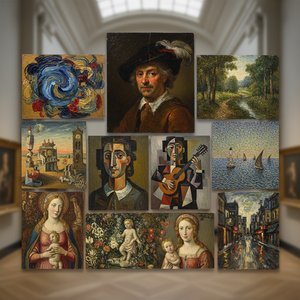
Oil on Board Masters: 10 Paintings That Redefined Art | OriginalUniqueArt
Explore 10 legendary 'Oil on Board' masterpieces by Van Gogh, Monet & more! Discover art history, iconic styles like Impressionism, and find museum-quality reproductions to elevate your home decor. Explore the full collection online at OriginalUniqueArt.com.

The Enduring Legacy of Oil on Canvas: Technique, History & Aesthetic Impact
Explore the rich history & techniques of oil painting – from Renaissance masters to Impressionism. Discover pigments, layering methods, and why this timeless medium endures. Expert insights for artists & art enthusiasts.

Trajnost platna v umetnosti: Tehnike, zgodovina in sodobne metode ohranjanja
Odkrijte zgodovino platna, tehnike ohranjanja in najnovejše metode konzerviranja slik. Izvedite več o vplivu oljne barve na trajnost umetniških del ter nasvetih strokovnjakov za dolgotrajno lepoto vaših dragocenosti.

The Enduring Power of Painting: A Historical & Contemporary Exploration of Form and Emotion
Explore the rich history & enduring techniques of oil painting with OriginalUniqueArt. Discover masterpieces, learn about art collecting, and find authentic handmade reproductions crafted by skilled artists.

Oil on Canvas: A Historical & Technical Exploration of a Timeless Artistic Medium
Explore the rich history & enduring techniques of oil painting on canvas. Discover the science behind its longevity, conservation practices, and contemporary relevance. Expert insights for art enthusiasts.
