

 Preverite v realnem okolju
 Pošlji kot čestitko
 Deli
Deli
 Podrobnosti
 Priročnik

 Prenesi
 Podobni artefakti
 Rentgenski posnetek
 Predvajaj diaporama
 Statistika
Miss Copland
 Rococo
 1767
1767 75.0 x 62.0 cm
 Dumfries Museum And Camera Obscura
 Preberi več
Giclée tisk / Umetniški tisk
Giclée ali platnati odtis muzejske kakovosti z hitro proizvodnjo in prilagodljivimi možnostmi končne obdelave. ( Naročite ročno slikano reprodukcijo Preklop na digitalno sliko)




































Izberite eno od naših vnaprej določenih velikosti, ki ustrezajo prvotnim proporcijam umetničkega dela.

Svoje dimenzije lahko vnesete sami, da bodo ustrezne za določen okvir ali prostor. Če izbrana velikost ne bo skladna z razmerji izvirne slike, bomo umetniško delo orezali ali podaljšali s pomočjo ogledalnega odraza ali barvno polnega roba. Pred začetkom proizvodnje vam bomo poslali digitalni predogled za potrditev.
Upoštevajte, da predogled na zaslonu ne prikazuje dejanskega orezovanja ali podaljševanja. Le digitalni predogled bo natančno prikazal končno kompozicijo.
Čeprav so na voljo prilagojene velikosti, priporočamo izbiro dimenzije s predhodno določenega seznama, da ohranite prvotna razmerja.
Globalna dostava () v 2 tednih namesto standardnih 4/5 tednov. (25 september)

Brezplačna ekspresna dostava po vsem svetu

Visokokakovostno laneno platno

Popolno zavarovanje pošiljke

Garancija povračila carine in uvoznih davkov

Garancija popolnega barvnega ujemanja

Politika vračila v 100 dneh (le v primeru okvar)

Garancija 100% povračila denarja

Popust pri večjem naročilu
 Možnost stekla je na voljo le za velikosti pod 110 cm

Miss Copland
Giclée tisk / Umetniški tisk
Velikost reprodukcije
-


Skupna cena
$ 80
Biografija umetnika
Early Life and Artistic Beginnings
William Millar, born in 1839 and passing in 1913, remains a compelling figure within the landscape of Scottish portraiture. While biographical details surrounding his early life are somewhat scarce, it is understood that he developed a keen eye for capturing character and likeness from a young age. He wasn’t merely replicating features; Millar sought to imbue his subjects with a sense of their inner lives, a quality that would become the hallmark of his work. The artistic climate of 19th-century Scotland provided fertile ground for portraitists, as burgeoning middle classes desired representations of themselves and their families—a demand Millar skillfully addressed. He received formal training, though specifics are elusive, it’s clear he mastered traditional oil painting techniques, laying a solid foundation for his future endeavors.A Master of Scottish Portraiture
Millar quickly established himself as a sought-after portraitist within Scotland. His canvases depict a diverse range of sitters—from prominent members of society to individuals representing the everyday fabric of Scottish life. He possessed an exceptional ability to convey not only physical resemblance but also the personality, social standing, and perhaps even the aspirations of those he painted. His portraits are characterized by meticulous detail, subtle use of color, and a remarkable sensitivity to light and shadow. Unlike some portraitists who favored grand, imposing compositions, Millar often opted for more intimate settings, creating a sense of connection between the viewer and the subject. This approach allowed him to delve deeper into psychological nuance, making his portraits feel remarkably alive.Influences and Artistic Development
While not directly affiliated with any specific art movement, Millar’s work reveals influences from several sources. The traditions of Scottish Realism, emphasizing accurate representation and a connection to the land, are evident in his meticulous attention to detail. He also appears to have been inspired by the works of earlier portrait masters, studying their techniques for capturing likeness and conveying character. Over time, Millar’s style evolved from a more conventional approach to one that incorporated elements of psychological realism. His later portraits demonstrate a greater willingness to experiment with composition and lighting, further enhancing his ability to capture the inner lives of his sitters.Notable Works and Legacy
Although a comprehensive catalogue raisonné of Millar's work is lacking, several paintings stand out as representative examples of his skill and artistry. “Miss Copland” exemplifies his Rococo style, showcasing exquisite detail and elegant beauty. His portraits of Reverend William Leechman demonstrate his ability to capture the dignity and intellectual gravitas of prominent figures.- Millar’s work provides a valuable glimpse into Scottish society during the 19th century.
- His paintings offer insights into the lives, values, and aspirations of those he depicted.
- He was able to capture not only physical resemblance but also the personality and social standing of his sitters.
Historical Significance
William Millar’s significance lies in his ability to create portraits that transcend mere representation. He wasn't simply painting faces; he was capturing moments in time, preserving the essence of individuals within a specific historical context. His work serves as a testament to the enduring power of portraiture—its capacity to connect us with the past and offer insights into the human condition. While perhaps not as widely recognized as some of his contemporaries, Millar’s contributions to Scottish art are undeniable. He remains a significant artist whose paintings continue to captivate viewers with their beauty, sensitivity, and historical depth.
william millar
1839 - 1913
Ključne informacije
- Artistic Movement Or Style: Scottish Portraiture
- Artists Or Movements Influenced By This Artist: ['']
- Artists Who Influenced This Artist: ['']
- Date Of Death: 1913
- Full Name: William Millar
- Nationality: Irish
- Notable Artworks:
- Miss Copland
- Diana, Wife of Sir Walter Scott
- Place Of Birth: Dublin, Ireland
Sorodni članki
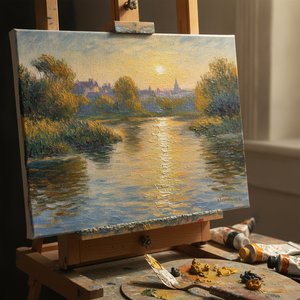
The Soul of Impressionism: Why Oil on Canvas Captures Eternal Light and Timeless Emotion
Discover the enchanting alchemy of Impressionism. Explore how the mastery of oil on canvas, through glazing and impasto, captures eternal light and emotion. Perfect for lovers of Monet and Van Gogh seeking the profound depth of hand-painted fine art.

Rokojska mojstrovin: 10 umetnin, ki so definirale eleganco
Odkrijte 10 mojstrovin, ki so definirale rokokoj! François Boucher, Fragonard & Watteau – potopite se v svet elegance, pastelnih barv in prefinjenega sloga. Najboljše umetnine rokokoja na OriginalUniqueArt.com - za navdih in reprodukcije vrhunske kakovosti.

Trajnost platna v umetnosti: Tehnike, zgodovina in sodobne metode ohranjanja
Odkrijte zgodovino platna, tehnike ohranjanja in najnovejše metode konzerviranja slik. Izvedite več o vplivu oljne barve na trajnost umetniških del ter nasvetih strokovnjakov za dolgotrajno lepoto vaših dragocenosti.

Oil on Canvas: A Historical & Technical Exploration of a Timeless Artistic Medium
Explore the rich history & enduring techniques of oil painting on canvas. Discover the science behind its longevity, conservation practices, and contemporary relevance. Expert insights for art enthusiasts.

The Enduring Legacy of Oil on Canvas: Technique, History & Aesthetic Impact
Explore the rich history & techniques of oil painting – from Renaissance masters to Impressionism. Discover pigments, layering methods, and why this timeless medium endures. Expert insights for artists & art enthusiasts.