Predogled
 Pošlji
 Deli
Deli
 Podrobnosti o delu

 Prenesi
 Podobni izdelki
 Rentgenski posnetek
 Predvajaj diaporama
 Statistika
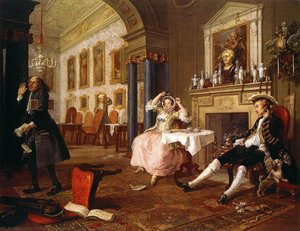
Marriage A-la-Mode - 5, The Bagnio


 Razviljaj več
Giclée tisk / Umetniški tisk
Giclée ali platnati odtis muzejske kakovosti z hitro proizvodnjo in prilagodljivimi možnostmi končne obdelave. ( Kupi ročno naslikano sliko Preklop na digitalno sliko)




P118B $10

P118H $10

P118W $10

P438Z $10

P508JH $12

P508YH $12

P805H $10

P805Z $10

P919BZ $10

P919G $10

P919XJ $10

P959ZH $10

P968JZ $12

W106C $8

W218G $10

W218JH $8

W218Y $10

W307PJ $10

W316G $10

W316PJ $8

W316Y $10

W398PJ $8

W4111J $10

W500HY $15

W500JH $15

W692G $12

W849H $8

W940BG $15

W953PJ $8




Izberite eno od naših vnaprej določenih velikosti, ki ustrezajo prvotnim proporcijam umetničkega dela.

Svoje dimenzije lahko vnesete sami, da bodo ustrezne za določen okvir ali prostor. Če izbrana velikost ne bo skladna z razmerji izvirne slike, bomo umetniško delo orezali ali podaljšali s pomočjo ogledalnega odraza ali barvno polnega roba. Pred začetkom proizvodnje vam bomo poslali digitalni predogled za potrditev.
Upoštevajte, da predogled na zaslonu ne prikazuje dejanskega orezovanja ali podaljševanja. Le digitalni predogled bo natančno prikazal končno kompozicijo.
Čeprav so na voljo prilagojene velikosti, priporočamo izbiro dimenzije s predhodno določenega seznama, da ohranite prvotna razmerja.
Globalna dostava () v 2 tednih namesto standardnih 4/5 tednov. (18 september)

Brezplačna ekspresna dostava po vsem svetu

Visokokakovostno laneno platno

Popolno zavarovanje pošiljke

Garancija povračila carine in uvoznih davkov

Garancija popolnega ujemanja barv

Politika vračilo v 100 dneh (le v primeru okvar)

Garancija 100% povračila denarja

Popust pri večjem naročilu
 Možnost stekla je na voljo le za velikosti pod 110 cm

Marriage A-la-Mode - 5, The Bagnio
Giclée tisk / Umetniški tisk
Velikost reprodukcije
-


Skupna končna cena
$ 80
A Scandalous Snapshot of Georgian Society: Exploring Hogarth’s Marriage A-la-Mode – Part Five
William Hogarth's *Marriage À la Mode*, specifically “The Bagnio,” stands as a cornerstone of 18th-century English art and satire. More than just a depiction of a lavish gathering, it’s a meticulously crafted indictment of societal hypocrisy—a portrait painted with unflinching honesty that continues to resonate centuries later. Created between 1730 and 1732, this monumental canvas captures a moment frozen in time, revealing the corrosive effects of unchecked desire and moral compromise upon the upper echelons of Georgian England.The Scene Unfolds: Composition and Narrative Brilliance
Hogarth’s genius lies not merely in his technical prowess but in his masterful storytelling. The painting plunges viewers into a richly furnished room—a “bagnio,” as its name suggests—where the central figures are engaged in an affair of considerable impropriety. A gentleman, outwardly respectable and adorned with expensive attire, furtively meets his mistress behind closed doors. Simultaneously, his wife remains blissfully unaware of his transgressions, embodying a poignant contrast between outward appearances and inner turmoil. This dynamic arrangement isn’t accidental; Hogarth deliberately utilizes visual cues to amplify the narrative tension and expose the characters' concealed motivations. The placement of the clock on the wall serves as a potent symbol—a relentless reminder that time marches onward, regardless of moral failings, and that consequences inevitably follow deceitful conduct.Technique and Style: Chiaroscuro’s Dramatic Power
Hogarth employed the dramatic technique of chiaroscuro – the masterful manipulation of light and shadow – to heighten the emotional impact of his composition. Deep shadows envelop the room, emphasizing the clandestine nature of the affair and creating a palpable sense of unease. Conversely, carefully positioned highlights illuminate key elements—particularly the faces of the characters—drawing attention to their expressions and conveying subtle nuances of emotion. This technique underscores Hogarth’s commitment to realism, striving to capture not just what is seen but also what is felt by those observing it. The artist's meticulous attention to detail extends beyond mere visual accuracy; he painstakingly renders textures – from the opulent fabrics of the room to the perspiration on the gentleman’s brow – further immersing the viewer in the scene.Symbolism Beyond Surface Appearances
Beyond its immediate narrative, *Marriage À la Mode* is laden with symbolic significance. The bagnio itself represents a space of indulgence and transgression, mirroring the moral decay at the heart of the depicted relationship. Hogarth’s use of color contributes to this overarching theme; muted tones dominate the palette, reflecting the bleakness of the characters' predicament and reinforcing the painting’s critique of societal values. Furthermore, consider the gentleman’s gaze—directed downwards as he meets his mistress—a gesture that speaks volumes about shame and regret. These subtle visual choices elevate *Marriage À la Mode* from a simple depiction of an event to a profound meditation on human psychology and moral responsibility.A Legacy Enduring Through Reproduction
Today, reproductions of Hogarth’s masterpiece grace the walls of institutions like The Sir John Soane's Museum, offering visitors a glimpse into the artistic sensibilities of Georgian England. To appreciate the full scope of Hogarth’s achievement—his unflinching portrayal of societal hypocrisy and his masterful command of technique—is to engage with an artwork that continues to provoke contemplation and inspire admiration. OriginalUniqueArt.com presents exceptional quality reproductions allowing you to experience the brilliance of this iconic painting firsthand.Biografija umetnika
A London Life in Ink and Paint: The World of William Hogarth
William Hogarth, born into the bustling heart of 18th-century London in 1697, was more than just an artist; he was a visual historian, a keen observer of human nature, and a satirical commentator on the societal currents of his age. His life story is inextricably linked to the very fabric of England during a period of significant transformation – its burgeoning ambitions, underlying anxieties, and pervasive hypocrisies all finding potent expression in his remarkably detailed and often biting works. The son of a struggling Latin schoolmaster, Hogarth’s early experiences instilled within him both a love for learning and a sharp awareness of social inequalities, a foundation that would prove crucial to shaping his artistic vision. Initially apprenticed to an engraver, he quickly demonstrated a talent extending beyond mere technical skill; he possessed an innate ability to observe the nuances of human behavior and translate them into compelling visual narratives. However, he chafed against the constraints of traditional engraving, seeking a more expressive outlet for his burgeoning creativity. This led him to studies at both St Martin’s Lane Academy and under Sir James Thornhill, where he honed his skills in painting and composition, absorbing influences that would later inform his unique style.The Birth of Modern Moral Subjects
Hogarth's true innovation lay not simply *what* he painted, but *how*. He pioneered what he termed “modern moral subjects” – series of pictures designed to tell a story, often imbued with a strong satirical edge. These weren’t isolated portraits or landscapes; they were visual novels unfolding before the viewer’s eyes, offering pointed commentary on contemporary society. A Harlot's Progress, created in 1742, stands as perhaps his most famous example. This series of six paintings meticulously follows the tragic downfall of Mary, a young woman arriving in London full of hope but quickly succumbing to the temptations and dangers of city life. Each scene is rendered with painstaking detail, filled with symbolic elements that reveal the moral decay surrounding her. The meticulous depiction of every step of Mary’s descent into prostitution served as an unflinching indictment of societal attitudes towards women and morality. Similarly, A Rake's Progress, begun in 1733, charts the reckless decline of Tom Rakewell, a man who squanders his inheritance on gambling, debauchery, and ultimately, madness. These weren’t merely cautionary tales; they were unflinching portraits of a society grappling with issues of class, morality, and social mobility. Hogarth's genius resided in his ability to elevate everyday scenes – the bustling streets of London, the opulent interiors of the wealthy, the squalid lives of the poor – into works of art that resonated deeply with his audience. He didn’t shy away from depicting the harsh realities of life, presenting them with a blend of humor and pathos that forced viewers to confront uncomfortable truths about themselves and their society.Technique and Influences: A Synthesis of Styles
Hogarth's artistic style was a unique amalgamation of diverse influences. He greatly admired the realism and narrative detail found in the works of Dutch genre painters like Pieter de Hooch, evident in his meticulous depictions of interiors and everyday life. The influence of Rembrandt’s masterful use of chiaroscuro – dramatic contrasts between light and shadow – can also be discerned in Hogarth's paintings. Furthermore, Hogarth was profoundly affected by the satirical prints produced in France during the Enlightenment, particularly those of Jean-Baptiste Simeon Chardin and François Boucher. He absorbed stylistic elements from these artists, adapting them to his own distinctive vision. However, Hogarth wasn’t simply imitating these sources; he was synthesizing them into something entirely new and distinctly his own. His technique was characterized by a masterful use of line and shading, particularly evident in his engravings. He employed a distinctive cross-hatching technique that created depth and texture, bringing his scenes to life with remarkable clarity. This painstaking process ensured that every detail—from the folds of fabric to the expressions on faces—was rendered with precision and conviction. He also possessed an exceptional eye for composition, arranging figures and objects within the frame to create dynamic and engaging narratives. Like many artists of his time, Hogarth studied under Sir James Thornhill, honing his skills in painting and mastering the conventions of theatrical illusionism – a technique that would later contribute to the grandeur of his monumental canvases.Major Achievements: Shaping English Art History
William Hogarth’s contribution to English art history is undeniable. He established a distinctly British artistic identity, rejecting continental stylistic trends in favor of a style rooted in observation and moral reflection. His series of paintings—including *A Harlot's Progress*, *Marriage A-la-Mode*, and *Gin Lane*—became iconic representations of the social landscape of his era, capturing both its beauty and its ugliness with uncompromising honesty. These works challenged viewers to confront uncomfortable truths about themselves and their society, sparking debate and inspiring artists for generations to come. Moreover, Hogarth’s engravings achieved unprecedented popularity, disseminating his satirical commentary throughout England and beyond. His prints served as a powerful tool for social critique, exposing corruption and hypocrisy while simultaneously celebrating virtue and compassion. He is considered one of the fathers of political cartooning and comic strips, paving the way for visual storytelling in popular culture—a legacy that continues to endure today.Historical Significance: A Voice for Change
Hogarth’s artistic vision was driven by a deep concern for social justice and moral responsibility. He believed that art should not merely be aesthetically pleasing but should also serve a purpose beyond mere decoration—namely, to provoke thought and inspire action. His unflinching depictions of poverty, prostitution, and gambling served as a catalyst for reform movements, prompting discussions about societal ills and advocating for compassionate solutions. By confronting viewers with uncomfortable realities, Hogarth compelled them to examine their own values and behaviors, urging them to strive for a more humane and equitable world. He remains a pivotal figure in the history of English art, celebrated not only for his artistic brilliance but also for his unwavering commitment to social reform—a testament to the enduring power of art as a force for change.
Vilijam Hogart
1697 - 1764 , Združeno kraljestvo Velike Britanije in Irsko
Hitri podatki
- Artistic Movement Or Style: Satira, Realizem
- Artists Who Influenced This Artist:
- Pieter de Hooch
- Jonathan Swift
- Date Of Birth: 1697
- Date Of Death: 1764
- Full Name: William Hogarth
- Nationality: Britanska
- Notable Artworks:
- A Harlot's Progress
- A Rake's Progress
- Marriage A-la-Mode
- Place Of Birth: London, UK
Sorodni članki
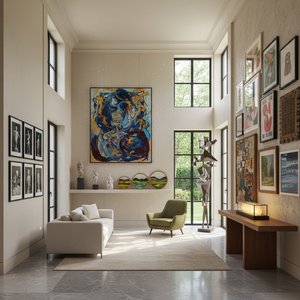
La Biennale di Venezia: 25 umetniških mojstrov za vaš dom | OriginalUniqueArt
Odkrijte 25 ikoničnih umetniških del z La Biennale di Venezia! Preberite zgodbe slikarjev, tehnike in navdih za brezčasne mojstrovine. Reprodukcije slik visoke kakovosti na OriginalUniqueArt.com – idealno za vaš dom.
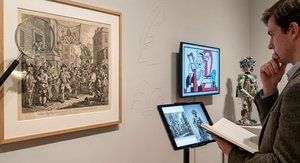
The Sharpest Wit: A Critical Exploration of Satire in Art History – From Hogarth to Contemporary Critique
Explore the history of satire in art! From Hogarth's London to contemporary critique, discover how artists use wit & visual power to reflect and challenge society. Expert insights at OriginalUniqueArt.

William Hogarth: Satire, Social Commentary & the Birth of Modern British Art
Explore the satirical world of William Hogarth, pioneering British painter & engraver. Discover his iconic works like *A Rake's Progress* and insightful social commentary on 18th-century London life.
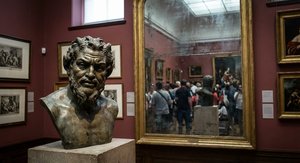
The Sharpest Wit: A Historical Exploration of Satire in Visual Culture
Explore the history of satire in art! From ancient masters like Aristophanes to Goya & Grosz, discover how artists use wit and critique to reflect—and challenge—society. Expert insights at OriginalUniqueArt.
Roger de la Fresnaye: Cubism, Tradition & the Search for Order in Early 20th-Century French Painting
Explore the captivating world of Roger de la Fresnaye, a pivotal French Cubist painter. Discover his unique blend of tradition & modernity, influences, and lasting legacy with OriginalUniqueArt.