
 Predogled
 Pošlji
 Deli
Deli
 Podrobnosti o delu

 Prenesi
 Podobni izdelki
 Rentgenski posnetek
 Predvajaj diaporama
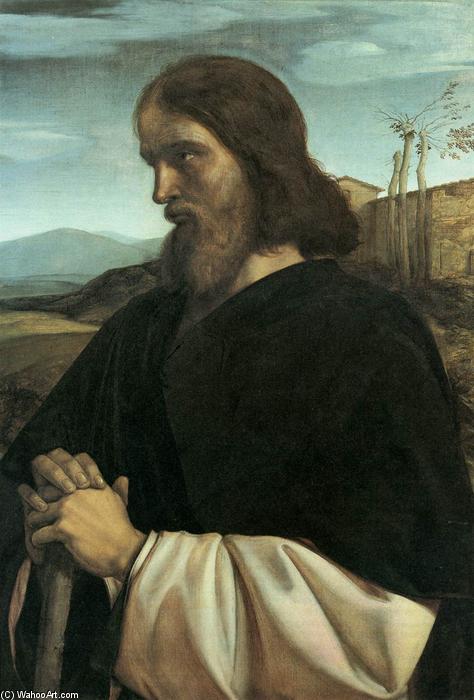
St Joseph
 Oil On Canvas
- WallArt
- Pre-Raphaelite
 1847
1847 79.0 x 55.0 cm
 Royal Collection
 Razviljaj več
Kupite digitalno sliko visoke ločljivosti z izboljšano kakovostjo, ki je precej boljša od spletnega predogleda.
Vsaka datoteka je pod natančnim nadzorom naših strokovnjakov, ki uporabljajo napredna orodja in strokovno ročno obdelavo. Zagotovimo, da ima vsaka slika izjemno jasnost, natančnost barv in fine podrobnosti.
Končna datoteka je po e-pošti dostavljena v 72 urah, optimizirana za takojšnjo uporabo v profesionalnem, uredniškem in tiskarskem okolju. To je kakovost, ki ji zaupajo vrhunska oblikovalna studia, založniki in galerije.
Digitalna slika
Prenesite datoteko visoke ločljivosti za osebno uporabo, tiskanje in kreativne projekte. ( Kupi tisk Kupi ročno naslikano sliko)
Vključeno v vsako naročilo digitalne slike
Zagotovljena strokovna digitalna dostava
Ko izberete OriginalUniqueArt.com, ne prejmete le slike – prejmete digitalno umetniško delo, ki je profesionalno urejeno, izdelano z natančnostostjo in zavestno zagotovljeno z garancijo za zadovoljstvo. Tukaj je vse, kar samodejno prejmete z vašim naročilom:

Hitra dostava prek e-pošte
Vaša digitalna slika visoke ločljivosti bo na vaš e-naslov poslana v roku 72 ur od zaklopa naročila – pripravljena za takojšnjo uporabo.

Digitalna datoteka z umetno inteligenco
Vaše umetniško delo je strokovno optimizirano z uporabo naprednih orodij umetne inteligence in ročne obdelave, kar zagotavlja največjo stopnjo podrobnosti, jasnosti in barvne natančnosti.

Brezplačna ponovna dostava za vse življenje
Ste zaradi nespremietne napake izgubili ali izbrisali svojo datoteko? Ni težav – vam jo bomo ponovno poslali kadar koli in brezplačno.

Brez uvoznih pristojbin – vedno
Uživajte v svojem umetniškem delu takoj, brez carin, davkov ali stroškov dostave – digitalni prenosi so vedno brezdavčni.

Zagotovilo natančnosti barv
Z uporabo profesionalnih orodij in upravljanja barv zagotavljamo, da vaša digitalna slika čim bolj natančno odraža prvotne barve.

100-dnevna garancija zadovoljstva
Če niste zadovoljni s svojo digitalno sliko, jo bomo uredili ali povrnili 100% zate v 100 dneh – brez kakršnih koli vprašanj.

100% Garancija povračila denarja
Niste zadovoljni? Zagotavljamo vam popoln povračilo sredstev v 100 dneh po prejemu digitalne datoteke – brez dodatnih vprašanj.

Popusti pri večjem številu naročil
Kupite 3 slike, prihranite 10% - Kupite 5 slik, prihranite 15% - Kupite 10+ slik, prihranite 20%. Odlično za kreativne projekte, galerije in agencije.
The Serene Figure: William Dyce’s St. Joseph
William Dyce's "St. Joseph" is more than a portrait; it’s a carefully constructed meditation on faith, domesticity, and the quiet dignity of a biblical figure. Painted in 1847 during a period of burgeoning Pre-Raphaelite influence in England, this oil-on-canvas work transcends mere representation to become a deeply evocative study of human character. Dyce, a pivotal figure in establishing art education within the British system, imbues the scene with an almost palpable sense of contemplation – Joseph’s gaze, slightly turned leftward, suggests a man lost in thought, perhaps reflecting on his role as guardian of Mary and infant Jesus.
The composition itself is remarkably restrained. Dyce eschews dramatic gestures or elaborate drapery, opting instead for a directness that draws the viewer into Joseph’s world. The muted palette – dominated by earthy browns, ochres, and subtle greens – contributes to the painting's overall sense of solemnity and timelessness. Notice how Dyce masterfully employs light and shadow; it isn’t harsh or theatrical but rather a gentle diffusion that softens the features and emphasizes the texture of Joseph’s clothing, hinting at both its practicality and the inherent value placed upon his role.
A Pre-Raphaelite Echo
Dyce's work firmly resides within the orbit of the Pre-Raphaelites, though he never formally joined their brotherhood. The influence is evident in his meticulous attention to detail, his preference for naturalistic rendering, and his exploration of religious themes with a heightened sense of emotional resonance. The painting shares similarities with works by Millais and Rossetti – particularly in its focus on the domestic sphere and the portrayal of biblical figures as relatable human beings. However, Dyce’s approach is subtly different; there's a greater emphasis on psychological depth and a quiet reverence that distinguishes his style.
The choice of subject matter itself—St. Joseph—is significant. Often overshadowed by Mary and Jesus in traditional iconography, Joseph represents the steadfastness, humility, and protective spirit essential to the Christian narrative. Dyce’s portrayal elevates him beyond a mere supporting character, presenting him as a man of quiet strength and unwavering devotion.
Craftsmanship and Context
Created in 1847, “St. Joseph” reflects the artistic climate of Victorian England. The Royal Collection, where it currently resides at Windsor Castle, speaks to its historical importance and enduring appeal. Dyce’s technical skill is undeniable; his brushwork is smooth and controlled, creating a sense of depth and texture that invites close examination. The canvas itself, likely prepared by a skilled craftsman, provides an ideal surface for Dyce's meticulous rendering.
Furthermore, the painting was commissioned by Prince Albert, highlighting its significance within the royal household. This connection adds another layer to the artwork’s narrative – it wasn’t merely a devotional image but also a symbol of familial piety and the values championed by the Victorian monarchy. The inclusion of the landscape background—rolling hills under a cloudy sky—further grounds the scene in a tangible reality, suggesting that Joseph's faith is rooted in the everyday world.
A Legacy of Reflection
“St. Joseph” remains a powerful and moving work of art. It’s a testament to Dyce’s artistic vision and his ability to capture the essence of human emotion through meticulous observation and skillful execution. More than just a depiction of a biblical figure, it's an invitation to contemplate themes of faith, family, and the quiet dignity of ordinary lives. Reproductions of this piece offer a beautiful opportunity to bring a touch of Victorian serenity and contemplative grace into any space.
Biografija umetnika
Zgodnje življenje in umetniška izobraževanja
William Dyce (1806–1864) se je rodil v Aberdeenu v Škotski, kot sin dr. Williama Dyca FRSE, zdravnika in člana Kraljeve družbe, ter Margaret Chalmers, hčerke bogatega bankirja. Njegova družina je v njem negovala ljubezen do znanja in kulture, s čimer mu je zagotovila trdne temelje za njegove prihodnje umetniške poti. Obiskal je Marischal College, univerza v Aberdeenu, kjer je že v starostih šesnaestih letih pridobil magisterij – kar je bil za takratni čas izjemno dosežek. Ko je prepoznal svoj talent za oblikovanje, je Dyce poiskal formalno izobraževanje na kraljevih akademskih šolah v Edinburgu in Londonu, kjer se je potopil v študijo klasične umetnosti in osvajal tehnike, ki so postale ključne za njegovo kasnejšo kariero. Njegove oblikovalne leta je zaznamalo izpostavljanje vplivnim umetniškim idejam, ki so krožile po Škotski in Angliji, kar je oblikovalo njegovo estetsko čutnost in ga uveljavilo kot študenta, globoko predanega umetniški odličnosti.Italijanski vplivi in umetniška razvojnost
Dycovo prvo pomembno potovanje v tujino se je zgodilo leta 1825, ko je odpotoval v Rim – trenutek, ki je neopozovljivo spremenil pot njegove umetniške življenega poti. Navdihnjen s veličastnostjo renesančne umetnosti in očaran z duhom nazarenskih slikarjev je Dyce devet mesecev z gosto in vztrajno študijo posvečal delom Tiziana in Poussina, pri čemer je vprl v njihove kompozicijske principe in osvajal njihovo dovršeno uporabo barv. Ta potopitev v italijansko umetniško tradicijo je globoko vplivala na njegov slog, spodbudila preference za natančno opazovanje in prenašanje globoke duhovne kontemplacije – značilnosti, ki so postale nedeljna značilnost njegovega dela. Leta 1826 se je vrnil v Aberdeen, kjer je še naprej izpiljal svoje slikarstvo in ustvaril več znamenitih del, vključno s sliko Bacchus Nursed by the Nymphs of Nysa, ki je dosegla veliko priznanje.Edinburška leta in portretiranje
Dyce se je sredi tridesetih let 19. stoletja v Edinburgu uveljavil kot portretist in si zagotovil naročila prestižnih oseb iz škotske družbe. Njegova natančna pozornost do detajlov – še posebej njegova sposobnost zajema subtilnih izrazov in psiholoških nianc – mu je prinesla veliko slavo. Sestavil je klasične vplive z romantičnimi občuti in ustvarjal portrete, ki so bili tako estetsko izrefinedi kot čustveno udarni. Hkrati je zagovarjal cilje umetniškega izobraževanje in se zavzemal za ustanovitev šole za oblikovanje v Edinburgu – položaj, ki ga je zastopljal do leta 1843, kjer je nadzoroval njeno širitev in modernizacijo.Londonska vloga in arhitekturno pokajanje
Leta 1837 se je Dyce preselil v London, kjer je sprejel vlogo učitelja v šoli za oblikovanje v Somerset House. To je predstavljalo pomembno preobratnico v njegovi karieri, saj ga je postavilo v srce viktorijanske umetniške diskursnosti in mu omogočilo dostop do vplivnih pokroviteljev – najbolj opazno princa Alberta. Izvedel je obsežne raziskave o praksah umetniškega izobraževanja v tujini, kar je prispevalo k nastanku "South Kensington Systema", ki je desetletja vladal angleškemu pouku umetnosti. Dycejeva vloga se je širila tudi izven pedagoških prizadevanj; deloval je kot svetovalec pri arhitekturnih projektih, vključno z načrtovanjem novih Houses of Parliament – projektu, ki je prikazal njegovo mojstrstvo pri freski in utrdil njegovo ugled kot enega najboljše umetnikov Britanije.Glavni dosežki in dediščina
Dycova umetniška dediščina temeljijo predvsem na dveh monumentalnih podvladih: dekoraciji Westminsterske opatije in ustvarjanju Houses of Parliament. Njegove freske v Westminsterski opatiji – še posebej Neptune Resigning to Britannia – predstavljajo triumf viktorijanskih ambicij in umetniške vizije, saj personificirajo veličastnost imperialne Britanije in kažejo Dycevo nepremagljivo znanje tehnike freske. Vendar pa njegovo najslavnejše del ostaja Pegwell Bay, Kent – pejzažna slika, ki prikazuje Dycevo natančno opazovanje narave in njegovo sposobnost prenosa globoke čustvene globine. Poleg tega so Dycevi prispevki k umetniškemu izobraževanju – ustanovitev Royal College of Art in njegovo zagovarjanje inovativnih pedagoških pristopov – preživeli kot dokaz njegove neomajne vere v transformativno moč umetniške izobrazbe. William Dyce ostaja umetnik, katerega del odraža duh viktorijanske Britanije – zaznamovan z intelektualno radovednostjo, moralno resnostjo in strastno predanostjo dvigovanju človeške kulture.
William Dyce
1806 - 1864 , Združeno kraljestvo
Ključne informacije
- Artistic Movement Or Style: Prerafaeliti
- Artists Or Movements Influenced By This Artist: ['Nazareni']
- Artists Who Influenced This Artist:
- Friedrich Overbeck
- John Ruskin
- Date Of Birth: 1806-09-19
- Date Of Death: 1864-02-14
- Full Name: William Dyce
- Nationality: Škotski
- Notable Artworks:
- Pegwell Bay, Kent
- Madona in otrok
- Dunstan loči Edwyja in Elgivo
- Place Of Birth: Aberdeen, Združena kraljevina