

 Preverite v realnem okolju
 Pošlji kot čestitko
 Deli
Deli
 Podrobnosti
 Guide
Guide

 Prenesi
 Podobni artefakti
 Rentgenski posnetek
 Predvajaj diaporama
 Statistika
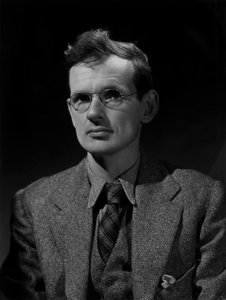
Sir Thomas Franklin Sibly (1883–1948)
 1947
1947 92.0 x 71.0 cm
 The University of Reading
 Preberi več
Kupite digitalno sliko visoke ločljivosti z izboljšano kakovostjo, ki je precej višja od spletnega predogleda.
Vsako datoteko naše strokovnjake v ekipi z največjo mero natančnosti pripravijo z uporabo naprednih orodij in strokovne ročne obdelave. Zagotovimo, da je vsaka slika izjemno jasna, barvno natančna in polna finih podrobnosti.
Končna datoteka je po e-pošti dostavljena v 72 urah, optimizirana za takojšnjo uporabo v profesionalnem, uredniškem in tiskarskem okolju. To je kakovost, ki ji zaupajo vrhunska oblikovalna studia, založniki in galerije.
Digitalna slika
Prenesite datoteko visoke ločljivosti za osebno uporabo, tiskanje in kreativne projekte. ( Preklop na tiskanine Naročite ročno slikano reprodukcijo)
Vključeno v vsako naročilo digitalne slike
Zagotovljena strokovna digitalna dostava
Z izbiro OriginalUniqueArt.com ne prejmete le slike – prejmete profesionalno urejeno digitalno umetniško delo, izdelano z največjo natančnostjo in zavestno podprto z garancijo za zadovoljstvo. Tukaj je vse, kar bo z vašim naročilom samodejno priloženo:

Hitra dostava po e-pošti
Vaša digitalna slika visoke ločljivosti bo na vaš e-naslov poslana v roku 72 ur od zaklopa naročila – pripravljena za takojšnjo uporabo.

Digitalna datoteka z uporabo AI
Vaše umetniško delo je strokovno optimizirano z uporabo naprednih orodij umetne inteligence in ročne obdelave, kar zagotavlja največjo stopnjo podrobnosti, jasnosti in barvne natančnosti.

Brezplačna doletna ponovna dostava
Ste datoteko zaradi nespremietne napake izgubili ali izbrisali? Ni težav – vam jo bomo ponovno poslali kadar koli in brezplačno.

Brez uvoznih pristojbin – vedno
Svoje umetniško del uživajte takoj, brez carin, davkov ali stroškov dostave – digitalni prenosi so vedno brezdavčni.

Zagotovilo natančnosti barv
Z uporabo profesionalnih orodij in procesov upravljanja barv zagotavljamo, da vaša digitalna slika čim bolj natančno odraža prvotne barve.

100-dnevna garancija zadovoljstva
Če niste zadovoljni s svojo digitalno sliko, jo bomo uredili ali vam v 100 dneh povrnili 100% denarja – brez kakršnih koli vprašanj.

100% Garancija povračila denarja
Niste zadovoljni? Zagotavljamo vam popoln povračilo sredstev v 100 dneh po prejemu digitalne datoteke – brez dodatnih vprašanj.

Popusti pri večjih naročilih
Kupite 3 slike, prihranite 10% - Kupite 5 slik, prihranite 15% - Kupite 10+ slik, prihranite 20%. Odlično za kreativne projekte, galerije in agencije.
Biografija umetnika
William Dring: A Quiet Master of Post-War British Portraiture
William Dring (1904-1990) wasn’t a flamboyant figure in the art world, yet his quietly assured portraits and landscapes offer a remarkably sensitive glimpse into post-war Britain. Born in Streatham, London, and trained at the prestigious Slade School of Fine Art, Dring’s career unfolded with a deliberate grace, marked by meticulous technique, understated emotion, and a profound understanding of human character. He wasn't driven by grand gestures or revolutionary ideas; instead, he excelled at capturing the essence of his subjects – from royalty to everyday individuals – with an almost uncanny ability to reveal their inner lives.
Dring’s early artistic development was shaped by the rigorous training at the Slade, where he honed his skills in draughtsmanship and composition. He quickly established himself as a talented pastel artist, mastering the medium's capacity for subtle tonal shifts and delicate detail. This technical proficiency would become a hallmark of his work, allowing him to create images that were both precise and deeply expressive. His initial commissions included murals for architects Lutyens and Richardson, providing an early exposure to diverse subjects and styles – a foundation upon which he built his distinctive artistic voice.
The War Artist and the Portrait of a Nation
World War II dramatically altered Dring’s trajectory, thrusting him into the role of official War Artist. He was commissioned by the Admiralty and Air Ministry to document the realities of conflict through portraiture, capturing the faces of those who served – officers, sailors, airmen, and civilians alike. This period represents a crucial phase in his artistic development, as he adapted his skills to meet the urgent demands of wartime service. His portraits weren’t heroic celebrations of military might; rather, they offered intimate studies of individuals grappling with uncertainty, resilience, and loss. The starkness of the war years informed his palette, favoring muted tones and a restrained approach that amplified the emotional weight of each image.
Dring's wartime work is particularly notable for its accessibility and humanity. He eschewed grand poses and theatrical settings, preferring to capture subjects in naturalistic situations – at their desks, during breaks, or engaged in everyday activities. This intimacy created a powerful connection between the viewer and the portrayed individual, offering a poignant reflection on the human cost of conflict. His portraits of figures like Commander William D. King, a submarine officer who faced extraordinary challenges during the Battle of the Atlantic, stand as testaments to his ability to convey both strength and vulnerability.
A Royal Patronage and Beyond
Following the war, Dring continued to work prolifically, establishing himself as one of Britain’s most respected portraitists. He received commissions from prominent figures – including members of the Royal Family – and produced a series of celebrated portraits that captured the dignity and grace of his subjects. His ability to capture not just physical likeness but also personality and character was highly valued by his patrons. Beyond portraiture, Dring also explored landscapes with a similar sensitivity, employing a restrained palette and meticulous attention to detail to evoke the beauty and tranquility of the British countryside.
His work gained recognition through exhibitions at the Royal Watercolour Society and the Royal Academy, solidifying his place within the established art world. He became an Associate Academician in 1944 and a full Academician in 1955 – honors that reflected his enduring contribution to British art. Dring’s legacy lies not in revolutionary innovation but in his quiet mastery of technique, his profound empathy for his subjects, and his ability to capture the spirit of an era through understated yet deeply resonant imagery.
Key Characteristics and Influences
Dring's style is characterized by several key elements. His draughtsmanship was impeccable, evident in the precise lines and careful modeling of his figures and landscapes. He favored pastel as his primary medium, appreciating its versatility for capturing tonal nuances and creating a sense of immediacy. His portraits are notable for their psychological depth – he didn’t simply reproduce appearances but sought to reveal the inner lives of his subjects. Influences on Dring's work can be traced back to the Slade School of Art, particularly the teachings of Henry Tonks, who emphasized observation and technical skill. The influence of British landscape painting traditions is also evident in his depictions of the countryside, reflecting a deep appreciation for the beauty of the natural world.
Dring’s work offers a valuable window into post-war Britain – a nation grappling with the aftermath of conflict while striving to rebuild its society and identity. His portraits are not merely representations of individuals; they are reflections of a time, capturing the hopes, anxieties, and resilience of a generation.
william d dring
1904 - 1990
Kratek pregled
- Artistic Movement Or Style: Portraiture, Landscape
- Artists Or Movements Influenced By This Artist:
- Royal Watercolour Society
- Royal Academy
- Artists Who Influenced This Artist: ['Henry Tonks']
- Date Of Birth: 26 January 1904
- Date Of Death: 29 September 1990
- Full Name: Dennis William Dring
- Nationality: British
- Notable Artworks:
- Conversation in the Bar
- Distant View of Worcester
- Miss Elizabeth Bolton
- Place Of Birth: Streatham, London