Preverite v realnem okolju
 Pošlji kot čestitko
 Deli
Deli
 Podrobnosti
 Priročnik

 Prenesi
 Podobni artefakti
 Rentgenski posnetek
 Predvajaj diaporama
 Statistika
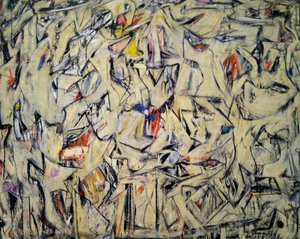
Reclining Man (John F. Kennedy)
 Acrylic On Paper
- Abstract Expressionism
 1963
1963- Modern
 58.0 x 69.0 cm
 Preberi več
Umetniška dela, prikazana na tej strani, so zaščitena z avtorskimi pravicami, kar pomeni, da po zakonu ne moremo ustvarjati ali prodajati identičnih reprodukcij. Ta zaščita se izvaja v skladu z mednarodnimi sporazumi, kot so Bernska konvencija in po nacionalnih zakonih, vključno s tistimi, ki jih določa Zakon o avtorskih pravicah ZDA – naslov 17.
Ta način v celoti upošteva zakonodajo o avtorskih pravicah, saj ne vključuje kopiranja ali podvajanja zaščitena umetniškega dela. Namesto tega gre za kreativno preinterpretacijo – novo sliko, ki je navdihnjen rezultat originala, vendar ni z njim identična.
Giclée tisk / Umetniški tisk
Giclée ali platnati odtis muzejske kakovosti z hitro proizvodnjo in prilagodljivimi možnostmi končne obdelave. ( Naročite ročno slikano reprodukcijo Preklop na digitalno sliko)




P118B €10

P118H €10

P118W €10

P438Z €10

P508JH €12

P508YH €12

P805H €10

P805Z €10

P919BZ €10

P919G €10

P919XJ €10

P959ZH €10

P968JZ €12

W106C €8

W218G €10

W218JH €8

W218Y €10

W307PJ €10

W316G €10

W316PJ €8

W316Y €10

W398PJ €8

W4111J €10

W500HY €15

W500JH €15

W692G €12

W849H €8

W940BG €15

W953PJ €8




Izberite eno od naših vnaprej določenih velikosti, ki ustrezajo prvotnim proporcijam umetničkega dela.

Vnesite širino in višino, ki jih potrebujete za svoj okvir ali steno. Tiskanje se lahko le odreže, vendar ga ni mogoče narediti večjega od slike, zato format z drugačno obliko pomeni izgubo dela slike. Pred tiskanjem vam pošljemo digitalni predogled za potrditev. Slika, prikazana na tej strani, ne prikazuje dejanskega izrezkov — le predogled to omogoča.
Globalna dostava () v 2 tednih namesto standardnih 4/5 tednov. (23 oktober)

Brezplačna ekspresna dostava po vsem svetu

Visokokakovostno laneno platno

Popolno zavarovanje pošiljke

Garancija povračila carine in uvoznih davkov

Garancija popolnega barvnega ujemanja

Politika vračila v 100 dneh (le v primeru okvar)

Garancija 100% povračila denarja

Popust pri večjem naročilu
 Možnost stekla je na voljo le za velikosti pod 110 cm

Reclining Man (John F. Kennedy)
Giclée tisk / Umetniški tisk
Velikost reprodukcije
-


Skupna cena
€ 70
Reclining Man (John F. Kennedy): A Study in Ambiguity and Modernist Emotion
Willem de Kooning’s *Reclining Man (John F. Kennedy)*, completed in 1963, is a powerfully unsettling work that transcends simple portraiture. It resides within the turbulent heart of Abstract Expressionism, a movement defined not by representation but by the raw expression of emotion and process. This piece, currently housed at the Hirshhorn Museum and Sculpture Garden in Washington D.C., immediately challenges our expectations of what a portrait should be – and indeed, it’s been debated whether it depicts a man or a woman, adding layers of complexity to its interpretation. The painting isn't merely a likeness; it’s an embodiment of the anxieties and uncertainties simmering beneath the surface of American society during the early 1960s, a period marked by political upheaval and profound cultural shifts. The genesis of *Reclining Man* lies within De Kooning’s exploration of the female form, a subject he revisited with increasing intensity throughout the late 1940s and 50s. Works like *Woman I*, *Woman II*, and *Woman III* established his reputation for portraying women in states of intense physicality – often fragmented, distorted, and imbued with a primal energy. However, *Reclining Man* represents a departure, albeit a subtle one. The figure is presented from a low angle, almost lying on the ground, enveloped in a swirling vortex of pinks, reds, and yellows. This deliberate distortion creates a sense of vulnerability and instability, contrasting sharply with the heroic iconography typically associated with presidential portraits. The ambiguity surrounding the subject’s gender – a deliberately unresolved element – speaks to the broader anxieties of the time, reflecting a nation grappling with shifting social norms and challenging traditional roles. It's a figure caught between masculine power and feminine sensuality, embodying the complexities of the era. De Kooning’s technique is as crucial to understanding the painting’s impact as its subject matter. Executed on paper – a choice that lends itself to spontaneity and gestural freedom – *Reclining Man* is characterized by bold, energetic brushstrokes. These aren't carefully blended or smoothed; instead, they are applied with a forceful immediacy, conveying a sense of raw emotion and physical exertion. The colors themselves contribute significantly to the painting’s intensity. The vibrant pinks and reds evoke passion and desire, while the yellows suggest both energy and unease. The stark white background serves to amplify these colors, creating a dynamic visual field that draws the viewer into the figure's turbulent world. This technique is deeply rooted in the action painting style championed by De Kooning and his contemporaries, emphasizing the act of painting itself as a vital component of artistic expression. The historical context surrounding *Reclining Man* is inextricably linked to the broader trajectory of Abstract Expressionism. Emerging in the aftermath of World War II, this movement sought to break free from the constraints of European art traditions and explore new modes of representation. Artists like De Kooning rejected traditional notions of beauty and harmony, instead embracing abstraction, distortion, and emotional intensity as means of conveying their subjective experiences. *Reclining Man* can be seen as a reflection of the anxieties and uncertainties that permeated American society during the Cold War era – a time of heightened political tension, social unrest, and existential questioning. The painting’s ambiguous imagery and unsettling composition mirror the sense of disorientation and instability that many Americans felt in the face of these challenges. Furthermore, De Kooning's exploration of the female form at this time was part of a larger conversation about gender roles and identity, reflecting the changing social landscape of the 1960s.Composition and Materials
Measuring 58 x 69 cm, *Reclining Man* is a relatively intimate work, allowing for a deeply personal engagement with its subject matter. The choice of paper as the support medium is significant; it allows De Kooning to exploit the material’s inherent qualities – its texture, absorbency, and responsiveness to paint – in ways that would be impossible on canvas. The composition itself is deliberately unbalanced, with the figure dominating the lower half of the picture plane while the background swirls around it like a vortex. This creates a sense of dynamism and movement, suggesting a state of perpetual flux. The use of impasto—thickly applied paint—further enhances this effect, adding tactile dimension to the image and emphasizing the physicality of De Kooning’s brushstrokes.Willem de Kooning: A Legacy of Innovation
Willem de Kooning (1904-1997) was a pivotal figure in 20th-century art, renowned for his groundbreaking contributions to Abstract Expressionism and his relentless experimentation with form and technique. Beyond *Reclining Man*, his oeuvre encompasses a vast range of styles and subjects, including portraits, landscapes, still lifes, and abstract compositions. Key works include the monumental “Woman I” series (1948-50), which remains one of the most iconic images of the Abstract Expressionist movement, and "Painting" (1946), an early example of his gestural style. His prolific output demonstrates a lifelong commitment to pushing the boundaries of artistic expression and challenging conventional notions of representation.Exploring a Masterpiece: Reproductions and Beyond
OriginalUniqueArt offers meticulously crafted, hand-painted reproductions of *Reclining Man (John F. Kennedy)* that capture the essence of De Kooning’s original work with unparalleled fidelity. Our artists utilize traditional oil painting techniques to recreate the texture, color palette, and dynamic brushstrokes of this iconic piece, ensuring a stunningly authentic representation for your home or collection. Whether you are an art enthusiast, collector, or simply seeking a unique and evocative artwork, our reproductions provide a beautiful and accessible way to experience the power and complexity of De Kooning’s vision. Explore our selection today and bring this compelling masterpiece into your space.- Size Options: Available in multiple sizes to suit your needs.
- Hand-Painted Reproduction: Each reproduction is meticulously crafted by a skilled artist.
- High-Quality Materials: Created using archival-quality oil paints and canvas for lasting beauty.
Learn more about *Reclining Man (John F. Kennedy)* on OriginalUniqueArt.
Vprašanja in odgovori
Kakšno vzdušje in čustvo se prepletata v "Reclining Man (John F. Kennedy)"?
V "Reclining Man (John F. Kennedy)" spremlja Dramatic vzdušje in Melancholic čustvo.
Pri katerih dimenzijah se priporoča tiskanje dela "Reclining Man (John F. Kennedy)"?
Za delo "Reclining Man (John F. Kennedy)" priporočamo tisk v velikosti Medium. Na voljo so tudi druge velikosti z istimi proporcijami.
Ali je "Reclining Man (John F. Kennedy)" brez avtorskih pravic?
Odgovor o avtorskih pravicah za "Reclining Man (John F. Kennedy)" avtorja Willem De Kooning: del je še vedno pod avtorsko pravico. To določa, ali se lahko reprodukcije slike izdelujejo prosto.
Biografija umetnika
Življenje ustvarjeno v abstraktnem ekspresionizmu
Willem de Kooning, ime tesno povezano s surovim energičnim nabojem in čustvenimi globinama abstraktega ekspresionizma, se je rodil leta 1904 v Rotterdamu na Nizozemskem. Njegovo zgodnje življenje je bilo zaznamovano z družinskim razkolom – starši so se ločili, ko je bil še mlad – kar mu je morda vštevalo občutek negotove iskanja, ki je prežemalo njegovo umetniško pot. Po dvanajstem letu zapustil formalno šolo in se izučil pri komercialnem umetniku, kar je postavilo temelje za njegovo tehnično spretnost, hkrati pa spodbudilo željo, da bi se osvobodil konvencionalnih omejitev. Večerni študij na Academie van Beeldende Kunsten en Technische Wetenschappen v Rotterdamu mu je zagotovil nadaljnje temeljne usposabljanje, vendar ga je predvsem hrepenenje po nečemu več – krepkejši, izrazitejši jezik – končno potisnilo proti Ameriki leta 1926. Njegova prispetje ni bilo brez težav; znan je, da se je skrivno vkrcal na ladjo, kar uteleša duh tujca, ki išče nove obzorja. New York City je postal njegov dom, in njegova živahna, pogosto trda energija je globoko oblikovala njegovo razvijajočo se zvrst. Izvajal je različna dela – slikar hiš, tesar – medtem ko je neusmiljeno zasledoval svojo umetniško vizijo, v svoje delo vpijajoč utrip mesta.Od urbanih prizorov do abstraktne gneve
De Kooningove zgodnje slike so odražale njegovo neposredno okolje: urbani kraji in portreti, ki so ujeli dinamiko newyorškega življenja. Vendar so bili ti le začetni koraki proti globljem raziskovanju oblike in čustva. Prelomni trenutek je prišel s povezavo z Arshile Gorkyjem, katerega vpliv se je izkazal za transformativen. Gorky ga je spodbujal k eksperimentiranju z abstraktnim, goječ željo po razgradnji tradicionalne reprezentacije v iskanju nečesa globljega. Tretje desetletje 20. stoletja je De Kooning posvetil socialnemu realizmu in muralističnim projektom preko Administracije za javna dela (WPA), obdobja, ki mu je brusilo vešče, a hkrati poudarilo omejitve izključno reprezentativne umetnosti. Čutil je naklonjenost do dela Stuarta Davisa in Johna Grahama, umetnikov, ki so prav tako potiskali meje. Ta zlitje vplivov ga je postopoma odmikalo od črtičnega upodabljanja proti vedno bolj abstraktnemu jeziku. Ni bil nagel preobrat, temveč počasen ogenj – namenitna razgradnja uveljavljenih norm, ki jo je spodbudila intelektualna radovednost in neusmiljeno iskanje umetniške resnice.Serija "Žena": Znamenita dosežek
Po drugi svetovni vojni se je De Kooning pojavil kot osrednja figura v razcvetenem gibanju abstraktega ekspresionizma. To obdobje je zaznamovalo prelomnico, ki je vrhunsko dosegla njegovo ikonično serijo "Žena" (1950-1953). Te slike – med njimi monumentalno *Žena I* – niso le prikazi ženskih figur; so visceralne raziskave ženskosti, spolnosti in kompleksnosti človeških čustev. Odkrita z agresivnimi potezami s krtačo, fragmentiranimi oblikami in motečim združenjem barv, je serija "Žena" izpodbijala konvencionalne predstave o lepoti in reprezentaciji. Bili so kontroverzni, celo šokantni za nekatere, vendar je njihova moč ležala v zavrnitvi konformizma. De Kooning ni želel ustvariti idealiziranih slik; je hotel ujeti surovino, neukrotljivo bistvo svojih subjektov. Poleg serije "Žena" sta *The Glazier* in *Excavation* dodatno prikazala njegov dinamičen pristop k slikanju, pri čemer je pokazal mojstrski nadzor nad teksturo, barvo in kompozicijo. Ni se izogibal kaosu ali dvoumnosti; nasprotno pa ju je sprejel kot celovite sestavine svojega umetniškega jezika.Razvijajoče se pokrajine in trajna dediščina
V šestdesetih letih prejšnjega stoletja je De Kooningova zvrst doživela še eno pomembno evolucijo. Čeprav je ostala osrednja abstrakcija, so krajinski elementi začeli igrati bolj pomembno vlogo, pogosto upodobljeni s svetlejšim paleto in prostočasnejšimi potezami s krtačo. Neprestano je eksperimentiral z različnimi tehnikami in materiali, nikoli zadovoljen s počitkom na lovorikah. Njegova poznejša dela kažejo izjemno sposobnost ponovnega iznajdljivosti medtem ko ostaja veren svojim jedrnim umetniškim načelom. Zgodinski pomen Willema de Kooninga je nesporljiv. Pomagal je uveljaviti New York kot svetovno središče za umetnost, izpodbijajoč prevlado evropskih tradicij in utrla pot prihodnjim generacijam umetnikov. Njegovo delo še naprej navdihuje občudovanje in sproža debate, opominja nas na moč abstrakcije pri podajanju globljih čustvenih resnic. De Kooning je umrl leta 1997 in za seboj pustil obsežno in vplivno delo, ki stoji kot priča njegovi neomajni zavezanosti umetniški inovaciji in njegovi trajni dediščini kot enega najpomembnejših ameriških umetnikov 20. stoletja. Njegov vpliv se še vedno odziva.
Willem De Kooning
1904 - 1997 , Nizozemska
Ključne informacije
- Datum Rojstva: 24. april 1904
- Datum Smrti: 19. marec 1997
- Kraj Rojstva (Mesto In Država): Rotterdam, Nizozemska
- Nacionalnost: Nizozemsko-ameriški
- Polno Ime: Willem de Kooning
- Umetniki Ali Gibanja, Ki So Bili Pod Njegovim Vplivom: ['New York School']
- Umetniki, Ki So Vplivali Na Njega:
- Arshile Gorky
- Stuart Davis
- John Graham
- Umetniški Slog Ali Gibanje: Abstrakten ekspresionizem
- Znani Umetnine:
- Žena I
- Marilyn Monroe
- Reclining Man (JFK)
- Izkop
Sorodni članki

Willem de Kooning: Abstraction, Gesture & the Evolution of Post-War American Painting
Explore the evolution of Willem de Kooning's iconic Abstract Expressionist paintings. Discover his signature style, key themes & investment potential with expert insights for discerning art collectors.
Beyond Representation: Exploring the Emotional Landscape of Abstract Expressionism
Explore the profound emotional world of Abstract Expressionism with OriginalUniqueArt. Discover key artists like Pollock & Rothko, learn about collecting, and find museum-quality reproductions to inspire your space.

Absolutni Izrazi: 10 Mojstrin Del, Ki So Definirali Gibanje
Odkrijte 10 mojstrin del abstraktnega ekspresionizma! Pollock, Rothko & De Kooning - zgodbe za kulise ikoničnih umetnin. Inspirirajte se in poiščite reprodukcije na OriginalUniqueArt.com!

Kandinsky's Masterpieces: 25 Paintings That Define Abstract Art | OriginalUniqueArt
Journey through Wassily Kandinsky's 25 most iconic abstract paintings. Explore his revolutionary use of color, form & spiritual expressionism. Find museum-quality Kandinsky reproductions and elevate your home decor with OriginalUniqueArt.com. Discover all masterpieces on OriginalUniqueArt.com!

Francisco Goya: 25 Mojstrovin Španskega Slikarja za Vaš Dom | OriginalUniqueArt
Odkrijte 25 mojstrovin Francisca Goye – od portretov do Črne serije. Preberite zgodbe za vsako sliko, tehnike in navdih. Kvalitetne reprodukcije slik za vaš dom na OriginalUniqueArt.com! Raziskajte celotno zbirko online.