

 Predogled
 Pošlji
 Deli
Deli
 Podrobnosti o delu

 Prenesi
 Podobni izdelki
 Rentgenski posnetek
 Predvajaj diaporama
 Statistika
Isabella Appiani


 Razviljaj več
Kupite digitalno sliko visoke ločljivosti z izboljšano kakovostjo, ki je precej boljša od spletnega predogleda.
Vsaka datoteka je pod natančnim nadzorom naših strokovnjakov, ki uporabljajo napredna orodja in strokovno ročno obdelavo. Zagotovimo, da ima vsaka slika izjemno jasnost, natančnost barv in fine podrobnosti.
Končna datoteka je po e-pošti dostavljena v 72 urah, optimizirana za takojšnjo uporabo v profesionalnem, uredniškem in tiskarskem okolju. To je kakovost, ki ji zaupajo vrhunska oblikovalna studia, založniki in galerije.
Digitalna slika
Prenesite datoteko visoke ločljivosti za osebno uporabo, tiskanje in kreativne projekte. ( Preklop na tiskanine Kupi ročno naslikano sliko)
Vključeno v vsako naročilo digitalne slike
Zagotovljena strokovna digitalna dostava
Ko izberete OriginalUniqueArt.com, ne prejmete le slike – prejmete digitalno umetniško delo, ki je profesionalno urejeno, izdelano z natančnostostjo in zavestno zagotovljeno z garancijo za zadovoljstvo. Tukaj je vse, kar samodejno prejmete z vašim naročilom:

Hitra dostava prek e-pošte
Vaša digitalna slika visoke ločljivosti bo na vaš e-naslov poslana v roku 72 ur od zaklopa naročila – pripravljena za takojšnjo uporabo.

Digitalna datoteka z umetno inteligenco
Vaše umetniško delo je strokovno optimizirano z uporabo naprednih orodij umetne inteligence in ročne obdelave, kar zagotavlja največjo stopnjo podrobnosti, jasnosti in barvne natančnosti.

Brezplačna ponovna dostava za vse življenje
Ste zaradi nespremietne napake izgubili ali izbrisali svojo datoteko? Ni težav – vam jo bomo ponovno poslali kadar koli in brezplačno.

Brez uvoznih pristojbin – vedno
Uživajte v svojem umetniškem delu takoj, brez carin, davkov ali stroškov dostave – digitalni prenosi so vedno brezdavčni.

Zagotovilo natančnosti barv
Z uporabo profesionalnih orodij in upravljanja barv zagotavljamo, da vaša digitalna slika čim bolj natančno odraža prvotne barve.

100-dnevna garancija zadovoljstva
Če niste zadovoljni s svojo digitalno sliko, jo bomo uredili ali povrnili 100% zate v 100 dneh – brez kakršnih koli vprašanj.

100% Garancija povračila denarja
Niste zadovoljni? Zagotavljamo vam popoln povračilo sredstev v 100 dneh po prejemu digitalne datoteke – brez dodatnih vprašanj.

Popusti pri večjem številu naročil
Kupite 3 slike, prihranite 10% - Kupite 5 slik, prihranite 15% - Kupite 10+ slik, prihranite 20%. Odlično za kreativne projekte, galerije in agencije.
Biografija umetnika
Pieter Bruegel the Elder: A Window into 16th-Century Life
Pieter Bruegel the Elder, a name synonymous with Flemish art of the 16th century, wasn’t merely a painter; he was a chronicler of his time, a keen observer of human nature, and a master storyteller rendered in oil on panel. Born around 1525 in Breda, a bustling city within the Duchy of Brabant (now part of Belgium), Bruegel’s life unfolded against a backdrop of political upheaval, religious reform, and burgeoning urban centers. While details about his early years remain somewhat elusive, it's believed he was apprenticed to Pieter Coecke van Aelst, a prominent Antwerp artist known for his versatility as a sculptor, architect, and tapestry designer – an experience that undoubtedly shaped the foundations of Bruegel’s artistic development.
Bruegel’s career blossomed in Brussels, a vibrant hub of commerce and culture. He quickly established himself as a respected painter, attracting commissions from wealthy patrons including Margaret of Austria, regent of the Netherlands, and various noble families. His early works often showcased a refined elegance, reflecting the influence of Italian Renaissance art – particularly the subtle color palettes and classical motifs prevalent in the work of artists like Raphael and Giovanni Bellini. However, it was his later paintings that truly cemented his legacy, marking a distinct shift towards a uniquely Bruegelian style characterized by earthy tones, dynamic compositions, and an unparalleled ability to capture the essence of everyday life.
The Landscapes and Scenes of Rural Life
Bruegel’s artistic trajectory is marked by a fascinating evolution. Initially, his landscapes were imbued with a delicate beauty reminiscent of Flemish tradition. But as he matured, he began to infuse them with a distinctly observational quality, depicting scenes of peasant life with remarkable realism and psychological depth. These weren't idealized depictions; instead, they presented a raw and often humorous portrayal of rural existence – harvests, festivals, hunts, and the simple routines of daily labor. His paintings aren’t simply records of events; they are imbued with social commentary, subtly critiquing human folly and celebrating the resilience of ordinary people.
Consider his iconic “Peasant Wedding” (1567), a masterpiece that captures the chaotic energy and boisterous joy of a rural celebration. The painting is not just visually arresting; it’s packed with symbolic details – the drunken farmer, the dancing couple, the discarded food – all contributing to a broader meditation on human behavior and societal values. Similarly, “The Goldsmith” (1564) offers a poignant glimpse into the solitary life of a craftsman, highlighting his dedication and the potential for both reward and disappointment in his profession.
Technique and Innovation
Bruegel’s artistic technique was as innovative as it was masterful. He employed a distinctive palette dominated by earthy browns, greens, and ochres, creating a sense of groundedness and realism. His brushwork is often loose and expressive, conveying movement and emotion with remarkable immediacy. Crucially, Bruegel was a pioneer in the use of perspective, particularly atmospheric perspective – employing variations in color and detail to create the illusion of depth and distance. This technique, combined with his meticulous attention to detail, allowed him to render landscapes with astonishing accuracy and realism.
Furthermore, Bruegel’s mastery of composition is evident in his ability to pack a great deal of information into each painting – figures, objects, and symbolic elements all vying for the viewer's attention. He frequently utilized crowded scenes, creating a sense of dynamism and immediacy that draws the eye across the canvas. His use of diagonals and overlapping forms further enhances this effect, contributing to the overall feeling of movement and energy.
Influence and Legacy
Pieter Bruegel the Elder’s influence on subsequent generations of artists is profound. His focus on everyday life, his realistic depictions of rural scenes, and his innovative use of perspective paved the way for later masters such as Jan Bruegel the Younger (his son), Lucas Cranach the Elder, and Pieter de Hooch. His work also resonated with the rise of Northern Mannerism, a style characterized by elongated figures, distorted perspectives, and an emphasis on psychological expression.
Beyond his direct influence on individual artists, Bruegel’s paintings offer invaluable insights into 16th-century society – its customs, beliefs, and values. His works serve as a powerful reminder of the enduring appeal of depicting the human condition in all its complexity and contradictions. Today, Bruegel's paintings are celebrated for their artistic merit, their historical significance, and their timeless ability to connect with viewers across centuries.
Key Works
- The Peasant Wedding (1567)
- The Goldsmith (1564)
- Landscape with the Fall of Icarus (c. 1560-1563)
- Hay Harvest (c. 1560-1563)
- Tower Scene (c. 1563)
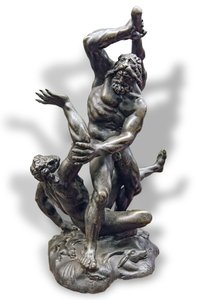
willem danielsz van tetrode
1525 - 1587 , Netherlands
Ključne informacije
- Artistic Movement Or Style: Flemish Renaissance
- Artists Or Movements Influenced By This Artist: ['His sons (Jan & Pieter)']
- Artists Who Influenced This Artist: ['Pieter Coecke van Aelst']
- Date Of Birth: c. 1525
- Date Of Death: 1569
- Full Name: Pieter Bruegel the Elder
- Nationality: Flemish
- Notable Artworks:
- Peasant Wedding
- Hunters in the New World
- The Goldsmith
- Fall of the Innocents
- Place Of Birth: Breda, Brabant