

 Predogled
 Pošlji
 Deli
Deli
 Podrobnosti o delu

 Prenesi
 Podobni izdelki
 Rentgenski posnetek
 Predvajaj diaporama
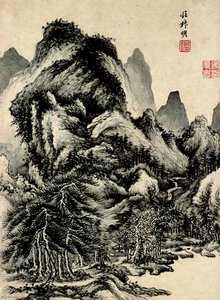
Landscapes Painted for Wang Kui


 Razviljaj več
Ročno izdelana oljna reprodukcija
Ročno slikano olje na platnu v vaši izbiri velikosti in okvirja, izdelano po naročilu naših umetnikov. ( Kupi tisk Kupi digitalno sliko)




































Izberite eno od naših vnaprej določenih velikosti, ki ustrezajo prvotnim proporcijam umetničkega dela.

Svoje dimenzije lahko vnesete tako, da se prilagodite določenemu okvirju ali prostoru. Če izbrana velikost ne ustreza razmerjem originalne slike, bomo umetniško delo obrezali ali sliko dopolnili z dodatnimi ročno naslikanimi elementi. Pred začetkom proizvodnje vam bo poslan digitalni osnutek v odobritev.
Upoštevajte, da predogled na zaslonu ne odraža dejanskega obrezovanja ali podaljšanja. Le osnutek bo natančno prikazal končno kompozicijo.
Čeprav so na voljo velikosti po meri, priporočamo izbiro dimenzije s preddefiniranega seznama, da ohranimo originalne razmere.
Po oddaji naročila bo ekipa OriginalUniqueArt.com stranki po e-pošti poslala navodila in predogled digitalnega predogleda.
Svetska dostava () za 3/4 nedelje umesto uobičajenih 5 nedelja. (21 avgust). Bez kompromisa po pitanju kvaliteta.

Brezplačna ekspresna dostava po vsem svetu

Visokokakovostno laneno platno

Popolno zavarovanje pošiljke

Garancija povračila carine in uvoznih davkov

Garancija popolnega ujemanja barv

60-dnevna politika vračanja (le v primeru napak)

Garancija 100% povračila denarja

Popust pri večjem naročilu
 Možnost stekla je na voljo le za velikosti pod 110 cm

Landscapes Painted for Wang Kui
Tehnika reprodukcije
Velikost reprodukcije
-


Skupna končna cena
$ 300
Biografija umetnika
The Quiet Resonance of a Master
Born in the fertile cultural landscape of Taicang, Jiangsu, around 1598, Wang Jian emerged as a profound voice during one of China's most transformative eras. As the great-grandson of the illustrious Ming literary figure Wang Shizhen, he was steeped in a tradition of scholarly excellence from birth. His life, spanning the twilight of the Ming and the dawn of the Qing dynasty, was marked by a deliberate retreat from the political turbulence of his time. After serving briefly as the Prefers of Lianzhou, Wang Jian chose to abstain from the Manchu-led court, turning instead toward the eternal, silent realms of Shanshui painting. This period of contemplative seclusion allowed him to cultivate a spirit that would eventually define the Orthodox School of painting, earning him a place among the legendary Four Wangs and the Six Masters of the early Qing period.Through his various pseudonyms, including Xuanzhao and Xiangbi, he projected an identity rooted in the scholarly pursuit of nature's essence. His work was never merely about the depiction of scenery; it was a spiritual endeavor to capture the very breath of the earth.
A Tapestry of Ancient Lineages
Wang Jian’s artistic journey was not a solitary pursuit but a deep, reverent dialogue with the ghosts of the past. Under the masterful guidance of the influential painter-theorist Dong Qichang, Wang honed a technique that sought to preserve the very essence of ancient brushwork. He did not merely copy; he reinterpreted the masters through a lens of profound respect, ensuring that the distinctive characteristics of their ink and brush were preserved even as they were infused with his own interpretative spirit.His stylistic DNA was woven from the most celebrated traditions of the Song and Yuan dynasties, creating a bridge between eras. This commitment to lineage is evident in how he engaged with several key influences:
- The soft, flowing streams and ethereal mists characteristic of Dong Yuan.
- The rugged, tactile textures and "raindrop" strokes reminiscent of Fan Kuan.
- The structural integrity and monumental presence found in the works of Jing Hao and Guan Tong.
The Alchemy of Ink and Atmosphere
To gaze upon a Wang Jian landscape is to enter a world of profound serenity and controlled emotion. Eschewing the flamboyant ornamentation that occasionally characterized his contemporaries, Wang championed a philosophy of simplicity and restraint. His palette was a masterclass in subtlety, favoring muted hues and delicate gradations of ink wash that could evoke the dampness of a mountain mist or the solid weight of a granite cliff.In masterpieces such as "Mountain Scenery with Streams and Pavilions" (1667), one can witness his technical brilliance. He utilized layered washes to create a palpable sense of depth, where light seems to filter through layers of atmosphere rather than strike surfaces directly. This technique does more than depict scenery; it creates a space for Confucian contemplation, inviting the viewer to find harmony within the natural order. Every stroke, from the finest texture to the broadest wash, serves the ultimate goal of capturing the qi—the vital life force—of the landscape.
An Enduring Legacy of the Orthodox School
The historical significance of Wang Jian lies in his role as a guardian of tradition during a period of immense cultural shift. By anchoring his practice in the classical styles of the Song and Yuan dynasties, he provided a sense of continuity and stability for Chinese art amidst the transition from Ming to Qing rule. His prolific output, ranging from large-scale compositions to intimate, meticulously rendered albums, ensured that the Orthodox School would remain a dominant force in the aesthetic consciousness of the era.His legacy remains etched in the mountains and streams he so lovingly rendered. Through his dedication to the mastery of ancient styles, Wang Jian did not just paint the landscape; he preserved the soul of a civilization within the enduring beauty of ink and paper.
Wang Jian
1598 - 1677 , China
Hitri podatki
- Artistic Movement Or Style: Dong Yuan Style
- Artists Or Movements Influenced By This Artist: ['Four Wangs']
- Artists Who Influenced This Artist: ['Dong Yuan']
- Date Of Birth: 1598
- Date Of Death: 1677
- Full Name: Wang Jian
- Nationality: Chinese
- Notable Artworks:
- Landscapes Painted for Wang Kui
- Miniature Landscapes in Ancient Styles\n\nLeaf 1
- Mountain Scenery with Streams and Pavilions in the Style of Fan Kuan
- Place Of Birth: Taicang, China
Sorodni članki

Romantična pokrajina: 10 mojstrovin, ki so definirale gibanje | Umetnost za vaš dom z OriginalUniqueArt.com
Odkrijte 10 mojstrovin romantizma v slikarstvu! Caspar David Friedrich, Turner in drugi. Preučite zgodbe, tehnike in čustva teh ikoničnih krajinskih slik. Kvalitetne reprodukcije za vaš dom na OriginalUniqueArt.com

Evocations of Place: A Historical Journey Through Landscape Art
Explore the rich history of landscape art with OriginalUniqueArt. Discover renowned artists, movements like Impressionism & Romanticism, and expert guidance for collecting timeless pieces. Find your perfect serene escape today!

John Constable: 25 Mojstrovskih Del Angelskega Krajinarja | OriginalUniqueArt.com
Odkrijte 25 mojstrovskih del Johna Constabla, angleškega slikarja romantizma. Preučite zgodbe za ikoničnimi krajinami, tehniko in lepoto narave. Kvalitetne reprodukcije slik na OriginalUniqueArt.com – idealno za dekoracijo doma!
Capturing Stillness: A Curated Exploration of the Most Iconic Lake Landscapes in Art History
Journey through art history's most serene lake landscapes. From Romantic vistas to light-drenched Impressionist waters, discover the stories behind these iconic masterpieces and find museum-quality, hand-painted oil reproductions for your private collection.

Evocations of Place: A Historical Journey Through Landscape Art
Explore the rich history of landscape art with OriginalUniqueArt. Discover renowned artists, movements like Impressionism & tonalism, and expert guidance for collecting timeless pieces. Find your perfect serene escape today!

