

 Preverite v realnem okolju
 Pošlji kot čestitko
 Deli
Deli
 Podrobnosti
 Priročnik

 Prenesi
 Podobni artefakti
 Rentgenski posnetek
 Predvajaj diaporama
 Statistika
The Dead Christ
 Oil On Canvas
- WallArt
- Baroque Revival
 1520
1520 145.0 x 185.0 cm
 Staatliche Museen zu Berlin
 Preberi več
Ročno izdelana oljna reprodukcija
Ročno slikano olje na platnu v vaši izbiri velikosti in okvirja, izdelano po naročilu naših umetnikov. ( Preklop na tiskanine Preklop na digitalno sliko)




P118B €10

P118H €10

P118W €10

P438Z €10

P508JH €12

P508YH €12

P805H €10

P805Z €10

P919BZ €10

P919G €10

P919XJ €10

P959ZH €10

P968JZ €12

W106C €8

W218G €10

W218JH €8

W218Y €10

W307PJ €10

W316G €10

W316PJ €8

W316Y €10

W398PJ €8

W4111J €10

W500HY €15

W500JH €15

W692G €12

W849H €8

W940BG €15

W953PJ €8




Izberite eno od naših vnaprej določenih velikosti, ki ustrezajo prvotnim proporcijam umetničkega dela.

Vnesite širino in višino, ki jih potrebujete, da se slika prilega vašemu okviru ali steni. Ker je delo ročno slikano, lahko umetnik pri različnih oblikih slik pri robovih doda malo več barve ali pa jih malo odreže — izberite sami. Pred začetkom slikanja vam pošljemo digitalni predogled za potrditev. Slika, prikazana na tej strani, ni končni rezultat — le predogled prikazuje dejansko podobo.
Po oddaji naročila bo ekipa OriginalUniqueArt.com stranki po e-pošti poslala navodila in predogled digitalnega predogleda.
Mednarodna dostava () v 3/4 tednih namesto običajnih 5 tednov. (26 oktober). Brez kompromisov pri kakovosti.

Brezplačna ekspresna dostava po vsem svetu

Visokokakovostno laneno platno

Popolno zavarovanje pošiljke

Garancija povračila carine in uvoznih davkov

Garancija popolnega barvnega ujemanja

Politika vračila v 100 dneh (le v primeru okvar)

Garancija 100% povračila denarja

Popust pri večjem naročilu
 Možnost stekla je na voljo le za velikosti pod 110 cm

The Dead Christ
Tehnika reprodukcije
Velikost reprodukcije
-


Skupna cena
€ 263
A Somber Reflection on Mortality: Vittore Carpaccio’s “The Dead Christ”
Vittore Carpaccio's "The Dead Christ," painted circa 1520, stands as a poignant testament to the artistic sensibilities of Venice during the High Renaissance. More than just a depiction of religious iconography—the lifeless body of Jesus cradled by grieving figures—it embodies a profound meditation on death and mourning, reflecting the anxieties prevalent in a period grappling with theological upheaval and humanist inquiry. This monumental canvas (145 x 185 cm) resides within the Gallerie dell’Accademia, offering visitors an unparalleled opportunity to experience Carpaccio's masterful execution of narrative painting.Style and Influences: A Conservative Voice Amidst Change
Carpaccio distinguishes himself from his contemporaries through a remarkably restrained artistic style. Unlike the burgeoning humanist movement that championed classical ideals and vibrant color palettes—evident in works by Giovanni Bellini and Andrea Mantegna—Carpaccio adhered to a more conservative approach, prioritizing clarity of form and emotional resonance over stylistic innovation. His visual vocabulary draws heavily from Antonello da Messina’s influence, particularly his meticulous attention to detail and use of oil paint, alongside early Netherlandish art's emphasis on realism and psychological depth. This confluence resulted in an aesthetic that prioritizes solemn contemplation rather than dramatic spectacle.Technique: The Art of Layered Detail
Carpaccio employed a technique characterized by painstaking layering—a hallmark of Venetian painting at the time—to achieve remarkable textural richness and luminosity. He meticulously built up his composition using thin glazes of oil paint, allowing underlying pigments to subtly interact and create nuanced tonal variations. This method ensured that every surface was rendered with meticulous precision, capturing the contours of Christ’s body and the expressions of sorrowful onlookers alike. The artist skillfully utilized chiaroscuro—the dramatic interplay between light and shadow—to heighten the emotional impact of the scene, directing viewers' gaze towards the central figure and emphasizing the solemn atmosphere.Historical Context: Grief and Remembrance in Renaissance Venice
Painted during a time marked by religious fervor and intellectual debate, “The Dead Christ” speaks to the broader cultural concerns of Renaissance Venice. The depiction of mourning figures—a common motif in devotional art—reflects the pervasive preoccupation with mortality and the desire for spiritual solace amidst uncertainty. Carpaccio’s work aligns itself with the theological debates surrounding indulgences and papal authority, subtly conveying a sense of humility before divine judgment. Furthermore, it underscores the importance of remembrance and veneration within Christian tradition.Symbolism: The Body as Emblematic Representation
The central image—the crucified Christ—serves as an enduring symbol of sacrifice and redemption. Carpaccio’s portrayal emphasizes the physicality of Christ's suffering, grounding the theological narrative in tangible reality. The surrounding figures—primarily mourners—represent humanity grappling with grief and loss, mirroring the universal experience of mortality. Their gestures of compassion and sorrow underscore the importance of empathy and spiritual contemplation. The inclusion of a tree nearby – a traditional symbol of life and resurrection – subtly reinforces the overarching theme of hope amidst despair.Emotional Impact: A Profound Meditation on Suffering
“The Dead Christ” transcends mere visual representation; it evokes a powerful emotional response in viewers. Carpaccio’s masterful use of color—primarily muted browns and reds—creates an atmosphere of solemnity and melancholy, mirroring the profound sorrow experienced by those witnessing the crucifixion. The artist's meticulous attention to detail captures not only the physical appearance of Christ but also the psychological state of his mourners, fostering a sense of empathy and prompting reflection on themes of faith, grief, and human vulnerability. It remains an enduring masterpiece—a poignant reminder of humanity’s capacity for compassion and its unwavering belief in spiritual transcendence.Vprašanja in odgovori
Za kakšno uporabo se priporoča tiskanina dela "The Dead Christ"?
Priporočena uporaba tiska dela "The Dead Christ" je Statement.
Kakšna je med barvami dela "The Dead Christ" medsebojna skladnost?
Barvna harmonija dela "The Dead Christ" je zabeležena kot Strong Color Unity.
Ali je na voljo prenos v visoki ločljivosti za "The Dead Christ"?
Za pridobitev digitalne datoteke dela "The Dead Christ" avtorja Vittore Carpaccio naročite prenos digitalne slike visoke ločljivosti na njegovi strani Digitalna slika.
Biografija umetnika
Zgodnje življenje in umetniški začetki
Vittore Carpaccio, eden najzanimivejših predstavnikov beneške renesanse, se je rodil v Benkah okoli leta 1465. Njegovo pravo ime je bilo namreč Giorgio Barbarelli da Castelfranco, Carpaccio pa je bil vzdevek, ki ga je dobil po svojem rojstnem kraju ali morda po poklicu njegovega očeta. Že v mladosti se je izkazal za talentiranega slikarja in se učil pri Gentile Belliniju, priznanem mojstru beneške šole. Ta vajeništvo je postavilo temelje za Carpacciov kasnejši uspeh, saj ga je Bellini naučil osnov slikarske tehnike ter ga uvedel v bogato umetnostno okolje Benetk.
Karakteristični slog in umetniški vplivi
Carpacciov slog se odlikuje z določeno konservativnostjo, saj je minimalno absorbiral humanistične tokove, ki so preoblikovali italijansko renesančno slikarstvo v njegovem času. Njegovo delo je bilo močno vplivano s stilom Antonella da Messine in zgodnjim nizozemskim slikarstvom. Ta edinstvena mešanica slogov se je odražala v natančnosti pri prikazovanju detajlov, uporabi svetlobe in barve ter zanimanju za naravne motive. Vendar pa Carpaccio ni bil zgolj posnemalec; razvil je svoj prepoznaven pristop k beneškemu slikarstvu, ki ga odlikujejo živahnost, bogata simbolika in pripovedna moč.
Pomembnejša dela in umetniški razvoj
Med Carpacciovimi najpomembnejšimi deli izstopa cikel devetih slik Legenda svete Ursule. Ta serija, ki je danes shranjena v Galerijah dell'Accademia v Benkah, prikazuje njegovo mojstrstvo pripovednega slikarstva in sposobnost ustvarjanja kompleksnih kompozicij. Slika Slava svete Ursule (1491) kaže Carpacciovo spretnost pri zajemanju svetlobe in barve, kar je spomin na slog Giovannija Bellinija. Pomembno delo je tudi Čudež relikvije križa na Ponte di Rialto (1494), ki poudarja njegovo sposobnost uravnoteženja kompozicije in pripovedi.
Kariera, zapuščina in zgodovinski pomen
Carpacciova glavna dela so nastajala med letoma 1490 in 1519, kar ga uvršča med pomembne mojstre beneške renesanse. Njegov orientalistični slog, kot je viden na sliki Sveti Jurij krsti Selenite, odraža novo fascinacijo z Levantom. Čeprav njegovo delo ni bilo tako priznano kot dela njegovih sodobnikov, kot sta bili Giovanni Bellini ali Giorgione, ima Carpaccio pomembno mesto v zgodovini beneške šole. Njegova natančnost pri prikazovanju detajlov, bogata simbolika in edinstven slog so ga uvrščali med izjemne slikarje svojega časa.
Reference in nadaljnje branje
Odkrijte več o Vittoreju Carpacciu in beneški šoli na OriginalUniqueArt.
Vittore Carpaccio
1465 - 1526 , Italija
Ključne informacije
- Datum Rojstva: Benetke, Italija (okoli 1465)
- Datum Smrti: 1526
- Državljanstvo: Italijan
- Kraj Rojstva: Benetke, Italija
- Polno Ime: Vittore Carpaccio
- Pomembna Dela:
- Legenda sv. Uršule
- Slava sv. Uršule
- Čudež relikvije križa
- Umetniki Vplivani: ['Zgodnji nizozemski slikarji']
- Umetniški Smer: Zgodnji beneški renesans
- Vplivi Umetnikov:
- Antonello da Messina
- Gentile Bellini
Sorodni članki
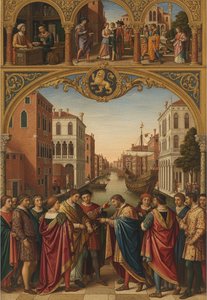
Vittore Carpaccio: Venetian Renaissance Narrative & the Poetics of Detail
Explore the captivating world of Vittore Carpaccio, a master storyteller of the Venetian Renaissance. Discover his intricate details, narrative cycles like 'The Legend of St. Ursula,' and unique artistic style.

The Enduring Power of Painting: A Historical & Contemporary Exploration of Form and Emotion
Explore the rich history & enduring techniques of oil painting with OriginalUniqueArt. Discover masterpieces, learn about art collecting, and find authentic handmade reproductions crafted by skilled artists.
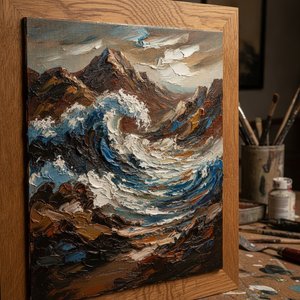
Oil on Panel: The Ultimate Guide to Bold, High-Impact Texture & Depth
Master the art of impact with our expert guide to oil on panel. Discover how impasto textures and heavy-body pigments create 3D depth and bold visual energy for modern interiors. Elevate your space with high-impact, hand-painted masterpieces designed for maximum aesthetic punch.

The Enduring Legacy of Oil on Canvas: Technique, History & Aesthetic Impact
Explore the rich history & techniques of oil painting – from Renaissance masters to Impressionism. Discover pigments, layering methods, and why this timeless medium endures. Expert insights for artists & art enthusiasts.

Oil on Canvas: A Historical & Technical Exploration of a Timeless Artistic Medium
Explore the rich history & enduring techniques of oil painting on canvas. Discover the science behind its longevity, conservation practices, and contemporary relevance. Expert insights for art enthusiasts.
