

 Predogled
 Pošlji
 Deli
Deli
 Podrobnosti o delu

 Prenesi
 Podobni izdelki
 Rentgenski posnetek
 Predvajaj diaporama
 Statistika
St Stephen is Consecrated Deacon
 Acrylic On Canvas
- WallArt
- Venetian Renaissance
 1511
1511 148.0 x 231.0 cm
 Staatliche Museen zu Berlin
 Razviljaj več
Giclée tisk / Umetniški tisk
Giclée ali platnati odtis muzejske kakovosti z hitro proizvodnjo in prilagodljivimi možnostmi končne obdelave. ( Kupi ročno naslikano sliko Preklop na digitalno sliko)




P118B $10

P118H $10

P118W $10

P438Z $10

P508JH $12

P508YH $12

P805H $10

P805Z $10

P919BZ $10

P919G $10

P919XJ $10

P959ZH $10

P968JZ $12

W106C $8

W218G $10

W218JH $8

W218Y $10

W307PJ $10

W316G $10

W316PJ $8

W316Y $10

W398PJ $8

W4111J $10

W500HY $15

W500JH $15

W692G $12

W849H $8

W940BG $15

W953PJ $8




Izberite eno od naših vnaprej določenih velikosti, ki ustrezajo prvotnim proporcijam umetničkega dela.

Svoje dimenzije lahko vnesete sami, da bodo ustrezne za določen okvir ali prostor. Če izbrana velikost ne bo skladna z razmerji izvirne slike, bomo umetniško delo orezali ali podaljšali s pomočjo ogledalnega odraza ali barvno polnega roba. Pred začetkom proizvodnje vam bomo poslali digitalni predogled za potrditev.
Upoštevajte, da predogled na zaslonu ne prikazuje dejanskega orezovanja ali podaljševanja. Le digitalni predogled bo natančno prikazal končno kompozicijo.
Čeprav so na voljo prilagojene velikosti, priporočamo izbiro dimenzije s predhodno določenega seznama, da ohranite prvotna razmerja.
Globalna dostava () v 2 tednih namesto standardnih 4/5 tednov. (15 september)

Brezplačna ekspresna dostava po vsem svetu

Visokokakovostno laneno platno

Popolno zavarovanje pošiljke

Garancija povračila carine in uvoznih davkov

Garancija popolnega ujemanja barv

Politika vračilo v 100 dneh (le v primeru okvar)

Garancija 100% povračila denarja

Popust pri večjem naročilu
 Možnost stekla je na voljo le za velikosti pod 110 cm

St Stephen is Consecrated Deacon
Giclée tisk / Umetniški tisk
Velikost reprodukcije
-


Skupna končna cena
$ 80
The Sacred Narrative of Vittore Carpaccio’s “St Stephen is Consecrated Deacon”
Vittore Carpaccio's "St Stephen is Consecrated Deacon," painted in 1511, isn’t merely a depiction of a biblical event; it’s a vibrant tableau brimming with Venetian artistry and profound spiritual resonance. This tempera on panel masterpiece, now residing within the Staatliche Museen in Berlin, transports us to a bustling Roman street scene, meticulously rendered with an almost photographic realism that was revolutionary for its time. Carpaccio, deeply influenced by the early Italian Renaissance – particularly Antonello da Messina’s mastery of perspective and detail – eschewed the prevailing humanist trends, instead embracing a more conservative style rooted in Byzantine iconography and the meticulous observation of the world around him. The painting captures not just a moment in St Stephen's life, but also the very essence of Venetian civic pride and religious fervor.A Scene of Ceremony and Community
The heart of the composition is undoubtedly St. Stephen himself, kneeling before St. Peter, who bestows upon him the sacred mantle of deacon. Carpaccio masterfully orchestrates a complex arrangement of figures – at least fourteen individuals are visible within the frame – creating a dynamic sense of movement and engagement. The scene unfolds against a backdrop of an identifiable Roman street, complete with architectural details that hint at the grandeur of the city. A striking horse stands to the left, adding a touch of theatricality and emphasizing the importance of this momentous occasion. The crowd is diverse, reflecting the cosmopolitan nature of Venice itself – merchants in their finery mingle with ordinary citizens, all drawn together by the spectacle unfolding before them. Carpaccio’s skill lies not just in depicting individual faces but in conveying the collective energy of a community witnessing a pivotal religious event.Technique and Symbolism: A Venetian Masterpiece
Carpaccio's technique is characterized by its meticulous detail and rich, layered colors. The tempera medium allowed for incredible luminosity and depth, particularly evident in the rendering of fabrics, textures, and architectural elements. Notice the subtle gradations of color used to depict the folds of clothing, the sheen of metal, and the varied surfaces of the buildings. The painting’s composition is carefully balanced, drawing the eye from St. Stephen's kneeling posture towards St. Peter and then outwards to encompass the entire scene. The use of perspective, though not entirely groundbreaking for its time, is remarkably sophisticated, creating a convincing illusion of depth and space. Symbolically, the painting is rich with meaning. The presence of the horse could represent Christ’s sacrifice, while the diverse crowd symbolizes the universal appeal of St. Stephen's message. The act of consecration itself signifies a transition – from earthly concerns to divine service – a central theme in Christian theology.Historical Context and Artistic Legacy
“St Stephen is Consecrated Deacon” was created during a period of significant artistic innovation in Venice, where the influence of Northern European painting—particularly the meticulous detail and realism of Flemish artists—was increasingly felt. Carpaccio skillfully blended these influences with his own distinctive style, creating a unique and compelling visual language. The painting’s subject matter – a biblical narrative – was also highly popular during this period, reflecting the growing importance of religious imagery in Venetian society. It's fascinating to consider that Carpaccio painted this work shortly before the completion of his monumental “Legend of St. Ursula,” demonstrating his continued engagement with large-scale narrative cycles. The painting’s enduring appeal lies not only in its technical brilliance but also in its ability to evoke a sense of immediacy and emotional connection, transporting us back to a vibrant moment in Christian history.A Timeless Reflection on Faith and Community
Ultimately, “St Stephen is Consecrated Deacon” transcends the boundaries of mere historical documentation. It’s a powerful meditation on faith, community, and the transformative power of belief. The painting's enduring legacy lies in its ability to capture the spirit of a pivotal moment – the consecration of St. Stephen as a deacon – with remarkable clarity and emotional depth. Reproductions of this masterpiece offer an opportunity to bring this extraordinary work into any setting, allowing viewers to experience firsthand the artistry and spiritual resonance that have captivated audiences for centuries.Biografija umetnika
Zgodnje življenje in umetniški začetki
Vittore Carpaccio, eden najzanimivejših predstavnikov beneške renesanse, se je rodil v Benkah okoli leta 1465. Njegovo pravo ime je bilo namreč Giorgio Barbarelli da Castelfranco, Carpaccio pa je bil vzdevek, ki ga je dobil po svojem rojstnem kraju ali morda po poklicu njegovega očeta. Že v mladosti se je izkazal za talentiranega slikarja in se učil pri Gentile Belliniju, priznanem mojstru beneške šole. Ta vajeništvo je postavilo temelje za Carpacciov kasnejši uspeh, saj ga je Bellini naučil osnov slikarske tehnike ter ga uvedel v bogato umetnostno okolje Benetk.
Karakteristični slog in umetniški vplivi
Carpacciov slog se odlikuje z določeno konservativnostjo, saj je minimalno absorbiral humanistične tokove, ki so preoblikovali italijansko renesančno slikarstvo v njegovem času. Njegovo delo je bilo močno vplivano s stilom Antonella da Messine in zgodnjim nizozemskim slikarstvom. Ta edinstvena mešanica slogov se je odražala v natančnosti pri prikazovanju detajlov, uporabi svetlobe in barve ter zanimanju za naravne motive. Vendar pa Carpaccio ni bil zgolj posnemalec; razvil je svoj prepoznaven pristop k beneškemu slikarstvu, ki ga odlikujejo živahnost, bogata simbolika in pripovedna moč.
Pomembnejša dela in umetniški razvoj
Med Carpacciovimi najpomembnejšimi deli izstopa cikel devetih slik Legenda svete Ursule. Ta serija, ki je danes shranjena v Galerijah dell'Accademia v Benkah, prikazuje njegovo mojstrstvo pripovednega slikarstva in sposobnost ustvarjanja kompleksnih kompozicij. Slika Slava svete Ursule (1491) kaže Carpacciovo spretnost pri zajemanju svetlobe in barve, kar je spomin na slog Giovannija Bellinija. Pomembno delo je tudi Čudež relikvije križa na Ponte di Rialto (1494), ki poudarja njegovo sposobnost uravnoteženja kompozicije in pripovedi.
Kariera, zapuščina in zgodovinski pomen
Carpacciova glavna dela so nastajala med letoma 1490 in 1519, kar ga uvršča med pomembne mojstre beneške renesanse. Njegov orientalistični slog, kot je viden na sliki Sveti Jurij krsti Selenite, odraža novo fascinacijo z Levantom. Čeprav njegovo delo ni bilo tako priznano kot dela njegovih sodobnikov, kot sta bili Giovanni Bellini ali Giorgione, ima Carpaccio pomembno mesto v zgodovini beneške šole. Njegova natančnost pri prikazovanju detajlov, bogata simbolika in edinstven slog so ga uvrščali med izjemne slikarje svojega časa.
Reference in nadaljnje branje
Odkrijte več o Vittoreju Carpacciu in beneški šoli na OriginalUniqueArt.
Vittore Carpaccio
1465 - 1526 , Italija
Hitri podatki
- Datum Rojstva: Benetke, Italija (okoli 1465)
- Datum Smrti: 1526
- Državljanstvo: Italijan
- Kraj Rojstva: Benetke, Italija
- Polno Ime: Vittore Carpaccio
- Pomembna Dela:
- Legenda sv. Uršule
- Slava sv. Uršule
- Čudež relikvije križa
- Umetniki Vplivani: ['Zgodnji nizozemski slikarji']
- Umetniški Smer: Zgodnji beneški renesans
- Vplivi Umetnikov:
- Antonello da Messina
- Gentile Bellini
Sorodni članki

El Greco: 25 Mojstrovin za Navdih v Vašem Domu | OriginalUniqueArt
Odkrijte 25 mojstrovin El Greca! Preučite zgodbe, tehnike in navdih za njegove najbolj znane slike. Renesansa, manierizem & verske teme – vse na OriginalUniqueArt.com. Kupite reprodukcije visoke kakovosti in obogatite svoj dom z umetnostjo.
Illuminating Surfaces: A Comprehensive Exploration of Tempera on Panel Painting Techniques & Historical Significance
Explore the rich history & techniques of tempera painting! Discover Renaissance masters like Botticelli & Fra Angelico, conservation insights, and the enduring legacy of this captivating art form. Learn more now!
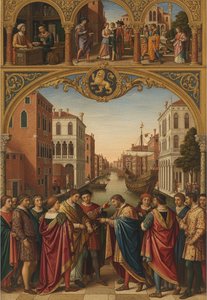
Vittore Carpaccio: Venetian Renaissance Narrative & the Poetics of Detail
Explore the captivating world of Vittore Carpaccio, a master storyteller of the Venetian Renaissance. Discover his intricate details, narrative cycles like 'The Legend of St. Ursula,' and unique artistic style.
Illuminating History: A Comprehensive Exploration of Tempera Painting Techniques & Artistic Legacy
Explore the rich history & techniques of tempera painting! Discover Renaissance masters like Botticelli & Fra Angelico, conservation insights, and the enduring legacy of this captivating art form.
Giotto di Bondone: 25 Remek del, ki so spremenile svet umetnosti | OriginalUniqueArt
Odkrijte 25 remek del Giotta di Bondone! Freske, zgodovina umetnosti, renesansa. Kupite reprodukcije slik vrhunske kakovosti za vaš dom na OriginalUniqueArt.com. Navdihnite se in preoblikujte prostor z italijansko umetnostjo.
