

 Preverite v realnem okolju
 Pošlji kot čestitko
 Deli
Deli
 Podrobnosti
 Priročnik

 Prenesi
 Podobni artefakti
 Rentgenski posnetek
 Predvajaj diaporama
 Statistika
Judith
 Akril na platnu
- Stenska umetnost
- Venetian Renaissance
 1520
1520 82.0 x 65.0 cm
 Fondazione Querini Stampalia
 Preberi več
Ročno izdelana oljna reprodukcija
Ročno slikano olje na platnu v vaši izbiri velikosti in okvirja, izdelano po naročilu naših umetnikov. ( Preklop na tiskanine Preklop na digitalno sliko)




P118B €10

P118H €10

P118W €10

P438Z €10

P508JH €12

P508YH €12

P805H €10

P805Z €10

P919BZ €10

P919G €10

P919XJ €10

P959ZH €10

P968JZ €12

W106C €8

W218G €10

W218JH €8

W218Y €10

W307PJ €10

W316G €10

W316PJ €8

W316Y €10

W398PJ €8

W4111J €10

W500HY €15

W500JH €15

W692G €12

W849H €8

W940BG €15

W953PJ €8




Izberite eno od naših vnaprej določenih velikosti, ki ustrezajo prvotnim proporcijam umetničkega dela.

Vnesite širino in višino, ki jih potrebujete, da se slika prilega vašemu okviru ali steni. Ker je delo ročno slikano, lahko umetnik pri različnih oblikih slik pri robovih doda malo več barve ali pa jih malo odreže — izberite sami. Pred začetkom slikanja vam pošljemo digitalni predogled za potrditev. Slika, prikazana na tej strani, ni končni rezultat — le predogled prikazuje dejansko podobo.
Po oddaji naročila bo ekipa OriginalUniqueArt.com stranki po e-pošti poslala navodila in predogled digitalnega predogleda.
Mednarodna dostava () v 3/4 tednih namesto običajnih 5 tednov. (22 oktober). Brez kompromisov pri kakovosti.

Brezplačna ekspresna dostava po vsem svetu

Visokokakovostno laneno platno

Popolno zavarovanje pošiljke

Garancija povračila carine in uvoznih davkov

Garancija popolnega barvnega ujemanja

Politika vračila v 100 dneh (le v primeru okvar)

Garancija 100% povračila denarja

Popust pri večjem naročilu
 Možnost stekla je na voljo le za velikosti pod 110 cm

Judith
Tehnika reprodukcije
Velikost reprodukcije
-


Skupna cena
€ 263
Judith by Vincenzo Catena: A Venetian Echo of Classical Drama
Vincenzo Catena’s “Judith,” painted circa 1520, stands as a testament to the enduring fascination with biblical narratives within the Venetian Renaissance. This striking depiction captures a moment of decisive action—Judith, armed with a sword, presents the severed head of Holofernes to Abraam—a scene steeped in symbolism and executed with meticulous attention to detail that reflects the artistic currents circulating throughout Venice at the time.
Initially influenced by Giovanni Bellini’s serene palette and masterful composition, Catena swiftly moved beyond mere imitation. Giorgione's *colego*, as documented on La Laura’s backing, signaled a pivotal shift toward bolder experimentation. Following Giorgione’s untimely demise in 1510, Catena embraced the expressive dynamism championed by Titian, incorporating vibrant hues and textural nuances that would become hallmarks of his oeuvre.
- Style: Venetian Renaissance – Characterized by a harmonious blend of Byzantine tradition and classical ideals.
- Technique: Oil on wood panel – Catena skillfully employed layering techniques to achieve depth and luminosity, mirroring the advancements in pigment production during this period.
- Historical Context: The painting emerged against the backdrop of humanist scholarship and artistic revival fueled by rediscovered Greco-Roman texts. It reflects a preoccupation with moral virtue and heroic struggle—themes prevalent throughout Renaissance art.
The composition itself is deliberately theatrical, mirroring the dramatic conventions of classical sculpture. Judith’s posture exudes confidence and determination as she gazes towards an unseen figure, conveying both vulnerability and unwavering resolve. The stark contrast between the crimson dress and the pale flesh tones underscores the narrative's core conflict—the triumph of righteousness over barbarity.
More than just a visual representation of scripture, “Judith” embodies the Renaissance spirit’s desire to grapple with profound moral questions. Catena’s masterful rendering captures not only the physicality of the scene but also its psychological complexity, cementing its place as an iconic image of Venetian artistic achievement.
- Symbolism: The sword represents Judith's courage and defiance; Holofernes’ severed head symbolizes pagan oppression vanquished by divine providence.
- Emotional Impact: The painting evokes feelings of awe, contemplation, and admiration for the heroic spirit—a sentiment deeply rooted in Renaissance humanist ideals.
A reproduction of “Judith” offers an opportunity to bring this captivating artwork into your home or interior design project. OriginalUniqueArt’s high-quality reproductions faithfully capture Catena's artistic vision, allowing you to appreciate the beauty and intellectual depth of Venetian Renaissance art.
Vprašanja in odgovori
Na katero obdobje v karieri Vincenzo Catena ustreza datum 1520 za delo "Judith"?
"Judith", ustvarjeno leta 1520, pripada Mature Period v karieri umetnika Vincenzo Catena.
Na kakšen način je zasnovana barvna kompozicija dela "Judith" avtorja Vincenzo Catena?
V "Judith" je Izjava kontrast združen s Združena paleta harmonijo.
Ali se "Judith" avtorja Vincenzo Catena nahaja v matični državi umetnika?
Ne – umetniško delo se nahaja v tujini. Rodna država umetnika Vincenzo Catena je Italy, original dela "Judith" pa se nahaja v muzeju v državi Italija.
Biografija umetnika
Vincenzo Catena: A Venetian Renaissance Painter
Life and Background
- Born in Venice, Italy around 1470, Vincenzo Catena was a painter of the Venetian Renaissance.
- Little is known about his early life or formal training. Records are scarce regarding his upbringing and initial artistic development.
- He was also sometimes referred to as Vincenzo de Biagio.
- Catena passed away in 1531, leaving behind a modest but significant body of work.
Artistic Development and Influences
- Initially, Catena’s style closely resembled that of Giovanni Bellini, a leading Venetian painter known for his serene Madonnas and refined technique.
- The earliest documented mention of Catena is an inscription on the back of La Laura by Giorgione, where he’s described as Giorgione's *colego* (colleague).
- However, it wasn’t until after Giorgione’s death in 1510 that his innovative influence began to manifest itself in Catena’s paintings.
- He also shows some influences from Titian, another prominent figure of the Venetian School, particularly in his use of color and composition.
Major Works and Style
- Approximately a dozen paintings are confidently attributed to Catena based on signatures.
- The Martyrdom of St. Christina (1520), located in the church of Santa Maria Mater Domini in Venice, is his most securely dated work thanks to an inscription on its marble surround.
- Other notable works include The Adoration of the Shepherds, and several depictions of the Madonna and Child with Saints and Donors.
- Catena’s paintings often feature religious scenes and portraits, characterized by a blend of Bellini's precision and Giorgione’s atmospheric qualities.
- His style is marked by detailed realism, warm color palettes, and rich symbolism, typical of Venetian Renaissance art.
Historical Significance and Legacy
- While not as widely celebrated as some of his contemporaries like Titian or Giorgione, Catena played a role in the development of Venetian painting during a crucial period.
- His work demonstrates the transition between the High Renaissance and the emerging Mannerist styles.
- Wills left by Catena reveal he was a man of considerable wealth and had connections within Venetian humanist circles, suggesting his artistic success extended beyond purely aesthetic recognition.
- Today, Vincenzo Catena’s paintings are valued for their historical importance and offer insights into the artistic landscape of 16th-century Venice.
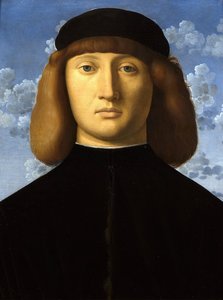
Vincenzo Catena
1470 - 1531 , Italy
Ključne informacije
- Name: Vincenzo Catena
- Movement: Renaissance, Venetian School
- Birth Date: 1470
- Death Date: 1531
- Birth Place: Venice, Italy
- Nationality: Italian
- Date Of Birth: 1470
- Date Of Death: 1531
- Influenced By:
- Giovanni Bellini
- Giorgione
- Notable Works:
- Santa Cristina Altarpiece
- The Adoration of the Shepherds
- Madonna and Child with a Holy Female Martyr, Saint Francis of Assisi and the Donor
- Place Of Birth: Venice, Italy
Sorodni članki
Venetian Renaissance: The Golden Age of Color, Light, and Luminous Artistry
Embark on a journey through the Venetian Renaissance. Discover how masters like Giorgione and Titian revolutionized art through luminous color and light. Explore the profound legacy of the Venetian School and its enduring influence on the world of fine art.

Venetian Renaissance: The Mastery of Color, Light, and the Art of Colorito
Explore the luminous mastery of the Venetian Renaissance. Discover how masters like Titian and Giorgione revolutionized art through colorito, light, and atmosphere. An expert guide to the golden age of Italian painting for collectors and enthusiasts.

Giorgione: Enigma and Innovation in Early Venetian Renaissance Painting
Explore the enigmatic world of Giorgione, a pivotal figure in the Venetian Renaissance. Discover his innovative techniques, iconic paintings like 'The Tempest', and lasting influence on art history. Learn more at OriginalUniqueArt.
Titian: Innovation, Technique & the Venetian Renaissance Portrait Tradition
Explore the revolutionary techniques & enduring legacy of Titian, the master of Venetian Renaissance portraiture. Discover insights for collectors & appreciate his impact on art history.

The Golden Light of Innovation: Exploring the Venetian Renaissance Art Movement (1430–1580)
Explore the Golden Age of Venetian art (1430–1580). Discover Giorgione, Titian & Tintoretto's techniques, the 'colorito' revolution, and lasting influence. Expert insights for collectors & enthusiasts.
