Predogled v realnem okolju
 Pošlji
 Deli
Deli
 Podrobnosti o delu
 Priročnik

 Prenesi sliko
 Podobni izdelki
 Rentgenski posnetek
 Predvajaj diaporama
 Vprašanja in odgovori
 Statistika
Hands


 Preberi več
Giclée tisk / Umetniški tisk
Giclée ali platnati odtis muzejske kakovosti z hitro proizvodnjo in prilagodljivimi možnostmi končne obdelave. ( Kupite ročno slikano delo Preklop na digitalno sliko)




P118B €10

P118H €10

P118W €10

P438Z €10

P508JH €12

P508YH €12

P805H €10

P805Z €10

P919BZ €10

P919G €10

P919XJ €10

P959ZH €10

P968JZ €12

W106C €8

W218G €10

W218JH €8

W218Y €10

W307PJ €10

W316G €10

W316PJ €8

W316Y €10

W398PJ €8

W4111J €10

W500HY €15

W500JH €15

W692G €12

W849H €8

W940BG €15

W953PJ €8




Izberite eno od naših vnaprej določenih velikosti, ki ustrezajo prvotnim proporcijam umetničkega dela.

Vnesite širino in višino, ki jih potrebujete za svoj okvir ali steno. Tiskanje se lahko le odreže, vendar ga ni mogoče narediti večjega od slike, zato format z drugačno obliko pomeni izgubo dela slike. Pred tiskanjem vam pošljemo digitalni predogled za potrditev. Slika, prikazana na tej strani, ne prikazuje dejanskega izrezka — le predogled to omogoča.
Globalna dostava () v 2 tednih namesto standardnih 4/5 tednov. (10 november)

Brezplačna ekspresna dostava po vsem svetu

Visokokakovostno laneno platno

Popolno zavarovanje pošiljke

Garancija povračila carine in uvoznih davkov

Garancija popolnega barvnega ujemanja

100-dnevna politika vračil (le v primeru okvar)

Garancija 100% povračila denarja

Popust pri večjem naročilu
 Možnost stekla je na voljo le za velikosti pod 110 cm

Hands
Giclée tisk / Umetniški tisk
Velikost reprodukcije
-


Skupna cena
€ 73
A Study in Human Connection: Van Gogh’s “Hands”
Vincent van Gogh's "Hands," created in 1885 during a pivotal period of his artistic development, is far more than a simple depiction of anatomy; it’s a profound exploration of gesture, vulnerability, and the very essence of human interaction. This unassuming pencil drawing, rendered in the stark monochrome palette characteristic of his early work, offers an intimate glimpse into Van Gogh's meticulous observation and burgeoning understanding of form and emotion. The piece resides within a broader series of studies focused on depicting working-class individuals – farmers, laborers, and others whose lives were deeply intertwined with the land – reflecting a growing empathy and social consciousness that would become central to his artistic vision.
The composition is deliberately dynamic, eschewing a traditional focal point in favor of an arrangement where multiple hands—some reaching, grasping, holding—intersect and overlap across the frame. This creates a sense of movement and immediacy, as if capturing a fleeting moment of action or contemplation. The loose, expressive lines, executed with varying degrees of pressure and texture through hatching and cross-hatching, are key to this effect. These aren’t precise renderings; instead, they convey a feeling of urgency and raw energy, mirroring the intensity Van Gogh felt towards his subjects.
The Language of Gesture
Van Gogh's fascination with hands stemmed from their remarkable capacity to communicate – not through words, but through gesture. Each hand in “Hands” embodies a distinct action: a reaching for something unseen, a firm grip suggesting strength or determination, a delicate hold hinting at tenderness and care. These seemingly simple gestures resonate deeply, evoking feelings of connection, interaction, and perhaps even vulnerability. The artist’s deliberate choice to depict hands alone strips away the context of their actions, forcing the viewer to contemplate the inherent significance of these tools for communication.
The drawing's monochromatic palette—ranging from light cream to deep charcoal—contributes significantly to its mood. This lack of color intensifies the focus on form and texture, highlighting the subtle nuances of line weight and shading. The diffused lighting, absent of strong highlights or shadows, creates a sense of flatness that emphasizes the tactile quality of the pencil strokes. It’s as if Van Gogh is inviting us to trace the contours of each hand with our own eyes, experiencing their physicality firsthand.
A Bridge Between Realism and Expression
Stylistically, “Hands” represents a fascinating synthesis of realism and expression. While rooted in careful observation – evident in the accurate depiction of anatomical structure – the loose, expressive lines and dynamic composition betray a growing departure from traditional academic techniques. This approach aligns with Van Gogh’s evolving style, foreshadowing his later, more emotionally charged works. The drawing is reminiscent of his early studies of peasant life, but it possesses a heightened sense of urgency and emotional intensity.
Considering the historical context – 1885, a time when industrialization was rapidly transforming rural landscapes and displacing traditional ways of life – “Hands” can be interpreted as a poignant meditation on human connection in an era of change. It’s a testament to Van Gogh's ability to find beauty and significance in the everyday gestures of ordinary people, capturing a moment of shared humanity that transcends time and circumstance. The drawing serves as a powerful reminder of the enduring importance of human touch and interaction.
Bringing “Hands” Home: A OriginalUniqueArt Reproduction
OriginalUniqueArt offers meticulously crafted hand-painted reproductions of Van Gogh’s “Hands,” allowing you to experience this iconic artwork in stunning detail. Our skilled artists replicate the drawing's unique texture, line quality, and emotional depth with unparalleled accuracy. Available in a range of sizes and framing options, our reproductions are perfect for collectors, art enthusiasts, or anyone seeking to bring a touch of Van Gogh’s genius into their home or office. Explore our collection today and discover the beauty and power of this timeless masterpiece.
Vprašanja in odgovori
S kakšnimi pseudonimi ali alternativnimi imeni je znan/a Vincent Van Gogh?
Vincent Van Gogh se pojavlja tudi pod imeni Vincent Willem Van Gogh, Van Gogh.
Ali lahko "Hands" ogledam kot diaporama v celotnem zaslonu?
Na voljo je diaporama: stran Slidešov za delo "Hands" avtorja Vincent Van Gogh.
Priporočena prostor za "Hands" avtorja Vincent Van Gogh?
Za Living Room priporočamo "Hands" avtorja Vincent Van Gogh. Ta predlog temelji na tematiki, barvah in vzdušju dela.
Biografija umetnika
Življenje, barvno prepleteno s strasti: Vincent van Gogh
Vincent Willem van Gogh, ime, ki je sinonim za živahne barve in surove čustva, ostaja ena najbolj prepoznavnih in ljubljenih osebnosti v zgodovini umetnosti. Rodil se je 30. marca 1853 v Zundertu na Nizozemskem, njegova pot od nemirnega mladeniča, ki je iskal smisel, do umetniškega vizionarja pa je ganljiva pripoved o predanosti, boju in končno trajni zapuščini. Čeprav je čez svoje življenje dosegel malo komercialne uspešnosti – pred smrtjo je prodal le eno sliko, Rdeči vinograd – je Van Gogov vpliv na moderno umetnost neizmeren, saj je utiral pot ekspresionizmu in navdihnil številne umetnike, ki so mu sledili. Njegova zgodba ni le o potezah čopiča in platnah; je spomenik moči človeškega izražanja v soočenju z nevoljo.
Zgodnja leta in umetniško prebujenje
Van Gogovo zgodnje življenje je bilo zaznamovano s serijo neizpolnjenih ambicij. V različnih poklicih je poskušal najti svojo pot – kot prodajalec umetnin, učitelj in celo misijonar – preden se je šele v relativno pozni starosti, pri 27 letih, dokončno posvetil slikarstvu. Te zgodnje izkušnje so globoko oblikovale njegov pogled na svet in se odrazile v njegovi umetnosti. Njegova začetna dela, ki prikazujejo prizore kmeškega življenja na podeželskem Belgiji, odražajo globoko empatijo do delovnega razreda in uporabljajo sogičen lestvico barv, ki odraža njihove težke življenjske okoliščine. Pod vplivom umetnikov, kot je Jean-François Millet, je Van Gogh želel skozi pretihan realizem zajeti dostojnost in odpornost teh ljudi. Vendar pa je bil njegov prehod v Pariz leta 1886 ključen za njegovo transformacijo. Tam se je srečal z impresionizem in postimpresionizmom ter prevzel tehnike mojstrov, kot so Monet, Renoir in Pissarro. Ta izpostavljenost je razširila njegove umetniške horizonte ter ga spodbudila k eksperimentiranju z bolj svetlim barvavmi in lažjimi potezami čopiča, kljub temu pa je ohranil ločeno čustveno intenzivnost, ki pri mnogih njegovih sodobnikih ni bila prisotna. Njegov brat Theo, umetniški prodajalec, je igral ključno vlogo v tem obdobju, saj mu je zagrajljal finančno podporo in služil kot pomembna vez z pariškim svetom umetnosti. Njuna obsežna korespondenca ponuja neprecenljive vpoglede v Van Gogov umetniški razvoj in osebne težave.
Južna svetloba in eksplozivna ustvarjalnost
V iskanju bolj živahne pokrajine in občutka obnovitve se je Van Gogh leta 1888 preselil v Arles na jugu Francije. Ta selitev je označila obdobje intenzivne ustvarjalnosti, ki jo je zaznamovala eksplozija barv in značilna tehnika impasto – debelo nanašanje barve na platno, kar ustvari teksturno površino, ki se zdá, kot bi utripala z energijo. Prav tukaj je ustvaril nekatera svoja najbolj ikonična dela: Sončnice, predvsem Nočno kavarno in Zvezdno noč. Močna sončna svetloba Prance je kot bi zažgala njegovo predstavljivo, kar ga je vodilo k prikazovanju pokrajin in življenjskih slik z nepredstavljivo živostjo. Njegova želja po umetniškem sodelovanju ga je navdala, da je v Arles povabil Paula Gauguina, v upanju, da bo ustanovil utopijsko kolonijo umetnikov. Njuna odnos se je pokazal za nestabilen in se je končal z dramatičnim soočenjem, ki je vodilo do Van Gogove samopoškodbe uha. Ta dogodek je poudaril krhkost njegove duševne stanja in označil začetek obdobja hospitalizacije ter vse boljih psiholoških težav.
Pozna leta in trajna zapuščina
Po duševnemu kriznemu obdobju se je Van Gogh prostovoljno zaprl v zavetnico v Saint-Rémyju, kjer je še naprej plodno slikal in s svojo umetnostjo zajemal okoliške pokrajine z lepoto in nemirom hkrati. Dela, kot je Zvezdna noč, slikana v tem času, so prežeta z občutkom kozmične čudenjosti in globoke čustvene globine. Pozneje se je preselil v Auvers-sur-pred v oskrbo dr. Paula Gacheta, vendar so njegove težave nadaljevale. 29. julija 1890, v starostih 37 let, je Van Gogh tragično umrl zaradi samopoškodljive ustreljenice. Kljub temu, da je čez svoje življenje dosegel malo priznanja, je njegovo del po smrti začelo pridobljati slavo, predvsem zahvaljujoč neizmernim prizadevanjem njegove zvajalke, Johanne van Gogh-Bonger, ki je prevzela njegovo dediščino in se posvetila promociji njegove umetnosti. Danes se po vsem svetu slavimo Van Gogova dela zaradi njihove čustvene intenzivnosti, inovativnih tehnik in trajne lepote. Njegova zapuščina sega daleč presega platno; postal je simbol umetniške strasti, vztrajnosti v soočenju z nevoljo in moči umetnosti, da izrazi najgloblje človeške čustva.
Ključni vplivi in umetniški razvoj
- Zgodnji realizem: Milletove slike kmeškega življenja so vplivale na Van Gogova zgodnja dela.
- Impresionizem in postimpresionizem: Izpostavljenost Monetu, Renoirju, Pissarruju in drugim v Parizu je razširila njegovo paleto in tehniko.
- Japonski printi: Van Gogh je bil globoko vplivovan na japonske lesorezne printe, ki jih je z zanosom zbiral. Njihova drzna kompozicija in plošne površine barv so vplivale na njegov lasten slog.
- Čustvena izraznost: Nad vsemu je Van Gogh želel skozi svojo umetnost prenesti čustva, pri čemer je prednostno dajal subjektivno izkušnjo pred objektivno predstavnostjo. Ta osredotočenost na čustveno intenzivnost je postala odločujoča značilnost njegovega dela in je utiril pot ekspresionizmu.
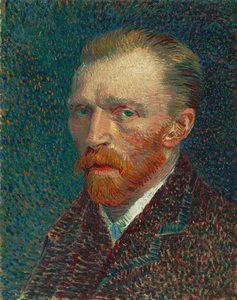
Vincent Van Gogh
1853 - 1890 , Nizozemska
Hitri podatki
- Datum Rojstva: 30. marec 1853
- Datum Smrti: 29. julij 1890
- Kraj Rojstva: Zundert, Nizozemska
- Nacionalnost: Nizozemec
- Pod Vplivom:
- Ekspresionizem
- Fauvizem
- Polno Ime: Vincent Willem van Gogh
- Umetniški Slog: Postimpresionizem
- Vplivneži:
- Rembrandt van Rijn
- Jean-François Millet
- Znani Dela:
- Sončnice
- Nočna senca
- Zvezdna noč
Sorodni članki

Rembrandt van Rijn: 25 Mojstrovin za Popestritev Vašega Doma | OriginalUniqueArt
Odkrijte 25 mojstrovin Rembrandta van Rijna! Preberite zgodbe o portretih, svetlobi in nizozemskem baroku. Kvalitetne reprodukcije slik za vaš dom na OriginalUniqueArt.com. Raziskajte celotno zbirko online.
The Nuances of Graphite: Exploring Emotional Depth & Technical Mastery in Pencil Drawing
Explore the captivating world of graphite drawing! Discover its rich history, master essential techniques like chiaroscuro, and learn how artists evoke emotion through this timeless medium. Expert insights for art enthusiasts.

Decoding Impasto: The Emotional Power of Van Gogh's Textured Brushstrokes
Explore the visceral beauty of Van Gogh's impasto technique. Discover how his thick, textured brushstrokes transform canvas into an emotional landscape, and learn how to bring this tactile masterpiece into your home with premium, hand-painted reproductions.
Decoding Van Gogh's Turmoil: OriginalUniqueArt’s Masterful Reproductions of Emotional Depth
Discover exquisite Van Gogh reproductions from OriginalUniqueArt – expert art specialists offering museum-quality prints & custom paintings. Trust our authentic process and elevate your collection today.

The Alchemy of Graphite: An Expert Guide to Mastering Detail and Depth in Pencil Sketching
Unlock the secrets of graphite sketching with our expert guide for art students. Learn to master pencil grades, create realistic depth, and capture intricate textures through professional techniques designed to elevate your observational drawing skills.