Preklop na tiskanine
 Preberi več







































 Za umetniška dela ali reprodukcije, ki so po katerikoli strani širše od 105 cm (približno 41 palč), bo okvir poslan v razstavljeni obliki kot komplet. Ta metoda zagotavlja varno dostavo in preprečuje poškodbe med transportom.


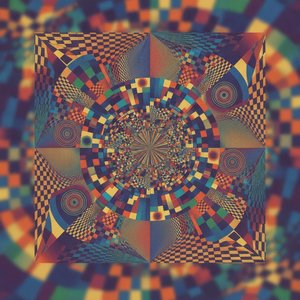
VEGA-EG-1-2: A Symphony of Geometric Illusion
Victor Vasarely’s VEGA-EG-1-2 is more than just a painting; it's an invitation to experience visual perception in a radically new way. Created around 1963, this striking composition showcases four meticulously arranged red and blue spheres—a deceptively simple arrangement that belies the profound intellectual underpinning of Vasarely’s groundbreaking Op Art movement.
The Genesis of Geometric Abstraction
Born Károly Vaszary in Pécs, Croatia, in 1906, Victor Vasarely defied convention from an early age. Initially drawn to medicine, he swiftly recognized that his true passion lay in exploring the realm of visual art. His formative years at Eötvös Loránd University instilled a disciplined mind—a mind that would later translate into a systematic approach to artistic creation.
Bauhaus Influence and Early Style Development
A pivotal encounter with Sándor Bortnyik’s Bauhaus workshop cemented Vasarely's stylistic trajectory. The Bauhaus ethos – prioritizing functionality alongside aesthetic beauty – profoundly impacted his artistic vision, fostering an appreciation for geometric abstraction and influencing the development of his signature style. This school encouraged him to embrace a reductive visual language, stripping away extraneous details to focus on fundamental forms.
Op Art: Challenging Perception
Vasarely’s exploration into Op Art—Optical Art—represents a monumental leap forward in artistic experimentation. Rejecting representational imagery altogether, he sought to manipulate the viewer's perception of space and color through illusionistic techniques. VEGA-EG-1-2 exemplifies this ambition perfectly; the honeycomb pattern of the spheres generates an unsettling yet mesmerizing effect – a subtle oscillation that tricks the eye into perceiving movement where none exists.
Color Palette and Technique: Precision Meets Emotion
Executed in oil on canvas, VEGA-EG-1-2 demonstrates Vasarely’s meticulous attention to detail. The dominant hues of red and blue are carefully calibrated not merely for visual impact but also to convey a sense of dynamism and balance. Each sphere is rendered with remarkable precision, capturing the subtle variations in shade and texture—a testament to Vasarely's mastery of oil painting technique.
- Artist: Victor Vasarely
- Year Created: Approximately 1963
- Medium: Oil on Canvas
- Style: Op Art (Optical Art)
Vprašanja in odgovori
Ali je "VEGA-EG-1-2" avtorja Viktor Vasereli svetlo ali temno umetniško delo?
Splošno je "VEGA-EG-1-2" zabeleženo kot globoka senca. Zaznana svetlina opisuje, kako svetlo ali temno delo deluje.
Kdo je ustvaril "VEGA-EG-1-2" in v kakšnem slogu je izvedeno?
Za delom "VEGA-EG-1-2" sta Viktor Vasereli in umetnostna smer Optical Illusion Art.
Ali je delo "VEGA-EG-1-2" avtorja Viktor Vasereli v javni lastini?
Status avtorskih pravic za "VEGA-EG-1-2" avtorja Viktor Vasereli: del je še vedno pod avtorsko zaščito. To določa, ali se lahko reprodukcije slike izdelujejo prosto.
 Predogled v realnem okolju
 Pošlji
 Deli
Deli
 Podrobnosti o delu
 Priročnik

 Prenesi sliko
 Podobni izdelki
 Rentgenski posnetek
 Predvajaj diaporama
 Vprašanja in odgovori
 Statistika