- Domov

- Digitalna slika
- thomas worlidge
- The Draughtsman

 Predogled
 Pošlji
 Deli
Deli
 Podrobnosti o delu

 Prenesi
 Podobni izdelki
 Rentgenski posnetek
 Predvajaj diaporama
The Draughtsman
 1750
1750 38.0 x 29.0 cm
 Peterborough Museum And Art Gallery
 Razviljaj več
Kupite digitalno sliko visoke ločljivosti z izboljšano kakovostjo, ki je precej boljša od spletnega predogleda.
Vsaka datoteka je pod natančnim nadzorom naših strokovnjakov, ki uporabljajo napredna orodja in strokovno ročno obdelavo. Zagotovimo, da ima vsaka slika izjemno jasnost, natančnost barv in fine podrobnosti.
Končna datoteka je po e-pošti dostavljena v 72 urah, optimizirana za takojšnjo uporabo v profesionalnem, uredniškem in tiskarskem okolju. To je kakovost, ki ji zaupajo vrhunska oblikovalna studia, založniki in galerije.
Digitalna slika
Prenesite datoteko visoke ločljivosti za osebno uporabo, tiskanje in kreativne projekte. ( Switch to Print Preklopite na ročno slikano delo)
Vključeno v vsako naročilo digitalne slike
Zagotovljena strokovna digitalna dostava
Ko izberete OriginalUniqueArt.com, ne prejmete le slike – prejmete digitalno umetniško delo, ki je profesionalno urejeno, izdelano z natančnostostjo in zavestno zagotovljeno z garancijo za zadovoljstvo. Tukaj je vse, kar samodejno prejmete z vašim naročilom:

Hitra dostava prek e-pošte
Vaša digitalna slika visoke ločljivosti bo na vaš e-naslov poslana v roku 72 ur od zaklopa naročila – pripravljena za takojšnjo uporabo.

Digitalna datoteka z umetno inteligenco
Vaše umetniško delo je strokovno optimizirano z uporabo naprednih orodij umetne inteligence in ročne obdelave, kar zagotavlja največjo stopnjo podrobnosti, jasnosti in barvne natančnosti.

Brezplačna ponovna dostava za vse življenje
Ste zaradi nespremietne napake izgubili ali izbrisali svojo datoteko? Ni težav – vam jo bomo ponovno poslali kadar koli in brezplačno.

Brez uvoznih pristojbin – vedno
Uživajte v svojem umetniškem delu takoj, brez carin, davkov ali stroškov dostave – digitalni prenosi so vedno brezdavčni.

Zagotovilo natančnosti barv
Z uporabo profesionalnih orodij in upravljanja barv zagotavljamo, da vaša digitalna slika čim bolj natančno odraža prvotne barve.

60-dnevna garancija zadovoljstva
Če niste zadovoljni s svojo digitalno sliko, jo bomo uredili ali vam v 60 dneh povrnili 100% denarja – brez kakršnih koli vprašanj.

100% Garancija povračila denarja
Niste zadovoljni? Zagovрите popoln povračilo sredstev v 60 dneh po prejemu digitalne datoteke – brez kakršnih koli vprašanj.

Popusti pri večjem številu naročil
Kupite 3 slike, prihranite 10% - Kupite 5 slik, prihranite 15% - Kupite 10+ slik, prihranite 20%. Odlično za kreativne projekte, galerije in agencije.
Biografija umetnika
A Life Etched in Light: The World of Thomas Worlidge
Thomas Worlidge, a name perhaps less celebrated than some of his contemporaries, nevertheless occupies a fascinating niche within the 18th-century English art world. Born in Peterborough in 1700 to Roman Catholic parents—a circumstance that would subtly shape his early career—Worlidge embarked on an artistic journey marked by meticulous technique, a keen eye for portraiture, and a profound engagement with the legacy of Rembrandt van Rijn. His life unfolded against a backdrop of shifting artistic tastes, burgeoning print culture, and the growing prominence of London as a center for both artistic production and consumption. Worlidge’s story is not one of immediate acclaim, but rather of steady development, skillful adaptation, and ultimately, a distinctive voice forged through dedicated study and practice.From Grimaldi's Studio to Birmingham Glass
Worlidge’s formal artistic training began in London under the tutelage of Alessandro Maria Grimaldi, a Genoese refugee artist who instilled in him a foundation of portraiture skills. He quickly demonstrated aptitude, even painting portraits *of* his master and Grimaldi's wife around 1720—a testament to early promise and a burgeoning talent for capturing likeness. A significant turning point came with his marriage to Grimaldi’s daughter, solidifying his connection to this influential artistic family and ensuring continued mentorship from Alexander Grimaldi, the elder artist’s son. Further instruction under Louis Peter Boitard broadened his technical repertoire. Around 1736, Worlidge accompanied the younger Grimaldi on a visit to Birmingham, an event that proved pivotal in reintroducing the art of painting on glass to the region—a skill he practiced for a time alongside his portrait work. A brief sojourn practicing portraiture in Bath further honed his skills before his eventual settling in London around 1740, establishing a base near Covent Garden that would remain central to his life and career.London Life and the Rise of Miniature Portraiture
The years spent in London were crucial for Worlidge’s development as an artist. He initially established himself with miniature portraits, capitalizing on their popularity among a fashionable clientele. These small-scale works demanded exceptional precision and attention to detail—qualities that would become hallmarks of his style. He moved between addresses in the Covent Garden neighborhood – first ‘at the Piazza,’ then Bedford Street and King Street – becoming increasingly integrated into the artistic fabric of the city. By 1763, he had settled in a substantial house on Great Queen Street, built by Inigo Jones, near what would become the Freemasons’ Tavern—a location indicative of his growing status and professional success. However, this period also saw Worlidge grapple with personal challenges; he became increasingly prone to obesity and excessive drinking, ultimately succumbing to gout in his later years. He retreated to a country house in Hammersmith during these final years, where he died on September 23, 1766, and was buried in the local church—a simple marble slab inscribed with verses by William Kenrick serving as his lasting memorial.Rembrandt’s Shadow: Etching and Artistic Identity
While Worlidge enjoyed success with oil and pastel portraits, it was his later embrace of etching that truly defined his artistic identity. He became fascinated with the techniques employed by Rembrandt van Rijn, particularly the use of dry-needle with a triangular point to create richly textured prints. He didn’t merely copy Rembrandt; he *studied* him, attempting to emulate the Dutch master's atmospheric effects and psychological depth. Worlidge copied some of Rembrandt’s most iconic prints—including his self-portrait and the renowned “hundred-guelder plate”—but also created original works inspired by Rembrandt’s style. He became known as the ‘English Rembrandt,’ a title that, while perhaps an oversimplification, acknowledged his profound engagement with the Dutch artist's oeuvre. His etchings of faces in blacklead pencil—for which he charged two guineas apiece—were particularly popular among London society, demonstrating his ability to capture both likeness and character. A notable etching depicted the installation of John Fane, the Earl of Westmorland, at Oxford University in 1761, a complex composition that included self-portraits of himself, his second wife, and his brother-in-law, Alexander Grimaldi, alongside portraits of numerous other figures.A Lasting Legacy: Technique, Influence, and Historical Significance
Thomas Worlidge’s significance lies not in groundbreaking innovation but in skillful adaptation and the dissemination of artistic knowledge. He reintroduced glass painting to Birmingham, popularized miniature portraiture, and brought Rembrandt's etching techniques to a wider English audience. His meticulous approach to portraiture—evident in his oil paintings, pastels, and etchings—reflects a dedication to capturing both physical likeness and psychological nuance. He was a product of his time, responding to the demands of a growing market for portraits while simultaneously engaging with the artistic traditions of the past. While he may not be a household name today, Worlidge’s work offers valuable insights into 18th-century English art—a testament to the enduring power of skillful technique and the transformative influence of artistic masters like Rembrandt van Rijn. His etchings, in particular, remain compelling examples of his artistry, showcasing a unique blend of observation, adaptation, and personal expression.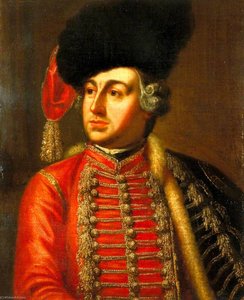
thomas worlidge
1700 - 1766
Ključne informacije
- Artistic Movement Or Style: Portraiture, Etching
- Artists Who Influenced This Artist:
- Alessandro Grimaldi
- Louis Peter Boitard
- Date Of Birth: 1700
- Date Of Death: 1766
- Full Name: Thomas Worlidge
- Nationality: English
- Notable Artworks:
- Mrs Francis Hales
- David Garrick as Tancred
- Portrait of a Man
- Place Of Birth: Peterborough, England

