

 Preverite v realnem okolju
 Pošlji kot čestitko
 Deli
Deli
 Podrobnosti
 Priročnik

 Prenesi
 Podobni artefakti
 Rentgenski posnetek
 Predvajaj diaporama
 Statistika
Updating Yamantaka


 Preberi več
Giclée tisk / Umetniški tisk
Giclée ali platnati odtis muzejske kakovosti z hitro proizvodnjo in prilagodljivimi možnostmi končne obdelave. ( Naročite ročno slikano reprodukcijo Preklop na digitalno sliko)




P118B $10

P118H $10

P118W $10

P438Z $10

P508JH $12

P508YH $12

P805H $10

P805Z $10

P919BZ $10

P919G $10

P919XJ $10

P959ZH $10

P968JZ $12

W106C $8

W218G $10

W218JH $8

W218Y $10

W307PJ $10

W316G $10

W316PJ $8

W316Y $10

W398PJ $8

W4111J $10

W500HY $15

W500JH $15

W692G $12

W849H $8

W940BG $15

W953PJ $8




Izberite eno od naših vnaprej določenih velikosti, ki ustrezajo prvotnim proporcijam umetničkega dela.

Svoje dimenzije lahko vnesete sami, da bodo ustrezne za določen okvir ali prostor. Če izbrana velikost ne bo skladna z razmerji izvirne slike, bomo umetniško delo orezali ali podaljšali s pomočjo ogledalnega odraza ali barvno polnega roba. Pred začetkom proizvodnje vam bomo poslali digitalni predogled za potrditev.
Upoštevajte, da predogled na zaslonu ne prikazuje dejanskega orezovanja ali podaljševanja. Le digitalni predogled bo natančno prikazal končno kompozicijo.
Čeprav so na voljo prilagojene velikosti, priporočamo izbiro dimenzije s predhodno določenega seznama, da ohranite prvotna razmerja.
Globalna dostava () v 2 tednih namesto standardnih 4/5 tednov. (26 september)

Brezplačna ekspresna dostava po vsem svetu

Visokokakovostno laneno platno

Popolno zavarovanje pošiljke

Garancija povračila carine in uvoznih davkov

Garancija popolnega barvnega ujemanja

Politika vračila v 100 dneh (le v primeru okvar)

Garancija 100% povračila denarja

Popust pri večjem naročilu
 Možnost stekla je na voljo le za velikosti pod 110 cm

Updating Yamantaka
Giclée tisk / Umetniški tisk
Velikost reprodukcije
-


Skupna cena
$ 80
The Weight of Mortality: Tenzing Rigdol’s “Updating Yamantaka”
Tenzing Rigdol's "Updating Yamantaka" isn't merely a painting; it’s an arresting collision of ancient Tibetan iconography and contemporary unease. Created in 2010, this work transcends the boundaries of traditional thangka art, forcing us to confront uncomfortable truths about power, death, and the unsettling ways they intersect within our world. At first glance, the composition appears deceptively serene – a vibrant tapestry woven with pastel hues, intricate textile patterns reminiscent of Tibetan prayer rugs, and the solemn script of sacred texts. However, a closer examination reveals a deliberate subversion of established artistic conventions, culminating in an image that is both profoundly unsettling and intellectually stimulating.
The central figure, Yamantaka – the Lord of Death and King of the Law within the Tibetan Buddhist tradition – dominates the canvas. Traditionally depicted astride a buffalo relentlessly pursuing a human victim, symbolizing the inescapable cycle of life and death, Rigdol’s interpretation diverges dramatically. The anonymous, everyman figure representing the sacrificed individual is replaced with the unmistakable face of Osama bin Laden. This jarring juxtaposition isn't gratuitous; it serves as a potent metaphor for the anxieties of the 21st century – a world grappling with global terrorism, political instability, and the pervasive sense that ancient philosophical concepts are suddenly rendered terrifyingly relevant.
A Dialogue Between Tradition and Modernity
Rigdol’s artistic approach is deeply rooted in his Tibetan heritage, yet he doesn't simply replicate traditional styles. He masterfully blends these established techniques with elements of contemporary art, incorporating influences from American Sign Language (ASL) – a subtle nod to his dual identity as a Tibetan-American artist – and personal iconography that speaks to his own experiences. The deliberate layering of sacred text alongside the unsettling image of bin Laden creates a dynamic tension, suggesting a critical engagement with both spiritual and secular realms. The use of pastel colors, typically associated with serenity and spirituality, is deliberately juxtaposed against the stark reality presented by the central figure, amplifying the work’s emotional impact.
Born in Kathmandu, Nepal, in 1982, Rigdol's upbringing was shaped by his family’s displacement from Tibet. This personal history profoundly informs his artistic practice, fueling a desire to explore themes of cultural identity, exile, and the enduring legacy of tradition. His work is not simply an aesthetic exercise; it’s a deeply considered meditation on the complexities of navigating multiple worlds and grappling with profound questions about mortality and morality.
Symbolism and its Shifting Meanings
The symbolism within “Updating Yamantaka” operates on multiple levels. The buffalo, traditionally representing relentless pursuit and destruction, embodies the forces of chaos and violence that threaten to overwhelm human existence. Yamantaka himself represents the inevitable cycle of death and rebirth, a concept central to Buddhist philosophy. However, by placing the face of Osama bin Laden upon this figure, Rigdol transforms the traditional symbolism into a commentary on contemporary global conflict. The image becomes a visual representation of how ancient philosophical concepts can be reinterpreted and applied to address modern challenges – suggesting that even seemingly immutable truths are subject to change and re-evaluation.
Furthermore, the inclusion of scripture alongside the unsettling imagery highlights the ongoing dialogue between faith and reason. Rigdol invites us to consider how traditional beliefs can be both comforting and challenging in a world increasingly defined by uncertainty and conflict. The work ultimately compels viewers to confront their own assumptions about power, death, and the role of violence in shaping human destiny.
A Reproduction Worth Considering
“Updating Yamantaka” is more than just a striking image; it’s a powerful statement about the interconnectedness of past and present. OriginalUniqueArt offers high-quality reproductions that faithfully capture the painting's intricate details and emotional depth. Whether you are an art collector, an interior designer seeking to infuse your space with thought-provoking imagery, or simply someone captivated by this unique work, a reproduction of “Updating Yamantaka” is a compelling addition to any collection – a reminder of the enduring relevance of ancient wisdom in our rapidly changing world.
Biografija umetnika
Early Life and Education
- Born: Kathmandu, Nepal (1982)
- Nationality: Tibetan-American
- Education: University of Colorado Denver College of Arts & Media – Master's Degree in Philosophy, BA-BFA in Art and Art History. Honorary Doctorate in 2022.
- Early life was marked by his parents fleeing occupied Tibet in the late 1960s.
- Studied traditional Tibetan sand painting and butter sculpture at the Shekar Chorten monastery in India.
- Studied thangka painting under Phenpo Tenthar at the Tibetan Thangka Art School in Kathmandu.
Artistic Development and Influences
- Expertise: Primarily known for his expertise in thangka art, blending traditional techniques with modern artistic expressions.
- Influences: Philosophy, ongoing human conflicts, political issues. His family's history as refugees significantly influenced his work.
- Style: Combines Tibetan heritage with contemporary styles; incorporates elements of American Sign Language (ASL) and personal iconography.
- Themes: Cultural identity, displacement, dialogue, environmental pollution, existentialism, ignorance, mindfulness.
Major Works and Projects
- "Pin drop silence: Eleven-headed Avalokiteshvara": Acquired by the Metropolitan Museum of Art in 2014; a significant recognition of his contemporary Tibetan art.
- 20,000 kg of Tibetan Soil Installation: A project involving transporting soil from Shigatse to Dharamshala symbolizing connection to Tibet for displaced Tibetans. Documented in the film "Bringing Tibet Home."
- "Biography of a Thought": Site-specific installation at The Metropolitan Museum of Art, exploring Buddhist concepts and incorporating personal iconography.
- Poetry Collections: Published three collections – “R”– the Frozen Ink (2008), Anatomy of Nights (2011) and Butterfly’s Wings (2011).
Dialogue Artist Residency (DAR) and Collaborative Efforts
- Establishment of DAR: Founded the Dialogue Artist Residency to encourage collaboration between Tibetan and international artists.
- Collaboration with Filmmakers: Contributed to the documentary "Bringing Tibet Home" (2013).
- Focus on Cultural Exchange: Actively fosters cultural exchange through his residency program and collaborative projects.
Recognition and Historical Significance
- Metropolitan Museum of Art Acquisition: His work being acquired by the Met signifies a growing recognition of contemporary Tibetan art within mainstream Western institutions.
- Honorary Doctorate from CU Denver: The first Tibetan artist to receive this honor, highlighting his contribution to both artistic and intellectual fields.
- Bridging Tradition and Modernity: Rigdol's work is significant for its ability to bridge traditional Tibetan art forms with contemporary concerns, making them accessible to a wider audience while retaining their cultural depth.
- Addressing Social and Political Issues: His art serves as a platform for addressing social and political issues relevant to the Tibetan diaspora and beyond.

Tenzing Rigdol
1982 - , Nepal
Ključne informacije
- Artistic Movement Or Style: Contemporary art, Thangka art
- Date Of Birth: 1982
- Full Name: Tenzing Rigdol
- Nationality: Tibetan-American
- Notable Artworks:
- Pin drop silence: Eleven-headed Avalokiteshvara
- Updating Yamantaka
- Place Of Birth: Kathmandu, Nepal
Sorodni članki
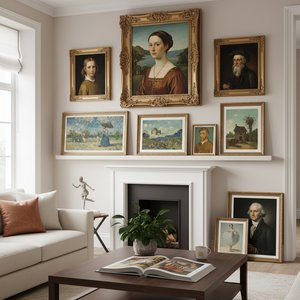
25 Mojstrovin Narodne Galerije Washingtona: Umetnost za Vas Dom | OriginalUniqueArt
Odkrijte 25 ikoničnih del Narodne Galerije Washingtona! Cézanne, Matisse, Picasso in drugi slikarji. Zgodbe umetnosti, tehnike ter navdih za dekoracijo doma z reprodukcijami vrhunske kakovosti na OriginalUniqueArt.com.
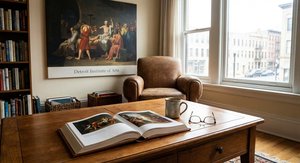
25 Mojstrovih Del Detroit Institute of Arts: Umetniški Biseri za Vaš Dom
Odkrijte 25 mojstrovih del Detroit Institute of Arts! Preberite zgodbe Van Gogha, Moneta in Rembrandta. Reprodukcije slik za vaš dom – navdih & dekoracija. Raziščite celotno zbirko na OriginalUniqueArt.com.

James Abbott McNeill Whistler: 25 Mojstrovskih Del za Navdih v Vašem Domu
Odkrijte 25 mojstrovskih del Jamesa Abbotta McNeilla Whistlerja! Preučite zgodbe, tehnike in navdih za njegove ikonične nocturne, portrete in dela estetizma. Najboljše reprodukcije slik online na OriginalUniqueArt.com – umetnost za vaš dom.
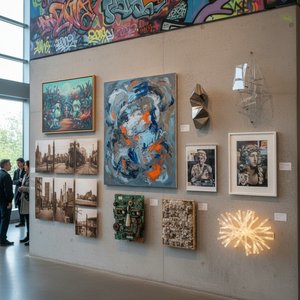
Defining Art Now: Top 10 Masterpieces of '08-Contemporary & Beyond | OriginalUniqueArt
Explore 10 defining masterpieces of contemporary art – from Jeff Koons to Yayoi Kusama. Discover the stories behind iconic paintings & sculptures, and find museum-quality reproductions for your home at OriginalUniqueArt.com. Explore the full collection online!
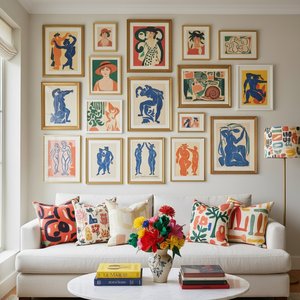
Henri Matisse: 25 Mojstrovskih Del za Navdih v Vašem Domu | OriginalUniqueArt
Odkrijte 25 mojstrovskih del Henrija Matissea! Preučite fauvizem, barvite kompozicije in zgodbe za ikoničnimi slikami. Najdite popolno umetniško reprodukcijo za vaš dom na OriginalUniqueArt.com.