

 Pošlji
 Deli
Deli
 Podrobnosti o delu

 Prenesi
 Podobni izdelki
 Predvajaj diaporama
Lassoing Wild Horses


 Razviljaj več
Giclée tisk / Umetniški tisk
Giclée ali platnati odtis muzejske kakovosti z hitro proizvodnjo in prilagodljivimi možnostmi končne obdelave. ( Kupi ročno naslikano sliko Kupi digitalno sliko)




































Izberite eno od naših vnaprej določenih velikosti, ki ustrezajo prvotnim proporcijam umetničkega dela.

Svoje dimenzije lahko vnesete sami, da bodo ustrezne za določen okvir ali prostor. Če izbrana velikost ne bo skladna z razmerji izvirne slike, bomo umetniško delo orezali ali podaljšali s pomočjo ogledalnega odraza ali barvno polnega roba. Pred začetkom proizvodnje vam bomo poslali digitalni predogled za potrditev.
Upoštevajte, da predogled na zaslonu ne prikazuje dejanskega orezovanja ali podaljševanja. Le digitalni predogled bo natančno prikazal končno kompozicijo.
Čeprav so na voljo prilagojene velikosti, priporočamo izbiro dimenzije s predhodno določenega seznama, da ohranite prvotna razmerja.
Globalna dostava () v 2 tednih namesto standardnih 4/5 tednov. (29 avgust)

Brezplačna ekspresna dostava po vsem svetu

Visokokakovostno laneno platno

Popolno zavarovanje pošiljke

Garancija povračila carine in uvoznih davkov

Garancija popolnega ujemanja barv

60-dnevna politika vračanja (le v primeru napak)

Garancija 100% povračila denarja

Popust pri večjem naročilu
 Možnost stekla je na voljo le za velikosti pod 110 cm

Lassoing Wild Horses
Giclée tisk / Umetniški tisk
Velikost reprodukcije
-


Skupna končna cena
$ 80
Solon Hannibal Borglum’s “Lassoing Wild Horses”: A Frontier Spirit in Bronze
Solon Hannibal de la Mothe Borglum's "Lassoing Wild Horses," crafted around 1898 and cast shortly after, stands as a powerful testament to the American West—a landscape both ruggedly beautiful and fiercely independent. This bronze sculpture, currently residing within the collections of institutions like the Denver Art Museum and the Smithsonian Institution, isn’t merely a depiction of cowboys and horses; it's an embodiment of the spirit of exploration, control, and the enduring relationship between humanity and nature. Borglum, often overshadowed by his more famous brother Gutzon, carved out a distinct artistic identity deeply rooted in realism and a sensitive portrayal of frontier life – a legacy now brought to vibrant life through OriginalUniqueArt’s meticulously crafted reproductions.
The scene unfolds with dynamic immediacy. A lone cowboy, positioned slightly off-center, extends his arm with practiced grace, holding aloft the lasso—a symbol of both skill and dominion over the untamed. His posture exudes confidence, a quiet assertion of mastery over the wild. The second horse, a magnificent creature surging to the right, adds depth and movement to the composition, creating a sense of relentless energy. The careful layering of forms – the muscular physique of the rider, the powerful strides of the horses – speaks volumes about Borglum’s technical skill and his dedication to anatomical accuracy. Notice how he uses lines not just to define shapes but also to convey the very essence of movement, capturing the fleeting moment of capture with remarkable precision.
Technique and Material: The Language of Bronze
Borglum's choice of bronze is crucial to the sculpture’s impact. Likely created using the lost-wax casting technique – a process demanding immense skill and patience – the material itself contributes significantly to the artwork’s character. The rough, textured surface of the bronze, punctuated by subtle variations in tone achieved through careful lighting and the inherent qualities of the metal, immediately draws the eye. These highlights and shadows aren't merely decorative; they actively define the forms, lending a remarkable three-dimensionality to what is essentially a static object. The patina applied – likely a carefully considered blend of chemicals – enhances both the color and tactile quality of the bronze, deepening its richness and adding layers of visual interest.
Furthermore, consider the deliberate use of perspective. The positioning of the horses—one closer to the viewer, the other receding into the background—creates an illusion of depth, drawing us further into the scene. The diagonal line created by the lasso itself acts as a powerful compositional element, guiding our gaze across the sculpture and reinforcing the sense of action. It’s a masterful demonstration of how form, line, and space can be combined to create a truly immersive experience.
Symbolism and the American West
"Lassoing Wild Horses" transcends a simple depiction of ranch life; it carries profound symbolic weight. The act of lassoing represents more than just capturing livestock—it embodies humanity’s ongoing struggle to exert control over the natural world, a theme deeply resonant with the narrative of westward expansion and settlement in America. The cowboy himself can be interpreted as a symbol of the pioneer spirit – resourceful, determined, and willing to confront the challenges of an untamed frontier. The wild horses, representing freedom and instinct, stand in contrast to the rider’s controlled action, highlighting the tension between civilization and wilderness.
Considering Borglum's own background—born in Utah, a child shaped by a complex family dynamic – adds another layer of interpretation. The sculpture can be viewed as an exploration of themes like self-reliance, resilience, and the forging of identity within a challenging environment. It’s a powerful reflection on the American experience itself: a blend of ambition, hardship, and a deep connection to the land.
Bringing “Lassoing Wild Horses” Home
OriginalUniqueArt offers exceptional hand-painted reproductions that capture the essence of Borglum's masterpiece. Each reproduction meticulously recreates the sculpture’s rich textures, dramatic lighting, and evocative composition, allowing you to bring this iconic image into your home or office with stunning fidelity. Whether you are an art enthusiast, a collector seeking a unique statement piece, or simply someone drawn to the spirit of the American West, a OriginalUniqueArt reproduction of “Lassoing Wild Horses” is sure to captivate and inspire.
Explore our collection today: Click here to view a high-resolution image and learn more about this extraordinary artwork.
Biografija umetnika
A Sculptor of the American West: The Life and Art of Solon Hannibal Borglum
Solon Hannibal de la Mothe Borglum, born December 22, 1868, in Ogden, Utah, was a sculptor whose work became inextricably linked with the spirit and landscape of the American West. Though often overshadowed by his more famous brother, Gutzon Borglum – creator of Mount Rushmore – Solon carved out a distinct artistic identity, one deeply rooted in realism and imbued with a sensitive portrayal of frontier life. His story is one of familial complexity, artistic dedication, and a profound connection to the evolving narrative of a nation forging its identity. The early years of his life were marked by an unconventional family dynamic; his father, James Borglum, a Danish immigrant and Mormon polygamist, was married to two sisters, Ida and Christina Mikkelsen. This arrangement led to a fractured childhood for Solon, particularly after his mother, Christina, left the family when he was young – a subject discouraged from discussion within the household. He spent formative years on the Nebraska prairie where his father practiced medicine, developing an intimate understanding of the land and its inhabitants. Initially drawn to the life of a cowboy-rancher, it was his brother Gutzon who recognized and nurtured Solon’s artistic inclinations, encouraging him to pursue formal training.From Paris to the Prairie: Artistic Development and Style
Solon's artistic journey led him first to the Cincinnati Art Academy from 1895 to 1897, where he began to hone his skills. However, it was his subsequent studies in Paris at the Académie Julian under Emmanuel Fremiet that truly shaped his aesthetic vision. There, he gained recognition as “le sculpteur de la prairie” – the sculptor of the prairie – a testament to the unique perspective he brought to European artistic circles. His time in Paris exposed him to classical traditions and refined sculpting techniques, yet he remained steadfastly committed to depicting the scenes and subjects that resonated with his American experience. Borglum’s style is characterized by meticulous realism, an acute understanding of anatomy and movement, and a narrative depth that breathes life into his creations. He didn't merely represent figures; he captured moments, emotions, and the essence of a disappearing way of life. His work focused primarily on depicting life in the American West, particularly scenes involving cowboys, Native Americans, and the vast, untamed landscapes that defined the era. Notable sculptures include “Saint John the Baptist baptizing on the banks of the river” (1900), now housed in Recife, Brazil, a piece demonstrating his mastery of Baroque realism and dramatic composition, and drawings like "Cow" at the Smithsonian American Art Museum, showcasing his ability to capture the raw power and beauty of animal life.War, Teaching, and a Lasting Legacy
The outbreak of World War I saw Solon shift his focus from artistic creation to service. He worked with the YMCA, contributing to Les Foyers du Soldat service clubs in France, providing respite and support for soldiers on the front lines. His dedication was recognized with the Croix de Guerre, a testament to his selfless contributions during wartime. Following the war, Borglum returned to the United States and founded the School of American Sculpture in New York City. Driven by a desire to pass on his knowledge and expertise, he mentored aspiring artists, developing a textbook titled *Sound Construction* as a guide for his students. This pedagogical endeavor reflects his commitment to fostering a new generation of sculptors grounded in both technical skill and artistic vision. Tragically, Solon Borglum’s life was cut short on January 31, 1922, following an appendectomy. However, his legacy endured through the dedication of his wife, Emma Vignal, and later through his daughter Monica and her husband, who diligently preserved and exhibited his work, ensuring that his artistic contributions would not be forgotten.A Bridge Between Eras: Historical Significance
Solon Borglum’s impact on American sculpture lies in his ability to bridge the gap between realism and iconic representations of frontier life. He didn't romanticize the West; he depicted it with honesty, sensitivity, and a deep understanding of its complexities. His sympathetic portrayal of Native Americans was particularly noteworthy, challenging prevailing stereotypes and offering a more nuanced perspective on their culture and experiences. Borglum’s teachings and artistic style influenced numerous artists, including Paul Manship, who studied under him and went on to become a prominent sculptor in his own right. Today, the New Britain Museum of American Art houses a significant collection of Borglum's sculptures and related materials, safeguarding his art for future generations. His work provides invaluable insights into the cultural landscape of the late 19th and early 20th centuries, reflecting both the romantic allure and the harsh realities of life in the American West. Through his remarkable sculptures and drawings, Solon Hannibal Borglum continues to inspire artists and art enthusiasts alike, reminding us of a pivotal era in American history and the enduring power of artistic expression. His legacy is not merely one of sculpted forms but of stories told in bronze and stone, capturing the heart and soul of a nation.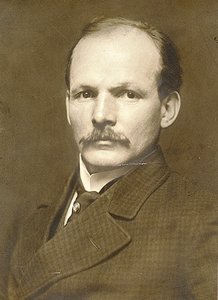
Solon Hannibal Borglum
1868 - 1922 , United States of America
Hitri podatki
- Artistic Movement Or Style: Realism, Western art
- Artists Or Movements Influenced By This Artist: ['Paul Manship']
- Artists Who Influenced This Artist:
- Emmanuel Fremiet
- Gutzon Borglum
- Date Of Birth: December 22, 1868
- Date Of Death: January 31, 1922
- Full Name: Solon Hannibal Borglum
- Nationality: American
- Notable Artworks:
- Saint John the Baptist
- Cow
- The teacher of sciences
- Place Of Birth: Ogden, USA
Sorodni članki

Bronze Age to Modern Masters: 10 Sculptures That Redefined Art | OriginalUniqueArt
Journey through art history with 10 legendary bronze sculptures – from Michelangelo's David to Rodin’s Thinker. Explore the stories, techniques & timeless beauty of these masterpieces. Find museum-quality reproductions & elevate your home decor on OriginalUniqueArt.com.

Bronze Sculptures That Defined Art History | OriginalUniqueArt
Journey through art history with our Top 10 bronze sculptures! Explore masterpieces by Rodin, Michelangelo & more. Discover stories behind iconic statues and find museum-quality reproductions for your home decor at OriginalUniqueArt.com.
The Enduring Legacy of Bronze: A Historical & Artistic Exploration for the Collector
Explore the rich history & enduring appeal of bronze sculpture with expert insights for collectors at OriginalUniqueArt. Learn about casting techniques, iconic artists, collecting tips & contemporary interpretations.
The Enduring Legacy of Bronze Sculpture: A Collector's Guide to Form & Cultural Significance
Explore the rich history & enduring appeal of bronze sculpture with expert insights for collectors at OriginalUniqueArt. Learn about casting techniques, iconic artists, and collecting tips to build a discerning art collection.
The Enduring Legacy of Bronze: History, Technique & Artistic Expression for the Collector
Explore the rich history & enduring appeal of bronze sculpture with expert insights for collectors at OriginalUniqueArt. Learn about casting techniques, iconic artists, and collecting tips.

