

 Preverite v realnem okolju
 Pošlji kot čestitko
 Deli
Deli
 Podrobnosti
 Priročnik

 Prenesi
 Podobni artefakti
 Rentgenski posnetek
 Predvajaj diaporama
 Statistika
The Hundred Jugs
 Acrylic On Canvas
- WallArt
 1916
1916- 19th Century
 123.0 x 154.0 cm
 Walker Art Gallery
 Preberi več
Giclée tisk / Umetniški tisk
Giclée ali platnati odtis muzejske kakovosti z hitro proizvodnjo in prilagodljivimi možnostmi končne obdelave. ( Naročite ročno slikano reprodukcijo Preklop na digitalno sliko)




P118B €10

P118H €10

P118W €10

P438Z €10

P508JH €12

P508YH €12

P805H €10

P805Z €10

P919BZ €10

P919G €10

P919XJ €10

P959ZH €10

P968JZ €12

W106C €8

W218G €10

W218JH €8

W218Y €10

W307PJ €10

W316G €10

W316PJ €8

W316Y €10

W398PJ €8

W4111J €10

W500HY €15

W500JH €15

W692G €12

W849H €8

W940BG €15

W953PJ €8




Izberite eno od naših vnaprej določenih velikosti, ki ustrezajo prvotnim proporcijam umetničkega dela.

Vnesite širino in višino, ki jih potrebujete za svoj okvir ali steno. Tiskanje se lahko le odreže, vendar ga ni mogoče narediti večjega od slike, zato format z drugačno obliko pomeni izgubo dela slike. Pred tiskanjem vam pošljemo digitalni predogled za potrditev. Slika, prikazana na tej strani, ne prikazuje dejanskega izrezkov — le predogled to omogoča.
Globalna dostava () v 2 tednih namesto standardnih 4/5 tednov. (27 oktober)

Brezplačna ekspresna dostava po vsem svetu

Visokokakovostno laneno platno

Popolno zavarovanje pošiljke

Garancija povračila carine in uvoznih davkov

Garancija popolnega barvnega ujemanja

Politika vračila v 100 dneh (le v primeru okvar)

Garancija 100% povračila denarja

Popust pri večjem naročilu
 Možnost stekla je na voljo le za velikosti pod 110 cm

The Hundred Jugs
Giclée tisk / Umetniški tisk
Velikost reprodukcije
-


Skupna cena
€ 70
A Symphony of Ceramics: William Nicholson’s “The Hundred Jugs”
William Nicholson's "The Hundred Jugs," painted in 1916 during the tumultuous years of World War I, is far more than a simple arrangement of pottery. It’s a carefully constructed tableau brimming with quiet observation, subtle tension, and a poignant exploration of domesticity amidst the backdrop of national upheaval. The painting, now residing in the Walker Art Gallery in Liverpool, immediately draws the eye into a densely packed room – not a grand hall, but rather a humble space, hinting at a comfortable, if slightly cluttered, existence. Nicholson masterfully employs a muted palette of browns, ochres, and greys, creating an atmosphere of subdued warmth that contrasts subtly with the inherent chaos of the scene.
The sheer volume of jugs is immediately arresting – a seemingly endless collection of earthenware, stoneware, china, and glass vessels in varying sizes and shapes. They aren’t arranged with any discernible order; instead, they tumble over each other, creating a sense of overflowing abundance. This isn't the idealized still life of earlier periods, where objects were meticulously posed for aesthetic perfection. Here, Nicholson embraces a more spontaneous approach, capturing the everyday reality of a household filled with possessions – a reflection of the era’s burgeoning interest in the ordinary and the vernacular.
The Beggarstaff Legacy and Artistic Innovation
To fully appreciate “The Hundred Jugs,” it's crucial to understand Nicholson’s artistic background. He was a key figure in the Beggarstaff partnership, alongside his brother-in-law James Pryde, renowned for their groundbreaking poster designs and illustrations. The Beggarstaff style – characterized by its bold lines, dynamic compositions, and often satirical or humorous subject matter – represented a significant departure from traditional illustration. Nicholson’s influence on this movement is evident in the painting's energetic arrangement and slightly off-kilter perspective.
However, “The Hundred Jugs” transcends the Beggarstaff aesthetic. While retaining some of their dynamism, it demonstrates a deeper engagement with color and texture. Nicholson’s use of tone—the subtle variations in hue and value—is particularly noteworthy. He eschews bright colors in favor of muted tones that create a sense of depth and atmosphere. This tonal approach, as he himself described, is “quality in common between colours,” prioritizing the overall harmony of the composition over precise representation.
Symbolism and Emotional Resonance
The painting’s symbolism is layered and open to interpretation. The abundance of jugs can be seen as a metaphor for domesticity, prosperity, or even the anxieties associated with wartime shortages. The cat perched atop a stack of jugs, greedily lapping up milk from a spilled vessel, adds a touch of playful irony – a moment of levity amidst a period of profound uncertainty. This small detail hints at the human desire for comfort and pleasure in the face of adversity.
Furthermore, the painting’s creation during World War I imbues it with a poignant emotional resonance. Nicholson's son, Ben, later recalled that his father’s still-life paintings stemmed from “a very simple, direct painterly approach,” rooted in the beauty of everyday objects like these jugs – a grounding force amidst the horrors of war. The painting serves as a testament to the enduring power of art to capture and convey human experience, even in times of great upheaval.
A Timeless Masterpiece for Collectors and Designers
"The Hundred Jugs" remains a captivating work of art, offering a glimpse into the domestic life of early 20th-century Britain. Its masterful composition, evocative use of color, and subtle symbolism make it a timeless masterpiece. Reproductions of this painting are highly sought after by collectors and interior designers alike, who appreciate its ability to add warmth, character, and a touch of understated elegance to any space. It’s a piece that invites contemplation, sparking conversations about art, life, and the enduring beauty found in the ordinary.
Vprašanja in odgovori
Priporočena uporaba in prostor za "The Hundred Jugs" avtorja Sir William Nicholson?
Za Statement se priporoča "The Hundred Jugs", priporočena prostorina pa je Living Room.
Je Sir William Nicholson, ustvarjalec dela "The Hundred Jugs", znan tudi pod drugimi imeni?
Sir William Nicholson je znana tudi pod imenom William Nicholson, W. Nicholson, Sir William Newzam Prior Nicholson.
Kakšna je tehnika in kakšne so dimenzije dela "The Hundred Jugs" avtorja Sir William Nicholson?
"The Hundred Jugs" je izdelano z uporabo tehnike Acrylic On Canvas in v svoji prvotni obliki meri 123 x 154 cm.
Biografija umetnika
Zgodnje življenje in umetniški začetki
Sir William Newzam Prior Nicholson, rojen leta 1872 v Newark-on-Trentu, je izhajal iz okolja, ki je združevalo industrijsko praktičnost z umetniško občutljivostjo. Njegov oče, uspešen inženir in konservativni poslanec, mu je vlil disciplino, medtem ko ga je mati povezal s tradicijo Oxfordshirea. Že v mladosti je Nicholson pokazal nadarjenost za slikarstvo, ki jo je negoval z lekcijami pri Williamu Cubleyju, lokalnem slikarju, katerega umetniški korenine so segale do Sir Joshua Reynoldsa. Ta zgodnji stik je položil temelj karieri, ki bo obsegala različne tehnike in sloge. Kratek študij na umetniški šoli Huberta von Herkomerja se je izkazal za ključnega, ne le za izpopolnjevanje spretnosti, ampak tudi za predstavitev Mabel Pryde, ki bo postala njegova žena in bistvena sodelavka v njegovem razvijajočem se umetniškem potovanju. Prav prek Mabel je spoznal njenega brata Jamesa Pryda, partnerstvo, ki bo kmalu revolucioniralo svet grafičnega oblikovanja.Beggarstaffs: Revolucija v plakatnem ustvarjanju
Sodelovanje med Williamom Nicholsonom in Jamesom Prydom, znano kot “J. & W. Beggarstaff,” je pomenilo prelomnico v britanski vizualni kulturi. Zavračali so prevladujočo okrasnost viktorijanskih plakatov in se posvetili drzavi preprostosti, za katero so bili značilne izrazite silhuete, ravne barvne površine in namerno zavrnitev tradicionalne perspektive. Njihovi dizajni niso bili zgolj oglasi; bili so izjave – močne grafične kompozicije, ki so ujamele javno domišljijo. Plakati za predstave, kot je Don Quixote, in publikacije, kot je Harper’s Magazine, so postali takoj prepoznavni in vplivali na generacijo umetnikov in oblikovalcev. To obdobje ni bilo zgolj o komercialnem ustvarjanju; šlo je za ponovno opredelitev vizualne komunikacije samega sebe. Delo Beggarstaffsov je izzivalo konvencije, utiralo pot modernemu grafičnemu oblikovanju in uveljavilo Nicholsonov ugled inovatorja. Njegov vpliv se je razširil daleč onkraj sveta plakatov, vplival na ilustracijo in celo slikarstvo s poudarkom na močni formi in premišljeni kompoziciji.Od lesoreza do portretov: Razvijajoči se slog
Po razpadu partnerstva Beggarstaffs se je Nicholson podal v obdobje stilskih raziskav. Posvetil se je lesorezom in lesotiskom, tehnikam, ki so mu omogočile nadaljnjo izboljšavo obvladovanja linije in forme. Spodbuden s priznanim Jamesom McNeill Whistlerjem, je sprejel te metode in ustvarjal prefinjene in sugestivne tiske, ki so prikazovali njegovo naraščajočo umetniško zrelost. Ta dela so pokazala izjemno sposobnost ujemanja bistva z minimalnimi podrobnostmi, lastnostjo, ki bo postala značilna za njegov slog. Hkrati se je Nicholson začel uveljavljati kot portretist in prejel naročila od uglednih oseb tiste dobe. Njegovi portreti niso bili zgolj podobnosti; bili so vpogledi v karakter, ki so razkrivali notranje življenje svojih subjektov s subtilnimi niansami izraza in drže. Dela kot sta *Lady in Furs, Mme. P.* ponazarjajo to spretnost, zajemajoč ne le fizični videz, ampak tudi občutek osebnosti in družbenega položaja.Tihožitja, krajina in trajna zapuščina
V poznejših fazah svoje kariere se je Nicholson vse bolj osredotočil na tihožitja in pokrajino. Njegova tihožitja, kot je *The Lowestoft Bowl*, so slavna po izjemni pozornosti do podrobnosti, harmoničnih barvnih paletah in mirnem občutku intimnosti. Vsakdanje predmete je preživel s pesniško kakovostjo, jih dvignil nad zgolj reprezentacijo v simbole lepote in kontemplacije. Njegove pokrajine, pogosto prizori iz njegovih potovanj v Španijo in Italijo, razkrivajo občutljivost za svetlobo in vzdušje, zajemajo bistvo prostora z izjemno spretnostjo. Skozi vse življenje je Nicholson ostal vsestranski umetnik, ki nenehno eksperimentira z novimi tehnikami in pristopi. Napisal je otroške knjige, oblikoval za gledališče in nadaljeval s produkcijo tiskov poleg svojih slik. Vpliv Sir Williama Nicholsona sega onkraj njegovega obsežnega dela; navdihnil je generacije umetnikov s svojo predanostjo izdelavi, inovativnim duhom in sposobnostjo najti lepoto v vsakdanje življenje. Njegovo delo ostaja dokaz moči umetnosti osvetliti človeško izkušnjo in spremeniti naše dojemanje sveta okoli nas. Umrl je leta 1949, za seboj pa pustil bogato umetniško zapuščino, ki še danes očara in navdihuje.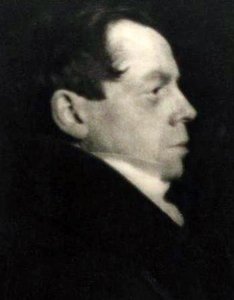
Sir William Nicholson
1872 - 1949 , Združeno kraljestvo
Ključne informacije
- Datum Rojstva: 5. februar 1872
- Datum Smrti: 16. maj 1949
- Državljanstvo: Britanski
- Kraj Rojstva: Newark, Združeno kraljestvo
- Polno Ime: Sir William Newzam Prior Nicholson
- Pomembna Dela:
- Lady in Furs
- The Lowestoft Bowl
- Plaza de toros, Malaga
- Umetniki/Smeri Vplivani: Grafični dizajn, portretarstvo
- Umetniški Smer/Stil: Portret, tihožitje, lesorez
- Vplivi Umetnikov:
- James Pryde
- Whistler
Sorodni članki
William Michael Harnett: Still Life, Realism & the American Pursuit of Materiality
Explore the captivating still lifes of William Michael Harnett, a master of American realism and trompe l'oeil painting. Discover his technique, legacy & the cultural context behind his iconic works.

Silent Narratives: Exploring the Enduring Appeal of Still Life Painting Across Centuries
Explore the rich history of still life painting with OriginalUniqueArt. Discover Dutch Masters, decode vanitas symbolism & learn about collecting timeless art. Expert insights and museum-quality reproductions.
Clyfford Still's Abstract Expressionism: A Study of Color, Form & the Existential Landscape
Explore the profound world of Clyfford Still's Abstract Expressionism with OriginalUniqueArt. Discover his unique style, existential themes & investment potential. Expert analysis for discerning collectors.
Sir William Nicholson: A Study in Post-Impressionist Portraiture & Decorative Modernism
Explore the life & work of Sir William Nicholson, a pivotal British Post-Impressionist painter. Discover his striking portraits, innovative woodcuts, and lasting influence on early 20th-century art. Expert insights for collectors.
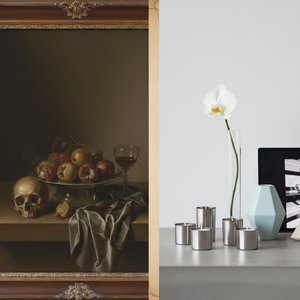
The Enduring Appeal of Still Life: A Historical & Contemporary Exploration
Explore the rich history & symbolism of still life painting with OriginalUniqueArt. Discover masterpieces from the Dutch Golden Age, learn about vanitas art, and find expert guidance for collecting timeless artworks.