

 Preverite v realnem okolju
 Pošlji kot čestitko
 Deli
Deli
 Podrobnosti
 Priročnik

 Prenesi
 Podobni artefakti
 Rentgenski posnetek
 Predvajaj diaporama
 Statistika
The Black Brunswicker
 Oil On Canvas
- WallArt
- Pre-Raphaelite Brotherhood
 103.0 x 69.0 cm
 Royal Scottish Academy of Art - Architecture
 Preberi več
Giclée tisk / Umetniški tisk
Giclée ali platnati odtis muzejske kakovosti z hitro proizvodnjo in prilagodljivimi možnostmi končne obdelave. ( Naročite ročno slikano reprodukcijo Preklop na digitalno sliko)




P118B €10

P118H €10

P118W €10

P438Z €10

P508JH €12

P508YH €12

P805H €10

P805Z €10

P919BZ €10

P919G €10

P919XJ €10

P959ZH €10

P968JZ €12

W106C €8

W218G €10

W218JH €8

W218Y €10

W307PJ €10

W316G €10

W316PJ €8

W316Y €10

W398PJ €8

W4111J €10

W500HY €15

W500JH €15

W692G €12

W849H €8

W940BG €15

W953PJ €8




Izberite eno od naših vnaprej določenih velikosti, ki ustrezajo prvotnim proporcijam umetničkega dela.

Vnesite širino in višino, ki jih potrebujete za svoj okvir ali steno. Tiskanje se lahko le odreže, vendar ga ni mogoče narediti večjega od slike, zato format z drugačno obliko pomeni izgubo dela slike. Pred tiskanjem vam pošljemo digitalni predogled za potrditev. Slika, prikazana na tej strani, ne prikazuje dejanskega izrezkov — le predogled to omogoča.
Globalna dostava () v 2 tednih namesto standardnih 4/5 tednov. (22 oktober)

Brezplačna ekspresna dostava po vsem svetu

Visokokakovostno laneno platno

Popolno zavarovanje pošiljke

Garancija povračila carine in uvoznih davkov

Garancija popolnega barvnega ujemanja

Politika vračila v 100 dneh (le v primeru okvar)

Garancija 100% povračila denarja

Popust pri večjem naročilu
 Možnost stekla je na voljo le za velikosti pod 110 cm

The Black Brunswicker
Giclée tisk / Umetniški tisk
Velikost reprodukcije
-


Skupna cena
€ 70
The Black Brunswicker: A Victorian Tableau of Duty and Desire
John Everett Millais’s “The Black Brunswicker,” painted in 1860, is more than just a depiction of a soldier preparing for battle; it's a meticulously crafted tableau vivant—a staged scene designed to evoke both the drama of historical conflict and the poignant intimacy of personal relationships. This remarkable work, now housed at the Lady Lever Art Gallery in Port Sunlight, Merseyside, offers a captivating glimpse into Victorian sensibilities, Pre-Raphaelite aesthetics, and the complex interplay between duty, love, and loss.
At first glance, the painting presents a seemingly straightforward scene: a young soldier, clad in the dark, imposing uniform of the Black Brunswickers—a German mercenary unit that fought valiantly at the Battle of Waterloo—is about to depart for war. His sweetheart, a woman of striking beauty adorned with a delicate pink sash and pearl-white satin gown, attempts to restrain him, her face etched with worry as she struggles to close the heavy wooden door behind him. A loyal black dog sits attentively at their feet, seemingly mirroring the soldier’s conflicted emotions. However, beneath this surface narrative lies a rich tapestry of symbolism and historical allusion, meticulously woven by Millais.
A Collision of Eras and Influences
Millais masterfully juxtaposes elements from different eras within a single composition. The soldier's attire, reminiscent of 19th-century military garb, immediately anchors the scene in a specific historical context—the Napoleonic Wars. Yet, the woman’s dress, with its elaborate detailing and delicate fabrics, hints at a more refined Victorian sensibility. Crucially, the painting is not simply a portrait of two lovers; it's deeply intertwined with a broader narrative inspired by Tennyson’s poem “Mariana,” which explores themes of unrequited love, loss, and the constraints imposed upon women in Victorian society. The inclusion of Jacques-Louis David’s monumental painting "Napoleon Crossing the St. Bernard Pass" further complicates the scene, adding an element of grand historical drama and subtly commenting on the romantic ideals of heroism and conquest.
The presence of the print is not merely decorative; it serves as a visual counterpoint to the intimate moment unfolding before the viewer. David’s painting, with its heroic depiction of Napoleon, embodies masculine power and military triumph—qualities that stand in stark contrast to the woman's desperate attempt to prevent her lover from embracing such ambition. The soldier’s struggle against his duty, symbolized by the open door, becomes a metaphor for the broader conflict between personal desires and societal expectations.
Technique and Detail: A Pre-Raphaelite Masterpiece
Millais's technical skill is evident in every detail of “The Black Brunswicker.” He employed the meticulous observation characteristic of the Pre-Raphaelites, painstakingly rendering the textures of the fabrics—the heavy velvet of the soldier’s uniform, the delicate lace of the woman’s gown, and the rough grain of the wooden door. The use of a white ground technique, where thin layers of translucent paint are applied over a primed surface, creates an illusion of depth and luminosity, enhancing the realism of the scene. The artist's attention to detail extends beyond mere representation; he deliberately incorporates symbolic elements—the falling autumn leaves representing the passage of time and the inevitability of loss, the dog’s watchful gaze reflecting the soldier’s internal turmoil.
Notably, Millais employed a unique method for creating this complex scene. Rather than posing his subjects directly, he utilized wooden stand-ins to capture their gestures and expressions. The soldier's pose was achieved by having an anonymous soldier clasp a lay-figure to his breast, while the woman’s posture was replicated using a similar technique. This innovative approach allowed Millais to achieve remarkable accuracy in conveying the emotional nuances of the scene, despite the lack of direct interaction between the models.
Emotional Resonance and Lasting Legacy
"The Black Brunswicker" transcends its historical subject matter to resonate with viewers on a deeply emotional level. The painting captures the poignant tension between love and duty, highlighting the sacrifices individuals make in the face of societal pressures. The woman’s desperate attempt to hold her lover back speaks to the constraints placed upon women during the Victorian era, while the soldier's conflicted emotions reflect the burden of military service.
Millais’s masterpiece remains a powerful testament to the Pre-Raphaelite movement’s commitment to realism, symbolism, and narrative storytelling. It is a captivating work that continues to fascinate art lovers and collectors alike, offering a glimpse into the complexities of Victorian life and the enduring power of human emotion.
Vprašanja in odgovori
Ali je "The Black Brunswicker" avtorja John Everett Millais portretna, krajinska ali kvadratna kompozicija?
Format dela "The Black Brunswicker" je Portrait. To je koristno pri načrtovanju postavitve reprodukcije.
Kateri umetniški slog zastopa "The Black Brunswicker" avtorja John Everett Millais?
Umetnostni smer, povezana z delom "The Black Brunswicker" avtorja John Everett Millais, je Pre-Raphaelite Brotherhood. Ta klasifikacija delo uvršča med sorodne umetnike in umetniška dela.
Kje se priporoča izpostavljanje v formatu Portrait za delo "The Black Brunswicker"?
Z obliko Portrait se reprodukcija dela "The Black Brunswicker" priporoča za Living Room.
Biografija umetnika
Prebujeni genij predrafaelitov: Življenje in umetnost Sir Johna Everetta Millaisa
John Everett Millais, rojen leta 1829 v Southamptonu, je že pri enajstih letih vstopil na Kraljevo akademijo – najmlajši študent, ki ga je ta institucija kdaj sprejela. Ta zgodnji izraz izjemnega talenta je napovedal kariero, ki ne bo le definirala umetniškega gibanja, temveč tudi očarala viktorijansko javnost s svojim osupljivim realizmom in čustveno globino. Že od mladih let je Millais posedoval izjemen dar opazovanja, lastnost, ki bo postala temelj njegovega umetniškega sloga. Ni preprosto slikal to, kar je videl; natančno ga ponovno ustvarjal, vsak črtico napolnil s skoraj fotografsko zvestobo. Ta predanost resnici v reprezentaciji ga je ločila od ostalih in končno vodila k izzivu uveljavljenih konvencij britanske umetnosti. Njegova zgodnja dela so že kazala na njegovo sposobnost ujemanja subtilnih detajlov, ki so nakazovala prihodnji razvoj njegovega edinstvenega sloga.Rojstvo bratovščine in umetniška upornost
Millaisova umetniška pot je doživela ključno prelomnico leta 1848, ko je skupaj z Dante Gabrielom Rossettijem in Williamom Holmanom Huntom ustanovil Bratovščino predrafaelitov. To ni bila le estetska izbira; to je bil nameren upor proti temu, kar so smatrali za umetnost akademije – umetnosti, ki se je preveč oddaljila od naravnega sveta in iskrenosti zgodnjih renesančnih mojstrov, tistih, ki so delovali *pred* Rafaelom. Predrafaeliti so želeli oživiti jasnost, detajle in živahne barvne palete umetnikov kot sta Jan van Eyck in Fra Angelico. Njihov manifest je bil resnica naravi, zavrnitev idealiziranih oblik in sprejemanje motivov iz literature, mitologije in vsakdanjega življenja. Millaisova zgodnja dela, kot je Isabella, so takoj pokazala ta nov pristop – natančno pozornost do detajlov v kombinaciji z narativno intenzivnostjo, ki je očarala in pogosto izzvala občinstvo. Njegovo najbolj kontroverzno delo tega obdobja, Kristus v hiši svojih staršev (1849-50), je Sveto družino prikazal ne kot eterična bitja, temveč kot navadne delavske ljudi, kar je sprožilo ogorčenje kritikov, ki so njegov realizem našli pretresljiv in celo blasfemičen. Ta slika je postala simbol upora proti ustaljenim normam in izraz predrafaelitskega idealizma.Razvijajoči se slogi in viktorijanska občutljivost
Sredina 1850-ih let je zaznamovala obdobje pomembnih sprememb za Millaisa, tako osebno kot umetniško. Njegova poroka z Effie Gray, po razveljavitvi njene poroke s Johnom Ruskinom, je močno vplivala na njegovo delo. Odmaknil se je od intenzivnega detajla in simbolizma zgodnjih predrafaelitskih slik k širšemu, atmosferskemu realizmu. Ta premik ni bil zgolj modna izbira; odražal je naraščajoče zanimanje za sodobno življenje in željo ujeti minljivo lepoto naravnega sveta. Slike kot Jesenski listi ponazaravljajo to novo smer – miren prikaz skupine mladih žensk, ki plavajoče liste na reki, prežet s čustvom melanholije in nostalgije. Uspešno se je uveljavil tudi kot portretist, zajel podobe pomembnih viktorijanskih osebnosti, vključno z Johnom Gladstonem in Benjaminom Disraelijem. V tem obdobju je Millais dosegel široko priljubljenost in finančno varnost, vendar ga je tudi kritiziral nekateri, ki so menili, da je žrtvoval svoje umetniške principe. Njegova sposobnost portretiranja viktorijanske elite pa je pokazala njegovo vsestranskost in prilagodljivost kot slikarja.Zapuščina in trajni vpliv
Kljub tej kritiki ostaja Sir John Everett Millais ena najpomembnejših osebnosti britanske umetnosti 19. stoletja. Njegov vpliv sega daleč onkraj Bratovščine predrafaelitov; pomagal je ponovno opredeliti standarde realizma in narativnega slikarstva, navdihniti generacije umetnikov. Njegove ikonične podobe – Ofelija s svojo čarobno lepoto in simbolično bogato vsebino, Huguenot, ki prikazuje dramatičen trenutek verskega konflikta in prepovedane ljubezni, ter številne druge – še danes burijo občinstvo. Millaisova sposobnost združiti natančno opazovanje s čustveno globino, njegovo mojstrstvo barve in kompozicije ter njegova pripravljenost izzivati umetniške konvencije so utrdile njegov položaj kot pravega inovatorja. Leta 1896 je bil izvoljen za predsednika Kraljeve akademije, kar je dokaz njegovega trajnega zapuščine – žal pa je umrl le nekaj mesecev pozneje. Njegovo delo še danes slavijo v muzejih in zbirki po vsem svetu, kar zagotavlja, da bo lepota in moč njegove umetnosti vztrajala za generacije naprej.Glavna dela & Zbirke
- Kristus v hiši svojih staršev (1849-1850): Tate Britain, London – Kontroverzno mojstrino, ki ponazarja zgodnji predrafaelitski realizem.
- Ofelija (1851-1852): Tate Britain, London – Morda njegovo najbolj znano delo, priznano po svoji čarobni lepoti in simbolični globini.
- Huguenot (1851-1852): Zasebna zbirka – Dramatičen prikaz verskega konflikta in prepovedane ljubezni.
- Mariana (1850-1851): Manchester Art Gallery – Navdihnjeno s Shakespearom in Tennysonem, ki prikazuje Millaisovo spretnost pri ujemanju razpoloženja in atmosfere.
- Jesenski listi (1855-1856): City of Manchester Art Galleries – Miren in evocativen sliko, ki odraža njegov razvijajoči se slog.

John Everett Millais
1829 - 1896 , Slovenija
Ključne informacije
- Datum Rojstva: 8. junij 1829
- Datum Smrti: 13. avgust 1896
- Državljanstvo: Britanski
- Kraj Rojstva: Southampton, Združeno kraljestvo
- Polno Ime: Sir John Everett Millais
- Pomembna Dela:
- Kristus v hiši staršev
- Ophelia
- A Huguenot
- Mariana
- Umetniki/Smeri Pod Vplivom: ['Predrafaelitsko gibanje']
- Umetniški Smer: Predrafaeliti, Realizem
Sorodni članki

Pre-Raphaelite Romanticism: A Guide to Vivid Detail and Medieval Beauty in Victorian Art
Explore the vivid detail and medieval beauty of Pre-Raphaelite Romanticism. Discover the history of masters like Rossetti and Millais through our expert guide to Victorian art, perfect for collectors and professionals seeking authentic, museum-quality reproductions.

Sir John Everett Millais: Pre-Raphaelite Rebellion & Victorian Narrative Detail
Explore the revolutionary art of Sir John Everett Millais & the Pre-Raphaelite Brotherhood. Discover their radical realism, symbolic narratives, and lasting impact on Victorian aesthetics. A deep dive into 19th-century masterpieces.
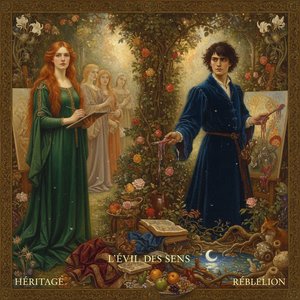
The Pre-Raphaelite Brotherhood: Reclaiming Beauty, Nature, and Truth in Victorian Art History
Explore the revolutionary Pre-Raphaelite Brotherhood. Discover how these visionary artists rejected academic tradition to reclaim beauty, nature, and truth through luminous detail and literary depth in Victorian art history.

Dante Gabriel Rossetti: 25 Mojstrovin Pre-Rafaelitskega Romantika | OriginalUniqueArt
Odkrijte 25 mojstrovin Dante Gabriela Rossettija, pre-rafaelitskega slikarja ljubezni in simbolizma. Pre-rafaeliti, portreti, mitologija – navdih za vaš dom na OriginalUniqueArt.com! Raziskajte reprodukcije slik visoke kakovosti.

The Pre-Raphaelite Brotherhood: Rediscovering Romanticism, Mythological Depth, and Vivid Detail in Victorian Art
Explore the breathtaking world of the Pre-Raphaelite Brotherhood. Discover how this movement redefined Victorian art through vivid detail, mythological depth, and romanticism. An expert guide for classic art enthusiasts seeking to rediscover these timeless masterpieces.


