

 Preverite v realnem okolju
 Pošlji kot čestitko
 Deli
Deli
 Podrobnosti
 Priročnik

 Prenesi
 Podobni artefakti
 Rentgenski posnetek
 Predvajaj diaporama
 Statistika
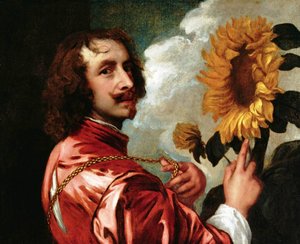
Self Portrait
 Oil On Canvas
- WallArt
- Baroque
 1621
1621- Early Modern
 82.0 x 70.0 cm
 Alte Pinakothek
 Preberi več
Kupite digitalno sliko visoke ločljivosti z izboljšano kakovostjo, ki je precej višja od spletnega predogleda.
Vsako datoteko naše strokovnjake v ekipi z največjo mero natančnosti pripravijo z uporabo naprednih orodij in strokovne ročne obdelave. Zagotovimo, da je vsaka slika izjemno jasna, barvno natančna in polna finih podrobnosti.
Končna datoteka je po e-pošti dostavljena v 72 urah, optimizirana za takojšnjo uporabo v profesionalnem, uredniškem in tiskarskem okolju. To je kakovost, ki ji zaupajo vrhunska oblikovalna studia, založniki in galerije.
Digitalna slika
Prenesite datoteko visoke ločljivosti za osebno uporabo, tiskanje in kreativne projekte. ( Preklop na tiskanine Naročite ročno slikano reprodukcijo)
Vključeno v vsako naročilo digitalne slike
Zagotovljena strokovna digitalna dostava
Z izbiro OriginalUniqueArt.com ne prejmete le slike – prejmete profesionalno urejeno digitalno umetniško delo, izdelano z največjo natančnostjo in zavestno podprto z garancijo za zadovoljstvo. Tukaj je vse, kar bo z vašim naročilom samodejno priloženo:

Hitra dostava po e-pošti
Vaša digitalna slika visoke ločljivosti bo na vaš e-naslov poslana v roku 72 ur od zaklopa naročila – pripravljena za takojšnjo uporabo.

Digitalna datoteka z uporabo AI
Vaše umetniško delo je strokovno optimizirano z uporabo naprednih orodij umetne inteligence in ročne obdelave, kar zagotavlja največjo stopnjo podrobnosti, jasnosti in barvne natančnosti.

Brezplačna doletna ponovna dostava
Ste datoteko zaradi nespremietne napake izgubili ali izbrisali? Ni težav – vam jo bomo ponovno poslali kadar koli in brezplačno.

Brez uvoznih pristojbin – vedno
Svoje umetniško del uživajte takoj, brez carin, davkov ali stroškov dostave – digitalni prenosi so vedno brezdavčni.

Zagotovilo natančnosti barv
Z uporabo profesionalnih orodij in procesov upravljanja barv zagotavljamo, da vaša digitalna slika čim bolj natančno odraža prvotne barve.

100-dnevna garancija zadovoljstva
Če niste zadovoljni s svojo digitalno sliko, jo bomo uredili ali vam v 100 dneh povrnili 100% denarja – brez kakršnih koli vprašanj.

100% Garancija povračila denarja
Niste zadovoljni? Zagotavljamo vam popoln povračilo sredstev v 100 dneh po prejemu digitalne datoteke – brez dodatnih vprašanj.

Popusti pri večjih naročilih
Kupite 3 slike, prihranite 10% - Kupite 5 slik, prihranite 15% - Kupite 10+ slik, prihranite 20%. Odlično za kreativne projekte, galerije in agencije.
A Window Into Renaissance Dignity: Exploring Van Dyck’s Self Portrait
- Subject Matter & Composition: This striking self-portrait by Sir Anthony van Dyck transcends mere likeness; it embodies a profound meditation on identity and artistic ambition. The artist presents himself in a formal pose, seated against a dark backdrop that emphasizes the luminosity of his robe and face—a deliberate choice designed to command attention and convey an aura of confidence.
- Style & Technique: Van Dyck’s oeuvre is firmly rooted in the Baroque style, characterized by dramatic chiaroscuro – masterful manipulation of light and shadow – which lends depth and dynamism to the image. He employs oil paint on canvas with meticulous brushwork, achieving an astonishing level of detail that captures not only physical features but also subtle expressions of emotion. The artist’s technique demonstrates a profound understanding of anatomy and drapery, resulting in a portrait that is both aesthetically pleasing and intellectually stimulating.
- Historical Context: Painted in 1621 during Van Dyck's formative years in Italy—a period marked by artistic experimentation and patronage—the self-portrait reflects the prevailing humanist ideals of the Renaissance. It speaks to a burgeoning interest in portraying individuals as complex beings, imbued with inner life and psychological nuance – a significant departure from earlier portrait conventions.
- Symbolism & Color Palette: The dark sky serves as more than just an atmospheric element; it symbolizes introspection and contemplation—mirroring the artist’s gaze directly at the viewer. The robe's gold trim signifies prestige and status, reflecting Van Dyck’s position within European aristocratic circles. Furthermore, the warm browns of his hair and beard convey a sense of maturity and wisdom, reinforcing the portrait’s overarching message of dignified self-representation.
- Emotional Impact: Viewing this reproduction evokes a feeling of quiet contemplation—a connection to an artist grappling with questions of identity and artistic purpose. The masterful execution captures not only Van Dyck's physical appearance but also his inner spirit, inviting the viewer to consider the enduring power of portraiture as a medium for conveying human emotion and intellect.
Vprašanja in odgovori
Koliko je bil Sir Anthony Van Dyck star ob ustvarjanju dela "Self Portrait" leta 1621?
Sir Anthony Van Dyck je ustvaril "Self Portrait" v starostih 22 let. Umetnik se je rodil leta 1599, delovni datum pa je 1621.
S kakšno tehniko je izdelano "Self Portrait" in v katerem slogu?
V delu "Self Portrait" se tehnika Oil On Canvas srečuje z gibanjem Baroque.
Kakšno paleto barv in kakšen občutek združuje "Self Portrait"?
Paleta Earthy dela "Self Portrait" avtorja Sir Anthony Van Dyck se dopolnjuje z njegovim Reflective čustvenim tonom. Barva je eden od načinov, s katerimi delovaje izražajo čustva.
Katera barva najbolj izstopa v delu "Self Portrait"?
Prevladujoča barva dela "Self Portrait" avtorja Sir Anthony Van Dyck je Driftwood (#b89369).
Kakšna barvna paleta je uporabljena v delu "Self Portrait" avtorja Sir Anthony Van Dyck?
"Self Portrait" avtorja Sir Anthony Van Dyck uporablja Earthy barvno paleto. Paleta povzema splošni barvni značaj dela.
Kdaj je bilo ustvarjeno delo "Self Portrait" avtorja Sir Anthony Van Dyck?
"Self Portrait" izvira iz 1621. Ta datum delo situira v okvir Sir Anthony Van Dyckove kariere in obdobja, v katerem je nastalo.
Kdo je ustvaril "Self Portrait"?
"Self Portrait" pripisujemo Sir Anthony Van Dyck.
Biografija umetnika
A Flemish Master at the Courts of Europe
Sir Anthony van Dyck, born in Antwerp on March 22, 1599, emerged as one of the most celebrated and influential portraitists of the Baroque era. His life, though tragically cut short at just forty-two years old, was a whirlwind of artistic exploration and prestigious commissions that took him from his native Flanders to Italy and ultimately to the heart of the English court. From an early age, van Dyck displayed remarkable talent, entering Hendrick van Balen’s workshop as a young apprentice and quickly absorbing the prevailing styles of the time. However, it was his association with Peter Paul Rubens – not merely as a student but as a collaborator – that truly shaped his artistic foundation. He learned from Rubens' dynamic compositions, rich color palettes, and masterful handling of light and shadow, yet van Dyck soon began to forge his own distinct path, one characterized by an elegance and refinement that would become his signature.Early Influences and Artistic Training
Rubens’ influence was profound; he instilled in van Dyck a belief in the expressive power of color and movement—a departure from the more austere styles prevalent at the time. This formative period honed van Dyck's technical skills, equipping him with the tools necessary to achieve his unparalleled artistic vision. He mastered oil painting techniques, diligently studying Rubens’ masterful brushstrokes and compositional strategies. Simultaneously, he cultivated a keen understanding of etching, recognizing its potential for capturing detail and conveying mood—a skill that would prove invaluable throughout his career. These early influences established the bedrock upon which van Dyck constructed his distinctive style, shaping his artistic sensibilities and informing his approach to portraiture.Italian Sojourns: The Birth of Style
Around 1621, van Dyck embarked on a transformative journey to Italy—a pilgrimage that would solidify his reputation as one of the era’s foremost artists. He initially resided in Genoa, where he quickly gained recognition among the city's aristocratic families. It was here that he perfected his signature style—characterized by graceful poses, luxurious fabrics, and an almost palpable sense of nobility. Unlike Rubens’ bold dynamism, van Dyck’s Italian portraits radiated a refined composure, capturing not just physical likeness but also the inner character and social standing of his sitters. He skillfully employed chiaroscuro—the dramatic interplay of light and shadow—to heighten emotional impact and create images that were both visually arresting and psychologically insightful. During this period, he also undertook significant etching projects, demonstrating his exceptional technical prowess and establishing himself as a leading printmaker. His *Iconography* series showcased his meticulous attention to detail and cemented his position as a pioneer of the engraving medium.The King’s Painter: Van Dyck in England
In 1632, van Dyck received an invitation that would forever alter his artistic trajectory—a summons from Charles I of England to become the court painter. This appointment marked a pivotal moment, not only for van Dyck but also for English portraiture. He arrived in London with considerable renown and swiftly became indispensable to the king, tasked with creating images that projected an aura of power, majesty, and divine right. Van Dyck’s portraits of Charles I are particularly noteworthy; he moved away from the stiff, formal representations favored by earlier artists, instead portraying the king as a dynamic, charismatic leader. He employed innovative techniques—dramatic lighting, sweeping gestures, and carefully chosen backgrounds—to create images that were both visually stunning and politically charged. His influence extended beyond the royal family, shaping the visual culture of the English aristocracy for generations to come. He didn’t just paint portraits; he crafted an image of kingship, influencing how royalty was perceived for over a century.Legacy and Enduring Influence
Van Dyck's untimely death in December 9, 1641, tragically curtailed his artistic career, yet his legacy endures to this day. His impact on English portraiture is immeasurable; he established a standard of elegance and sophistication that subsequent artists would strive to emulate. He was a master of both oil painting and etching, constantly experimenting with new techniques. His portraits are characterized by their graceful poses, luxurious fabrics, and subtle psychological insights. Rubens’ influence instilled in him a belief in the expressive power of color and movement—a departure from the more austere styles prevalent at the time. These early influences established the bedrock upon which van Dyck constructed his distinctive style, shaping his artistic sensibilities and informing his approach to portraiture. His works continue to captivate audiences with their beauty, elegance, and enduring psychological depth.- Technical Innovation: He was a master of both oil painting and etching, constantly experimenting with new techniques.
- Stylistic Refinement: His portraits are characterized by their graceful poses, luxurious fabrics, and subtle psychological insights.
- Courtly Influence: He transformed the image of the English monarchy, creating a visual language of power and prestige.
Sir Anthony Van Dyck
1599 - 1641 , Belgjija
Kratek pregled
- Artistic Movement Or Style: Baroque
- Artists Or Movements Influenced By This Artist: ['English portrait painting']
- Artists Who Influenced This Artist: ['Peter Paul Rubens']
- Date Of Birth: March 22, 1599
- Date Of Death: December 9, 1641
- Full Name: Sir Anthony van Dyck
- Nationality: Flemish
- Notable Artworks:
- Portrait of a woman and child
- Equestrian portrait of Charles I
- Lord John Stuart & brother
- Place Of Birth: Antwerp, Belgium