Preverite v realnem okolju
 Pošlji kot čestitko
 Deli
Deli
 Podrobnosti
 Priročnik

 Prenesi
 Podobni artefakti
 Rentgenski posnetek
 Predvajaj diaporama
 Statistika
Richard Weston


 Preberi več
Ročno izdelana oljna reprodukcija
Ročno slikano olje na platnu v vaši izbiri velikosti in okvirja, izdelano po naročilu naših umetnikov. ( Preklop na tiskanine Preklop na digitalno sliko)




P118B €10

P118H €10

P118W €10

P438Z €10

P508JH €12

P508YH €12

P805H €10

P805Z €10

P919BZ €10

P919G €10

P919XJ €10

P959ZH €10

P968JZ €12

W106C €8

W218G €10

W218JH €8

W218Y €10

W307PJ €10

W316G €10

W316PJ €8

W316Y €10

W398PJ €8

W4111J €10

W500HY €15

W500JH €15

W692G €12

W849H €8

W940BG €15

W953PJ €8




Izberite eno od naših vnaprej določenih velikosti, ki ustrezajo prvotnim proporcijam umetničkega dela.

Vnesite širino in višino, ki jih potrebujete, da se slika prilega vašemu okviru ali steni. Ker je delo ročno slikano, lahko umetnik pri različnih oblikih slik pri robovih doda malo več barve ali pa jih malo odreže — izberite sami. Pred začetkom slikanja vam pošljemo digitalni predogled za potrditev. Slika, prikazana na tej strani, ni končni rezultat — le predogled prikazuje dejansko podobo.
Po oddaji naročila bo ekipa OriginalUniqueArt.com stranki po e-pošti poslala navodila in predogled digitalnega predogleda.
Mednarodna dostava () v 3/4 tednih namesto običajnih 5 tednov. (26 oktober). Brez kompromisov pri kakovosti.

Brezplačna ekspresna dostava po vsem svetu

Visokokakovostno laneno platno

Popolno zavarovanje pošiljke

Garancija povračila carine in uvoznih davkov

Garancija popolnega barvnega ujemanja

Politika vračila v 100 dneh (le v primeru okvar)

Garancija 100% povračila denarja

Popust pri večjem naročilu
 Možnost stekla je na voljo le za velikosti pod 110 cm

Richard Weston
Tehnika reprodukcije
Velikost reprodukcije
-


Skupna cena
€ 263
Richard Westona: Močna Podoba in Van Dyckova Geniialnost
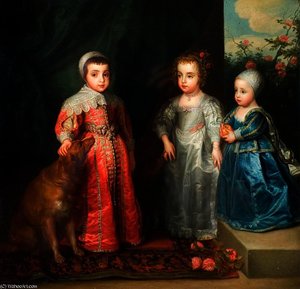
Anthony van Dycka "Richard Weston" je neprecenljiv spomenik umetniškemu darovanju, ki ga je izkazal eden najpomembnejših mojstrov 17. stoletja v obdobju baroka. Slikarstvo prikazuje Richarda Westona, prvoga gosposta Portlandskega, pomembenega osebnosti v angleški politiki med vladavino Charlesa I., kjer Van Dyck z natančnostjo ujeti ne le njegovo podobo, temveč tudi status in značaj skozi skrbno kompozicijo, paleto barv in simbolne detelj. To je več kot samo portret; to je okrogla slika zgodovinskega obdobja in osebnosti, ki ga je zaznal Van Dyck.
Zgodovinski Kontekst in Podobe
Richard Weston (1566-1625) je zasedal pomembne funkcije v angleškem dvornem življenju, kot je bil Predsednik Zunanjih financ in kasnejši Gospostar. Bil je ključni svetovalec za Jamesa I. in Charlesa I., ki je prispeval k oblikovanju politik v obdobju velikih političnih sprememb. Van Dyckovo slikanje odraža to pomembnost; Weston je prikazan z vzdušjem oblasti in zaupanja, kar je ustrezalo njegovi visoki uvrstiti. Slike so verjetno nastale okoli leta 1635-1640, ko je Van Dyck dosegel vrh svojega ustvarjalnega obdobja kot dvorni mojster Charlesa I. v Angliji. To obdobje je bilo zaznamovano z političnimi prelomniki in Van Dyckovo delo je služilo kot pomemben dokument tega časa.
Barokna Umetnost in Van Dyckova Tehnika
Slikarstvo izjemno dobro predstavlja značilnosti barokne umetnosti. Van Dyckov slog se kaže v realizmu, pozornosti do detajlov in osredotočanju na zajemanje osebnosti. Kompozicija je formalna, a dinamična; Weston je postavljen v središte, z pogledom usmerjenim proti gledalcu, kar ustvarja takojšen stik. Van Dyck uporablja dramatično chiaroscuro – kontrast med svetlobo in senco – za oblikovanje Westona, dodaja globino in volumen. Obdelava s oljem na platnu ali panelu omogoča bogato barvno paleto in natančnost detajlov. Van Dyck je bil mojster v spretnem uvajanju svetlobe in sence, kar je ustvarilo iluzijo globine in dinamike, kar je bilo značilno za barokni slog.
Simbolizem in Čustvena Vpliv
Nekateri simboli prispevajo k celotnemu smislu slike. Westona razkošna obleka – vključujoča bogato teksturo, velik ruff ovratnik in modro pletenje – simbolizira njegovo visoko družbeno uvrstitev in bogastvo. Medal, ki ga nosi, verjetno predstavlja čast ali dosežek, kar še bolj poudarja njegov status. Njegova resna izraz in uradni postoj je izrazit znak oblasti, inteligence in morda celo razmisličenja. Van Dyckovo delo je ne le vizualno privlačna, ampak tudi bogata z simbolizmom, ki ga je ustvaril za prikazanja osebnosti v tem obdobju.
Van Dyckova Naslednost in Reprodukcija
Anthony van Dyck (1599-1641) je bil zelo zahtevan umetnik, znan po elegantnih portretih, ki so zaznali bistvo gosti. Njegega vpliva na angleško slikanje ni mogoče zanetiti. Lastništvo reprodukcije "Richarda Westona" vam omogoča, da si prilagodite umetniški talent in zgodovinsko pomembnost te mojstrovine v vašem prostoru. Naše ročno izdelane reprodukcije so ustvarjene s strani mojstrov, ki skrbno ponavljajo Van Dyckove originalne tehnike, kar zagotavlja natančen prikaz tega ikoničnega dela.
movement: Baroque topics: Portrait, 17th Century, Aristocracy, Dignified, Formal, Chiaroscuro, Medal, Weston creative_period: Mature Period corpus_context: Traditional portraiture, Italian Renaissance masters, Courtly portrait conventions, Typical of Van Dyck's court portraits, Demonstrates his skill in capturing likeness, Reflects patronage from Charles I, Part of a series of aristocratic portraits, Nobility and statusVprašanja in odgovori
Ali je "Richard Weston" avtorja Sir Anthony Van Dyck svetlo ali temno umetniško delo?
Zaznavana svetlina dela "Richard Weston" avtorja Sir Anthony Van Dyck je globoka senca. Lahko se prilagodi svetlobi v namenjenem prostoru.
V katero umetnostno smernico in v katero dobo je uvrščeno delo "Richard Weston" avtorja Sir Anthony Van Dyck?
"Richard Weston" pripada slogu Baroque, njegov ustvarjalec pa je deloval v obdobju zgodnje moderno obdobje."
Ali je delo "Richard Weston" avtorja Sir Anthony Van Dyck v javni lastini in zakaj?
Status avtorske pravice za "Richard Weston" - v javni domeni – njegova avtorska pravica je zastarela - izhaja iz smrti umetnika v letu 1641.
Biografija umetnika
A Flemish Master at the Courts of Europe
Sir Anthony van Dyck, born in Antwerp on March 22, 1599, emerged as one of the most celebrated and influential portraitists of the Baroque era. His life, though tragically cut short at just forty-two years old, was a whirlwind of artistic exploration and prestigious commissions that took him from his native Flanders to Italy and ultimately to the heart of the English court. From an early age, van Dyck displayed remarkable talent, entering Hendrick van Balen’s workshop as a young apprentice and quickly absorbing the prevailing styles of the time. However, it was his association with Peter Paul Rubens – not merely as a student but as a collaborator – that truly shaped his artistic foundation. He learned from Rubens' dynamic compositions, rich color palettes, and masterful handling of light and shadow, yet van Dyck soon began to forge his own distinct path, one characterized by an elegance and refinement that would become his signature.Early Influences and Artistic Training
Rubens’ influence was profound; he instilled in van Dyck a belief in the expressive power of color and movement—a departure from the more austere styles prevalent at the time. This formative period honed van Dyck's technical skills, equipping him with the tools necessary to achieve his unparalleled artistic vision. He mastered oil painting techniques, diligently studying Rubens’ masterful brushstrokes and compositional strategies. Simultaneously, he cultivated a keen understanding of etching, recognizing its potential for capturing detail and conveying mood—a skill that would prove invaluable throughout his career. These early influences established the bedrock upon which van Dyck constructed his distinctive style, shaping his artistic sensibilities and informing his approach to portraiture.Italian Sojourns: The Birth of Style
Around 1621, van Dyck embarked on a transformative journey to Italy—a pilgrimage that would solidify his reputation as one of the era’s foremost artists. He initially resided in Genoa, where he quickly gained recognition among the city's aristocratic families. It was here that he perfected his signature style—characterized by graceful poses, luxurious fabrics, and an almost palpable sense of nobility. Unlike Rubens’ bold dynamism, van Dyck’s Italian portraits radiated a refined composure, capturing not just physical likeness but also the inner character and social standing of his sitters. He skillfully employed chiaroscuro—the dramatic interplay of light and shadow—to heighten emotional impact and create images that were both visually arresting and psychologically insightful. During this period, he also undertook significant etching projects, demonstrating his exceptional technical prowess and establishing himself as a leading printmaker. His *Iconography* series showcased his meticulous attention to detail and cemented his position as a pioneer of the engraving medium.The King’s Painter: Van Dyck in England
In 1632, van Dyck received an invitation that would forever alter his artistic trajectory—a summons from Charles I of England to become the court painter. This appointment marked a pivotal moment, not only for van Dyck but also for English portraiture. He arrived in London with considerable renown and swiftly became indispensable to the king, tasked with creating images that projected an aura of power, majesty, and divine right. Van Dyck’s portraits of Charles I are particularly noteworthy; he moved away from the stiff, formal representations favored by earlier artists, instead portraying the king as a dynamic, charismatic leader. He employed innovative techniques—dramatic lighting, sweeping gestures, and carefully chosen backgrounds—to create images that were both visually stunning and politically charged. His influence extended beyond the royal family, shaping the visual culture of the English aristocracy for generations to come. He didn’t just paint portraits; he crafted an image of kingship, influencing how royalty was perceived for over a century.Legacy and Enduring Influence
Van Dyck's untimely death in December 9, 1641, tragically curtailed his artistic career, yet his legacy endures to this day. His impact on English portraiture is immeasurable; he established a standard of elegance and sophistication that subsequent artists would strive to emulate. He was a master of both oil painting and etching, constantly experimenting with new techniques. His portraits are characterized by their graceful poses, luxurious fabrics, and subtle psychological insights. Rubens’ influence instilled in him a belief in the expressive power of color and movement—a departure from the more austere styles prevalent at the time. These early influences established the bedrock upon which van Dyck constructed his distinctive style, shaping his artistic sensibilities and informing his approach to portraiture. His works continue to captivate audiences with their beauty, elegance, and enduring psychological depth.- Technical Innovation: He was a master of both oil painting and etching, constantly experimenting with new techniques.
- Stylistic Refinement: His portraits are characterized by their graceful poses, luxurious fabrics, and subtle psychological insights.
- Courtly Influence: He transformed the image of the English monarchy, creating a visual language of power and prestige.

Sir Anthony Van Dyck
1599 - 1641 , Belgjija
Ključne informacije
- Artistic Movement Or Style: Baroque
- Artists Or Movements Influenced By This Artist: ['English portrait painting']
- Artists Who Influenced This Artist: ['Peter Paul Rubens']
- Date Of Birth: March 22, 1599
- Date Of Death: December 9, 1641
- Full Name: Sir Anthony van Dyck
- Nationality: Flemish
- Notable Artworks:
- Portrait of a woman and child
- Equestrian portrait of Charles I
- Lord John Stuart & brother
- Place Of Birth: Antwerp, Belgium
Sorodni članki

Rembrandt van Rijn: 25 Mojstrovin za Popestritev Vašega Doma | OriginalUniqueArt
Odkrijte 25 mojstrovin Rembrandta van Rijna! Preberite zgodbe o portretih, svetlobi in nizozemskem baroku. Kvalitetne reprodukcije slik za vaš dom na OriginalUniqueArt.com. Raziskajte celotno zbirko online.

Razkodiranje baroknega veličastja: Drama, svetloba in čustva 17. stoletja
Odkrijte moč barokne drame, svetlobe in tehnik mojstrov kot Caravaggio. Spoznajte zgodovino umetnosti še danes.
The Grandeur of Baroque Portraiture: Power, Emotion & Artistic Innovation
Explore the grandeur of Baroque portraiture! Discover Rubens, Van Dyck & the masters of 17th-century art. Uncover symbolism, techniques & lasting influence. Expert insights for collectors and enthusiasts.

Sir Anthony van Dyck: Courtly Portraiture & the Shaping of Baroque Identity
Explore the life & legacy of Sir Anthony van Dyck, the leading court painter of his era. Discover his innovative portraiture, Baroque masterpieces, and investment potential for discerning collectors. Learn more at OriginalUniqueArt.
Masterpieces of the 17th Century: Art, History & Decor Inspiration | OriginalUniqueArt
Journey through 17th century art with masterpieces by Rembrandt, Vermeer & Caravaggio. Explore Baroque paintings, Dutch Golden Age techniques & timeless beauty. Find museum-quality reproductions and elevate your home decor on OriginalUniqueArt.com.