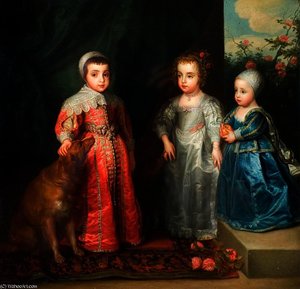
Predogled v realnem okolju
 Pošlji
 Deli
Deli
 Podrobnosti o delu
 Priročnik

 Prenesi sliko
 Podobni izdelki
 Rentgenski posnetek
 Predvajaj diaporama
 Vprašanja in odgovori
 Statistika
Marchesa Elena Grimaldi


 Preberi več
Giclée tisk / Umetniški tisk
Giclée ali platnati odtis muzejske kakovosti z hitro proizvodnjo in prilagodljivimi možnostmi končne obdelave. ( Kupite ročno slikano delo Preklop na digitalno sliko)




P118B €10

P118H €10

P118W €10

P438Z €10

P508JH €12

P508YH €12

P805H €10

P805Z €10

P919BZ €10

P919G €10

P919XJ €10

P959ZH €10

P968JZ €12

W106C €8

W218G €10

W218JH €8

W218Y €10

W307PJ €10

W316G €10

W316PJ €8

W316Y €10

W398PJ €8

W4111J €10

W500HY €15

W500JH €15

W692G €12

W849H €8

W940BG €15

W953PJ €8




Izberite eno od naših vnaprej določenih velikosti, ki ustrezajo prvotnim proporcijam umetničkega dela.

Vnesite širino in višino, ki jih potrebujete za svoj okvir ali steno. Tiskanje se lahko le odreže, vendar ga ni mogoče narediti večjega od slike, zato format z drugačno obliko pomeni izgubo dela slike. Pred tiskanjem vam pošljemo digitalni predogled za potrditev. Slika, prikazana na tej strani, ne prikazuje dejanskega izrezka — le predogled to omogoča.
Globalna dostava () v 2 tednih namesto standardnih 4/5 tednov. (9 november)

Brezplačna ekspresna dostava po vsem svetu

Visokokakovostno laneno platno

Popolno zavarovanje pošiljke

Garancija povračila carine in uvoznih davkov

Garancija popolnega barvnega ujemanja

100-dnevna politika vračil (le v primeru okvar)

Garancija 100% povračila denarja

Popust pri večjem naročilu
 Možnost stekla je na voljo le za velikosti pod 110 cm

Marchesa Elena Grimaldi
Giclée tisk / Umetniški tisk
Velikost reprodukcije
-


Skupna cena
€ 72
A Moment of Quiet Command
The Marchesa Elena Grimaldi stands before us, caught in a stillness that feels both heavy and light. She occupies a space near stone pillars, perhaps on a private balcony where the air carries the weight of an afternoon in 1623. Her black dress absorbs the surrounding light, creating a deep, solid presence that anchors the entire composition. A single red scarf rests against her neck, providing a sharp, sudden pulse of color against the dark fabric. Behind her, the world continues in soft, blurred motions; distant figures move through the background, hinting at the life of a grand estate without breaking her focus. An open umbrella is held nearby, offering a shield from the elements and casting a subtle shadow that defines the space around her.
There is a sense of profound composure in her gaze. Her eyes hold an expression of serene confidence, looking out with a clarity that suggests a woman fully aware of her place within her social sphere. The way she holds herself conveys a quiet strength, as if the very architecture of the palace mirrors her own internal stability. Every detail, from the subtle tilt of her head to the way the light catches the edge of her features, speaks to a life lived with grace and intention.
The Language of Light and Texture
The brushwork reveals a meticulous devotion to the physical world. The artist uses chiaroscuro to sculpt the Marchesa’s face, pulling her features out of the shadows through dramatic contrasts. This manipulation of light brings a lifelike quality to her skin, making the soft textures of her countenance feel almost tangible. One can see the careful rendering of the gown, where the sheen of satin and the heavy folds of the dark fabric suggest a tactile luxury. The edges of the scene are softened by a hazy, dreamlike atmosphere, a technique that blurs the boundary between the subject and her environment.
Symbolic elements are woven into the very fabric of the portrait. The red umbrella, positioned prominently, acts as more than a practical object; it signals her status and her dominion over her surroundings. Even the height at which she is presented in the frame reinforces her social standing and intellectual presence. Through these deliberate choices, the painting captures the essence of an era where every visual detail was a carefully constructed piece of a larger identity. The result is a portrait that feels less like a static image and more like a living window into the aristocratic life of the seventeenth century.
Vprašanja in odgovori
Katero tehniko je bila uporabljena za "Marchesa Elena Grimaldi" in kdaj je bila ustvarjena?
"Marchesa Elena Grimaldi" je bila ustvarjena leta 1623 z uporabo tehnike Oil On Canvas. Material in datum opisujeta, kako in kdaj je nastalo originalno delo.
Ali lahko pred nakupom vidim "Marchesa Elena Grimaldi" avtorja Sir Anthony Van Dyck na svoji steni?
Stran Predogled v AR za delo "Marchesa Elena Grimaldi" avtorja Sir Anthony Van Dyck uporablja tehnologijo proširjene reality, da na vaši zd compatible napravi prikaže umetniško del v vašem lastnem prostoru.
Na kakšen način je zasnovana barvna kompozicija dela "Marchesa Elena Grimaldi" avtorja Sir Anthony Van Dyck?
V "Marchesa Elena Grimaldi" se Bold kontrast združuje s Strong Color Unity harmonijo.
Biografija umetnika
A Flemish Master at the Courts of Europe
Sir Anthony van Dyck, born in Antwerp on March 22, 1599, emerged as one of the most celebrated and influential portraitists of the Baroque era. His life, though tragically cut short at just forty-two years old, was a whirlwind of artistic exploration and prestigious commissions that took him from his native Flanders to Italy and ultimately to the heart of the English court. From an early age, van Dyck displayed remarkable talent, entering Hendrick van Balen’s workshop as a young apprentice and quickly absorbing the prevailing styles of the time. However, it was his association with Peter Paul Rubens – not merely as a student but as a collaborator – that truly shaped his artistic foundation. He learned from Rubens' dynamic compositions, rich color palettes, and masterful handling of light and shadow, yet van Dyck soon began to forge his own distinct path, one characterized by an elegance and refinement that would become his signature.Early Influences and Artistic Training
Rubens’ influence was profound; he instilled in van Dyck a belief in the expressive power of color and movement—a departure from the more austere styles prevalent at the time. This formative period honed van Dyck's technical skills, equipping him with the tools necessary to achieve his unparalleled artistic vision. He mastered oil painting techniques, diligently studying Rubens’ masterful brushstrokes and compositional strategies. Simultaneously, he cultivated a keen understanding of etching, recognizing its potential for capturing detail and conveying mood—a skill that would prove invaluable throughout his career. These early influences established the bedrock upon which van Dyck constructed his distinctive style, shaping his artistic sensibilities and informing his approach to portraiture.Italian Sojourns: The Birth of Style
Around 1621, van Dyck embarked on a transformative journey to Italy—a pilgrimage that would solidify his reputation as one of the era’s foremost artists. He initially resided in Genoa, where he quickly gained recognition among the city's aristocratic families. It was here that he perfected his signature style—characterized by graceful poses, luxurious fabrics, and an almost palpable sense of nobility. Unlike Rubens’ bold dynamism, van Dyck’s Italian portraits radiated a refined composure, capturing not just physical likeness but also the inner character and social standing of his sitters. He skillfully employed chiaroscuro—the dramatic interplay of light and shadow—to heighten emotional impact and create images that were both visually arresting and psychologically insightful. During this period, he also undertook significant etching projects, demonstrating his exceptional technical prowess and establishing himself as a leading printmaker. His *Iconography* series showcased his meticulous attention to detail and cemented his position as a pioneer of the engraving medium.The King’s Painter: Van Dyck in England
In 1632, van Dyck received an invitation that would forever alter his artistic trajectory—a summons from Charles I of England to become the court painter. This appointment marked a pivotal moment, not only for van Dyck but also for English portraiture. He arrived in London with considerable renown and swiftly became indispensable to the king, tasked with creating images that projected an aura of power, majesty, and divine right. Van Dyck’s portraits of Charles I are particularly noteworthy; he moved away from the stiff, formal representations favored by earlier artists, instead portraying the king as a dynamic, charismatic leader. He employed innovative techniques—dramatic lighting, sweeping gestures, and carefully chosen backgrounds—to create images that were both visually stunning and politically charged. His influence extended beyond the royal family, shaping the visual culture of the English aristocracy for generations to come. He didn’t just paint portraits; he crafted an image of kingship, influencing how royalty was perceived for over a century.Legacy and Enduring Influence
Van Dyck's untimely death in December 9, 1641, tragically curtailed his artistic career, yet his legacy endures to this day. His impact on English portraiture is immeasurable; he established a standard of elegance and sophistication that subsequent artists would strive to emulate. He was a master of both oil painting and etching, constantly experimenting with new techniques. His portraits are characterized by their graceful poses, luxurious fabrics, and subtle psychological insights. Rubens’ influence instilled in him a belief in the expressive power of color and movement—a departure from the more austere styles prevalent at the time. These early influences established the bedrock upon which van Dyck constructed his distinctive style, shaping his artistic sensibilities and informing his approach to portraiture. His works continue to captivate audiences with their beauty, elegance, and enduring psychological depth.- Technical Innovation: He was a master of both oil painting and etching, constantly experimenting with new techniques.
- Stylistic Refinement: His portraits are characterized by their graceful poses, luxurious fabrics, and subtle psychological insights.
- Courtly Influence: He transformed the image of the English monarchy, creating a visual language of power and prestige.
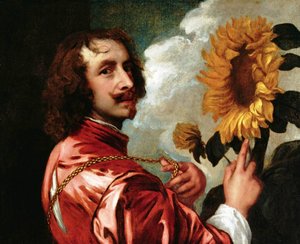
Sir Anthony Van Dyck
1599 - 1641 , Belgjija
Hitri podatki
- Artistic Movement Or Style: Baroque
- Artists Or Movements Influenced By This Artist: ['English portrait painting']
- Artists Who Influenced This Artist: ['Peter Paul Rubens']
- Date Of Birth: March 22, 1599
- Date Of Death: December 9, 1641
- Full Name: Sir Anthony van Dyck
- Nationality: Flemish
- Notable Artworks:
- Portrait of a woman and child
- Equestrian portrait of Charles I
- Lord John Stuart & brother
- Place Of Birth: Antwerp, Belgium
Sorodni članki

Master of Elegance: The Top 25 Greatest Artworks by Sir Anthony van Dyck
Immerse yourself in the elegance of Baroque mastery with our curated list of Sir Anthony van Dyck's top 25 artworks. From royal portraits to exquisite oil techniques, explore timeless legends and find museum-quality art reproductions. Discover all masterpieces on OriginalUniqueArt.com.
Masterpieces of Emotion: The Top 25 Vincent van Gogh Artworks
Explore 25 iconic Van Gogh masterpieces and their stories. Discover museum-quality art at OriginalUniqueArt.com.

Masterpieces of Emotion: The Top 25 Essential Artworks by Vincent van Gogh
Explore 25 iconic Van Gogh masterpieces and their stories. Discover museum-quality art at OriginalUniqueArt.com.

25 Masterpieces by Sir Anthony van Dyck: The King of Baroque Portraiture
Immerse yourself in the elegance of Sir Anthony van Dyck. Explore 25 iconic Baroque masterpieces, from royal portraits to refined Flemish classics. Find inspiration for museum-quality art reproductions and luxury decor. Discover all masterpieces on OriginalUniqueArt.com.

25 Masterpieces by Sir Anthony van Dyck: The King of Baroque Portraiture
Immerse yourself in the elegance of Sir Anthony van Dyck. Explore 25 iconic Baroque masterpieces, from royal portraits to Flemish classics. Find inspiration for museum-quality art reproductions and timeless decor. Discover all masterpieces on OriginalUniqueArt.com.