Velikost besedila

() ·

Slika, izdelana ročno posebej zanj

Frans Snyders

Ročno izdelana oljna reprodukcija

Ročno slikano olje na platnu v vaši izbiri velikosti in okvirja, izdelano po naročilu naših umetnikov. ( Preklop na tiskanine Preklop na digitalno sliko)

Opis zbirateljskega predmeta

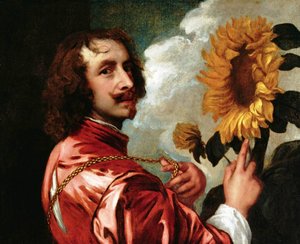
Sir Anthony van Dyck’s 1620 portrait captures Frans Snyders and his family amidst Antwerp's Golden Age, showcasing Baroque refinement and aristocratic prestige. Admire this elegant collaboration and elevate your art collection today.

Biografija umetnika

Meta Description: Sir Anthony van Dyck (1599-1641): Mojster flamske barokne umetnosti znan po elegantnih portretih evropskega aristokratstva in kraljevskemu dvornemu življenju Čarlesa I. Velika vpliv na angleško umetnost, znan za religijske scene ter inovativni slog.

od ·

Poglavje 1

Katere velikosti naj bi bila?

Drleč po drslenici spremenite velikost; slika na levi strani prikazuje okvir v njegovi dejanski širini. Razmerja originala so ohranjena.

Standardna velikost
po meri
CM
INCH

Izberite eno od naših vnaprej določenih velikosti, ki ustrezajo prvotnim proporcijam umetničkega dela.

širina
višina

Vnesite širino in višino, ki jih potrebujete, da se slika prilega vašemu okviru ali steni. Ker je delo ročno slikano, lahko umetnik pri različnih oblikih slik pri robovih doda malo več barve ali pa jih malo odreže — izberite sami. Pred začetkom slikanja vam pošljemo digitalni predogled za potrditev. Slika, prikazana na tej strani, ni končni rezultat — le predogled prikazuje dejansko podobo.

Poglavje 2

Na kakšen način naj bo dostavljeno?

Izberite robove platna

Izberite svoj okvir

Corner sample of the WhiteWrap canvas edge finish, stretched on masivno drevo bars
Beli rob €1
Corner sample of the BlurSideWrap canvas edge finish, stretched on masivno drevo bars
zamegljen rob €1
Corner sample of the ExtendedWrap canvas edge finish, stretched on masivno drevo bars
Razširjen rob €1
Corner sample of the P118B picture frame: izoblit polistiren, 5 cm wide and 3 cm thick
P118B €10
Corner sample of the P118H picture frame: izoblit polistiren, 5 cm wide and 3 cm thick
P118H €10
Corner sample of the P118W picture frame: izoblit polistiren, 5 cm wide and 3 cm thick
P118W €10
Corner sample of the P438Z picture frame: izoblit polistiren, 5.5 cm wide and 3.5 cm thick
P438Z €10
Corner sample of the P508JH picture frame: izoblit polistiren, 7 cm wide and 3.5 cm thick
P508JH €12
Corner sample of the P508YH picture frame: izoblit polistiren, 7 cm wide and 3.5 cm thick
P508YH €12
Corner sample of the P805H picture frame: izoblit polistiren, 5 cm wide and 3.5 cm thick
P805H €10
Corner sample of the P805Z picture frame: izoblit polistiren, 5 cm wide and 3.5 cm thick
P805Z €10
Corner sample of the P919BZ picture frame: izoblit polistiren, 7 cm wide and 3.5 cm thick
P919BZ €10
Corner sample of the P919G picture frame: izoblit polistiren, 7 cm wide and 3.5 cm thick
P919G €10
Corner sample of the P919XJ picture frame: izoblit polistiren, 7 cm wide and 3.5 cm thick
P919XJ €10
Corner sample of the P959ZH picture frame: izoblit polistiren, 5 cm wide and 3 cm thick
P959ZH €10
Corner sample of the P968JZ picture frame: izoblit polistiren, 6 cm wide and 4 cm thick
P968JZ €12
Corner sample of the W106C picture frame: masivno drevo, 5 cm wide and 3 cm thick
W106C €8
Corner sample of the W218G picture frame: masivno drevo, 5 cm wide and 3 cm thick
W218G €10
Corner sample of the W218JH picture frame: masivno drevo, 5 cm wide and 3 cm thick
W218JH €8
Corner sample of the W218Y picture frame: masivno drevo, 5 cm wide and 3 cm thick
W218Y €10
Corner sample of the W307PJ picture frame: masivno drevo, 6 cm wide and 3 cm thick
W307PJ €10
Corner sample of the W316G picture frame: masivno drevo, 6 cm wide and 3 cm thick
W316G €10
Corner sample of the W316PJ picture frame: masivno drevo, 6 cm wide and 3 cm thick
W316PJ €8
Corner sample of the W316Y picture frame: masivno drevo, 6 cm wide and 3 cm thick
W316Y €10
Corner sample of the W398PJ picture frame: masivno drevo, 5 cm wide and 3 cm thick
W398PJ €8
Corner sample of the W4111J picture frame: masivno drevo, 6.5 cm wide and 3.5 cm thick
W4111J €10
Corner sample of the W500HY picture frame: masivno drevo, 7 cm wide and 5 cm thick
W500HY €15
Corner sample of the W500JH picture frame: masivno drevo, 7 cm wide and 5 cm thick
W500JH €15
Corner sample of the W692G picture frame: masivno drevo, 8 cm wide and 4 cm thick
W692G €12
Corner sample of the W849H picture frame: masivno drevo, 5 cm wide and 3 cm thick
W849H €8
Corner sample of the W940BG picture frame: masivno drevo, 7.5 cm wide and 4.5 cm thick
W940BG €15
Corner sample of the W953PJ picture frame: masivno drevo, 6 cm wide and 3.5 cm thick
W953PJ €8
Corner sample of the H24-GOLD picture frame: gravirano leseno okvopje z gessoem, 10 cm wide and 6 cm thick
H24-GOLD €30
Corner sample of the H24-SILVER picture frame: gravirano leseno okvopje z gessoem, 10 cm wide and 6 cm thick
H24-SILVER €30
Corner sample of the H36-GOLD picture frame: gravirano leseno okvopje z gessoem, 15 cm wide and 6.5 cm thick
H36-GOLD €45
Corner sample of the H36-SILVER picture frame: gravirano leseno okvopje z gessoem, 15 cm wide and 6.5 cm thick
H36-SILVER €45
Predogled okvirja
V okviru

Okvirni rob: . Celotna velikost z okvirjem: .

Poglavje 3

Kdo to slika in ali bi se moralo kaj spremeniti?

Primeri sprememb, ki jih je mogoče izvesti: zamenjava obraza s fotografijo stranke; dodajanje hišnega ljubljenčka (npr. zamenjava mačke s psom); vključitev skritega sporočila v ozadje; sprememba krajine ali elementov v ozadju.
Po oddaji naročila bo ekipa OriginalUniqueArt.com stranki po e-pošti poslala navodila in zagotovila predogled makete

Mednarodna dostava () v 3/4 tednih namesto običajnih 5 tednov. (4 november). Brez kompromisov pri kakovosti.

Poglavje 4

Zadnji dotiki

Zvešča, kot v muzeju?

Podrobnosti o gravirani bronasti plošči

This elegant plaque features the artist's name and the title of the artwork, finely engraved for a timeless presentation.

It is made from bronze with a refined, elegant finish. The text is precisely laser-engraved for a sharp and permanent result. Measuring 9x2 cm, the plaque is compact yet easy to read. It's built to be durable and scratch-resistant, offering a professional, museum-quality look. Mounting is simple thanks to the included adhesive backing.

Podrobnosti o transparentni akrilni plošči

The plaque includes essential engraved details such as the artist's name, the title of the artwork, the date it was created, the type of media used-like oil on canvas or watercolor-a brief description of the piece, and a QR code that links to the complete artwork information.

It is crafted from clear acrylic, offering a sleek, modern appearance. The text is UV-engraved in black to ensure strong visual contrast. With a size of 10x15 cm, it ensures optimal readability. It comes equipped with two metal hooks for secure wall mounting. The plaque is designed to be weather-resistant, making it suitable for various environments, and it includes interactive features that work seamlessly with smartphone scanning.

Podrobnosti o črni akrilni plošči

This elegant plaque includes engraved information such as the artist's name, the title of the artwork, the date it was created, the type of media used (like oil on canvas or watercolor), a short description of the artwork, and a QR code for quick access to more information.

The plaque itself is made from refined black acrylic with a premium finish. The text is laser-engraved in white for high contrast and readability. Its size is 10x15 cm, designed to be easy to read. It comes with two metal hooks for professional mounting. The design is sleek and fits any interior style. It is also weather-resistant and durable, with built-in digital integration for mobile compatibility.

Zaščitni lak?

Kdaj jo potrebujete?

Poglavje 5

Vaša slika, natako kot ste jo naročili

Frans Snyders

Tehnik reprodukcije

Velikost reprodukcije

-

Izbor vrhunskih umetnikov

Več podrobnosti, dovršenosti in dodatnega časa za izdelavo

-

Okvir za reprodukcijo

-

-

Za umetniška dela ali reprodukcije, ki so po katerikoli strani širše od 105 cm (približno 41 palč), bo okvir poslan v razstavljeni obliki kot komplet. Ta metoda zagotavlja varno dostavo in preprečuje poškodbe med transportom.

Potrebna je profesionalna montaža – to ni izdelek za DIY izdelavo.
Komplet mora sestaviti in platno napeti izkušen profesionalni okvirjest, pri čemer bo uporabil lepil za les (ni vključeno), klešče za napetje platna in spone, da bi ohranil pravokotnost letev med sušenjem lepila. Nepravilna montaža ali neenakomerna napetost platna lahko trajno poškoduje umetniško del in ni pokrita z našo garancijo.

  • Vključene so vse letve iz masivnega lesa, natančno izrezane po meri.

  • Montaža poteka s priloženimi vijaki, vendar je za kotiče potrebna lepil za les, ki ga ni v kompletu in ga mora zagotoviti vaš okvirnik.

  • Za uporabo so potrebna profesionalna orodja, ki niso vključena: klešče za napinjanje platna (napetnik) in sponke za ohranjanje pravokotnosti letev med sušenjem lepila.

Pomembno:
Za stike v kotih potrebujete lepil za les, nosilce je treba z spenjačami držati, dokler se lepil popolnoma ne suši, za zategovanje platna na sestavljenem okvirju pa potrebujete spenjače za platno. Noben od teh pripomočkov ni vključen v komplet. Pred naročilom te velikosti, prosimo, poskrbite za izkušenega profesionalnega okvirja.

Značka z imenom

-

-

Zaščitni lak

Sijajni lak (poudarja barve ter zagotavlja zaščito pred svetlobo in vlago)

-

Prilagodi svoje umetniško delo

Primeri možnih prilagoditev: zamenjava obraza s fotografijo kupca; dodajanje hišnega ljubljenčka (npr. zamenjava mačke s psom); vključitev skritega sporočila v ozadje; sprememba krajšave ali elementov ozadja.

-

Hitra dostava

Mednarodna dostava () v 3/4 tednih namesto običajnih 5 tednov. (4 november). Brez kompromisov pri kakovosti.

-

Hitra dostava

Globalna dostava () v 5 tednih. (11 november).

Vključeno v ceno

Skupna cena

€ 268

Skupna cena € 268

Možnost stekla je na voljo le za velikosti pod 110 cm

Vključeno v vsako naročilo

  • Brezplačna ekspresna dostava po vsem svetu
  • Visokokakovostno laneno platno
  • Popolno zavarovanje pošiljke
  • Garancija povračila carine in uvoznih davkov
  • Garancija popolnega barvnega ujemanja
  • 100-dnevna politika vračil (le v primeru okvar)
  • Garancija 100% povračila denarja
  • Popust pri večjem naročilu

A Symphony of Status and Shadow

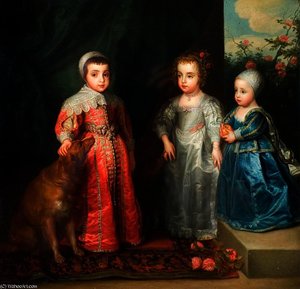
In the grand tapestry of the Flemish Baroque, few moments capture the intersection of artistic genius and social aspiration as poignantly as Sir Anthony van Dyck’s 1620 portrait of Frans Snyders. This masterpiece is far more than a mere likeness; it is a carefully orchestrated performance of prestige. At its heart sits Snyders, a man whose reputation as a master of animalier and still life painting was matched only by his rising social prominence in Antwerp. Dressed in the somber yet luxurious black of a gentleman, with a crisp white collar that draws the eye to his composed features, Sny ck embodies the quiet confidence of the era's burgeoning merchant class. The presence of figures flanking him suggests not just a family portrait, but a tableau of communal success, inviting the viewer into a well-dressed gathering where every fold of fabric and every shadow cast speaks of wealth and stability.

The technical brilliance of Van Dyck is on full display through his masterful manipulation of light and texture. Having refined his craft under the legendary Peter Paul Rubens, Van Dyck brings a dynamic energy to this composition that transcends the stillness of traditional portraiture. One can observe the subtle interplay of chiaroscuro—the dramatic contrast between light and dark—which lends a sculptural depth to Snyders’ face and the heavy drapery surrounding him. The brushwork is both precise and fluid, capturing the tactile reality of silk, lace, and skin with an effortless grace. For the discerning collector, this painting offers a window into the Baroque obsession with materiality, where the sheen of a sleeve or the soft light hitting a cheek serves to ground the subject's lofty status in a palpable, physical reality.

The Golden Age of Antwerp

To understand this work, one must look beyond the frame to the vibrant, prosperous streets of 17th-century Antwerp. This was an era of unprecedented economic flourishing, where trade and artistic innovation fueled a cultural renaissance. The very existence of this portrait serves as a historical document of Snyders’ ascent; having recently acquired a magnificent townhouse on the prestigious Meirstraat, the sitter used Van Dyck’s brush to cement his family's legacy. The painting functions as a visual manifesto of the couple's social ambitions, reflecting a time when art was the ultimate currency of influence. It is a period where the boundaries between the artist and the patron blurred, creating a shared language of elegance that continues to resonate in modern aesthetics.

For those looking to integrate such a profound piece into a contemporary interior, this reproduction offers an unparalleled sense of historical gravity and sophisticated charm. Whether placed in a formal study or as a focal point in a grand hallway, the painting brings with it an atmosphere of intellectual depth and timeless luxury. It is not merely a decoration but an invitation to contemplate the enduring power of legacy and the beauty of human achievement. Owning a piece that captures the essence of Van Dyck’s refined elegance allows a space to breathe with the spirit of the Golden Age, providing a constant source of inspiration and a sophisticated connection to the masters of the past.

Vprašanja in odgovori

Kje lahko prenesem "Frans Snyders" avtorja Sir Anthony Van Dyck?

Digitalno sliko dela "Frans Snyders" avtorja Sir Anthony Van Dyck lahko prenesete na strani za prenos umetninine Prenos digitalne slike: prenos digitalne slike visoke ločljivosti.

Kakšna je svetlobnost dela "Frans Snyders" avtorja Sir Anthony Van Dyck?

Barve dela "Frans Snyders" izkazujejo Dark luminanco.

Kdo je ustvaril "Frans Snyders" in v kakšnem slogu je izvedeno?

Sir Anthony Van Dyck je ustvaril "Frans Snyders" v okviru gibanja Baroque.

Več o tej sliki

Predogled v realnem okolju Predogled v AR Preklop na tiskanine Preklop na digitalno sliko Pošlji
Podrobnosti o delu Priročnik Dodaj v priljubljene Prenesi sliko Podobni izdelki Rentgenski posnetek Predvajaj diaporama Vprašanja in odgovori Statistika

V številkah

  • 1620leto risevanja
  • 29izbira okvirjev
  • standardne velikosti, v svojih lastnih proporcijah
  • 5teden dni za slikanje in dostavo
Sir Anthony Van Dyck

Sir Anthony Van Dyck

1599 - 1641, Belgjija

Kratek pregled o Sir Anthony Van Dyck

  • Artistic Movement Or Style: Baroque
  • Artists Or Movements Influenced By This Artist: ['English portrait painting']
  • Artists Who Influenced This Artist: ['Peter Paul Rubens']
  • Date Of Birth: March 22, 1599
  • Date Of Death: December 9, 1641
  • Full Name: Sir Anthony van Dyck
  • Nationality: Flemish
  • Notable Artworks:
    • Portrait of a woman and child
    • Equestrian portrait of Charles I
    • Lord John Stuart & brother
  • Place Of Birth: Antwerp, Belgium

Biografija umetnika

A Flemish Master at the Courts of Europe

Sir Anthony van Dyck, born in Antwerp on March 22, 1599, emerged as one of the most celebrated and influential portraitists of the Baroque era. His life, though tragically cut short at just forty-two years old, was a whirlwind of artistic exploration and prestigious commissions that took him from his native Flanders to Italy and ultimately to the heart of the English court. From an early age, van Dyck displayed remarkable talent, entering Hendrick van Balen’s workshop as a young apprentice and quickly absorbing the prevailing styles of the time. However, it was his association with Peter Paul Rubens – not merely as a student but as a collaborator – that truly shaped his artistic foundation. He learned from Rubens' dynamic compositions, rich color palettes, and masterful handling of light and shadow, yet van Dyck soon began to forge his own distinct path, one characterized by an elegance and refinement that would become his signature.

Early Influences and Artistic Training

Rubens’ influence was profound; he instilled in van Dyck a belief in the expressive power of color and movement—a departure from the more austere styles prevalent at the time. This formative period honed van Dyck's technical skills, equipping him with the tools necessary to achieve his unparalleled artistic vision. He mastered oil painting techniques, diligently studying Rubens’ masterful brushstrokes and compositional strategies. Simultaneously, he cultivated a keen understanding of etching, recognizing its potential for capturing detail and conveying mood—a skill that would prove invaluable throughout his career. These early influences established the bedrock upon which van Dyck constructed his distinctive style, shaping his artistic sensibilities and informing his approach to portraiture.

Italian Sojourns: The Birth of Style

Around 1621, van Dyck embarked on a transformative journey to Italy—a pilgrimage that would solidify his reputation as one of the era’s foremost artists. He initially resided in Genoa, where he quickly gained recognition among the city's aristocratic families. It was here that he perfected his signature style—characterized by graceful poses, luxurious fabrics, and an almost palpable sense of nobility. Unlike Rubens’ bold dynamism, van Dyck’s Italian portraits radiated a refined composure, capturing not just physical likeness but also the inner character and social standing of his sitters. He skillfully employed chiaroscuro—the dramatic interplay of light and shadow—to heighten emotional impact and create images that were both visually arresting and psychologically insightful. During this period, he also undertook significant etching projects, demonstrating his exceptional technical prowess and establishing himself as a leading printmaker. His *Iconography* series showcased his meticulous attention to detail and cemented his position as a pioneer of the engraving medium.

The King’s Painter: Van Dyck in England

In 1632, van Dyck received an invitation that would forever alter his artistic trajectory—a summons from Charles I of England to become the court painter. This appointment marked a pivotal moment, not only for van Dyck but also for English portraiture. He arrived in London with considerable renown and swiftly became indispensable to the king, tasked with creating images that projected an aura of power, majesty, and divine right. Van Dyck’s portraits of Charles I are particularly noteworthy; he moved away from the stiff, formal representations favored by earlier artists, instead portraying the king as a dynamic, charismatic leader. He employed innovative techniques—dramatic lighting, sweeping gestures, and carefully chosen backgrounds—to create images that were both visually stunning and politically charged. His influence extended beyond the royal family, shaping the visual culture of the English aristocracy for generations to come. He didn’t just paint portraits; he crafted an image of kingship, influencing how royalty was perceived for over a century.

Legacy and Enduring Influence

Van Dyck's untimely death in December 9, 1641, tragically curtailed his artistic career, yet his legacy endures to this day. His impact on English portraiture is immeasurable; he established a standard of elegance and sophistication that subsequent artists would strive to emulate. He was a master of both oil painting and etching, constantly experimenting with new techniques. His portraits are characterized by their graceful poses, luxurious fabrics, and subtle psychological insights. Rubens’ influence instilled in him a belief in the expressive power of color and movement—a departure from the more austere styles prevalent at the time. These early influences established the bedrock upon which van Dyck constructed his distinctive style, shaping his artistic sensibilities and informing his approach to portraiture. His works continue to captivate audiences with their beauty, elegance, and enduring psychological depth.
  • Technical Innovation: He was a master of both oil painting and etching, constantly experimenting with new techniques.
  • Stylistic Refinement: His portraits are characterized by their graceful poses, luxurious fabrics, and subtle psychological insights.
  • Courtly Influence: He transformed the image of the English monarchy, creating a visual language of power and prestige.
The Balbi Children, Charles I in Three Positions, and countless other masterpieces stand as testaments to his genius, ensuring that Sir Anthony van Dyck remains one of the most celebrated artists of the Baroque period. His influence can still be seen today in fashion, photography, and contemporary portraiture—a testament to the timeless appeal of his art.

Ključni podatki

  • Subject or theme: Portraiture
  • Influences: Rubens
  • Title: Frans Snyders
  • Artistic style: Elegant & refined
  • Year: 1620
  • Medium: Oil on canvas

Umetniški kviz

Pri vsakem vprašanju je na voljo le eden pravilen odgovor.

Vprašanje 1:
What is Frans Snyders primarily known for painting?
Vprašanje 2:
Who collaborated with Frans Snyders on several paintings, potentially influencing Van Dyck’s portrait commission?
Vprašanje 3:
What architectural element is prominently featured in the painting's setting to convey the sitters' status?
Vprašanje 4:
Approximately how old was Van Dyck when he commissioned this portrait of Frans Snyders?
Vprašanje 5:
The painting depicts a couple who purchased a significant house in Antwerp. What does this detail suggest about their social standing?