

 Preverite v realnem okolju
 Pošlji kot čestitko
 Deli
Deli
 Podrobnosti
 Priročnik

 Prenesi
 Podobni artefakti
 Rentgenski posnetek
 Predvajaj diaporama
 Statistika
Grass and Insects


 Preberi več
Ročno izdelana oljna reprodukcija
Ročno slikano olje na platnu v vaši izbiri velikosti in okvirja, izdelano po naročilu naših umetnikov. ( Preklop na tiskanine Preklop na digitalno sliko)




P118B €10

P118H €10

P118W €10

P438Z €10

P508JH €12

P508YH €12

P805H €10

P805Z €10

P919BZ €10

P919G €10

P919XJ €10

P959ZH €10

P968JZ €12

W106C €8

W218G €10

W218JH €8

W218Y €10

W307PJ €10

W316G €10

W316PJ €8

W316Y €10

W398PJ €8

W4111J €10

W500HY €15

W500JH €15

W692G €12

W849H €8

W940BG €15

W953PJ €8




Izberite eno od naših vnaprej določenih velikosti, ki ustrezajo prvotnim proporcijam umetničkega dela.

Vnesite širino in višino, ki jih potrebujete, da se slika prilega vašemu okviru ali steni. Ker je delo ročno slikano, lahko umetnik pri različnih oblikih slik pri robovih doda malo več barve ali pa jih malo odreže — izberite sami. Pred začetkom slikanja vam pošljemo digitalni predogled za potrditev. Slika, prikazana na tej strani, ni končni rezultat — le predogled prikazuje dejansko podobo.
Po oddaji naročila bo ekipa OriginalUniqueArt.com stranki po e-pošti poslala navodila in predogled digitalnega predogleda.
Mednarodna dostava () v 3/4 tednih namesto običajnih 5 tednov. (25 oktober). Brez kompromisov pri kakovosti.

Brezplačna ekspresna dostava po vsem svetu

Visokokakovostno laneno platno

Popolno zavarovanje pošiljke

Garancija povračila carine in uvoznih davkov

Garancija popolnega barvnega ujemanja

Politika vračila v 100 dneh (le v primeru okvar)

Garancija 100% povračila denarja

Popust pri večjem naročilu
 Možnost stekla je na voljo le za velikosti pod 110 cm

Grass and Insects
Tehnika reprodukcije
Velikost reprodukcije
-


Skupna cena
€ 263
Sin Saimdang's "Grass and Insects": A Window into Joseon Dynasty Korea
“Grass and Insects,” painted in 1500 by the remarkable Sin Saimdang, offers a captivating glimpse into the artistic sensibilities of the Joseon dynasty. This exquisite piece, part of a ten-panel folding screen, transcends mere botanical illustration; it’s a vibrant testament to a woman's creative genius within a rigidly structured society. Born in Gangneung in 1504, Saimdang was far more than just a painter – she was a poet, calligrapher, and writer, deeply connected to her family’s legacy at Ojukheon, a site still preserved as a cultural treasure today. The painting's meticulous detail and luminous colors speak volumes about the artistic traditions of the time, reflecting a profound appreciation for nature’s beauty and a mastery of brushwork that would influence generations of Korean artists.
A Symphony of Natural Detail
The scene depicted is a meticulously rendered garden teeming with life. Saimdang's skill lies in her ability to capture the essence of each element – from the plump watermelons and vibrant eggplants to the delicate poppies, hibiscus, and intricate patterns of cockscomb feathers and princess flowers. A remarkable array of insects populate the composition: long-headed grasshoppers, frogs, lizards, dragonflies, dung beetles, mantises, and cicadas, each rendered with astonishing precision. The inclusion of bees flitting around a purple flower highlights the artist's keen observation of the natural world and her ability to translate it onto silk. This isn’t simply a representation; it’s an immersive experience of a Korean garden at its most vibrant.
Technique and Symbolism
The painting is executed with characteristic fine brushstrokes, a hallmark of Saimdang's style, and employs vivid colors achieved through mineral pigments – a testament to the sophisticated techniques employed during the Joseon period. The tenth panel adds another layer of meaning, featuring a critique by O Sechang, a prominent art critic of the time. This suggests that Saimdang’s work was not only admired for its aesthetic qualities but also subjected to rigorous artistic evaluation, reflecting the importance placed on scholarly discourse within Korean art circles. The selection of specific plants and insects likely held symbolic significance, though interpretations vary; watermelons often represented prosperity, while certain flowers were associated with particular virtues or seasons.
Historical Context and Legacy
Created in 1500, “Grass and Insects” provides a valuable window into the artistic landscape of the Joseon dynasty. Saimdang’s work stands as a remarkable achievement for a woman operating within a patriarchal society where artistic pursuits were often considered secondary to domestic duties. Her influence extended beyond her own creations; she mentored younger artists and contributed significantly to the development of Korean painting techniques. Today, reproductions of this stunning artwork offer an opportunity to appreciate not only Saimdang’s exceptional talent but also the rich cultural heritage of Korea – a legacy that continues to inspire awe and admiration.
Vprašanja in odgovori
Katera je prevladujoča barva dela "Grass and Insects" avtorja Shin Saimdang?
Prevladujoča barva dela "Grass and Insects" avtorja Shin Saimdang je Driftwood (#c99865).
Kako lahko dobim tiskano kopijo dela "Grass and Insects" avtorja Shin Saimdang?
Tisk dela "Grass and Insects" avtorja Shin Saimdang lahko naročite neposredno na njegovi strani Kakovostna tiskanina: umjetnička grafika na bombažnem platnu ali arhivskem papirju za platno.
Kje se "Grass and Insects" uvršča med ponavljajoče se teme v delih umetnika Shin Saimdang?
Med zabeleženimi temami umetnika Shin Saimdang – ki jih zastopajo an gyeon influence, korean court culture, female artistic legacy, ten-panel screen format, o sechang critique – prinaša "Grass and Insects" lastno pozornost na korean painting, shin saimdang, folding screen, plants & insects, joseon dynasty, calligraphy critique, garden scene.
Biografija umetnika
prednična ženska umetnica korejske dinastije Joseon
shin saimdang, izjemno vsestranska umetnica iz Južne Koreje, je živela v obdobju dinastije Joseon in s svojim delom pustila neizbrisno sled v korejski umetniški zgodovini. Rodila se je 29. oktobra 1504 v mestu Gangneung v provinci Gangwon, pri čemer ni bila le slikarica, temveč tudi pisateljica, kaligrafinja in pesnica.zgodnje življenje in umetniški začetki
Umetniški talent shin saimdang se je izkazoval že od najstarejših let. Že kot sedemletna deklica je znala imitirati slog slikanja, ki ga je uporabljal an gyeon, še en uveljavljeni korejski umetnik. Njen rodični dom, ojukheon, ki predstavlja tudi dom njene materine družine, ostaja lepo ohranjen še danes.umetniški prispevek in slog
Slikarstvo shin saimdang, ki ga zaznamajo nežni poteze črteč in živahne barve, je del desetodelnega zaslonastega predila. Njena dela, kot je trave in insekti, vključujejo širok nabor motivov, med katerimi najdemo vodene melone, jajčevate paprike, opijace, hibiskuse in različne žuželke. Ta slika lahko najdemo v Narodnem muzeju Koreje (Seul, Južna Koreja), kjer še vedno navdihujejo ljubitelje umetnosti.- ogled umetnin shin saimdang v trgovini OriginalUniqueArt: https://OriginalUniqueArt.com/@/shin-saimdang
- raziskujte zbirko Narodnega muzeja Koreje: /en/art/show/national-museum-of-korea-seoul/
- izvedite več o umetniškem gibanju dinastije Joseon: umetniško gibanje dinastije Joseon
dediščina in vpliv
Dediščina shin saimdang presega njeno umetniško delo, saj je znana tudi kot mati yi i, znamenitega učenjaka in politika iz obdobja dinastije Joseon. Njeno življenje in delo služita kot navdih številnim ljudem, saj utelapljajo bistvo korejske umetnosti v času dinastije Joseon. ključna umetniška dela shin saimdang:- trave in insekti (Narodni muzej Koreje, Seul, Južna Koreja)
- druga izstopajoča dela z nežnimi potezami črt in jasnimi, živahnimi barvami, del desetodelnega zaslonastega predila.
- an gyeon, še eden pomembnega korejskega slikarja zgodnjega obdobja dinastije Joseon.

Shin Saimdang
1504 - 1551 , Južna Koreja
Ključne informacije
- Artistic Movement Or Style: Umetnost dinastije Joseon
- Artists Or Movements Influenced By This Artist: Umetnost dinastije Joseon
- Artists Who Influenced This Artist: An Gyeon
- Date Of Birth: 29. oktober 1504
- Date Of Death: 1551
- Full Name: Shin Saimdang
- Nationality: Korejska
- Notable Artworks: ['Trava in žuželke']
- Place Of Birth: Gangneung, Južna Koreja
Sorodni članki
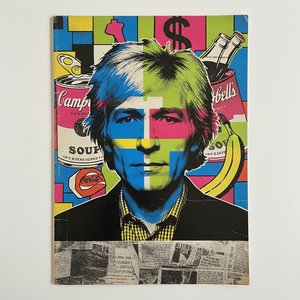
Andy Warhol: Deconstructing Pop Culture & Redefining Artistic Expression
Explore the revolutionary art of Andy Warhol & the Pop Art movement. Discover his iconic techniques, cultural impact, and investment potential. A guide for discerning collectors.
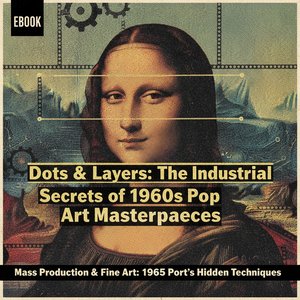
Dots & Screens: The Industrial Secrets Behind 1960s Pop Art Masterpieces
Explore the industrial secrets of 1960s Pop Art. Discover how Ben-Day dots and silk screening transformed mass media into masterpieces by Roy Lichtenstein. An in-depth look at the intersection of mechanical printing and fine art history for students and collectors.

Beyond the Screen: Transforming Personal Memories into Timeless AI-Driven Anime Masterpieces
Experience the magic of digital metamorphosis. Transform your cherished photos into stunning, hand-painted anime masterpieces using our proprietary AI technology and professional artists. Elevate your personal story with a timeless, high-quality oil painting on canvas.
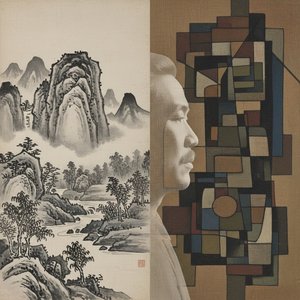
Yi Eungro: Bridging East & West in the Landscape of Korean Modernism
Explore the captivating world of Yi Eungro (Lee Ungno), a pivotal figure in Korean modernism. Discover his unique fusion of Eastern and Western artistic traditions, abstract masterpieces, and lasting legacy. A must-read for discerning art collectors.
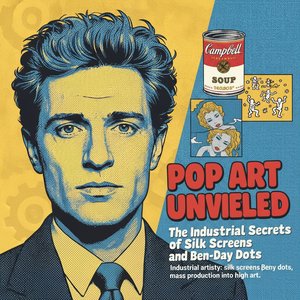
Pop Art Unveiled: The Industrial Secrets of Silk Screens and Ben-Day Dots
Explore the industrial artistry of Pop Art. Delve into the sophisticated history of Ben-Day dots and silk screen techniques that transformed mass media into high art, perfect for discerning collectors seeking deep historical insight and aesthetic excellence.