

 Preverite v realnem okolju
 Pošlji kot čestitko
 Deli
Deli
 Podrobnosti
 Priročnik

 Prenesi
 Podobni artefakti
 Rentgenski posnetek
 Predvajaj diaporama
 Statistika
Grass and Insects


 Preberi več
Giclée tisk / Umetniški tisk
Giclée ali platnati odtis muzejske kakovosti z hitro proizvodnjo in prilagodljivimi možnostmi končne obdelave. ( Naročite ročno slikano reprodukcijo Preklop na digitalno sliko)




P118B €10

P118H €10

P118W €10

P438Z €10

P508JH €12

P508YH €12

P805H €10

P805Z €10

P919BZ €10

P919G €10

P919XJ €10

P959ZH €10

P968JZ €12

W106C €8

W218G €10

W218JH €8

W218Y €10

W307PJ €10

W316G €10

W316PJ €8

W316Y €10

W398PJ €8

W4111J €10

W500HY €15

W500JH €15

W692G €12

W849H €8

W940BG €15

W953PJ €8




Izberite eno od naših vnaprej določenih velikosti, ki ustrezajo prvotnim proporcijam umetničkega dela.

Vnesite širino in višino, ki jih potrebujete za svoj okvir ali steno. Tiskanje se lahko le odreže, vendar ga ni mogoče narediti večjega od slike, zato format z drugačno obliko pomeni izgubo dela slike. Pred tiskanjem vam pošljemo digitalni predogled za potrditev. Slika, prikazana na tej strani, ne prikazuje dejanskega izrezkov — le predogled to omogoča.
Globalna dostava () v 2 tednih namesto standardnih 4/5 tednov. (26 oktober)

Brezplačna ekspresna dostava po vsem svetu

Visokokakovostno laneno platno

Popolno zavarovanje pošiljke

Garancija povračila carine in uvoznih davkov

Garancija popolnega barvnega ujemanja

Politika vračila v 100 dneh (le v primeru okvar)

Garancija 100% povračila denarja

Popust pri večjem naročilu
 Možnost stekla je na voljo le za velikosti pod 110 cm

Grass and Insects
Giclée tisk / Umetniški tisk
Velikost reprodukcije
-


Skupna cena
€ 70
Shin Saimdang’s “Grass and Insects”: A Symphony of Color and Quiet Observation
Shin Saimdang (1504–1551), a trailblazing female artist in Joseon dynasty Korea, stands as an emblem of intellectual curiosity and artistic prowess—a woman who defied societal constraints to pursue her passions for poetry, calligraphy, and painting. Her legacy resides not merely in the exquisite beauty of her artwork but also in its profound reflection of the era’s cultural values and philosophical ideals. This examination delves into “Grass and Insects,” one of her most celebrated panels from a monumental ten-panel folding screen—a masterpiece that encapsulates Saimdang's distinctive artistic vision and offers invaluable insight into Korean art history.A Window Into Joseon Aesthetic Principles
“Grass and Insects” exemplifies the dominant aesthetic sensibilities of the late 16th century, characterized by meticulous detail, harmonious color palettes, and a reverence for nature’s subtle grandeur. The screen embodies Neo-Confucian ideals—a belief system that prioritized moral cultivation alongside intellectual pursuits—reflected in Saimdang's careful composition and her masterful execution of brushstrokes. Unlike Western art traditions focused on dramatic narratives or idealized figures, Korean painting during this period favored contemplative scenes depicting landscapes and flora, intended to inspire serenity and contemplation. The screen’s overall design adheres to the principles of “Yonghwa,” meaning “harmonious beauty”—a concept central to Joseon artistic philosophy that sought to achieve balance between form and content.Technique and Material Considerations
Saimdang employed a technique rooted in meticulous observation and painstaking layering—a hallmark of Korean painting at the time. Using mineral pigments mixed with animal glue, she achieved remarkable luminosity and vibrancy, capturing the delicate textures of grass blades and the iridescent sheen of insects’ wings. The screen's surface is covered with thin layers of lacquer, providing protection while enhancing the colors and creating a tactile experience for the viewer. Furthermore, Saimdang skillfully utilized “Ma,” or negative space—a technique that deliberately leaves areas unfilled to create visual balance and emphasize the subject matter—demonstrating an understanding of compositional principles that transcended mere representation. The careful blending of pigments and meticulous brushwork contribute to the screen’s enduring beauty and artistic significance.Symbolism: Echoes of Confucian Thought
Beyond its technical brilliance, “Grass and Insects” resonates with deeper symbolic meanings rooted in Confucian cosmology—a worldview that viewed humanity as intrinsically linked to the natural world. The depiction of various insects—including beetles, dragonflies, cicadas, and moths—represents transformation and renewal—themes central to Confucian teachings concerning reincarnation and moral progress. Similarly, the inclusion of flowers like hibiscus, poppies, and lilies symbolizes purity and virtue—values upheld by Joseon society as markers of moral excellence. The meticulous rendering of grass blades underscores the importance of simplicity and humility—qualities considered essential for achieving inner harmony and cultivating compassion.Emotional Resonance: A Moment Frozen in Time
“Grass and Insects” transcends mere visual representation; it evokes a profound emotional response—a feeling of tranquility and appreciation for the beauty of the natural world. The screen’s muted color palette—dominated by greens, blues, and reds—creates an atmosphere of serenity and contemplation—inviting viewers to pause and reflect on the passage of time. Saimdang's masterful brushwork conveys a sense of quiet observation—capturing not just what is seen but also what is felt—a testament to her artistic sensitivity and her ability to communicate complex ideas through subtle visual cues. Viewing this artwork inspires contemplation about the interconnectedness of humanity and nature, reminding us of the enduring power of art to elevate our spirits and enrich our understanding of the human experience.Concluding Remarks: An Artistic Legacy Enduring Through Centuries
Shin Saimdang’s “Grass and Insects” remains a cornerstone of Korean art history—a testament to her artistic genius and her unwavering commitment to intellectual pursuits. Its harmonious composition, masterful technique, and evocative symbolism continue to captivate audiences today—serving as an enduring reminder of Joseon dynasty Korea's aesthetic ideals and its profound appreciation for the natural world. The screen’s legacy extends beyond its visual splendor; it embodies a spirit of contemplation and moral cultivation—values that resonate powerfully across cultures and generations—solidifying Saimdang’s place as one of Korea’s most celebrated artists and an inspiration to aspiring creatives everywhere.Vprašanja in odgovori
Kako znano je delo "Grass and Insects" avtorja Shin Saimdang?
Stopnja priljubljenosti, zabeležena za "Grass and Insects" avtorja Shin Saimdang, je Recognized.
V letu katerega je bilo ustvarjeno delo "Grass and Insects" avtorja Shin Saimdang?
"Grass and Insects" avtorja Shin Saimdang je nastalo leta 1500.
Ali se lahko slika dela "Grass and Insects" avtorja Shin Saimdang prosto reproducira?
"Grass and Insects" avtorja Shin Saimdang je v v javni domeni – njegova avtorska pravica je zastarela. Ta status določa način, kako se lahko reproducira slika dela.
Biografija umetnika
prednična ženska umetnica korejske dinastije Joseon
shin saimdang, izjemno vsestranska umetnica iz Južne Koreje, je živela v obdobju dinastije Joseon in s svojim delom pustila neizbrisno sled v korejski umetniški zgodovini. Rodila se je 29. oktobra 1504 v mestu Gangneung v provinci Gangwon, pri čemer ni bila le slikarica, temveč tudi pisateljica, kaligrafinja in pesnica.zgodnje življenje in umetniški začetki
Umetniški talent shin saimdang se je izkazoval že od najstarejših let. Že kot sedemletna deklica je znala imitirati slog slikanja, ki ga je uporabljal an gyeon, še en uveljavljeni korejski umetnik. Njen rodični dom, ojukheon, ki predstavlja tudi dom njene materine družine, ostaja lepo ohranjen še danes.umetniški prispevek in slog
Slikarstvo shin saimdang, ki ga zaznamajo nežni poteze črteč in živahne barve, je del desetodelnega zaslonastega predila. Njena dela, kot je trave in insekti, vključujejo širok nabor motivov, med katerimi najdemo vodene melone, jajčevate paprike, opijace, hibiskuse in različne žuželke. Ta slika lahko najdemo v Narodnem muzeju Koreje (Seul, Južna Koreja), kjer še vedno navdihujejo ljubitelje umetnosti.- ogled umetnin shin saimdang v trgovini OriginalUniqueArt: https://OriginalUniqueArt.com/@/shin-saimdang
- raziskujte zbirko Narodnega muzeja Koreje: /en/art/show/national-museum-of-korea-seoul/
- izvedite več o umetniškem gibanju dinastije Joseon: umetniško gibanje dinastije Joseon
dediščina in vpliv
Dediščina shin saimdang presega njeno umetniško delo, saj je znana tudi kot mati yi i, znamenitega učenjaka in politika iz obdobja dinastije Joseon. Njeno življenje in delo služita kot navdih številnim ljudem, saj utelapljajo bistvo korejske umetnosti v času dinastije Joseon. ključna umetniška dela shin saimdang:- trave in insekti (Narodni muzej Koreje, Seul, Južna Koreja)
- druga izstopajoča dela z nežnimi potezami črt in jasnimi, živahnimi barvami, del desetodelnega zaslonastega predila.
- an gyeon, še eden pomembnega korejskega slikarja zgodnjega obdobja dinastije Joseon.

Shin Saimdang
1504 - 1551 , Južna Koreja
Ključne informacije
- Artistic Movement Or Style: Umetnost dinastije Joseon
- Artists Or Movements Influenced By This Artist: Umetnost dinastije Joseon
- Artists Who Influenced This Artist: An Gyeon
- Date Of Birth: 29. oktober 1504
- Date Of Death: 1551
- Full Name: Shin Saimdang
- Nationality: Korejska
- Notable Artworks: ['Trava in žuželke']
- Place Of Birth: Gangneung, Južna Koreja
Sorodni članki
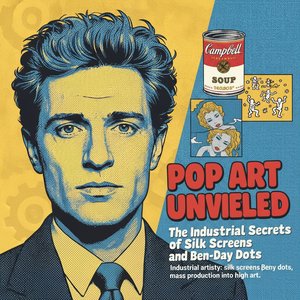
Pop Art Unveiled: The Industrial Secrets of Silk Screens and Ben-Day Dots
Explore the industrial artistry of Pop Art. Delve into the sophisticated history of Ben-Day dots and silk screen techniques that transformed mass media into high art, perfect for discerning collectors seeking deep historical insight and aesthetic excellence.
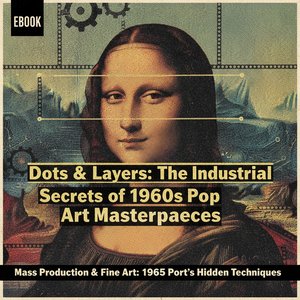
Dots & Screens: The Industrial Secrets Behind 1960s Pop Art Masterpieces
Explore the industrial secrets of 1960s Pop Art. Discover how Ben-Day dots and silk screening transformed mass media into masterpieces by Roy Lichtenstein. An in-depth look at the intersection of mechanical printing and fine art history for students and collectors.

Beyond the Screen: Transforming Personal Memories into Timeless AI-Driven Anime Masterpieces
Experience the magic of digital metamorphosis. Transform your cherished photos into stunning, hand-painted anime masterpieces using our proprietary AI technology and professional artists. Elevate your personal story with a timeless, high-quality oil painting on canvas.
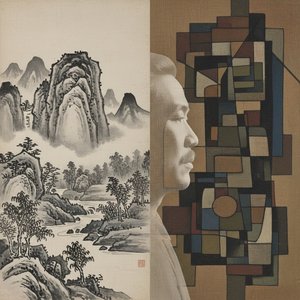
Yi Eungro: Bridging East & West in the Landscape of Korean Modernism
Explore the captivating world of Yi Eungro (Lee Ungno), a pivotal figure in Korean modernism. Discover his unique fusion of Eastern and Western artistic traditions, abstract masterpieces, and lasting legacy. A must-read for discerning art collectors.
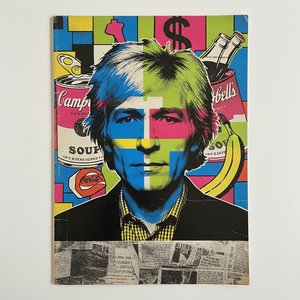
Andy Warhol: Deconstructing Pop Culture & Redefining Artistic Expression
Explore the revolutionary art of Andy Warhol & the Pop Art movement. Discover his iconic techniques, cultural impact, and investment potential. A guide for discerning collectors.