

 Predogled
 Pošlji
 Deli
Deli
 Podrobnosti o delu

 Prenesi
 Podobni izdelki
 Rentgenski posnetek
 Predvajaj diaporama
 Statistika
Death of Dido
 Oil On Canvas
- WallArt
- Baroque
 1637
1637 159.0 x 137.0 cm
 Hermitage Museum
 Razviljaj več
Giclée tisk / Umetniški tisk
Giclée ali platnati odtis muzejske kakovosti z hitro proizvodnjo in prilagodljivimi možnostmi končne obdelave. ( Kupi ročno naslikano sliko Preklop na digitalno sliko)




P118B $10

P118H $10

P118W $10

P438Z $10

P508JH $12

P508YH $12

P805H $10

P805Z $10

P919BZ $10

P919G $10

P919XJ $10

P959ZH $10

P968JZ $12

W106C $8

W218G $10

W218JH $8

W218Y $10

W307PJ $10

W316G $10

W316PJ $8

W316Y $10

W398PJ $8

W4111J $10

W500HY $15

W500JH $15

W692G $12

W849H $8

W940BG $15

W953PJ $8




Izberite eno od naših vnaprej določenih velikosti, ki ustrezajo prvotnim proporcijam umetničkega dela.

Svoje dimenzije lahko vnesete sami, da bodo ustrezne za določen okvir ali prostor. Če izbrana velikost ne bo skladna z razmerji izvirne slike, bomo umetniško delo orezali ali podaljšali s pomočjo ogledalnega odraza ali barvno polnega roba. Pred začetkom proizvodnje vam bomo poslali digitalni predogled za potrditev.
Upoštevajte, da predogled na zaslonu ne prikazuje dejanskega orezovanja ali podaljševanja. Le digitalni predogled bo natančno prikazal končno kompozicijo.
Čeprav so na voljo prilagojene velikosti, priporočamo izbiro dimenzije s predhodno določenega seznama, da ohranite prvotna razmerja.
Globalna dostava () v 2 tednih namesto standardnih 4/5 tednov. (18 september)

Brezplačna ekspresna dostava po vsem svetu

Visokokakovostno laneno platno

Popolno zavarovanje pošiljke

Garancija povračila carine in uvoznih davkov

Garancija popolnega ujemanja barv

Politika vračilo v 100 dneh (le v primeru okvar)

Garancija 100% povračila denarja

Popust pri večjem naročilu
 Možnost stekla je na voljo le za velikosti pod 110 cm

Death of Dido
Giclée tisk / Umetniški tisk
Velikost reprodukcije
-


Skupna končna cena
$ 80
The Tragic Beauty of "Death of Dido": A Baroque Masterpiece
Sébastien Bourdon’s “Death of Dido,” painted in 1637, is not merely a depiction of a legendary queen's demise; it’s a profound exploration of grief, betrayal, and the immutable power of fate. This monumental oil on canvas, measuring an impressive 159 x 137 cm, resides within the State Hermitage Museum in St. Petersburg, a testament to its enduring artistic merit. Bourdon, a pivotal figure in the Baroque movement, masterfully captures the raw emotion of this poignant scene drawn from Virgil’s epic poem, the Aeneid, transforming a classical narrative into a deeply resonant visual experience.
The composition immediately commands attention. Dido, draped in a flowing blue gown, lies supine on her bed, a sword poised delicately in her hand – an instrument of both destruction and liberation. Her face, etched with sorrow and defiance, is turned towards the departing ships of Aeneas, symbolizing the irrevocable loss of love and the end of her reign. Around her, a carefully orchestrated group of mourners—servants, women, and even a partially visible figure presumed to be her brother Acerbas – react with varying degrees of grief and shock. The scene is bathed in a dramatic chiaroscuro, characteristic of Bourdon’s style and deeply influenced by the Venetian masters he admired during his time in Rome. Light streams dramatically from an unseen source, highlighting Dido's form while casting deep shadows across the room, intensifying the sense of tragedy and despair.
A Story of Betrayal and Divine Intervention
The narrative itself is steeped in myth and heartbreak. Dido, a Phoenician princess, founded Carthage after fleeing persecution in Tyre. She fell passionately in love with Aeneas, a Trojan prince destined to found Rome. However, fate intervened – or so it seemed – as Aeneas was compelled by the gods to fulfill his destiny and leave her behind. The painting vividly portrays this moment of agonizing separation, capturing the devastating consequences of divine decree and human ambition. The inclusion of Mercury, the messenger god, subtly alluded to in the composition through a glimpse of his winged sandals amongst the departing ships, reinforces the notion that Dido’s fate was predetermined.
Bourdon's artistic choices are laden with symbolic meaning. The two vases positioned strategically within the scene – one on the left and another on the right – aren’t simply decorative elements; they likely represent offerings to the gods, acknowledging the role of divine forces in shaping Dido’s tragic end. The stark contrast between the vibrant colors of her gown and the muted tones of the surrounding figures further emphasizes her isolation and vulnerability. The overall effect is a powerful meditation on loss, duty, and the inescapable nature of destiny.
Bourdon's Baroque Vision
Sébastien Bourdon’s artistic journey was profoundly shaped by his time in Rome, where he encountered the revolutionary techniques of Caravaggio. Bourdon expertly employed *tenebrism*, a dramatic use of light and shadow, to create an atmosphere of intense emotionality. This technique, combined with his masterful rendering of textures – from the flowing fabric of Dido’s gown to the rough stone of the room – imbues the painting with remarkable realism and immediacy. His brushwork is loose and expressive, conveying a sense of urgency and movement that mirrors the drama unfolding within the scene.
Furthermore, Bourdon's understanding of classical composition—inherited from his training in France—is evident in the carefully balanced arrangement of figures and objects. The pyramidal structure of the composition draws the viewer’s eye towards Dido’s central form, while the diagonal lines created by the departing ships and her outstretched hand contribute to a dynamic sense of movement and instability. This masterful blend of classical principles and Baroque dynamism is what elevates “Death of Dido” beyond a simple historical depiction into a timeless work of art.
A Legacy of Dramatic Emotion
“Death of Dido” remains a compelling example of the emotional intensity that characterized the Baroque period. Bourdon’s ability to translate a complex mythological narrative into a visually arresting and emotionally resonant image is truly remarkable. The painting continues to captivate viewers with its depiction of profound sorrow, betrayal, and the enduring power of love—a testament to the artist's skill and the timelessness of the story he so powerfully portrays. Reproductions of this masterpiece offer an opportunity to experience the drama and beauty of Bourdon’s vision in a way that transcends time and space.
Biografija umetnika
Mojster svetlobe in vsestranskosti: Življenje Sébastiena Bourdona
Sébastien Bourdon (1616–1671) ostaja ena najbolj očarljivih in večplastnih postav francoskega baroka sedemnajstega stoletja. Rod se je v Montpellieru v družino protestantskih umetnikov, njegovo zgodnje življenje pa so oblikovale živahne, a pogosto turbulentne umetniške tradicije južne Francije. Njegova pot od mladega učenca do temeljnega člana Académie Royale de Peinture et de Sculpture je spomenik globokemu, nemirnemu intelektu in nepreverljivim sposobnostim vpijavanja stilskih tokov Evrope. Po zgodnji izobraževanji v Parizu je Bourdonova pot vodila skozi Bordeaux in Toulouse, preden je dosegel duhovno in umetniško srce kontinenta: Rim. Prav v Italiji se je njegov talent dejansko razžaril, ko se je potopil v dela mojstrov, kot so Caravaggio, Nicolas Poussin in Claude Lorrain. To obdobje intenzivnega študija mu je omogočilo razvoj edinstvenega vizualnega jezika – tistega, ki se je lahko premikalo med suroim, dramatičnim realizmom Caravaggijevcev in svetlobno, klasično eleganco venetske šole.Razvoj sloga in tehnike
Tisto, kar Bourdonovo delo resnično loči od drugih, je njegova izjemna stilna tekočnost, lastnost, ki je pričasnikom včasih vzbudila både občudovanje in kritiko. Njegov razvoj so zaznala serije preobrazb through srečanj z različnimi evropskimi tradicijo. Po ključnem obisku v Veneciji je njegova paleta doživela globoko metamorfozo; ostre kontrasti njegove zgodnje izobraževanja so ustrupili mesto bogatejšemu, bolj atmosferičnemu uporabi barv, navdihnjenim z venetskimi mojstri. Ta evolucija mu je omogočila spretno navigiranje med različnimi žanri. V portretni sliki je pogosto sprejemal Rubensian pristop ali je raje izbiral intimne kompozicije do prsi, ki so zajemale psihološko globino in eleganco njegovih motivov, kot je švedska plemenita dama v portretu Grofina Ebba Sparre. Nasprotno pa so njegova religiozna dela uporabljala dramatičen chiaroscuro za vzbujanje duhovnega spoštovanja, kar je najbolj očitno v njegovem monumentalnem mojstretu, Krzyžovanje sv. Petra, ustvarjenem za katedralo Notre Dame.Dediščina in zgodovinski pomen
Poza njegove individualne platna je Bourdon igral ključno vlogo pri institucionalizaciji francijske umetnosti. Kot soegaoblikovalec Kraljeve akademije leta 1648 je pomagal vzpostaviti standarde odličnosti, ki bodo francijsko slikarstvo definiral generacije. Njegovo kariero je zaznala tudi izjemna širina delovanja; ugled vrhunskega portretista ga je vodil na dvor kraljice Christine Švedske, kjer je služil kot dvorski slikar in v Stockholmu prinesel sofisticirano estetiko Pariza in Rima. Ne glede na to, ali je prikazoval grozljivo napetost v delu Mojsije in bronasta kačnica ali seren grandioznost klasičnih pokrajin, Bourdonovo del uteleša dvojni duh baroka: intenzivno čustveno dramo človeške usode in uravnoteženo, intelektualno težnjo po klasični lepoti. Njegova sposobnost sinteze naturalističnih tradicij Francije z monumentalnimi slogi Italije mu zagotavlja trajno mesto v panteonu evropske umetnostne zgodovine.
Sébastien Bourdon
1616 - 1671 , Francija
Hitri podatki
- Artistic Movement Or Style: Barok
- Artists Or Movements Influenced By This Artist: ['Francoska barokna umetnost']
- Artists Who Influenced This Artist:
- Nicolas Poussin
- Claude Lorrain
- Caravaggio
- Date Of Birth: 2. februar 1616
- Date Of Death: 8. maj 1671
- Full Name: Sébastien Bourdon
- Nationality: Francoz
- Notable Artworks:
- Krzyžanje sv. Petra
- Spust z križa
- Place Of Birth: Montpellier, Francija
Sorodni članki

Theatricality & Triumph: Baroque Drama in Painting & Sculpture
Explore the dramatic world of Baroque art! Discover its history, defining characteristics, & lasting influence on painting & sculpture. Expert insights into Caravaggio, Zurbarán, and Bernini – plus high-quality reproductions at OriginalUniqueArt.

The Visceral Stage: Exploring Dramatic Narratives & Emotional Intensity in Baroque Art
Explore the dramatic world of Baroque art! Discover iconic masters like Caravaggio & Rembrandt, their techniques, and the movement's lasting impact. Expert insights for collectors & enthusiasts at OriginalUniqueArt.

Baročne mojstrovine: 10 umetnin, ki so definirale obdobje | OriginalUniqueArt
Odkrijte 10 baročnih mojstrovine, ki so zaznamovale umetnost! Karavaggio, Bernini & Rubensovi deli v zgodovinskem kontekstu. Navdih za notranjost in reprodukcije slik na OriginalUniqueArt.com. Raziskujte polno zbirko online!

The Dramatic Flourish: Exploring the Baroque Movement's Enduring Legacy in Art History
Explore the dramatic world of Baroque art! Discover iconic artists like Caravaggio & Rubens, defining techniques, and its lasting impact on art history. Expert insights for collectors & enthusiasts at OriginalUniqueArt.
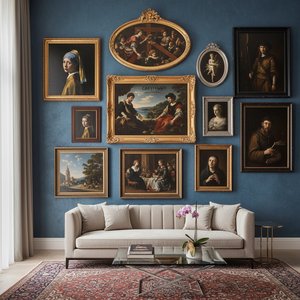
Baroque Painting's Greatest Hits: 10 Masterpieces for Your Home | OriginalUniqueArt
Journey through Baroque painting's glory! Explore 10 masterpieces by Caravaggio, Rembrandt & Vermeer. Discover dramatic lighting, rich colors & timeless stories. Find museum-quality art reproductions for your home at OriginalUniqueArt.com.