Renaissance
St. Jerome (Sandro Botticelli)
Sandro Botticelli (1445–1510) je izdelal St. Jerome. Spada v smer Renaissance. Izdelano je iz Oil On Panel. Del se nahaja v muzeju Ermitaž v mestu Sankt Peterburg, Rusija.
- Oil On Panel
- Ermitaž, Sankt Peterburg

 Predogled v realnem okolju

 Ročno izdelano oljno slikarstvo
 Pošlji
 Deli
 Informacijski list


 Prenesi sliko
 Podobni izdelki
 Rentgenski posnetek
 Predvajaj diaporama
 Vprašanja in odgovori

 Statistika
St. Jerome, na kratek
- Naslov
- St. Jerome
- Avtor
- Sandro Botticelli (1445–1510)
- Umetnik, rojen v
- Firence, Italija
- Tehnika
- Oil On Panel
- Kje je videti
- Ermitaž, Sankt Peterburg, Rusija
- Gibanje
- Renaissance
- Obdobje
- Renaissance
- Tema
- religious lamentation, medieval grief scene, renaissance figures, classical composition, memento mori theme, oil painting technique
Kaj prikazuje St. Jerome?
A Moment of Profound Grief: Exploring Botticelli’s *St. Jerome*
Sandro Botticelli's *St. Jerome*, a poignant depiction of sorrow and contemplation, offers a captivating glimpse into the artistic sensibilities of the Early Renaissance. While often overshadowed by his more celebrated mythological works like *The Birth of Venus*, this painting reveals Botticelli’s mastery of religious iconography and emotional depth.
Subject & Narrative
- A Scene of Lamentation: Though initially identified as the Lamentation, recent scholarship suggests this work depicts St. Jerome in his final moments, receiving communion before death. The central figure, surrounded by mourners, is likely not Joseph of Arimathea but figures expressing grief over the saint’s impending passing.
- St. Jerome – A Scholar and Ascetic: Saint Jerome (c. 347–420 AD) was a prominent theologian and translator of the Bible into Latin (the Vulgate). His life, marked by both scholarly pursuits and periods of intense asceticism, makes him a compelling subject for artistic representation.
- Setting the Stage: The rocky, cave-like setting evokes a sense of seclusion and spiritual retreat. This isolated location emphasizes the solemnity of the occasion and invites contemplation on mortality.
Artistic Style & Technique
- Renaissance Linearity: Botticelli’s style is characterized by elegant, flowing lines that define forms with precision. This linearity bridges the gap between the late Gothic and Early Renaissance aesthetics.
- Oil on Panel – A Flourishing Medium: Executed in oil on panel, the technique allows for subtle gradations of color and a smooth application of paint, enhancing the realism of the figures and drapery.
- Subdued Palette & Dramatic Lighting: The painting employs a subdued color palette, dominated by earth tones and muted hues. This is contrasted with dramatic lighting that highlights the central figure and casts shadows, intensifying the emotional impact.
- Perspective & Composition: While perspective isn’t fully developed as in later Renaissance works, Botticelli utilizes layering and overlapping forms to create a sense of depth within the confined space. The composition draws the viewer's eye towards St. Jerome through strategic arrangement and contrast.
Symbolism & Iconography
- Mortality & Remembrance: Symbolic elements, such as a skull (a *memento mori*), serve as reminders of human mortality and the transient nature of life.
- Religious Devotion: The act of receiving communion underscores St. Jerome’s unwavering faith and devotion to God in his final moments.
- The Mourners: The surrounding figures represent the grief and sorrow felt by those witnessing the saint's passing, emphasizing the human cost of spiritual dedication.
Historical Context & Legacy
- Florentine Renaissance: Created during the vibrant artistic climate of Florence in the late 15th century, *St. Jerome* reflects the humanist ideals and religious fervor of the period.
- Botticelli’s Diverse Oeuvre: While renowned for his mythological paintings, Botticelli also produced numerous religious works, demonstrating his versatility as an artist.
- Rediscovery & Appreciation: Like many Renaissance masters, Botticelli's work experienced a period of relative obscurity before being rediscovered and celebrated by the Pre-Raphaelites in the 19th century.
Emotional Impact & Interpretation
St. Jerome* evokes feelings of profound sadness, reverence, and contemplation. The painting invites viewers to reflect on themes of mortality, faith, and the human condition. Its quiet intensity and masterful execution make it a compelling work of art that continues to resonate with audiences today.
V katerem muzeju se nahaja St. Jerome?
Ermitaž
Sankt Peterburg, Rusija
Zamrzel palača: Razkritje zakladov Ermitaža Državni muzej Ermitaž v Sankt Peterburgu ni le skladišče umetnosti; je poglobljeno potovanje skozi čas, spomen russkih imperialnih ambicij in njihove trajne umetniške dediščine. Skrit v opulentni Zimski palač – nekoč samem srcu tsarske moči – se muzej razpreča kot skrbno zastrežena pripoved, ki razkriva plasti zgodovine, kulture in zaprepašljive lepote. Zamenjen z ustanovitvijo s strani Katarine Velike leta 1764 z le eno sliko kot jedro, je zazelenil v enega največjih in najcelovitejšega muzejev na svetu, ki v njegovi zbogoj hosti več kot tri milijone predmetov, razpršenih skozi millennia in kontinente.


Visokoresolucijske slike dela St. Jerome
Javna lastnina: umetnik je umrl leta 1510.
Sandro Botticelli, St. Jerome, Ermitaž. Javna lastnina
Odgovori na vprašanja o St. Jerome
Kje je danes razstavljeno "St. Jerome" avtorja Sandro Botticelli?
Originalno delo "St. Jerome" avtorja Sandro Botticelli se nahaja v muzeju Ermitaž, Sankt Peterburg, Rusija. Reprodukcija omogoča, da ta sklad prikazujete tudi v svojem domu.
S katero tehniko je bila izdelana skladba "St. Jerome" avtorja Sandro Botticelli?
Sandro Botticelli je za delo "St. Jerome" uporabil/a tehniko Oil On Panel. Ta tehnika opredeljuje materialno naravo izvirnega dela.
Katere teme se pojavljajo v delu "St. Jerome" avtorja Sandro Botticelli?
Tematika v delu "St. Jerome" avtorja Sandro Botticelli vključuje religious lamentation, medieval grief scene, renaissance figures, classical composition, memento mori theme, oil painting technique, symbolic imagery, ki skupaj predstavljajo vsebino umetninškega dela.
Ali je "St. Jerome" v javni domeni?
V zvezi z avtorskimi pravicami je "St. Jerome" v v javni domeni – avtorska pravica je zastarela.
Kateremu umetniku je "St. Jerome" pripisano?
Avtor dela "St. Jerome" je Sandro Botticelli. Del je katalogiran pod imenom Sandro Botticelli.
V kateri umetniški smer pripadajo "St. Jerome" avtorja Sandro Botticelli?
"St. Jerome" avtorja Sandro Botticelli pripada gibanju Renaissance. To gibanje zagotavlja slogovni kontekst dela.
V katero obdobje Sandro Botticelliove kariere spada delo "St. Jerome"?
V okviru kariere umetnika Sandro Botticelli delo "St. Jerome" pripada obdobju Mature Renaissance, kar omogoča primerjavo z ostalimi umetnikovimi deli.
Zakaj je status avtorske pravice za "St. Jerome" prav takšen, kot je?
Del "St. Jerome" avtorja Sandro Botticelli je v javni domeni – avtorska pravica je zastarela. Avtorske pravice se izračunajo od smrti umetnika, pri čemer je Sandro Botticelli umrl leta 1510.
Ali se delo "St. Jerome" nahaja v državi svojega ustvarjalca?
Ne – umetniško delo se nahaja v tujini. Delo "St. Jerome" se nahaja v državi Rusija, medtem ko je Sandro Botticelli rojen/a v državi Italija.
O umetniku, Sandro Botticelli
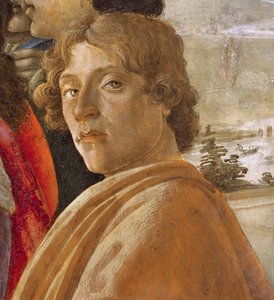
1445–1510, Italija
Sandro Botticelli
Življenje Sandra Botticellija Sandro Botticelli je svoje življenje preživel v ozkih, zapolnjenih ulicah florentanske Italije. Born kot Alessandro di Mariano di Vanni Filipepi okoli leta 1445, je bil sin tančara. Njegova družina je bila domača v četrti Ognissanti, mestu, ki mu je ostalo blizu skozi celotno njegovo življenje. Sčasaj je postal znan pod imenom Botticelli, kar je pripajalo izraz botticello, ki se nanaša na majhno vinočno čolnček ali majhno barilo.
Tudi dela avtorja Sandro Botticelli
 Sandro Botticelli
Zgodnje življenje in florentinski začetki
Sandro Botticelli, rojen Alessandro di Mariano di Vanni Filipepi okoli leta 1445 v Firencah, Italiji, se je pojavil med izjemnim kulturnim valom – zgodnje renesanse. Njegovo življenje je bilo gl1485
 Pomlad1482
 Venecija in Marte1483
 Poklon Treh Mudravcev
Eseji o delu St. Jerome
 25 Masterpieces by Sandro Botticelli: The Ultimate Guide to Renaissance BeautyJourney through the ethereal beauty of Sandro Botticelli's greatest works. From The Birth of Venus to his mythic Renaissance masterpieces, …
 The Scholar and the Hermit: Examining the Iconography of Saint Jerome in Renaissance and Baroque ArtExplore the profound iconography of Saint Jerome through Renaissance and Baroque masters. Discover the secrets of sacred art history now.
 Master of Shadow: The Top 25 Essential Artworks by Jusepe de RiberaExplore 25 iconic works by Jusepe de Ribera. Master the drama of Baroque tenebrism. Discover all masterpieces on OriginalUniqueArt.com.