
 Predogled
 Pošlji
 Deli
Deli
 Podrobnosti o delu

 Prenesi
 Podobni izdelki
 Rentgenski posnetek
 Predvajaj diaporama
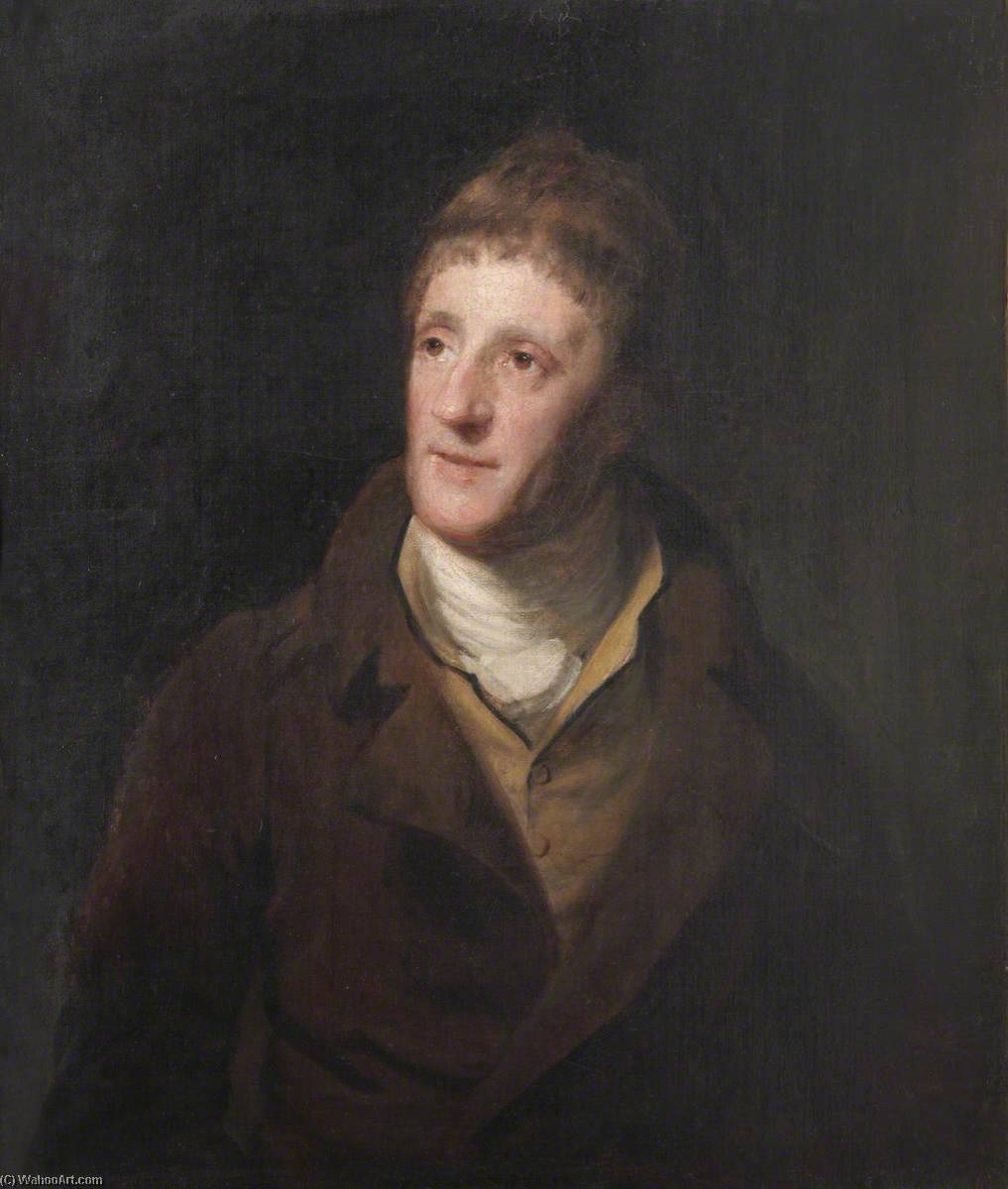
Sir John Soane (1753–1837)
 Oil On Canvas
- WallArt
- Neo-Classicism
 1812
1812- 19th Century
 75.0 x 62.0 cm
 The Royal Institution
 Razviljaj več
Ročno izdelana oljna reprodukcija
Ročno slikano olje na platnu v vaši izbiri velikosti in okvirja, izdelano po naročilu naših umetnikov. ( Kupi tisk Kupi digitalno sliko)




P118B $10

P118H $10

P118W $10

P438Z $10

P508JH $12

P508YH $12

P805H $10

P805Z $10

P919BZ $10

P919G $10

P919XJ $10

P959ZH $10

P968JZ $12

W106C $8

W218G $10

W218JH $8

W218Y $10

W307PJ $10

W316G $10

W316PJ $8

W316Y $10

W398PJ $8

W4111J $10

W500HY $15

W500JH $15

W692G $12

W849H $8

W940BG $15

W953PJ $8




Izberite eno od naših vnaprej določenih velikosti, ki ustrezajo prvotnim proporcijam umetničkega dela.

Svoje dimenzije lahko vnesete tako, da se prilagodite določenemu okvirju ali prostoru. Če izbrana velikost ne ustreza razmerjem originalne slike, bomo umetniško delo obrezali ali sliko dopolnili z dodatnimi ročno naslikanimi elementi. Pred začetkom proizvodnje vam bo poslan digitalni osnutek v odobritev.
Upoštevajte, da predogled na zaslonu ne odraža dejanskega obrezovanja ali podaljšanja. Le osnutek bo natančno prikazal končno kompozicijo.
Čeprav so na voljo velikosti po meri, priporočamo izbiro dimenzije s preddefiniranega seznama, da ohranimo originalne razmere.
Po oddaji naročila bo ekipa OriginalUniqueArt.com stranki po e-pošti poslala navodila in predogled digitalnega predogleda.
Svetska dostava () za 3/4 nedelje umesto uobičajenih 5 nedelja. (18 avgust). Bez kompromisa po pitanju kvaliteta.

Brezplačna ekspresna dostava po vsem svetu

Visokokakovostno laneno platno

Popolno zavarovanje pošiljke

Garancija povračila carine in uvoznih davkov

Garancija popolnega ujemanja barv

60-dnevna politika vračanja (le v primeru napak)

Garancija 100% povračila denarja

Popust pri večjem naročilu
 Možnost stekla je na voljo le za velikosti pod 110 cm

Sir John Soane (1753–1837)
Tehnika reprodukcije
Velikost reprodukcije
-


Skupna končna cena
$ 300
Opis umetninine
A Glimpse into Regency England: Samuel Drummond's Portrait of Sir John Soane
Samuel Drummond’s 1812 portrait of Sir John Soane offers more than just a likeness; it provides a window into the world of early 19th-century British intellectual and architectural life. The painting, measuring 75 x 62 cm, captures the renowned architect at a pivotal moment in his career, showcasing not only his physical presence but also hinting at the complex mind that shaped some of London’s most iconic structures. Drummond, a prolific portraitist and marine painter himself, skillfully employs a traditional approach to capture Soane's character with remarkable detail.
The Man and His Era: Sir John Soane and Regency Society
Sir John Soane (1753-1837) stands as a towering figure in British Neoclassical architecture. His influence is evident in landmarks like the Bank of England, though much of his work there has been lost to time, and the Dulwich Picture Gallery, which remains a testament to his innovative design principles. Beyond his architectural achievements, Soane was an avid collector of antiquities, art, and architectural drawings – a passion that would later define his unique home museum in Lincoln’s Inn Fields. The Regency era, during which this portrait was created, was a period of significant social and cultural change in Britain. It was a time of elegance, refinement, and burgeoning intellectual curiosity, qualities reflected both in Soane's persona and Drummond’s artistic representation of him.
Drummond's Technique: Capturing Character Through Detail
Drummond’s technique is characterized by meticulous attention to detail. The portrait depicts Soane wearing a well-fitted brown coat with a crisp white collar, attire befitting a gentleman of his standing. The artist masterfully renders the texture of the fabric and the subtle play of light across Soane's face. His gaze meets the viewer’s directly, conveying an air of intelligence and quiet confidence. The dark background serves to isolate Soane, drawing all attention to his figure and emphasizing his presence. Drummond avoids excessive ornamentation or dramatic flourishes, instead opting for a restrained style that allows Soane’s character to shine through. This approach aligns with the Neoclassical aesthetic prevalent at the time, prioritizing clarity, balance, and a sense of dignified restraint.
Symbolism and Emotional Resonance
While seemingly straightforward, Drummond's portrait carries subtle symbolic weight. Soane’s direct gaze suggests an unwavering conviction in his architectural vision and intellectual pursuits. The simplicity of his attire speaks to a man who valued substance over superficiality. The overall impression is one of quiet strength, intellect, and a deep commitment to his craft. The painting evokes a sense of admiration for Soane's accomplishments and offers a poignant glimpse into the life of a remarkable individual whose legacy continues to inspire architects and art enthusiasts today. Owning a reproduction of this portrait allows you to bring a piece of Regency England’s intellectual spirit into your own space, a constant reminder of innovation, elegance, and enduring artistic vision.
Biografija umetnika
Jean-Marc Nattier: The Painter of Parisian Grace
Jean-Marc Nattier, born in Paris in 1685 and passing away in 1766, stands as a pivotal figure in the Rococo art movement. More than simply a portraitist, he became the court painter extraordinaire for Louis XV’s most fashionable ladies, crafting an image of refined elegance that defined Parisian society during his lifetime. His work offers a fascinating glimpse into the world of aristocratic leisure, blending classical mythology with contemporary life and showcasing a remarkable technical skill.
Nattier's early artistic training began under his father, Marc Nattier, a respected painter in his own right, and later with the renowned history painter Jean Jouvenet. He initially sought admission to the prestigious French Academy in Rome, a common path for aspiring artists, but ultimately chose to remain in Paris, establishing himself as the preferred artist for the royal court. This decision proved remarkably astute; Nattier’s style perfectly suited the tastes of the era, capturing the spirit of playful sophistication that characterized the Rococo period.
The Art of Allegory and Grace
Nattier's most celebrated work lies in his series of allegorical portraits. He masterfully transformed young women into goddesses from classical mythology – Venus, Minerva, Diana, and more – imbuing them with a captivating blend of beauty, innocence, and aristocratic bearing. These weren’t merely likenesses; they were carefully constructed narratives, each painting conveying a specific mood or theme. The key to his success was not simply replicating appearances but understanding the symbolic language of classical art and applying it to contemporary subjects.
His technique is characterized by an exquisite delicacy, often described as pastel-like in its softness. He employed loose brushstrokes and subtle color variations to create a luminous effect, particularly evident in his depictions of fabrics and textures. Nattier’s ability to capture the fleeting expressions and gestures of his sitters – their smiles, glances, and poses – added an element of realism that prevented his allegorical portraits from feeling overly artificial. He was adept at creating a sense of movement and vitality within each composition.
A Courtly World
Nattier’s career flourished during a period of immense social change in France. The opulent lifestyle of the French court, fueled by extravagant spending and elaborate rituals, provided ample subject matter for his art. He meticulously documented the daily routines and amusements of the ladies-in-waiting, capturing their games, dances, and conversations with remarkable detail. His paintings offer a valuable insight into the social dynamics and customs of the Parisian aristocracy.
His subjects were not simply passive models; Nattier actively engaged with them, encouraging natural expressions and gestures. He understood that true beauty lay in authenticity, and he skillfully captured this quality in his portraits. The women depicted under his brush weren’t idealized figures but rather vibrant individuals, radiating charm and intelligence.
Legacy and Influence
Despite facing criticism later in his career for a perceived decline in artistic rigor, Jean-Marc Nattier remains one of the most beloved portraitists of the Rococo era. His influence on subsequent generations of artists is undeniable, particularly in the development of the allegorical portrait genre. His meticulous attention to detail, his mastery of color and light, and his ability to capture the essence of his subjects have secured his place as a significant figure in French art history.
Today, Nattier’s paintings are treasured for their exquisite beauty and their evocative portrayal of a bygone era. They offer a captivating glimpse into the world of Louis XV's court – a world of grace, elegance, and playful sophistication, forever immortalized on canvas by one of France’s most celebrated artists.

samuel drummond
1766 - 1844
Hitri podatki
- Artistic Movement Or Style: Rococo
- Artists Or Movements Influenced By This Artist: ['Catharina Backer']
- Artists Who Influenced This Artist:
- Marc Nattier
- Jean Jouvenet
- Date Of Birth: 17 March 1685
- Date Of Death: 7 November 1766
- Full Name: Jean-Marc Nattier
- Nationality: French
- Notable Artworks:
- Battle of Pultawa
- Petrification of
- Mlle de Lambesc as Minerva
- Place Of Birth: Paris, France
Sorodni članki
Sir Joshua Reynolds' Masterpieces: 25 Portraits of Power & Refinement | OriginalUniqueArt
Explore 25 captivating portraits by Sir Joshua Reynolds, a master of British art. Discover stories behind his iconic paintings, elegant style & historical influence. Find museum-quality reproductions and elevate your home decor on OriginalUniqueArt.com.

John Singer Sargent's 25 Masterpieces: Portraits & Beyond | OriginalUniqueArt
Explore 25 iconic John Singer Sargent paintings – from dazzling portraits to Impressionist landscapes. Discover the stories behind Madame X, El Jaleo & more! Find museum-quality art reproductions and elevate your home decor with OriginalUniqueArt.com.

John Constable: 25 Mojstrovskih Del Angelskega Krajinarja | OriginalUniqueArt.com
Odkrijte 25 mojstrovskih del Johna Constabla, angleškega slikarja romantizma. Preučite zgodbe za ikoničnimi krajinami, tehniko in lepoto narave. Kvalitetne reprodukcije slik na OriginalUniqueArt.com – idealno za dekoracijo doma!

Sir Alfred Munnings' Masterpieces: 25 Paintings That Define Equine Art | OriginalUniqueArt
Explore 25 iconic Sir Alfred Munnings paintings! Discover the beauty of British Impressionism, equine art & rural England. Find museum-quality reproductions and elevate your home decor with OriginalUniqueArt. Explore the full collection online.
Neo-Classicism's Greatest Hits: 10 Masterpieces for Your Home |
Journey through Neo-Classicism's finest! Explore 10 iconic masterpieces by David, Ingres & Canova. Discover art history, techniques & timeless beauty – perfect for inspiring your home decor. Find museum-quality reproductions at

