

 Predogled
 Pošlji
 Deli
Deli
 Podrobnosti o delu

 Prenesi
 Podobni izdelki
 Rentgenski posnetek
 Predvajaj diaporama
Marine
 Dutch Golden Age
 1650
1650 35.0 x 43.0 cm
 Metropolitanski muzej umetnosti
 Razviljaj več
Giclée tisk / Umetniški tisk
Giclée ali platnati odtis muzejske kakovosti z hitro proizvodnjo in prilagodljivimi možnostmi končne obdelave. ( Kupi ročno naslikano sliko Kupi digitalno sliko)




P118B $10

P118H $10

P118W $10

P438Z $10

P508JH $12

P508YH $12

P805H $10

P805Z $10

P919BZ $10

P919G $10

P919XJ $10

P959ZH $10

P968JZ $12

W106C $8

W218G $10

W218JH $8

W218Y $10

W307PJ $10

W316G $10

W316PJ $8

W316Y $10

W398PJ $8

W4111J $10

W500HY $15

W500JH $15

W692G $12

W849H $8

W940BG $15

W953PJ $8




Izberite eno od naših vnaprej določenih velikosti, ki ustrezajo prvotnim proporcijam umetničkega dela.

Svoje dimenzije lahko vnesete sami, da bodo ustrezne za določen okvir ali prostor. Če izbrana velikost ne bo skladna z razmerji izvirne slike, bomo umetniško delo orezali ali podaljšali s pomočjo ogledalnega odraza ali barvno polnega roba. Pred začetkom proizvodnje vam bomo poslali digitalni predogled za potrditev.
Upoštevajte, da predogled na zaslonu ne prikazuje dejanskega orezovanja ali podaljševanja. Le digitalni predogled bo natančno prikazal končno kompozicijo.
Čeprav so na voljo prilagojene velikosti, priporočamo izbiro dimenzije s predhodno določenega seznama, da ohranite prvotna razmerja.
Globalna dostava () v 2 tednih namesto standardnih 4/5 tednov. (16 avgust)

Brezplačna ekspresna dostava po vsem svetu

Visokokakovostno laneno platno

Popolno zavarovanje pošiljke

Garancija povračila carine in uvoznih davkov

Garancija popolnega ujemanja barv

60-dnevna politika vračanja (le v primeru napak)

Garancija 100% povračila denarja

Popust pri večjem naročilu
 Možnost stekla je na voljo le za velikosti pod 110 cm

Marine
Giclée tisk / Umetniški tisk
Velikost reprodukcije
-


Skupna končna cena
$ 80
Opis zbirateljskega predmeta
A Moment Frozen in Time: The Allure of Salomon van Ruysdael's Marine
Salomon van Ruysdael’s “Marine,” painted around 1650, isn’t merely a depiction of a seascape; it’s an invitation to step into a tranquil moment suspended between the vastness of the ocean and the quietude of a coastal town. This remarkable work, currently residing within the hallowed halls of The Metropolitan Museum of Art in New York, exemplifies the pinnacle of Dutch Golden Age painting – a period defined by meticulous detail, atmospheric realism, and an extraordinary ability to capture the subtle nuances of light and shadow. More than just a pretty picture, “Marine” offers a profound glimpse into 17th-century life, maritime practices, and the artist’s masterful command of color and composition.
At first glance, the painting presents a deceptively simple scene: a serene river flowing towards the sea, dotted with small boats engaged in various activities – fishing, transporting goods, or simply enjoying the day. A lone sailboat, its billowing sails catching the wind, cuts through the water, flying the proud banner of the Dutch Republic. However, beneath this apparent simplicity lies a wealth of carefully considered details and symbolic elements. Van Ruysdael wasn’t just painting what he saw; he was crafting an experience, evoking a sense of peace, order, and connection to nature – values deeply ingrained in the ethos of the Dutch Golden Age.
The Art of the Dutch Masters: Technique and Style
Van Ruysdael’s skill lies not only in his ability to render realistic details but also in his masterful use of technique. The painting is executed in oil on wood, a medium that allowed for rich colors and subtle gradations of tone. Notice how the artist employs broken brushstrokes – tiny, individual marks of paint – to create the illusion of shimmering water and billowing clouds. This technique, known as “impasto,” adds texture and depth to the scene, drawing the viewer’s eye into the heart of the composition. The careful layering of colors, particularly in the depiction of the sky and water, creates a remarkable sense of atmospheric perspective – the way that distant objects appear paler and less distinct than those closer to the viewer.
The color palette is restrained yet remarkably effective. Predominantly blues and grays dominate the scene, reflecting the cool tones of the sea and sky. The boats are painted in a range of browns and whites, providing contrast against the darker background. Van Ruysdael’s use of light is particularly noteworthy; it's diffused and gentle, casting long shadows and creating a sense of quiet contemplation. This subtle illumination contributes significantly to the painting’s overall mood – one of serenity and tranquility.
A Window into 17th-Century Life: Historical Context
“Marine” offers a fascinating glimpse into the daily life of coastal communities in the Netherlands during the 17th century. The presence of the “schouw,” a type of shallow-draft sailing vessel used for transporting goods and passengers along inland waterways, is particularly significant. These boats were vital to the Dutch economy, facilitating trade and connecting distant towns and villages. The inclusion of buildings on the distant shoreline – reminiscent of coastal towns – further anchors the scene in its historical context. The painting isn’t simply a landscape; it's a snapshot of a thriving maritime society.
Furthermore, the painting reflects the broader cultural values of the Dutch Golden Age. The emphasis on order, industry, and connection to nature was central to the Dutch worldview. Van Ruysdael’s “Marine” embodies these values, offering a vision of a harmonious relationship between humanity and the natural world. The painting's popularity during its time speaks volumes about this shared cultural appreciation.
Bringing "Marine" Home: Reproduction and Legacy
Today, reproductions of Van Ruysdael’s “Marine” are available through reputable sources like The Metropolitan Museum of Art and other fine art dealers. A high-quality reproduction captures the essence of the original, allowing you to bring this timeless masterpiece into your own home or office. Consider a canvas print for a truly immersive experience, or an acrylic glass print for a sleek, modern look. Whether you choose a traditional oil on wood reproduction or a more contemporary format, owning a piece inspired by “Marine” is a celebration of Dutch Golden Age artistry and a reminder of the enduring power of beauty and tranquility.
Biografija umetnika
Subtilni mojster nizozemske krajine: Življenje Salomona van Ruysdaela
V zlaščeni dobi nizozemskega siedemtodecravskega stoletja, obdobju, ki ga zaznamuje nepredstavljivo blaginja in umetniško cvetenje, se je Salomon van Ruysdael pojavil kot slikar globoke atmosferične občutljivosti. Rodjen okoli leta 1602 v Naardenu, je bil njegov življenjski pot tesno prepleten z samega bistvom nizozemskega zlate dobe. Čeprav zgodovina pogosto vrže dolgo senco na njegovega bolj slavnega brata, Jacoba van Ruisdaela, je Salomon v kanonu slikarstva krajine utrl svojo ločeno in nezamenljivo mesto. Njegovo delo ne prikazuje le dežstva; ono zajema dišeče bistvo nizozemske podeželja, kjer svetloba in voda na platnu izvajata tiho, večno ples.
Temelj njegove umetnosti so se postavili v gospodinjstvu, kjer sta bili vrhunska rokotvorna izvedba in natančnost ključnega pomena. Njegov oče, Jacob Jansz de Gooyer, je bil spretni lesar, specializiran za izdelavo zapletenih ebenovnih okvirjev, ki so vsičevali najdragocenejša ogledala in slike tistega časa. Ta zgodnja izpostavljenost natančnim detajlom okvirjanja je v Salomonu verjetno vzbudila doživljenjsko spoštovanje do teksture in strukturne integritete. Čeprav je bila njegova uradna izobrazba presenetljivo široka – vključevala je zapletenost latinjščine in celo medicino – je njegovo srce ostalo navezano na vizualni svet. Z vstopom v prestižno Haarlemsko gildijo sv. Luke leta 1623 je stopil v elitni krog ustvarjalcev, pod neposreden vpliv mojstrov, kot sta Jan Porcellis in Esaias van de Velde. Ti mentorji, zagovorniki atmosferične perspektive in opazovalnega realizma, so mu ponudili tehnično jezik, ki ga je Salomon kasneje uporabljal za sestavljanje svojih spokojnih, vodno-centričnih vidikov.
Simfonija vode in svetlobe
Salomonovo pravo mojstvo leži v njegovi sposobnosti prikazovanja prehodljivih lastnosti nizozemskega vzdušja. Za razliko od mnogih njegovih sodobnikov, ki so iskali dramatične, razlegene vidike ali turbulente nevihtre, je Salomon največ navdih našel v tišini notranjih vodotokov. Njegove kompozicije se pogosto osredotočajo na ritmično tekočnost reka in mirno širino jezer, kjer se nebo in voda srečata v nepretranosti utihnjenih tonov in meke svetlobe. V vrhunskih delih, kot je Pogled na reko blizu Deventer, lahko opazimo, kako uporablja nežno paleto za priklic vlačne, hladne zraka Nizozemske, s čimer gledalca vabi v trenutek globoke tišine.
Njegova tehnična dovršenost je posebej očitna pri obravnavanju pomorskih in rečnih motivov. V delih, kot je Plovila na notranjem vodnem površju, dokazuje nepremagljivo sposobnost zajema teže in gibanja čoln, ki se premikajo skozi mirne tokove. Integracija človeških elementov – kot je subtilna prisotnost ribičev v delu Reka z ribiči – nikoli ni moteča; ti liki namreč služijo temu, da krajini podajo razmerje in občutek življenske realnosti. Skozi njegov č笔 se voda spremeni v več kot le površino; postane ogledalo, ki odseva premikajoča se oblaka in meko, razpršeno svetlobo, ki zaznamuje nizozemsko nebo.
Dediščina in umetniški pomen
Zgodovinski pomen Salomona van Ruysdaela se skriva v njegovi vlogi pionirja atmosferične krajine. Odmaknil se je od togih, topografskih prikazov prejšnjih obdobij k bolj čutni, senzorični izkušnji narave. Njegova sposobnost združevanja natančnosti elementov mrtve narave z vastnostjo slikarstva krajine je ustvarila edinstveno estetiko, ki je odmevala pri nizozemskem srednjem razredu, ki je iskal umetnost, ki odraža njihovo lastno mirno in delovno okolje.
Danes je njegova dediščina ohranjena v nekaterih najcennejših svetovnih institucijah, vključno z Museo Thyssen-Bornemisza. Študirati Van Ruysdaelovo delo pomeni preiti skozi lekcijo potrpežljivosti in opazovanja. Njegovo del ostaja spomenik lepoti, ki jo najdemo v neizrazenem, nas opominjajoč, da so najgloblje umetniške resnice pogosto skrite v najtišjih odmevih reke ali najmejši žar zaletka sonca. Njegov prispevek k nizozemski zlati dobi ostaja pomembno poglavje v zgodbi o tem, kako se je človeštvo naučilo videti svet ne le takšnega, kakšen je, temveč takšnega, kakšen se nam zdi.
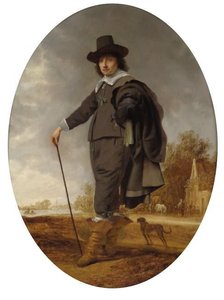
Salomon Van Ruysdael
1602 - 1670 , Nizozemska
Hitri podatki
- Artistic Movement Or Style: Slopničje holandskega zlate dobe: slikanje pejzažev
- Artists Or Movements Influenced By This Artist: ['Jacob Van Ruisdael']
- Artists Who Influenced This Artist:
- Jan Porcellis
- Esaias van de Velde
- Date Of Birth: Naarden, Nizozemska (1602)
- Date Of Death: 3. november 1670
- Full Name: Salomon van Ruysdael
- Nationality: Nizozemski
- Notable Artworks:
- Rečni pejzaž
- Trajekt blizu Gorinchema
- Pogled na Deventer
- Place Of Birth: Naarden
Sorodni članki
Vincent van Gogh: 25 Mojstrovin za Popestritev Vašega Doma | OriginalUniqueArt
Odkrijte 25 najbolj znanih slik Vincenta van Gogha! Preberite zgodbe za vsako mojstrovino impresionizma in postimpresionizma. Kupite reprodukcije visoke kakovosti ter navdih za dekoracijo doma na OriginalUniqueArt.com.

Golden Light & Dutch Skies: The Timeless Magic of Dutch Golden Age Landscapes
Discover the breathtaking beauty of Dutch Golden Age landscapes. Explore the mastery of light, chiaroscuro, and 17th-century realism through an expert art history lens, celebrating the enduring legacy of the Dutch Masters for discerning collectors and art lovers.

10 Mojstrovin Nizozemske Zlate dobe: Umjetnost, ki je definirala svojo dobo
Odkrijte 10 mojstrovin Nizozemske zlate dobe! Rembrandt, Vermeer & več – spoznajte zgodbe za temi ikoničnih umetnin. Inspirirajte se za notranji dizajn in poiščite reprodukcije na OriginalUniqueArt.com!

Rembrandt van Rijn: 25 Mojstrovin za Popestritev Vašega Doma | OriginalUniqueArt
Odkrijte 25 mojstrovin Rembrandta van Rijna! Preberite zgodbe o portretih, svetlobi in nizozemskem baroku. Kvalitetne reprodukcije slik za vaš dom na OriginalUniqueArt.com. Raziskajte celotno zbirko online.

Willem van de Velde the Elder: Master of Maritime Painting & Chronicler of the Dutch Golden Age
Discover the captivating maritime paintings of Willem van de Velde the Elder, a master chronicler of the Dutch Golden Age. Explore his unparalleled realism and lasting influence on naval art history.

