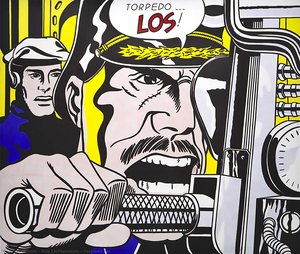
Predogled
 Pošlji
 Deli
Deli
 Podrobnosti o delu

 Prenesi
 Podobni izdelki
 Rentgenski posnetek
 Predvajaj diaporama
Ženska z žogo


 Razviljaj več
Ročno izdelana oljna reprodukcija
Ročno slikano olje na platnu v vaši izbiri velikosti in okvirja, izdelano po naročilu naših umetnikov. ( Kupi tisk Kupi digitalno sliko)




P118B $10

P118H $10

P118W $10

P438Z $10

P508JH $12

P508YH $12

P805H $10

P805Z $10

P919BZ $10

P919G $10

P919XJ $10

P959ZH $10

P968JZ $12

W106C $8

W218G $10

W218JH $8

W218Y $10

W307PJ $10

W316G $10

W316PJ $8

W316Y $10

W398PJ $8

W4111J $10

W500HY $15

W500JH $15

W692G $12

W849H $8

W940BG $15

W953PJ $8




Izberite eno od naših vnaprej določenih velikosti, ki ustrezajo prvotnim proporcijam umetničkega dela.

Svoje dimenzije lahko vnesete tako, da se prilagodite določenemu okvirju ali prostoru. Če izbrana velikost ne ustreza razmerjem originalne slike, bomo umetniško delo obrezali ali sliko dopolnili z dodatnimi ročno naslikanimi elementi. Pred začetkom proizvodnje vam bo poslan digitalni osnutek v odobritev.
Upoštevajte, da predogled na zaslonu ne odraža dejanskega obrezovanja ali podaljšanja. Le osnutek bo natančno prikazal končno kompozicijo.
Čeprav so na voljo velikosti po meri, priporočamo izbiro dimenzije s preddefiniranega seznama, da ohranimo originalne razmere.
Po oddaji naročila bo ekipa OriginalUniqueArt.com stranki po e-pošti poslala navodila in predogled digitalnega predogleda.
Svetska dostava () za 3/4 nedelje umesto uobičajenih 5 nedelja. (22 avgust). Bez kompromisa po pitanju kvaliteta.

Brezplačna ekspresna dostava po vsem svetu

Visokokakovostno laneno platno

Popolno zavarovanje pošiljke

Garancija povračila carine in uvoznih davkov

Garancija popolnega ujemanja barv

60-dnevna politika vračanja (le v primeru napak)

Garancija 100% povračila denarja

Popust pri večjem naročilu
 Možnost stekla je na voljo le za velikosti pod 110 cm

Ženska z žogo
Tehnika reprodukcije
Velikost reprodukcije
-


Skupna končna cena
$ 300
Opis umetninine
Čarobno Pop Art mojstrovino
Lichtensteinovo del "Ženska z žogo" je ikonično platno iz leta 1961, ki v svojem bistvu zajema duh ameriške pop kulture sredine 20. stoletja. To živopisno in dinamično umetniško del prikazuje žensko med igro odbojke na plaži, pri čemer izžareva neustavljivo energijo in gibanje. Njegov stiliziran in ekspresiven pristop mu daje status izstopajočega dragulja v vsaki umetnostni zbirki.
Kompozicija in barvna paleta
Kompozicija je vertikalno usmerjena, s poudarkom na zgornji polovici ženskega telesa, ko se ona poseže navzreb za udarec v odbojko. Njene roke so raztegnjene visoko nad glavo, kar ustvarja občutek vzpona in intenzivnosti. Ozadje je minimalistično; zlato rumeno nebo postopoma prehajajo bele valovi na spodnjem delu slike, kar nam v mislih prikliče na sproščeno vzdušje ob morju.
Barvna paleta temelji na drastičnih kontrastih. Koža ženske ima nežno rožnato noto, njena lase so temno modre z lažjimi modrimi poudarki, ustnice pa so izjemno rdeče. Njen koprinček je temno modre barve z belim robom, odbojka pa je prikazana v klasičnih športnih barvah: rdeči, beli in modri. Rumena barva neba in bela barva valov še dodatno povečajo splošno živost in vizualni učinek dela.
Tehnika in slog
Umetniško del uporablja debele, črne obrobke za definiranje oblik in figur, kar je značilnost pop art sloga. Te črte so drzne in samozavestne, kar prispeva k grafični kakovosti slike. Oblike so poenostavljene in stilizirane, s fokusom na bistvene elemente motiv.
Zgodovinski kontekst
Del "Ženska z žogo" je bil navdihnjen z oglasom iz leta 1961 za Mount Airy Lodge v gorju Pocono. Oglas, ki je začel vrteti se leta 1av55, je bil široko objavljen v New Yorku in drugod, vključno z pomembnimi novinarji, kot sta The New York Times in Daily News. Lichtensteinovo del močno spremeni prvotni vir in ustvari poenostavljeno, a vseeno izstopajočo predstavitev sodobne lepote.
To sliko je bila prikazana na Lichtensteinovi prvi samostojni razstavi, o kateri pa je v letu 1962 poročal tudi revija Newsweek. Smatra se za vzorčen primer Lichtensteinovih del, ki pretirajo mehanizirani videz, hkrati pa so rezultat njegove vrhunske slikarobnosti.
Simbolika in čustveni vpliv
Motiv je jasen: ženska v športnem naporu, verjetno na plaži, kar ustrede valovom v ozadju. Slika zajema trenutek atletskega prizadevanja in osredotočenosti. Čeprav ni neposrednih simboličnih elementov, dinamična poza in ekspresivne značilnosti prenašajo občutek odločnosti in vitalnosti.
Lichtensteinova uporaba svetlih, kontrastnih barv in drznih obrobov takoj pritegne pozornost, zaradi česar to del postavlja v središče vsakega prostora. Njegov stiliziran pristop ponuja komentar na popularno kulturo in športno podobo, kar doda globino njegovi vizualni privlačnosti.
Zakaj izbrati to reprodukcijo?
Za ljubitelje umetnosti, zbiratelje in oblikovalce notranjih prostorov, ki iščejo visokokakovostno reprodukcijo znane pop art mojstrovine, je "Ženska z žogo" odlična izbira. Njene živahne barve in dinamična kompozicija jo naredijo izstopajočo dodatek katerem koli prostoru, bodisi v moderni galeriji bodisi v sodobnem domu.
To umetniško del ne služi le kot predmet za pogovore, temveč tudi kot spomenik trajnemu vplivu dela Roya Lichtensteina na moderno umetnost. Z vključitvijo tega ikoničnega dela v svojo zbirko investirate v brezčasno predstavitev pop kulture in umetniške inovacije.
Biografija umetnika
The Genesis of a Pop Visionary
Roy Fox Lichtenstein, born in the vibrant metropolis of New York City on October 27, 1923, indelibly altered the landscape of twentieth-century art. Emerging as a pivotal figure within the Pop Art movement, Lichtenstein didn’t simply reflect his era; he actively interrogated it, transforming commonplace imagery into compelling artistic statements. His upbringing in an upper-middle-class Jewish family fostered both a cultural awareness and an early artistic inclination. Childhood exposure to museums and concerts, coupled with a deep appreciation for jazz music, laid the groundwork for a creative spirit that would challenge conventional notions of fine art. Though initially drawn to realistic drawing and painting during his formative years, Lichtenstein’s formal training commenced at the Art Students League in 1939 under Reginald Marsh, followed by studies at Ohio State University – interrupted briefly by wartime service in the Army. These experiences provided a robust technical foundation that would later be brilliantly re-contextualized through the lens of mass culture and commercial aesthetics. The seeds of his signature style weren’t sown within the hallowed halls of artistic tradition but rather in the often-overlooked world of everyday imagery, particularly comic books and advertising.Early Influences and Artistic Exploration
Lichtenstein's formative years witnessed a fascination with Abstract Expressionism, mirroring the dominant aesthetic currents of postwar America. Artists like Willem de Kooning and Jackson Pollock captivated him with their bold gestures and expressive brushwork—though Lichtenstein swiftly recognized that these approaches didn’t fully capture the essence of his artistic vision. He honed his drawing skills diligently at the Art Students League, absorbing techniques from Reginald Marsh who championed a more direct engagement with form and materiality. This grounding in traditional drawing proved invaluable as he transitioned towards exploring alternative stylistic avenues. His enrollment at Ohio State University offered further opportunities for experimentation, albeit briefly curtailed by military duty during World War II. These formative experiences instilled within him a disciplined artistic sensibility—a crucial element that would underpin his subsequent groundbreaking innovations.The Birth of Pop Art: Comic Books and Appropriation
A watershed moment arrived in 1961 with Lichtenstein’s seminal work, *Look Mickey*, marking the genesis of Pop Art as he understood it. Inspired by Disney comics—specifically *Mickey Mouse Clubhouse*—he embarked on a daring act of artistic appropriation: meticulously recreating comic strip scenes using techniques mirroring commercial printing processes. This wasn't mere imitation; it was a deliberate provocation against established artistic hierarchies, elevating commonplace imagery to the status of fine art. He didn’t simply copy panels from comics; he painstakingly recreated them with meticulous attention to detail—employing Ben-Day dots—a halftone printing technique prevalent in comic books and advertising. This appropriation wasn't driven by nostalgia or sentimentality but rather by a critical examination of consumer culture and its pervasive influence on American society. Lichtenstein’s stylistic breakthrough stemmed from recognizing the expressive potential inherent within mass media—a realm previously deemed antithetical to artistic seriousness.The Language of Ben-Day Dots and Bold Lines
Lichtenstein's artistic vocabulary is instantly recognizable: bold, primary colors, thick black outlines, and most notably, Ben-Day dots – a halftone printing technique borrowed directly from the mechanical reproduction of comic books. These dots weren’t merely decorative; they were integral to his conceptual framework—representing the very process of mass production and challenging the traditional emphasis on the artist's hand. His paintings often enlarged details from comic strips to monumental scale, forcing viewers to confront the aesthetic qualities of an art form typically dismissed as trivial. Works like *Whaam!* (1963), *Drowning Girl* (1963), and *Oh, Jeff…I Love You, Too…But…* (1964) became iconic representations of Pop Art—capturing the anxieties and desires of a rapidly changing consumer culture. These weren’t simply depictions of comic book scenes; they were commentaries on themes of war, romance, and societal expectations—filtered through the visual language of mass media. He aimed to strip away any pretense of artistic subjectivity—presenting his work as objective reflections of American society—a mirror held up to its own manufactured reality. The deliberate flatness and lack of painterly gesture further emphasized this detachment—mimicking the impersonal nature of commercial printing.Legacy and Enduring Influence
Lichtenstein’s influence extends far beyond the realm of painting—resonating across disciplines like graphic design and illustration. His innovative use of Ben-Day dots and appropriation fundamentally reshaped artistic practice—inspiring generations of artists to explore themes of consumerism, media saturation, and cultural identity. He challenged conventional notions of originality and authorship—forcing a reconsideration of what constitutes “art” itself—and solidified his position as one of the most commercially successful American artists of all time with the sale of *Masterpiece* in 2017 for $165 million. Yet, Lichtenstein’s enduring legacy transcends monetary valuation—remaining as relevant and provocative today as it was during the height of Pop Art—a testament to his visionary artistic approach. His art continues to inspire critical dialogue about the relationship between art, culture, and commerce—serving as a powerful reminder that beauty can be found in unexpected places—and that artistic innovation often arises from embracing unconventional methodologies.- Major Achievements: Pioneered Pop Art style; achieved international recognition with groundbreaking exhibitions.
- Notable Works: *Whaam!*, *Drowning Girl*, *Oh, Jeff…I Love You, Too…But…*, *Masterpiece*.
- Teaching Career: Influenced aspiring artists at SUNY Oswego and Rutgers University.

Roy Lichtenstein
1923 - 1997 , ZDA
Hitri podatki
- Artistic Movement Or Style: Pop Art
- Artists Who Influenced This Artist:
- Allan Kaprow
- Reginald Marsh
- Date Of Birth: 27. oktober 1923
- Date Of Death: 29. september 1997
- Full Name: Roy Fox Lichtenstein
- Nationality: Američan
- Notable Artworks:
- Whaam!
- Drowning Girl
- Oh, Jeff…I Love You, Too…But…
- Place Of Birth: New York City, ZDA
Sorodni članki
Roy Lichtenstein: 25 ikoničnih del pop arta za vaš dom | OriginalUniqueArt
Odkrijte 25 najbolj znanih del Roya Lichtensteina! Pop art ikone, barvite slike & stripovska umetnost. Kupite reprodukcije slik visoke kakovosti za vaš dom na OriginalUniqueArt.com. Navdihnite se in preoblikujte svoj prostor z edinstvenimi deli tega ameriškega likovnika.
10 Pop Art Mojstrovin, ki so spremenile svet umetnosti | OriginalUniqueArt
Odkrijte 10 ikoničnih pop art mojstrovin! Preberite zgodbe Andyja Warhola, Roya Lichtensteina in drugih umetnikov. Reprodukcije slik za vaš dom na OriginalUniqueArt.com – navdih & kakovost.

Beyond the Ben-Day Dots: Roy Lichtenstein's Pop Art Revolution & Enduring Legacy
Explore Roy Lichtenstein's revolutionary Pop Art! Discover the story behind Ben-Day dots, iconic works like 'Whaam!', and investment insights for collectors. Expert analysis & high-quality reproductions at OriginalUniqueArt.
Challenging Conventions: Pop Art's Origins, Evolution & Enduring Legacy
Explore the fascinating history of Pop Art, from its rebellious origins to its enduring influence on contemporary artists. Discover key figures like Warhol & Lichtenstein and learn about collecting this iconic movement.

The Psychology of Color in Roy Lichtenstein’s Pop Art Masterpieces: A Designer's Guide to Bold Visual Impact
Master the psychology of color in Roy Lichtenstein’s Pop Art. An expert guide for hotel designers on utilizing bold palettes and Ben-Day dots to create high-impact, memorable hospitality environments through premium art reproductions.