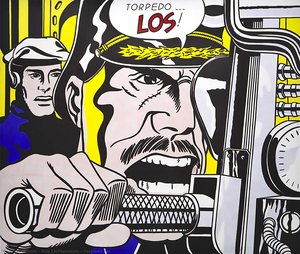
Preverite v realnem okolju
 Pošlji kot čestitko
 Deli
Deli
 Podrobnosti
 Priročnik

 Prenesi
 Podobni artefakti
 Rentgenski posnetek
 Predvajaj diaporama
 Statistika
Smehajoča mačka


 Preberi več
Umetniška dela, prikazana na tej strani, so zaščitena z avtorskimi pravicami, kar pomeni, da po zakonu ne moremo ustvarjati ali prodajati identičnih reprodukcij. Ta zaščita se izvaja v skladu z mednarodnimi sporazumi, kot so Bernska konvencija in po nacionalnih zakonih, vključno s tistimi, ki jih določa Zakon o avtorskih pravicah ZDA – naslov 17.
Ta način v celoti upošteva zakonodajo o avtorskih pravicah, saj ne vključuje kopiranja ali podvajanja zaščitena umetniškega dela. Namesto tega gre za kreativno preinterpretacijo – novo sliko, ki je navdihnjen rezultat originala, vendar ni z njim identična.
Giclée tisk / Umetniški tisk
Giclée ali platnati odtis muzejske kakovosti z hitro proizvodnjo in prilagodljivimi možnostmi končne obdelave. ( Naročite ročno slikano reprodukcijo Preklop na digitalno sliko)




P118B €10

P118H €10

P118W €10

P438Z €10

P508JH €12

P508YH €12

P805H €10

P805Z €10

P919BZ €10

P919G €10

P919XJ €10

P959ZH €10

P968JZ €12

W106C €8

W218G €10

W218JH €8

W218Y €10

W307PJ €10

W316G €10

W316PJ €8

W316Y €10

W398PJ €8

W4111J €10

W500HY €15

W500JH €15

W692G €12

W849H €8

W940BG €15

W953PJ €8




Izberite eno od naših vnaprej določenih velikosti, ki ustrezajo prvotnim proporcijam umetničkega dela.

Vnesite širino in višino, ki jih potrebujete za svoj okvir ali steno. Tiskanje se lahko le odreže, vendar ga ni mogoče narediti večjega od slike, zato format z drugačno obliko pomeni izgubo dela slike. Pred tiskanjem vam pošljemo digitalni predogled za potrditev. Slika, prikazana na tej strani, ne prikazuje dejanskega izrezkov — le predogled to omogoča.
Globalna dostava () v 2 tednih namesto standardnih 4/5 tednov. (24 oktober)

Brezplačna ekspresna dostava po vsem svetu

Visokokakovostno laneno platno

Popolno zavarovanje pošiljke

Garancija povračila carine in uvoznih davkov

Garancija popolnega barvnega ujemanja

Politika vračila v 100 dneh (le v primeru okvar)

Garancija 100% povračila denarja

Popust pri večjem naročilu
 Možnost stekla je na voljo le za velikosti pod 110 cm

Smehajoča mačka
Giclée tisk / Umetniški tisk
Velikost reprodukcije
-


Skupna cena
€ 70
A Whimsikal Glimpse into Pop Art's Genesis: Roy Lichtenstein's “Laughing Cat”
Roy Lichtensteinova slika iz leta 1961, "Laughing Cat" (Smejčkov jaz), predstavlja ključno zgodnje delo v potujoči poti umetnika do postopnega postavljanja kot enega najrazpoznanijših osebnosti gibanja Pop Art. Čeprav pogosto ostaja v senci njegovih kasnejših, večjih del, kot so "Whaam!" in "Drowning Girl", ta očarljiva stvar ustvarja začetno energijo in stilsko eksperimentiranje, ki bi definirala revolucionarno estetiko Lichtensteina. Sliko sestavljajo preprosta tema – črni jaz proti živu oranžnemu ozadju –, vendar je izvedena z nenehno privlačen vizualni jezik. Jaz, prikazan s poglblimi konturnami in ploskatnimi barvnim ploščicami, ni narativen prikaz; namesto tega se zdi, da je neposredno prevzet iz straničnika za otroke ali starejše oglasne letke. Njegova široka, naslikana očesa in odprt usta prenašata občutek igrivega veselja, kot bi bil zajet v resnično mačjo radost. Ta namerno umetnostni pristop je ključ do razumevanja Lichtensteinovega projekta: ni ga zanimal ponovljati resnice, temveč jo preučevati in dvigniti sliko množične kulture.- Zadnje obdobje novih vizualnih besediليات
- Simbolizem in čustvena resnica
- Trajna dediščina
Vprašanja in odgovori
Ali je na voljo diaporama za "Smehajoča mačka" avtorja Roy Lichtenstein?
Delo "Smehajoča mačka" avtorja Roy Lichtenstein si lahko ogledate v obliki diaporame na strani Diaporama za to umetniško delo.
Kakšna vrsta dela je "Smehajoča mačka"?
"Smehajoča mačka" avtorja Roy Lichtenstein je razvrščeno v kategorijo Stenska umetnost. Ta kategorija opisuje vrsto umetniškega dela, da je original.
Kako si lahko ogledam predogled reprodukcije dela "Smehajoča mačka" avtorja Roy Lichtenstein?
Predogled dela "Smehajoča mačka" avtorja Roy Lichtenstein je na strani Predogled za to umetniško delo.
Biografija umetnika
The Genesis of a Pop Visionary
Roy Fox Lichtenstein, born in the vibrant metropolis of New York City on October 27, 1923, indelibly altered the landscape of twentieth-century art. Emerging as a pivotal figure within the Pop Art movement, Lichtenstein didn’t simply reflect his era; he actively interrogated it, transforming commonplace imagery into compelling artistic statements. His upbringing in an upper-middle-class Jewish family fostered both a cultural awareness and an early artistic inclination. Childhood exposure to museums and concerts, coupled with a deep appreciation for jazz music, laid the groundwork for a creative spirit that would challenge conventional notions of fine art. Though initially drawn to realistic drawing and painting during his formative years, Lichtenstein’s formal training commenced at the Art Students League in 1939 under Reginald Marsh, followed by studies at Ohio State University – interrupted briefly by wartime service in the Army. These experiences provided a robust technical foundation that would later be brilliantly re-contextualized through the lens of mass culture and commercial aesthetics. The seeds of his signature style weren’t sown within the hallowed halls of artistic tradition but rather in the often-overlooked world of everyday imagery, particularly comic books and advertising.Early Influences and Artistic Exploration
Lichtenstein's formative years witnessed a fascination with Abstract Expressionism, mirroring the dominant aesthetic currents of postwar America. Artists like Willem de Kooning and Jackson Pollock captivated him with their bold gestures and expressive brushwork—though Lichtenstein swiftly recognized that these approaches didn’t fully capture the essence of his artistic vision. He honed his drawing skills diligently at the Art Students League, absorbing techniques from Reginald Marsh who championed a more direct engagement with form and materiality. This grounding in traditional drawing proved invaluable as he transitioned towards exploring alternative stylistic avenues. His enrollment at Ohio State University offered further opportunities for experimentation, albeit briefly curtailed by military duty during World War II. These formative experiences instilled within him a disciplined artistic sensibility—a crucial element that would underpin his subsequent groundbreaking innovations.The Birth of Pop Art: Comic Books and Appropriation
A watershed moment arrived in 1961 with Lichtenstein’s seminal work, *Look Mickey*, marking the genesis of Pop Art as he understood it. Inspired by Disney comics—specifically *Mickey Mouse Clubhouse*—he embarked on a daring act of artistic appropriation: meticulously recreating comic strip scenes using techniques mirroring commercial printing processes. This wasn't mere imitation; it was a deliberate provocation against established artistic hierarchies, elevating commonplace imagery to the status of fine art. He didn’t simply copy panels from comics; he painstakingly recreated them with meticulous attention to detail—employing Ben-Day dots—a halftone printing technique prevalent in comic books and advertising. This appropriation wasn't driven by nostalgia or sentimentality but rather by a critical examination of consumer culture and its pervasive influence on American society. Lichtenstein’s stylistic breakthrough stemmed from recognizing the expressive potential inherent within mass media—a realm previously deemed antithetical to artistic seriousness.The Language of Ben-Day Dots and Bold Lines
Lichtenstein's artistic vocabulary is instantly recognizable: bold, primary colors, thick black outlines, and most notably, Ben-Day dots – a halftone printing technique borrowed directly from the mechanical reproduction of comic books. These dots weren’t merely decorative; they were integral to his conceptual framework—representing the very process of mass production and challenging the traditional emphasis on the artist's hand. His paintings often enlarged details from comic strips to monumental scale, forcing viewers to confront the aesthetic qualities of an art form typically dismissed as trivial. Works like *Whaam!* (1963), *Drowning Girl* (1963), and *Oh, Jeff…I Love You, Too…But…* (1964) became iconic representations of Pop Art—capturing the anxieties and desires of a rapidly changing consumer culture. These weren’t simply depictions of comic book scenes; they were commentaries on themes of war, romance, and societal expectations—filtered through the visual language of mass media. He aimed to strip away any pretense of artistic subjectivity—presenting his work as objective reflections of American society—a mirror held up to its own manufactured reality. The deliberate flatness and lack of painterly gesture further emphasized this detachment—mimicking the impersonal nature of commercial printing.Legacy and Enduring Influence
Lichtenstein’s influence extends far beyond the realm of painting—resonating across disciplines like graphic design and illustration. His innovative use of Ben-Day dots and appropriation fundamentally reshaped artistic practice—inspiring generations of artists to explore themes of consumerism, media saturation, and cultural identity. He challenged conventional notions of originality and authorship—forcing a reconsideration of what constitutes “art” itself—and solidified his position as one of the most commercially successful American artists of all time with the sale of *Masterpiece* in 2017 for $165 million. Yet, Lichtenstein’s enduring legacy transcends monetary valuation—remaining as relevant and provocative today as it was during the height of Pop Art—a testament to his visionary artistic approach. His art continues to inspire critical dialogue about the relationship between art, culture, and commerce—serving as a powerful reminder that beauty can be found in unexpected places—and that artistic innovation often arises from embracing unconventional methodologies.- Major Achievements: Pioneered Pop Art style; achieved international recognition with groundbreaking exhibitions.
- Notable Works: *Whaam!*, *Drowning Girl*, *Oh, Jeff…I Love You, Too…But…*, *Masterpiece*.
- Teaching Career: Influenced aspiring artists at SUNY Oswego and Rutgers University.

Roy Lichtenstein
1923 - 1997 , ZDA
Ključne informacije
- Artistic Movement Or Style: Pop Art
- Artists Who Influenced This Artist:
- Allan Kaprow
- Reginald Marsh
- Date Of Birth: 27. oktober 1923
- Date Of Death: 29. september 1997
- Full Name: Roy Fox Lichtenstein
- Nationality: Američan
- Notable Artworks:
- Whaam!
- Drowning Girl
- Oh, Jeff…I Love You, Too…But…
- Place Of Birth: New York City, ZDA
Sorodni članki
Roy Lichtenstein: 25 ikoničnih del pop arta za vaš dom | OriginalUniqueArt
Odkrijte 25 najbolj znanih del Roya Lichtensteina! Pop art ikone, barvite slike & stripovska umetnost. Kupite reprodukcije slik visoke kakovosti za vaš dom na OriginalUniqueArt.com. Navdihnite se in preoblikujte svoj prostor z edinstvenimi deli tega ameriškega likovnika.
Beyond the Ben-Day Dots: Roy Lichtenstein's Pop Art Revolution & Enduring Legacy
Explore Roy Lichtenstein's revolutionary Pop Art! Discover the story behind Ben-Day dots, iconic works like 'Whaam!', and investment insights for collectors. Expert analysis & high-quality reproductions at OriginalUniqueArt.
The Psychology of the Palette: Decoding Roy Lichtenstein's Bold Color Theory
Explore the profound psychological depth of Roy Lichtenstein's color theory. Discover how his use of primary colors and Ben-Day dots revolutionized modern art, transforming mass media imagery into sophisticated fine art for the discerning collector.
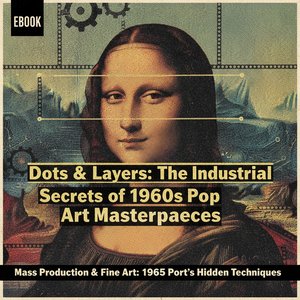
Dots & Screens: The Industrial Secrets Behind 1960s Pop Art Masterpieces
Explore the industrial secrets of 1960s Pop Art. Discover how Ben-Day dots and silk screening transformed mass media into masterpieces by Roy Lichtenstein. An in-depth look at the intersection of mechanical printing and fine art history for students and collectors.

The Psychology of the Palette: Decoding Roy Lichtenstein's Bold Color Theory
Explore the psychological depth of Roy Lichtenstein's color theory. An expert analysis for art students and collectors on Ben-Day dots, primary palettes, and the intersection of Pop Art with mass media history.