Preverite v realnem okolju
 Pošlji kot čestitko
 Deli
Deli
 Podrobnosti
 Priročnik

 Prenesi
 Podobni artefakti
 Rentgenski posnetek
 Predvajaj diaporama
 Statistika
Foot and Hand


 Preberi več
Umetniška dela, prikazana na tej strani, so zaščitena z avtorskimi pravicami, kar pomeni, da po zakonu ne moremo ustvarjati ali prodajati identičnih reprodukcij. Ta zaščita se izvaja v skladu z mednarodnimi sporazumi, kot so Bernska konvencija in po nacionalnih zakonih, vključno s tistimi, ki jih določa Zakon o avtorskih pravicah ZDA – naslov 17.
Kot spoštljiva in zakonita alternativa ponujamo prilagojena, ročno slikana umetniška dela, navzornena na original. Naši sposobni in profesionalni umetniki skrbno preučijo stil, vzdušje in umetniško bistvo originala, da ustvarijo novo, edinstveno delo, ki vzbudi enak občutek – pri čemer ostaja popolnoma nova, samostojna izvirna stvar.
Ta način v celoti upošteva zakonodajo o avtorskih pravicah, saj ne vključuje kopiranja ali podvajanja zaščitena umetniškega dela. Namesto tega gre za kreativno preinterpretacijo – novo sliko, ki je navdihnjen rezultat originala, vendar ni z njim identična.
Ročno izdelana oljna reprodukcija
Ročno slikano olje na platnu v vaši izbiri velikosti in okvirja, izdelano po naročilu naših umetnikov. ( Preklop na tiskanine Preklop na digitalno sliko)




P118B €10

P118H €10

P118W €10

P438Z €10

P508JH €12

P508YH €12

P805H €10

P805Z €10

P919BZ €10

P919G €10

P919XJ €10

P959ZH €10

P968JZ €12

W106C €8

W218G €10

W218JH €8

W218Y €10

W307PJ €10

W316G €10

W316PJ €8

W316Y €10

W398PJ €8

W4111J €10

W500HY €15

W500JH €15

W692G €12

W849H €8

W940BG €15

W953PJ €8




Izberite eno od naših vnaprej določenih velikosti, ki ustrezajo prvotnim proporcijam umetničkega dela.

Vnesite širino in višino, ki jih potrebujete, da se slika prilega vašemu okviru ali steni. Ker je delo ročno slikano, lahko umetnik pri različnih oblikih slik pri robovih doda malo več barve ali pa jih malo odreže — izberite sami. Pred začetkom slikanja vam pošljemo digitalni predogled za potrditev. Slika, prikazana na tej strani, ni končni rezultat — le predogled prikazuje dejansko podobo.
Po oddaji naročila bo ekipa OriginalUniqueArt.com stranki po e-pošti poslala navodila in predogled digitalnega predogleda.
Mednarodna dostava () v 3/4 tednih namesto običajnih 5 tednov. (26 oktober). Brez kompromisov pri kakovosti.

Brezplačna ekspresna dostava po vsem svetu

Visokokakovostno laneno platno

Popolno zavarovanje pošiljke

Garancija povračila carine in uvoznih davkov

Garancija popolnega barvnega ujemanja

Politika vračila v 100 dneh (le v primeru okvar)

Garancija 100% povračila denarja

Popust pri večjem naročilu
 Možnost stekla je na voljo le za velikosti pod 110 cm

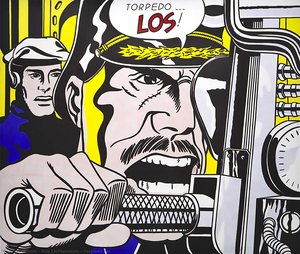
Foot and Hand
Tehnika reprodukcije
Velikost reprodukcije
-


Skupna cena
€ 263
The Genesis of Pop Art Iconography
Roy Fox Lichtenstein ( LIK-tən-STYN; October 27, 1923 – September 29, 1997) stands as a monumental figure in the realm of American art history—specifically, the vibrant and disruptive movement known as Pop Art. His artistic journey began amidst the burgeoning cultural landscape of post–World War II New York City, where he absorbed influences from jazz music and early explorations into Cubism and Surrealism. However, it was Lichtenstein’s encounter with comic books and advertising that irrevocably shaped his distinctive visual language and propelled him to international acclaim. This fascination wasn't merely aesthetic; it represented a profound critique of societal values—a deliberate challenge to the prevailing artistic conventions of the time.A Bold Appropriation: Comic Strip Inspiration
Lichtenstein’s breakthrough came with “Look Mickey” (1961), arguably his first masterpiece and a pivotal moment in establishing Pop Art's core tenets. Inspired by Disney comics, Lichtenstein meticulously reproduced halftone printing techniques—the method used to create the iconic Ben-Day dots characteristic of commercial illustrations—onto canvas. This technique wasn’t simply mimicry; it was an active appropriation, transforming familiar imagery into high art. As Lichtenstein himself eloquently stated, “I don't want to make paintings that look like comic books. I want to make comic books that look like paintings.” This audacious decision signaled a rejection of traditional artistic hierarchies and ushered in an era where popular culture could be elevated to the level of serious contemplation.Stylistic Innovation: Hard-Edged Lines and Vibrant Color
The stylistic hallmarks of Lichtenstein’s oeuvre—hard-edged lines, bold color palettes dominated by primary hues like yellow, red, and blue—are instantly recognizable. Unlike the expressive brushstrokes favored by Abstract Expressionists like Jackson Pollock or Willem de Kooning, Lichtenstein employed a meticulous approach to rendering form, prioritizing clarity and precision. This deliberate flatness of perspective mirrored the visual language of advertising and comic strips, reinforcing his central argument: that art could engage with everyday life without resorting to grand narratives or emotional intensity. The resulting images possess an unsettling beauty—a captivating blend of humor and pathos—that continues to resonate with audiences today.Symbolism Beyond Surface Appearance
Beneath Lichtenstein’s seemingly simplistic aesthetic lies a complex tapestry of symbolic references. Recurring motifs such as speech bubbles, stylized figures (often rendered in monochrome), and meticulously reproduced Ben-Day dots serve as vehicles for conveying social commentary. The artist deliberately distanced himself from overtly political statements, preferring to explore themes of consumerism, gender roles, and the anxieties of the Cold War era through subtly coded imagery. “Whaam!” (1963), depicting a fighter pilot’s aerial assault during World War II, exemplifies this approach—a visually arresting depiction that simultaneously celebrates heroism and underscores the dehumanizing effects of conflict.Legacy: An Enduring Influence on Contemporary Art
Roy Lichtenstein's impact extends far beyond his own lifetime, influencing generations of artists who followed in his footsteps. His pioneering use of appropriation techniques paved the way for conceptual art and neo-expressionism—movements that questioned artistic boundaries and embraced a return to figurative representation. Furthermore, Lichtenstein’s unwavering commitment to exploring the intersection between high art and popular culture continues to inspire artists today—a testament to his enduring legacy as one of the most innovative and influential figures in 20th-century art.Vprašanja in odgovori
Koliko svetlobe se zdi, da odražajo barve dela "Foot and Hand"?
"Foot and Hand" avtorja Roy Lichtenstein ima Gentle Luminance luminanco. Luminanca opisuje, koliko svetlobe se zdi, da barve odražajo.
Koliko ljudi ogleda "Foot and Hand"?
Statistika za "Foot and Hand" avtorja Roy Lichtenstein je na strani Statistika umetninine: mesečni obisk umetninine, obiski umetninikovih del ter razdelitev nedavnih obiskovalcev po državah in jezikih.
Ali so barve dela "Foot and Hand" avtorja Roy Lichtenstein nasičene ali utemeljene?
"Foot and Hand" avtorja Roy Lichtenstein je zabeležen z Subtle Color saturacijo.
Biografija umetnika
The Genesis of a Pop Visionary
Roy Fox Lichtenstein, born in the vibrant metropolis of New York City on October 27, 1923, indelibly altered the landscape of twentieth-century art. Emerging as a pivotal figure within the Pop Art movement, Lichtenstein didn’t simply reflect his era; he actively interrogated it, transforming commonplace imagery into compelling artistic statements. His upbringing in an upper-middle-class Jewish family fostered both a cultural awareness and an early artistic inclination. Childhood exposure to museums and concerts, coupled with a deep appreciation for jazz music, laid the groundwork for a creative spirit that would challenge conventional notions of fine art. Though initially drawn to realistic drawing and painting during his formative years, Lichtenstein’s formal training commenced at the Art Students League in 1939 under Reginald Marsh, followed by studies at Ohio State University – interrupted briefly by wartime service in the Army. These experiences provided a robust technical foundation that would later be brilliantly re-contextualized through the lens of mass culture and commercial aesthetics. The seeds of his signature style weren’t sown within the hallowed halls of artistic tradition but rather in the often-overlooked world of everyday imagery, particularly comic books and advertising.Early Influences and Artistic Exploration
Lichtenstein's formative years witnessed a fascination with Abstract Expressionism, mirroring the dominant aesthetic currents of postwar America. Artists like Willem de Kooning and Jackson Pollock captivated him with their bold gestures and expressive brushwork—though Lichtenstein swiftly recognized that these approaches didn’t fully capture the essence of his artistic vision. He honed his drawing skills diligently at the Art Students League, absorbing techniques from Reginald Marsh who championed a more direct engagement with form and materiality. This grounding in traditional drawing proved invaluable as he transitioned towards exploring alternative stylistic avenues. His enrollment at Ohio State University offered further opportunities for experimentation, albeit briefly curtailed by military duty during World War II. These formative experiences instilled within him a disciplined artistic sensibility—a crucial element that would underpin his subsequent groundbreaking innovations.The Birth of Pop Art: Comic Books and Appropriation
A watershed moment arrived in 1961 with Lichtenstein’s seminal work, *Look Mickey*, marking the genesis of Pop Art as he understood it. Inspired by Disney comics—specifically *Mickey Mouse Clubhouse*—he embarked on a daring act of artistic appropriation: meticulously recreating comic strip scenes using techniques mirroring commercial printing processes. This wasn't mere imitation; it was a deliberate provocation against established artistic hierarchies, elevating commonplace imagery to the status of fine art. He didn’t simply copy panels from comics; he painstakingly recreated them with meticulous attention to detail—employing Ben-Day dots—a halftone printing technique prevalent in comic books and advertising. This appropriation wasn't driven by nostalgia or sentimentality but rather by a critical examination of consumer culture and its pervasive influence on American society. Lichtenstein’s stylistic breakthrough stemmed from recognizing the expressive potential inherent within mass media—a realm previously deemed antithetical to artistic seriousness.The Language of Ben-Day Dots and Bold Lines
Lichtenstein's artistic vocabulary is instantly recognizable: bold, primary colors, thick black outlines, and most notably, Ben-Day dots – a halftone printing technique borrowed directly from the mechanical reproduction of comic books. These dots weren’t merely decorative; they were integral to his conceptual framework—representing the very process of mass production and challenging the traditional emphasis on the artist's hand. His paintings often enlarged details from comic strips to monumental scale, forcing viewers to confront the aesthetic qualities of an art form typically dismissed as trivial. Works like *Whaam!* (1963), *Drowning Girl* (1963), and *Oh, Jeff…I Love You, Too…But…* (1964) became iconic representations of Pop Art—capturing the anxieties and desires of a rapidly changing consumer culture. These weren’t simply depictions of comic book scenes; they were commentaries on themes of war, romance, and societal expectations—filtered through the visual language of mass media. He aimed to strip away any pretense of artistic subjectivity—presenting his work as objective reflections of American society—a mirror held up to its own manufactured reality. The deliberate flatness and lack of painterly gesture further emphasized this detachment—mimicking the impersonal nature of commercial printing.Legacy and Enduring Influence
Lichtenstein’s influence extends far beyond the realm of painting—resonating across disciplines like graphic design and illustration. His innovative use of Ben-Day dots and appropriation fundamentally reshaped artistic practice—inspiring generations of artists to explore themes of consumerism, media saturation, and cultural identity. He challenged conventional notions of originality and authorship—forcing a reconsideration of what constitutes “art” itself—and solidified his position as one of the most commercially successful American artists of all time with the sale of *Masterpiece* in 2017 for $165 million. Yet, Lichtenstein’s enduring legacy transcends monetary valuation—remaining as relevant and provocative today as it was during the height of Pop Art—a testament to his visionary artistic approach. His art continues to inspire critical dialogue about the relationship between art, culture, and commerce—serving as a powerful reminder that beauty can be found in unexpected places—and that artistic innovation often arises from embracing unconventional methodologies.- Major Achievements: Pioneered Pop Art style; achieved international recognition with groundbreaking exhibitions.
- Notable Works: *Whaam!*, *Drowning Girl*, *Oh, Jeff…I Love You, Too…But…*, *Masterpiece*.
- Teaching Career: Influenced aspiring artists at SUNY Oswego and Rutgers University.

Roy Lichtenstein
1923 - 1997 , ZDA
Ključne informacije
- Artistic Movement Or Style: Pop Art
- Artists Who Influenced This Artist:
- Allan Kaprow
- Reginald Marsh
- Date Of Birth: 27. oktober 1923
- Date Of Death: 29. september 1997
- Full Name: Roy Fox Lichtenstein
- Nationality: Američan
- Notable Artworks:
- Whaam!
- Drowning Girl
- Oh, Jeff…I Love You, Too…But…
- Place Of Birth: New York City, ZDA
Sorodni članki
10 Pop Art Mojstrovin, ki so spremenile svet umetnosti | OriginalUniqueArt
Odkrijte 10 ikoničnih pop art mojstrovin! Preberite zgodbe Andyja Warhola, Roya Lichtensteina in drugih umetnikov. Reprodukcije slik za vaš dom na OriginalUniqueArt.com – navdih & kakovost.
Dots & Screens: The Industrial Secrets Behind 1960s Pop Art Masterpieces
Explore the industrial secrets of 1960s Pop Art. Discover how Ben-Day dots and silk screening transformed mass media into masterpieces by Roy Lichtenstein. An in-depth look at the intersection of mechanical printing and fine art history for students and collectors.
Roy Lichtenstein: 25 ikoničnih del pop arta za vaš dom | OriginalUniqueArt
Odkrijte 25 najbolj znanih del Roya Lichtensteina! Pop art ikone, barvite slike & stripovska umetnost. Kupite reprodukcije slik visoke kakovosti za vaš dom na OriginalUniqueArt.com. Navdihnite se in preoblikujte svoj prostor z edinstvenimi deli tega ameriškega likovnika.

Beyond the Ben-Day Dots: Roy Lichtenstein's Pop Art Revolution & Enduring Legacy
Explore Roy Lichtenstein's revolutionary Pop Art! Discover the story behind Ben-Day dots, iconic works like 'Whaam!', and investment insights for collectors. Expert analysis & high-quality reproductions at OriginalUniqueArt.

The Psychology of the Palette: Decoding Roy Lichtenstein's Bold Color Theory
Explore the psychological depth of Roy Lichtenstein's color theory. An expert analysis for art students and collectors on Ben-Day dots, primary palettes, and the intersection of Pop Art with mass media history.