Neo-Dada · 1955
Monogram (Robert Rauschenberg, 1955)
Robert Rauschenberg (1925–2008) je izdelal Monogram. Zajema leto 1955. Spada v umetniško smer Neo-Dada.
- 1955

 Predogled v realnem okolju

 Ročno izdelano oljno slikarstvo
 Pošlji
 Deli
 Informacijski list za tjači


 Prenesi sliko
 Podobni izdelki
 Rentgenski posnetek
 Predvajaj diaporama
 Vprašanja in odgovori

 Statistika
Monogram, na kratek
- Naslov
- Monogram
- Umetnik
- Robert Rauschenberg (1925–2008)
- Umetnik, rojen v
- Port Arthur, Združene države Amerike
- Datum
- 1955
- Gibanje
- Neo-Dada
- Tema
- ram, tire, assemblage, decay, transformation, industrial
Kaj prikazuje Monogram?
A Fusion of Nature and Industry: Robert Rauschenberg's "Monogram"
Robert Rauschenberg’s 1955 “Monogram” is a seminal work from his groundbreaking “Combines” series, a pivotal moment in art history that blurred the lines between painting, sculpture, and assemblage. This iconic piece transcends simple categorization, offering a complex visual narrative rich with symbolism and challenging traditional artistic boundaries. It's a powerful statement about post-war American culture, consumerism, and the evolving role of the artist.
Subject & Style: Neo-Dada Meets Pop Art
At its core, "Monogram" presents a striking juxtaposition of organic and industrial elements. The central image is the head of a ram, instantly recognizable through its long, curving horns. However, Rauschenberg doesn't present this animal in a naturalistic way. Instead, he obscures the face with painted markings, transforming it into an almost abstract form. Behind the ram’s head looms a large tire – a ubiquitous symbol of American transportation and industrial progress. This unexpected pairing is characteristic of the Neo-Dada movement, which Rauschenberg helped pioneer. Neo-Dada rejected the seriousness of Abstract Expressionism, embracing humor, irony, and found objects to critique societal norms. The work foreshadows elements of Pop Art, anticipating its embrace of everyday imagery and mass culture.
Technique & Materials: The "Combine" Process
“Monogram” exemplifies Rauschenberg’s innovative “Combines.” This term, coined by the artist himself, describes works that incorporate a variety of materials beyond traditional paint on canvas. Here, he utilizes a tire, fabric scraps, paper fragments, and painted surfaces to create a layered and textured composition. The base upon which the ram's head rests is covered in a collage-like arrangement of these disparate elements – torn papers, crumpled fabrics—adding to the work’s chaotic yet compelling visual energy. Rauschenberg’s technique involved a process of intuitive layering and assemblage, often incorporating materials he found or collected, further emphasizing the element of chance and spontaneity within his creative practice.
Symbolism & Historical Context
The symbolism in "Monogram" is open to interpretation, contributing to its enduring appeal. The ram itself can be seen as a symbol of power, virility, and even aggression. Its painted-over face suggests a loss of identity or a questioning of traditional representations. The tire, representing industrialization and mobility, introduces a contrasting element of modernity and perhaps even environmental concern. Created in 1955, the work reflects the post-war American landscape – a period of rapid economic growth, consumerism, and technological advancement. The piece can be viewed as a commentary on this era's complex relationship with nature and industry, questioning the impact of human progress on the natural world.
Emotional Impact & Legacy
"Monogram" evokes a range of emotions – from curiosity and intrigue to unease and even a sense of playful absurdity. The unexpected combination of elements challenges viewers to reconsider their perceptions of art and its relationship to everyday life. The work’s impact on subsequent generations of artists is undeniable, influencing the development of assemblage art, Pop Art, and contemporary sculpture. Owning a reproduction of "Monogram" allows you to bring this iconic piece into your space—a conversation starter and a testament to Rauschenberg's revolutionary vision.
Visokoresolucijske slike dela Monogram
Zaščitovano z avtorskimi pravicami: te datoteke so namenjene osebni referenci, ne paovojilo za ponovno objavo.
Robert Rauschenberg, Monogram (1955).
Odgovori na vprašanja o Monogram
V letu katerega je bilo ustvarjeno delo "Monogram" avtorja Robert Rauschenberg?
"Monogram" avtorja Robert Rauschenberg je nastalo leta 1955.
Kaj prikazuje "Monogram" avtorja Robert Rauschenberg?
"Monogram" avtorja Robert Rauschenberg prikazuje: ram, tire, assemblage, decay, transformation, industrial, found objects, surreal.
Ali je delo "Monogram" avtorja Robert Rauschenberg v javni lastini?
V zvezi z avtorskimi pravicami je "Monogram" v še vedno pod avtorsko zaščito.
Kdo je ustvaril "Monogram"?
Avtor dela "Monogram" je Robert Rauschenberg. Del je katalogiran pod imenom Robert Rauschenberg.
V kateri umetniški smer spada "Monogram" avtorja Robert Rauschenberg?
"Monogram" avtorja Robert Rauschenberg pripada gibanju Neo-Dada. To gibanje zagotavlja slogovni kontekst dela.
V katero obdobje Robert Rauschenbergove kariere spada delo "Monogram"?
"Monogram" predstavlja Mid-Career umetnika Robert Rauschenberg.
Koliko je bil Robert Rauschenberg star ob ustvarjanju dela "Monogram" leta 1955?
Ko je bilo delo "Monogram" ustvarjeno leta 1955, je bil Robert Rauschenberg – rojen leta 1925 – star 30 let.
Kaj pojasnjuje status avtorskih pravic za "Monogram" avtorja Robert Rauschenberg?
"Monogram" avtorja Robert Rauschenberg je še vedno pod avtorsko zaščito. Avtorske pravice se izračunajo od smrti umetnika, ki je umrl leta 2008.
Kje se "Monogram" uvršča v celotno stvar umetnika Robert Rauschenberg?
"Monogram" z ostalimi deli Robert Rauschenberg deli svoj Neo-Dada slog in zastopljene teme: dadaism & surrealism, assemblage art techniques, pop art sensibilities, representative of 'combines' style, exploration of found object art, key work in rauschenberg’s oeuvre, demonstrates his experimental approach, juxtaposition of nature/industry.
O umetniku, Robert Rauschenberg

1925–2008, Združene države Amerike
Robert Rauschenberg
Življenje v Prehodu Robert Rauschenberg, rojen Milton Ernest Rauschenberg leta 1925 v oljno bogatem Port Arthurju v Teksasu, je bil umetnik, katerega samo obstenje se je zdelo odmevati dinamično energijo in transformativni duh, ki ga je prinesel v svet umetnosti. Njegovo otroštvo ni bilo definirano s fiksnim krajem; poklic njegovega očeta je zahteval nomadski življenjski slog, potovanje po različnih terenih, ki mu je subtilno vlivalo odprtost do raznolikih vizualnih dražljajev in pripravljenost sprejeti spremembe. Ta zgodnja izpostavljenost je spodbudila občutljivost, usklajeno s teksturami in ritmi ameriškega življenja – podtok, ki je globoko oblikoval njegove umetniške raziskave. Čeprav ga je sprva pritekovala farmakologija na Univerzi v Teksasu, se je Rauschenbergova pot hitro odcepila, vodila pa ga je k umetnosti – najprej iz nuje med vojne službe v mornarici, nato s ciljanimi študiji na Kansas City Art Institute in ključno, na Black Mountain College v Severni Karolini.
O umetniku Robert Rauschenberg Znomeni dela umetnika Robert Rauschenberg
Tudi dela avtorja Robert Rauschenberg
 Posestvo1963
 Znaki1970
 Barge1963
 Odalisk1958
Eseji o delu Monogram
 Francis Picabia: Dada's Provocateur – Reassessing Mechanical Forms & Mystical UndercurrentsExplore the revolutionary art of Francis Picabia – Dada's enigmatic provocateur. Discover his mechanical forms, hidden symbolism & lasting …
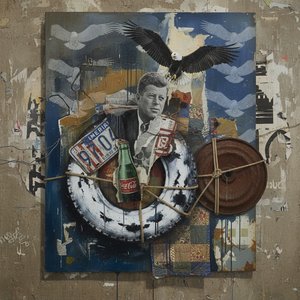 Robert Rauschenberg: Bridging Painting & Life – A Comprehensive Exploration of Combines, Silkscreens, and the Erasure of BoundariesExplore the revolutionary art of Robert Rauschenberg – Combines, silkscreens & more. Discover his impact on Pop Art, investment potential &…
 Spontaneity and Matter: Distinguishing CoBrA from Art InformelMaster the differences between CoBrA and Art Informel with our expert guide. Learn to identify these post-war movements today.